Running Shoes
Kiprun Kiptorm Lab First Look: Decathlon's New Pinnacle Racing Shoe
A lightweight, J-plated carbon racing shoe with a two-foam midsole that finally gets the fit right. Our first impressions after a speed session.
Introduction
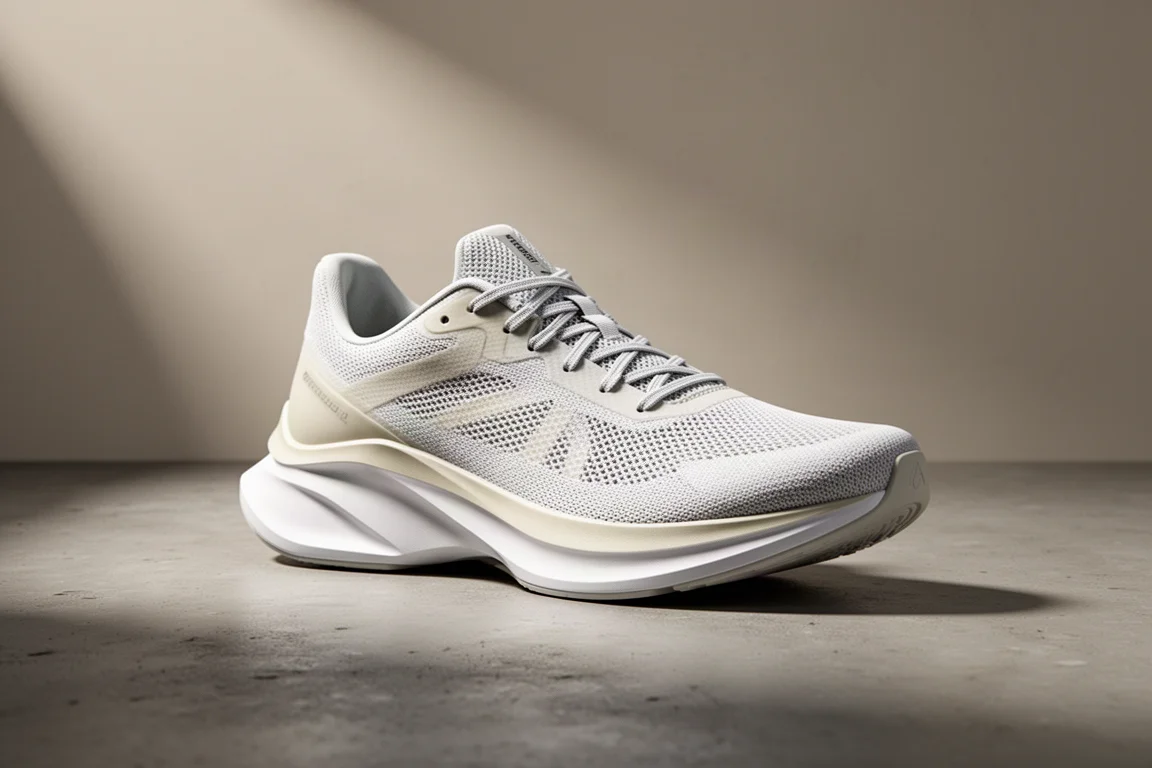
The Kiprun Kiptorm Lab is a new racing shoe from Decathlon that sits at the top of the brand’s range of carbon plate racing shoes. Formerly known as the KD900X Lab, it has been renamed to separate it from the rest of the lineup, and it represents a pinnacle product that introduces new technology to Decathlon’s racing range.
It has already been used to great effect by Jimmy Gressier, and it carries the highest price of any Decathlon shoe so far: £240 or €300 in the UK and Europe. US pricing and availability are not confirmed yet. After a first speed session in the shoe, here’s what stands out.
Who This Product Is For
The Kiptorm Lab is aimed at racers who want a genuinely lightweight, fast shoe for 5K, 10K and half marathon events, and who are prepared to pay flagship pricing for it. If you race at high cadence and like a shoe that pushes you quickly from heel to forefoot, this one is designed with you in mind.
Design and Construction
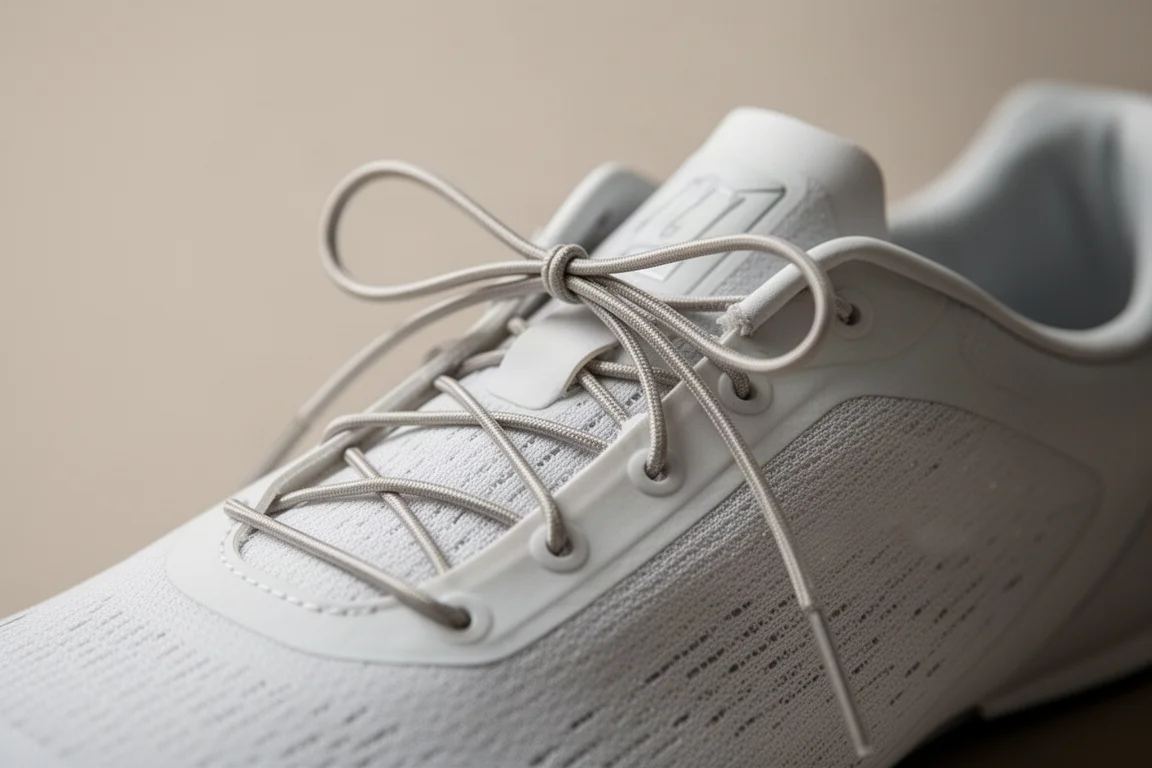
At UK 8.5 (US 9.5, EU 43), the shoe weighs in at just 174 grams, or 6.1 oz. The stack height is 39 mm at the heel and 35 mm at the forefoot, for a 4 mm drop. The upper is a very lightweight, thin material with a slightly plasticky feel that helps it retain its structure. Thin round laces keep weight down, and a very pliable heel design is a notable change, given that fit has been a recurring issue with past Decathlon racing shoes.
The outsole has decent rubber coverage on the forefoot and heel with quite a lot of exposed foam. It is not the thickest rubber layer, but the aim is enough grip without adding weight.
First Run: Speed Session Impressions
The first test was a simple session of 20 times 60 seconds on, 30 seconds off, run mostly around 3:10 to 3:15 per kilometre. The shoe felt light and lively throughout, with a slightly firmer feel during the warm-up that came to life once the pace picked up, as is common with carbon plate shoes.
On the run, the Kiptorm Lab delivered a fast transition from heel onto the forefoot, with an explosive punch off the stack of foam at the front. It suits a high turnover style, but it does not feel like a shoe only for aggressive short efforts. In the middle sections of each rep, it locked into a pace and cruised comfortably, which bodes well for dialing into a target pace over 10K or half marathon distances.
The fit was excellent on the run: the upper held the foot securely at speed with no pressure points, no rubbing, and no lace bite despite the thin laces.
Things to Consider Before Buying
The midsole combines two foams and a carbon plate. The plate is full length but J-shaped: at the heel it only runs down the outside of the shoe, completing into a fuller plate at the forefoot for a more propulsive toe-off. This leaves the back of the shoe slightly more flexible and soft, though the difference versus a full plate was not obvious on the road. A nitrogen-infused TPU frame surrounds a very bouncy PEBA core called Feather Bounce.
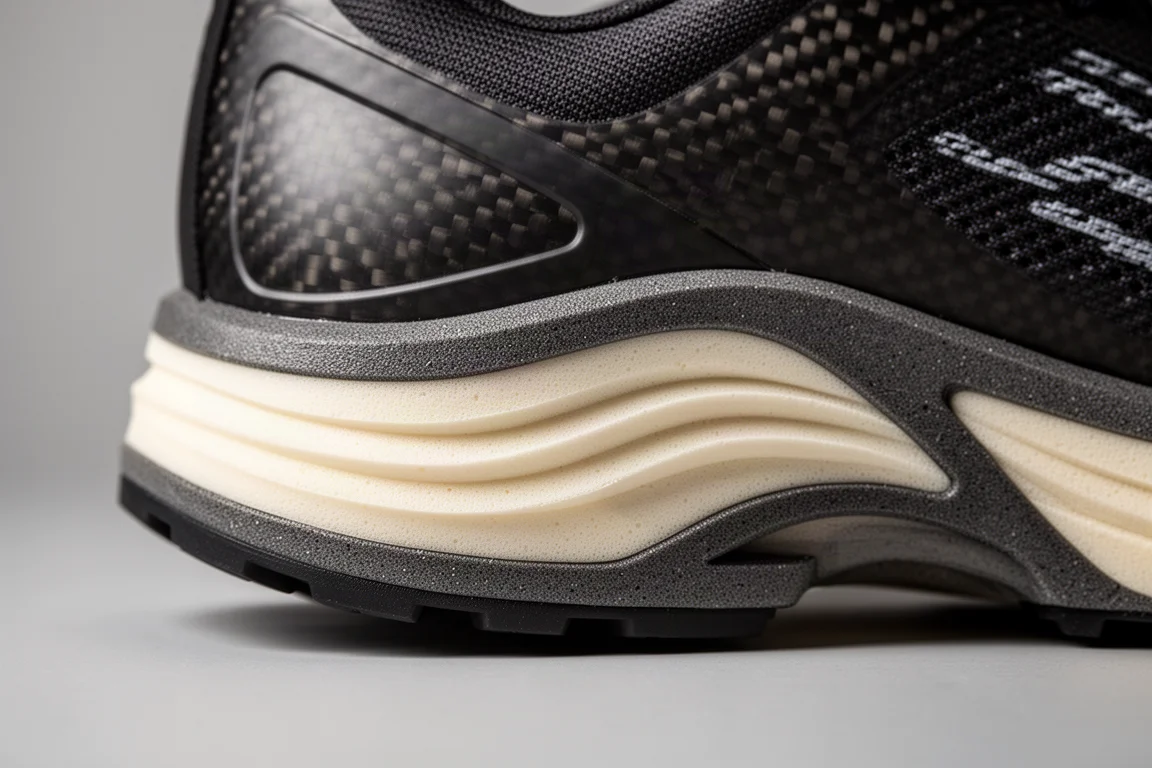
The ride is responsive and poppy rather than big and squishy. Compared with shoes like the Saucony Endorphin Elite 2 or ASICS Metaspeed Sky Tokyo, there is less sink-and-bounce; instead you get strong bounce back and energy return from the toes. Longer runs will show how it holds up, but the cushioning feels generous enough for racing distances.
Buying Advice
On sizing, Decathlon shoes have historically run generously, and the usual advice is to go half a size down as a starting point. In this case a UK 8.5 against a normal UK 9 delivered a good fit. Using centimeter sizing on the Kiprun website, matched to a shoe you already like, is the most reliable route. Past complaints about plastic ridges near the ankle and heel rub did not apply here: the soft, pliable heel material held the foot comfortably and securely.
At £240 or €300, the Kiptorm Lab now costs the same as the bulk of the carbon shoe market, sitting at the slightly cheaper end of it. Decathlon’s position is that this shoe is as good as everything else and priced accordingly, and after a first run that seems fair.
Conclusion
One run is not a definitive verdict, but the early signs are strong. The Kiprun Kiptorm Lab is a lightweight, explosive racing shoe with a lightning-fast transition, a comfortable upper that finally gets the fit right, and enough cruise-friendly speed for longer road races. Decathlon appears to have a serious contender on its hands.
Product link
View more details for Kiprun Kiptorm Lab
This product is mentioned in the review. Check the specifications, options, and compatibility before buying.
View more details for Kiprun Kiptorm LabFurther reading
Related Reviews

Running Shoes
Best Road-to-Trail Running Shoes: Three Versatile Options for Mixed Terrain
A practical guide to three road-to-trail running shoes that handle both pavement and mild trails, with clear strengths and trade-offs for different runner types.

Running Shoes
Best Running Shoes for Achilles Tendonitis: Three Options Explained
Three running shoes with different heel drops and support features designed to help reduce Achilles tendon pain during walking and running.

Running Shoes
Best Running Shoes for Women: Five Top Choices Ranked
A ranked guide to five women's running shoes, from versatile daily trainers to high-performance racing options, with real strengths and trade-offs for each.