Running Shoes
Kiprun Kipstorm Tempo vs Adidas Hyperboost Edge: Big-Stack Super Trainers Head-to-Head
Two max-stack, non-plated super trainers go toe to toe. One wins on value and pace, the other on plush comfort.
Introduction
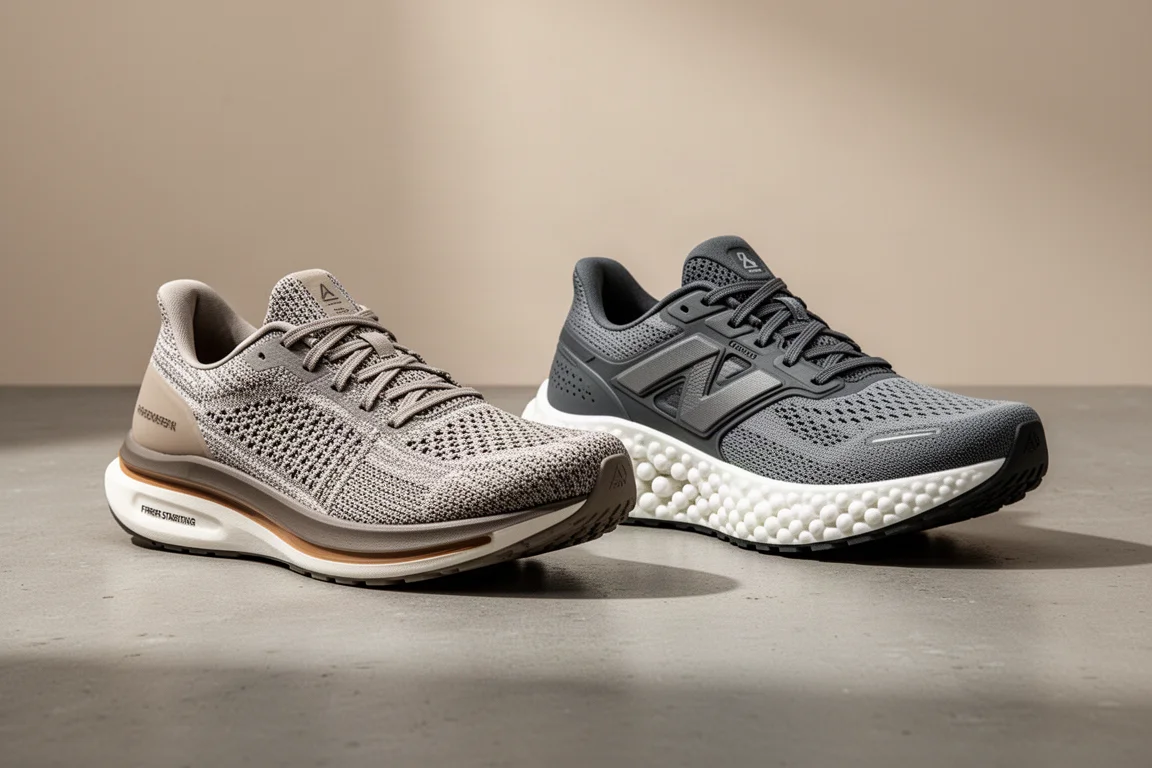
Big-stack super trainers have become a category of their own: lots of road protection, plenty of foam underfoot, and a genuine shot of energy rather than just cushioning. Two recent options go head-to-head here. The Kiprun Kipstorm Tempo is the budget-friendly, plateless performance shoe, while the Adidas Hyperboost Edge is the much-hyped, massive-stacked, also non-plated rival. Both are capable, both are fun, but they suit very different kinds of running, and one of them is considerably easier on your wallet.
Design Details and Stacks
Starting with the numbers. The Hyperboost Edge packs 45 mm in the heel and 39 mm in the forefoot for a 6 mm drop. The Kipstorm Tempo also has 45 mm in the heel but 37 mm in the forefoot, for an 8 mm drop. They are closely matched on weight too: the Hyperboost Edge weighs 8.9 oz (253 g) in a UK men’s 9, while the Kipstorm Tempo lands at 8.3 oz (236 g) in a UK men’s 8.5.
On price, the Hyperboost Edge is $200 or £170. The Kipstorm Tempo is considerably cheaper in the UK at £100, and still a shade cheaper in the US at $170.
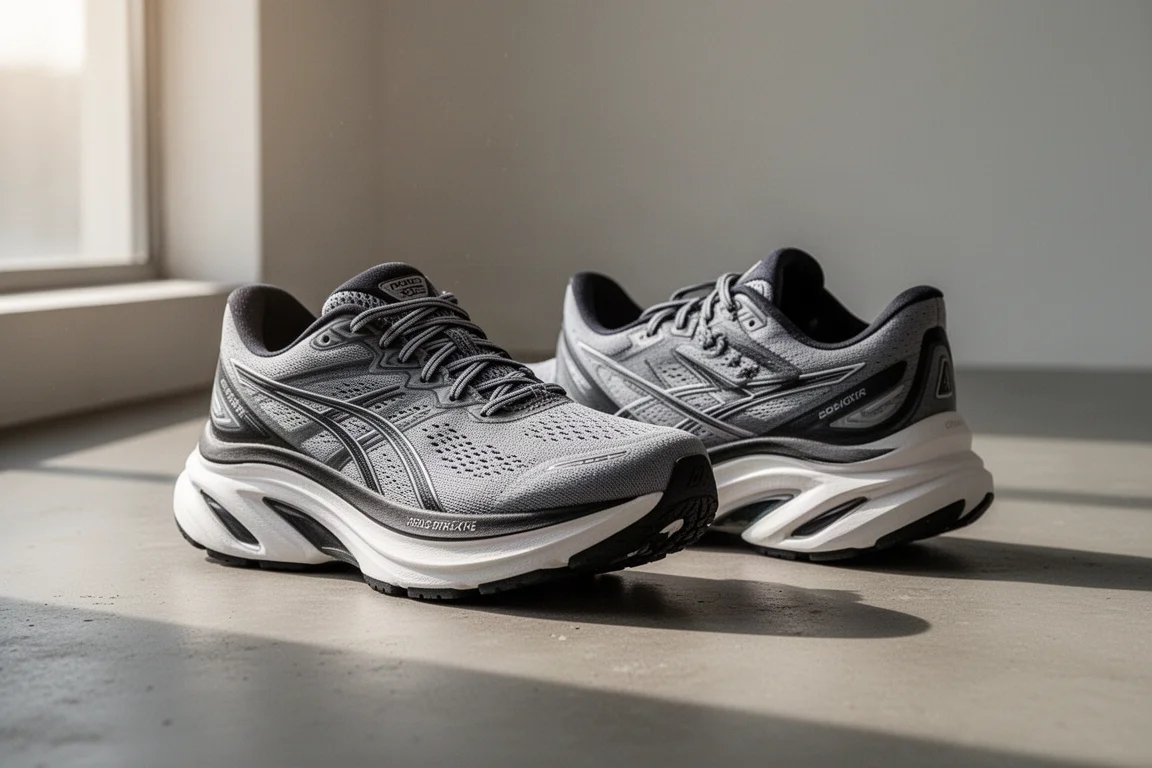
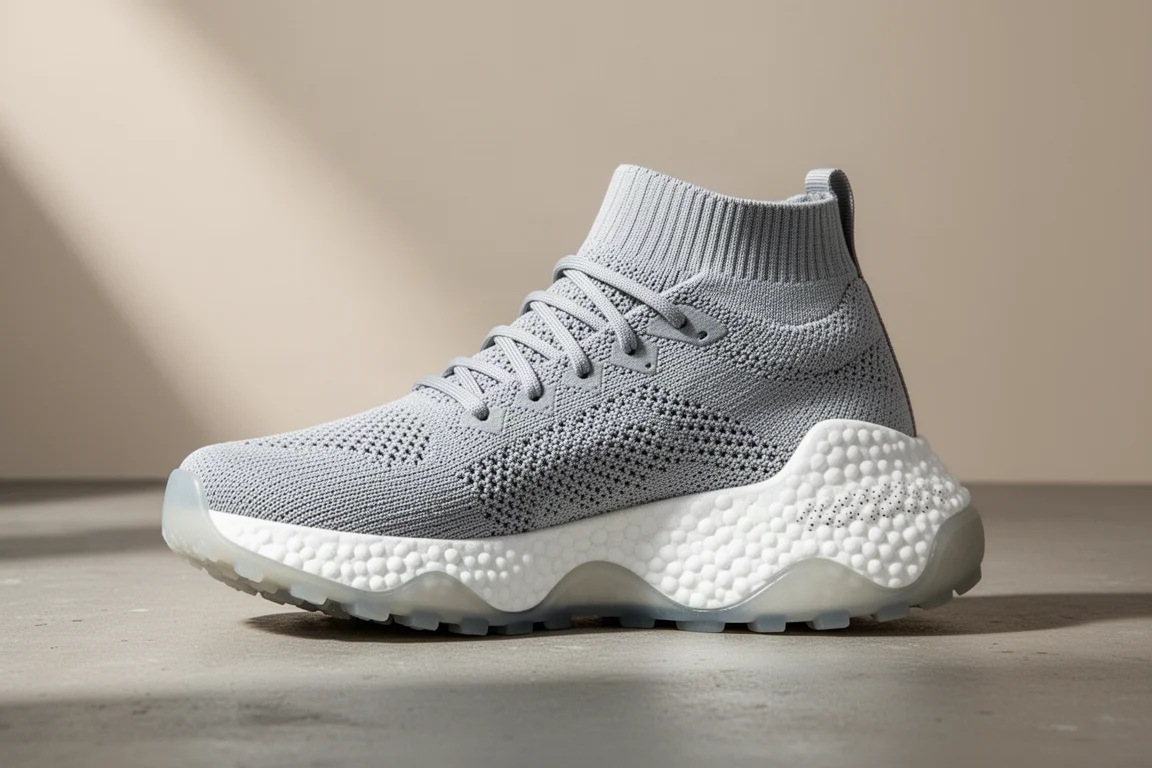
The midsoles tell the real story. The Kipstorm Tempo uses a high stack of responsive Fast-Tech Plus foam combined with a firmer stabilizing layer of compression-molded EVA, a setup aimed at bridging the gap between daily trainers and race shoes. The Hyperboost Edge instead uses a new expanded beaded PEBA-based Hyperboost Pro foam: a massive-stacked, very soft and compressive shoe with a springy edge to the ride.
Up top, the Hyperboost Edge has a Primeknit upper with quite a lot of overlays that add structure but reduce breathability. The Kipstorm’s knitted upper is looser and more perforated, so it breathes better. Both use standard laces: the Hyperboost runs them through fabric loops in the lace carriage that draw everything closer across the midfoot, while the Tempo threads them through loops integrated into the tongue, creating similarly strong lockdown. The Hyperboost has a gusseted tongue with minimal padding; the Tempo uses a faux integrated booty-style tongue with a small but high gusset and a well-padded bump where the laces lock down. In the heel, the Tempo has thin but traditional padding, while the Hyperboost has a smaller internal pad that stops short, leaving stiff, high, sparsely padded heel collars. Underfoot, the Tempo uses a good covering of outsole rubber reinforcing the forefoot and key heel impact areas, while the Hyperboost runs a full-coverage outsole with light traction.
Fit and Sizing
Fit advice differs between the two. The Kipstorm Tempo ran true to size in a UK 8.5 (US 9.5), with ample toe box clearance and a locked-in, speedy feel. One caveat: on a marathon-length test, a blister developed on the inside of the foot after around 1 hour 45 to 2 hours, caused by a toe knuckle landing against the side wall. It also tapers a bit sharply in the forefoot, occasionally rubbing the little toe, but sizing up or down probably would not change that. As a general note, Kiprun road shoes can come up a little long, so going half a size down in their lineup is often worth considering.
The Hyperboost Edge fit best half a size up, giving a good thumb’s width of length in the toe box. The upper is dense and structured, so it feels snug and secure with good hold across the toe knuckles, though it is not hugely spacious. Midfoot lockdown was excellent thanks to the lace carriage.
The big issue with the Hyperboost Edge is the heel collar: a high outer wall that juts in under the ankle and can rub when the foot rolls inward. It is not always uncomfortable, but on longer runs it became a real problem, enough to rule the shoe out for anything beyond two or three hours on foot. Otherwise the shoe felt fine, just not the most airy.
Ride Feel and Run Testing
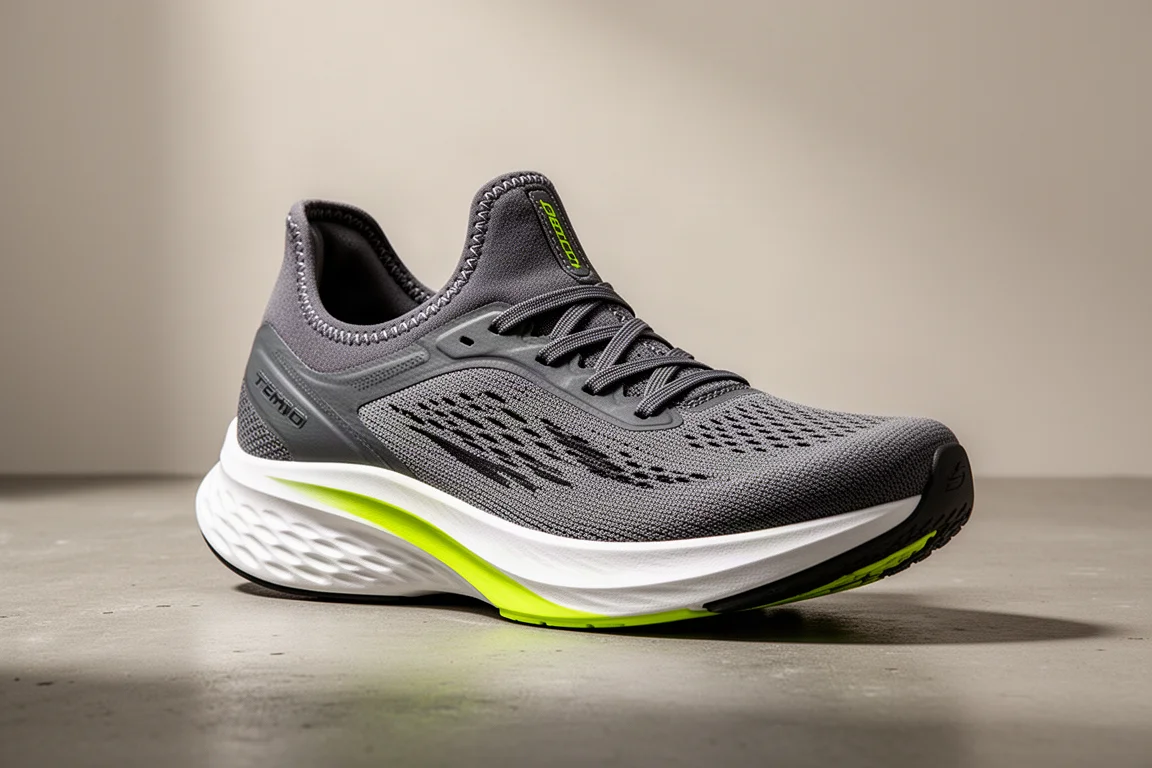
Both shoes deliver the super trainer promise: an elevated, enjoyable everyday running experience with plenty of versatility, bouncy and fun, pretty lightweight given the max stack, and comfortable too. Neither is a ground-feel shoe; you are running on big wedges of protective foam either way.
The Hyperboost Edge takes softness and cradling to a higher level. You really notice the extra stack under the forefoot, and there is none of the road coming through. It is much softer and sinkier than the Tempo. There is some bounce back in the foam, but the overall feel is sink and respond rather than immediate return. At easy paces the foam is responsive and bouncy even from the first step, and the midsole molds around the foot for a cradled, effortless feel that makes easy miles feel light and fun. Push to race pace or intervals, however, and it becomes a bit more cumbersome: the bigger heel area does not transition forward quite as smoothly.
The Kipstorm Tempo’s EVA layer adds stiffness, producing a noticeably firmer and snappier ride with more of the ground coming through. It comes back sooner, adding immediacy and impetus at toe-off, and runs better at faster paces around marathon and tempo effort. It pushes you through the foot strike onto the toes more aggressively, with a sharper forefoot rocker and a lighter weight that helps at the fast end. It may need a bit more impact going into the shoe to unlock the bounce, which is why it feels so good when you speed up, while remaining comfortable and impressively quick on easy and long runs up to 15 miles. Testing covered north of 80 km in the Tempo, including easy, steady, progression, tempo, interval, and long runs, plus a solo marathon test; the Hyperboost Edge covered around 60 km including a half marathon with progression miles and fartlek work.

The Hyperboost Edge is the more comfortable of the two for easy and long runs, and the full-coverage outsole adds a durability bonus plus a slight element of stability acting as a firmer layer beneath the foam. Grip has been good on both shoes.
Which One Should You Buy?
The breakdown comes down to priorities. If you want max comfort, go Hyperboost Edge. If you want max performance, go Kipstorm Tempo. And for max value, the Tempo wins again, especially in the UK where it is considerably cheaper than the Adidas and often in sales. In the US it is also a little cheaper, and it remains the better pick for one shoe to do absolutely everything thanks to its lighter design and slightly more aggressive geometry.
If you are adding a speed or faster-edge training shoe to a rotation, the Kipstorm Tempo is the pick. If you want a general steady trainer to sit alongside faster race shoes, the Hyperboost Edge is the better choice for pure easy runs and long runs, assuming the heel collar does not bother you. Getting both probably is not worth it: there is a lot of overlap, and both are reasonably expensive, so pairing either with more conventional shoes in a rotation makes more sense.

Conclusion
Both are strong super trainer options. The Adidas Hyperboost Edge is an interesting max-stack option that heroes comfort, with a luxuriously cushioned, fun ride, held back mainly by a stiff, high upper and heel collar. The Kiprun Kipstorm Tempo is a cracking all-rounder: versatile, quicker at faster paces, and dramatically better value. For most runners shopping for a single do-it-all super trainer, the Tempo is the easy pick.
Further reading
Related Reviews

Running Shoes
Best Road-to-Trail Running Shoes: Three Versatile Options for Mixed Terrain
A practical guide to three road-to-trail running shoes that handle both pavement and mild trails, with clear strengths and trade-offs for different runner types.

Running Shoes
Best Running Shoes for Achilles Tendonitis: Three Options Explained
Three running shoes with different heel drops and support features designed to help reduce Achilles tendon pain during walking and running.

Running Shoes
Best Running Shoes for Women: Five Top Choices Ranked
A ranked guide to five women's running shoes, from versatile daily trainers to high-performance racing options, with real strengths and trade-offs for each.