Running Shoes
Kiprun Kipstorm Tempo vs Adidas Evo SL: Two of the Best Value Running Shoes Compared
Two highly rated all-round running trainers go head to head on cushioning, fit, speed and value to help you pick the right one.
Introduction
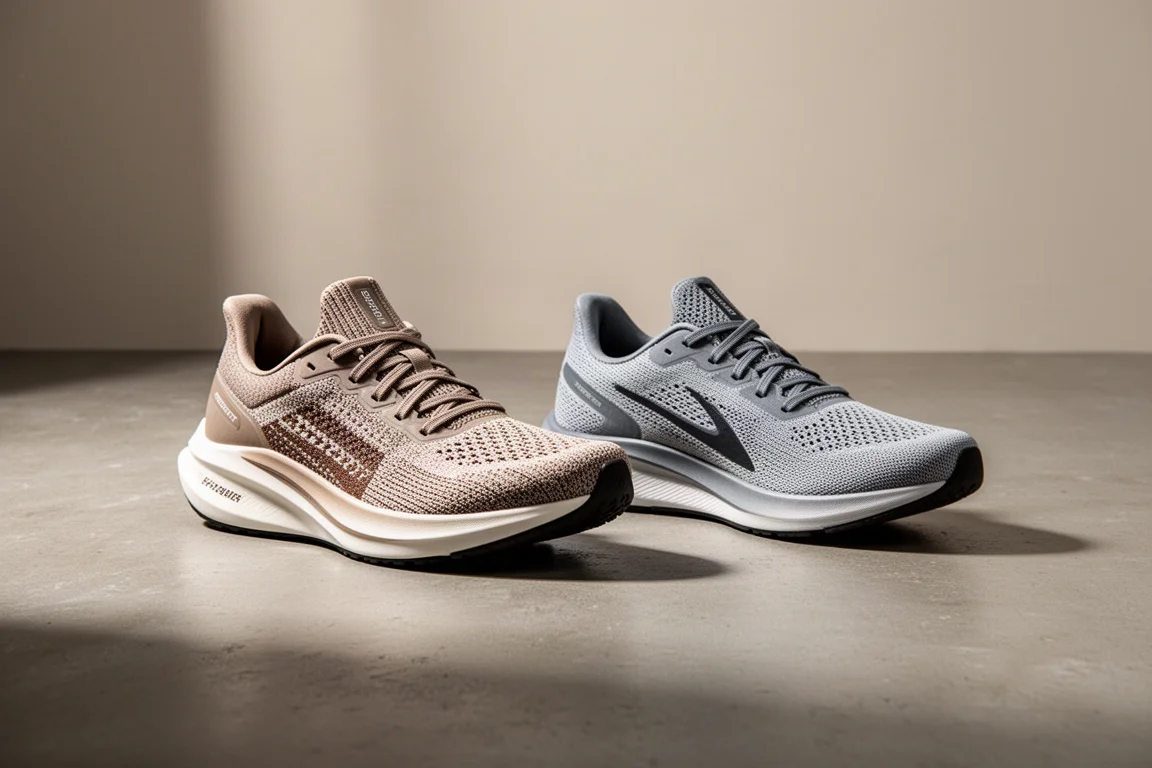
Few running shoe comparisons are requested as often as this one, and for good reason. The Kiprun Kipstorm Tempo and the Adidas Evo SL are two of the most impressive all-round trainers on the market, and both stand out for offering genuine performance without a premium price tag. They have quite different designs and excel in different areas, so this breakdown should make the choice between them a little easier.
One thing worth knowing early: there is a newer version of the Evo SL called the Adidas Evo SL Woven. It is the same shoe with a different upper, so the performance characteristics should carry over, but it is worth checking out as an alternative.
At a Glance: Key Specs and Pricing
The Kipstorm Tempo costs £120 or $170, while the Evo SL is £130 or $150. In the UK especially, both represent exceptional value, and the Tempo has frequently been found on sale for just under £100.
On the scales, the Tempo weighs 234 g (8.3 oz) in a UK 8.5, which corresponds to a US 9.5. The Evo SL weighs 224 g (7.9 oz) in a UK 9, also a US 9.5, so the two are effectively comparable in length despite the different UK sizes.
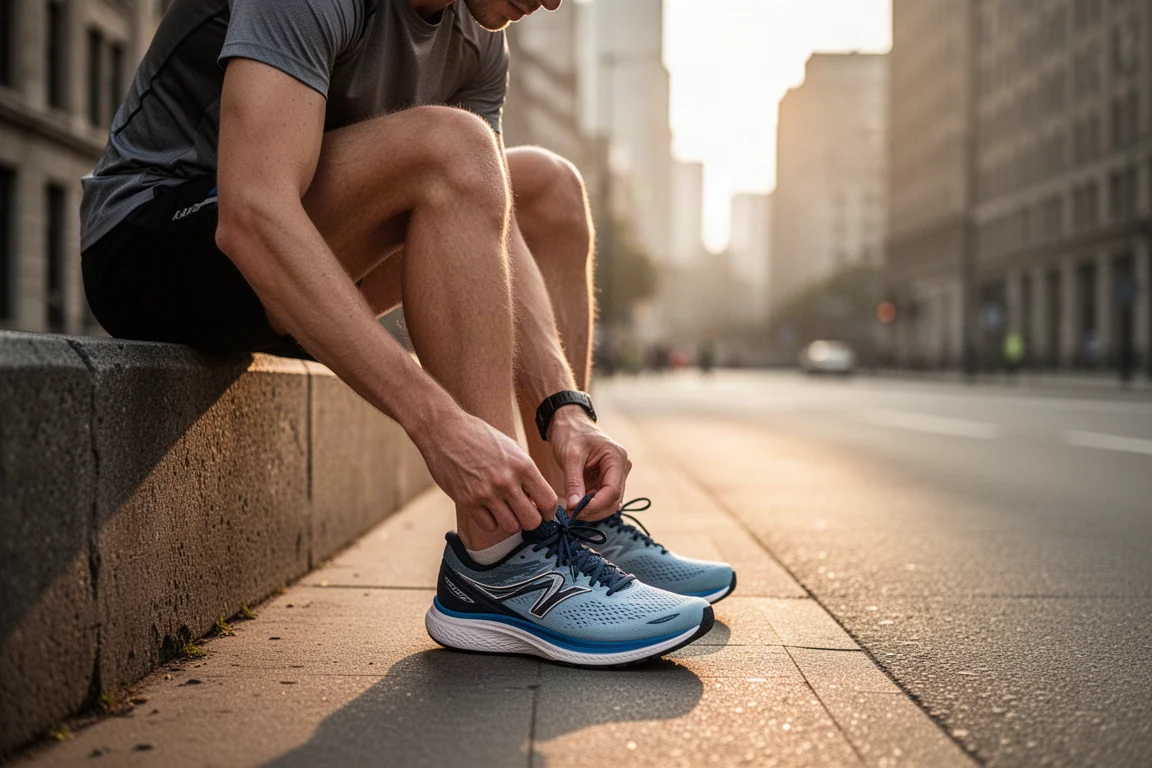
Stack heights tell the bigger story. The Tempo is a max-stack shoe with 45 mm at the heel dropping to 37 mm at the forefoot for an 8 mm drop. The Evo SL sits much lower at 39 mm heel and 33 mm forefoot, giving it a 6 mm drop and a leaner overall feel.
Design and Construction
The Kipstorm Tempo uses a knit upper with a tongue closely integrated into it, giving an almost bootie-style fit. Padding at the back of the shoe is modest, but a slightly unusual plastic heel clip wraps around the rear to add stability. The midsole layers two foams: a thicker top layer of Fast Tech Plus, an aliphatic TPU foam, over a base of compression-molded EVA that adds rigidity, stability and durability. A rubber outsole covers most of the forefoot with strips running to the rear.
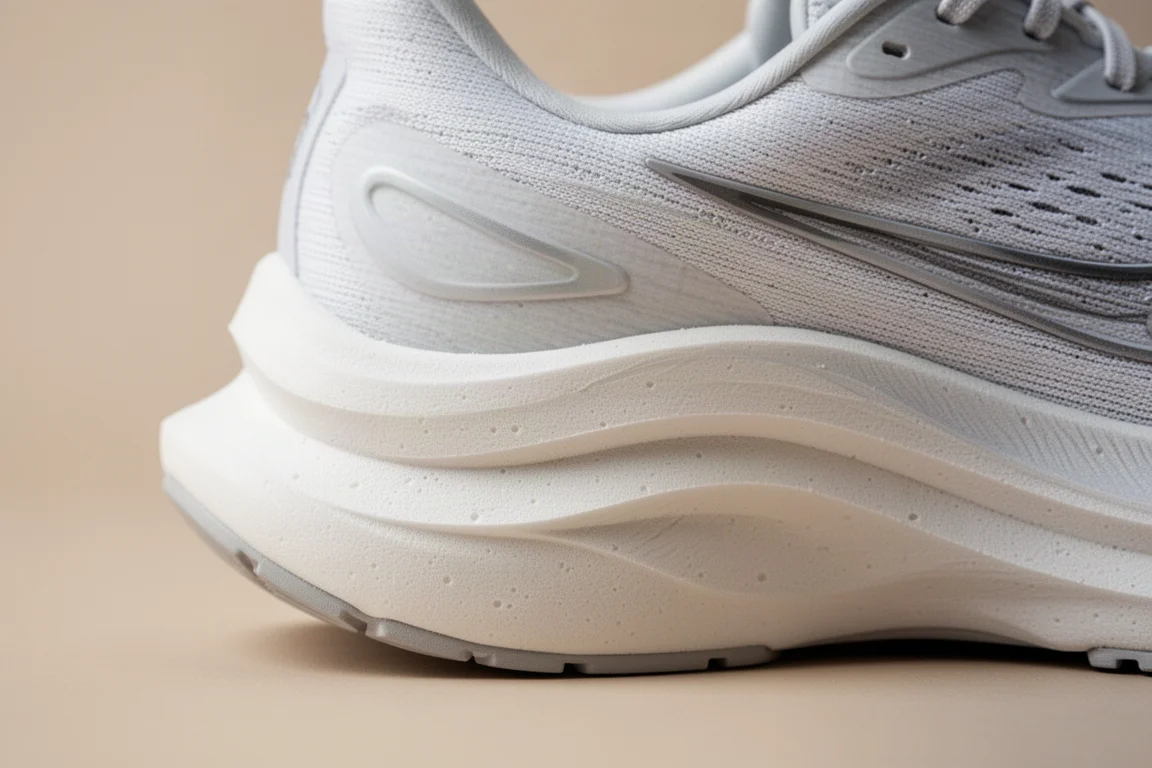
The Evo SL goes the other way with a lightweight, minimal mesh upper and just a little padding around the heel. Its midsole is made from Adidas’s Lightstrike Pro foam, a very bouncy material, and a nylon shank around the midfoot adds stiffness. The outsole combines Continental rubber over the forefoot with clear rubber strips at the back.
Fit and Sizing
Sizing runs in opposite directions for these two shoes. The Kipstorm Tempo fits quite large, with plenty of forefoot room, so going down half a size is the safer bet. The upper is forgiving and comfortable once locked down, though the lacing routing through the tongue can feel odd at first and getting a secure midfoot hold takes a bit of adjustment. The plastic heel clip raised initial concerns, but it has not caused any problems in testing.
The Evo SL is the reverse: it runs small. A normal size proved too tight with toes touching the end, and going up half a size solved it completely, with no rubbing over around 150 km of use. Some runners report being fine at true size, so trying both is worthwhile. Once the length is right, the upper is very well executed, with nice padding and a thin but effective tongue.
Ride and Performance
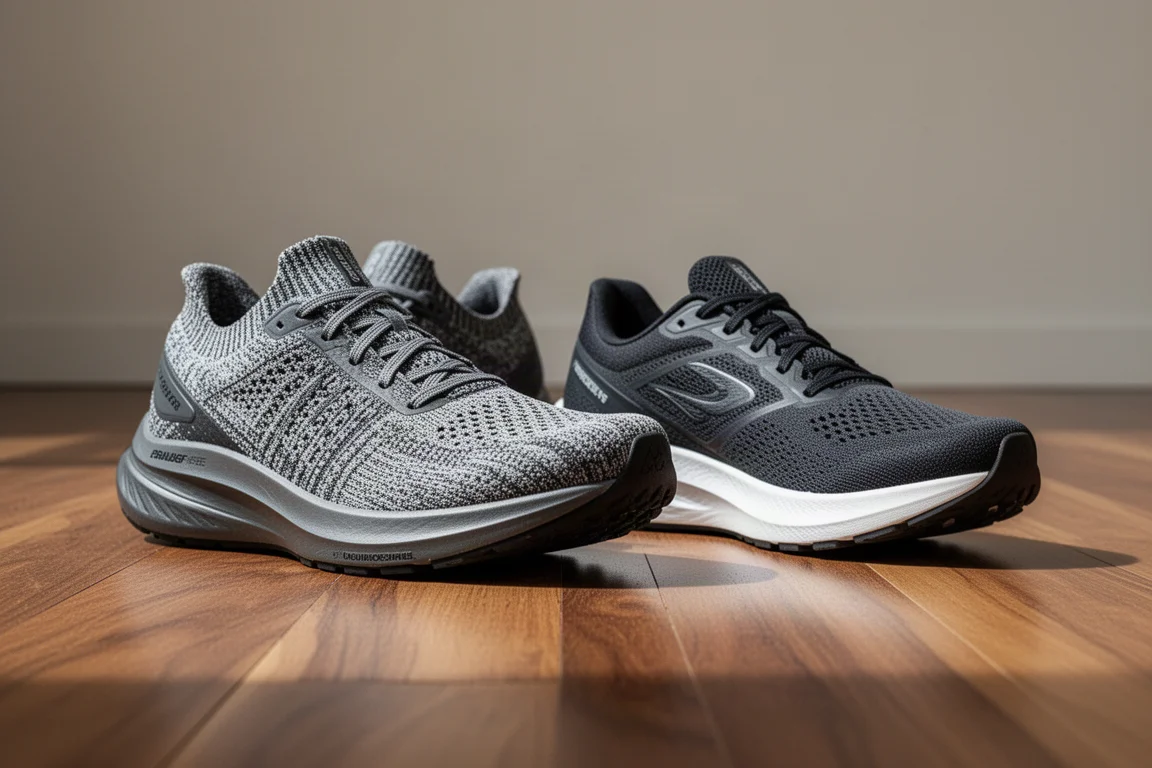
The Evo SL is the nimbler, lighter, leaner shoe, built more directly for speed. It shines in fast track workouts, tempo runs and anything pace-focused, with a very bouncy, soft-feeling midsole and an aggressive forefoot rocker that turns over quickly. It also handles easy and steady running and long distances happily, though it is not the most stable shoe: there is a cutout on the medial side and the platform is not particularly wide, which some runners find too unsettled for pure easy days.
The Kipstorm Tempo is clearly the more cushioned option, following the modern high-stack super trainer formula. Its foam feels firmer than the Adidas setup but still soft and comfortable, and it rolls along beautifully at easy paces. The transition is surprisingly smooth and fast for a shoe that looks this big, working well for short-rep workouts and even a 15-mile long run. There is a real sense of running quicker than the effort suggests. It also feels a touch more stable than the Evo SL despite the max stack, with less of a tendency to roll inward.
Which One Should You Buy?
As an all-rounder, both shoes could plausibly be your one-shoe solution, but the Tempo edges it for most people thanks to extra cushioning and stability for easy runs while still feeling quick at higher speeds. If you want a pure speed shoe for track sessions, the Evo SL does that job better: it is lighter and turns over faster. It also suits runners who prefer a lower stack but still want super-trainer versatility.
For marathon rotations and long-rep workouts, the Tempo is the stronger pick, offering more protection while staying genuinely quick. It also wins for anyone wanting more stability and cushion overall. That said, many runners will happily own both, since the strengths are separated enough to justify a place in the same rotation, and the value proposition on both, particularly in the UK, makes that an easy decision.

Conclusion
These are two of the best value performance trainers available, and neither is a compromise purchase. The Adidas Evo SL is the bouncier, softer, more versatile speed option that makes every run feel faster, while the Kiprun Kipstorm Tempo delivers a smooth, cushioned, stable ride that excels at tempo efforts and long sessions. Pick the Evo SL for speed and lower stack, pick the Tempo for cushioned everyday volume, or pick both and cover every run on your calendar.
Product link
View more details for Kiprun Kipstorm Tempo
This product is mentioned in the review. Check the specifications, options, and compatibility before buying.
View more details for Kiprun Kipstorm TempoFurther reading
Related Reviews

Running Shoes
Best Road-to-Trail Running Shoes: Three Versatile Options for Mixed Terrain
A practical guide to three road-to-trail running shoes that handle both pavement and mild trails, with clear strengths and trade-offs for different runner types.

Running Shoes
Best Running Shoes for Achilles Tendonitis: Three Options Explained
Three running shoes with different heel drops and support features designed to help reduce Achilles tendon pain during walking and running.

Running Shoes
Best Running Shoes for Women: Five Top Choices Ranked
A ranked guide to five women's running shoes, from versatile daily trainers to high-performance racing options, with real strengths and trade-offs for each.