Running Shoes
Kiprun KD900X LD Plus Review: A Fast Training Shoe That Asks a Lot at £200
Decathlon's long-distance carbon plate racer delivers cushioning and durability, but the ride feels flatter and the price sits closer to the best shoes than it should.
Introduction
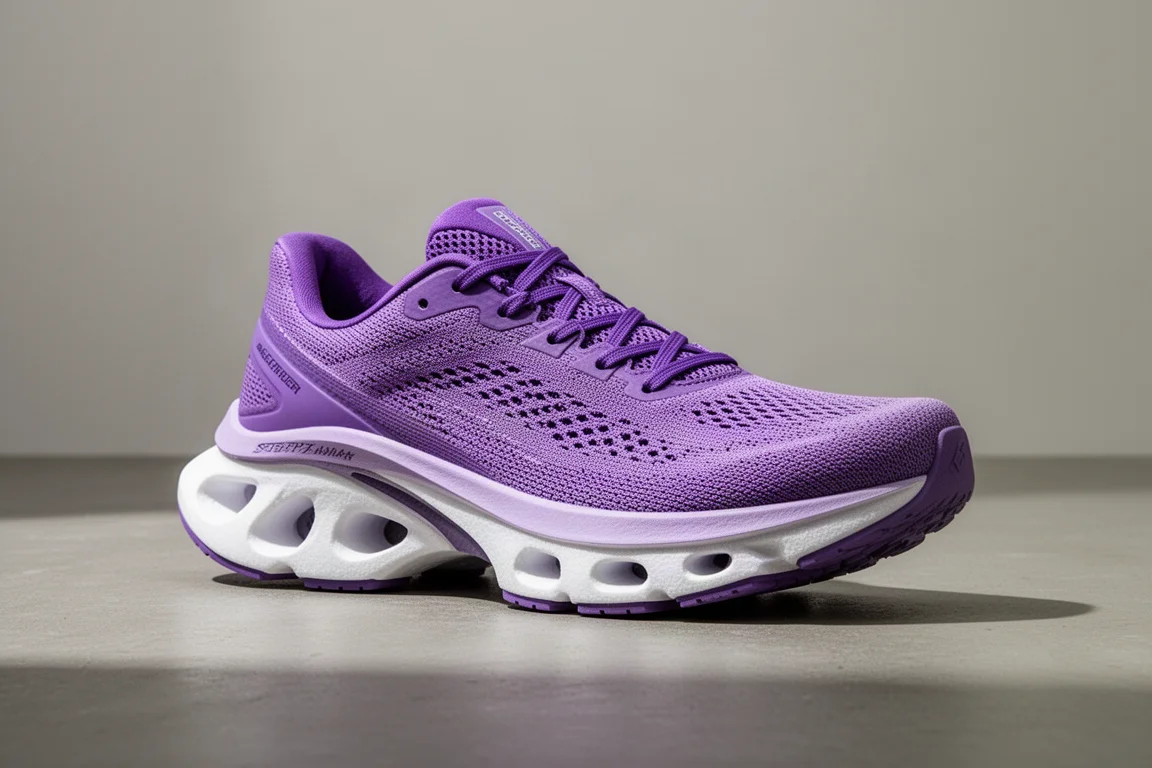
The Kiprun KD900X LD Plus is the long-distance focused carbon plate racing shoe from Kiprun, Decathlon’s in-house running brand. On paper it looks like a serious contender: a full-length carbon plate, a tall 39 mm heel stack and a price of £200 or £220, which undercuts much of the carbon racing market. It sits at the top of Decathlon’s racing range, though the newer KD900 Lab now occupies the ultra-lightweight slot for shorter events.
The question we set out to answer after around 30 km of testing is whether this shoe earns its place in a market where established brands are moving fast, sometimes at the same price or less.

Design and Specs
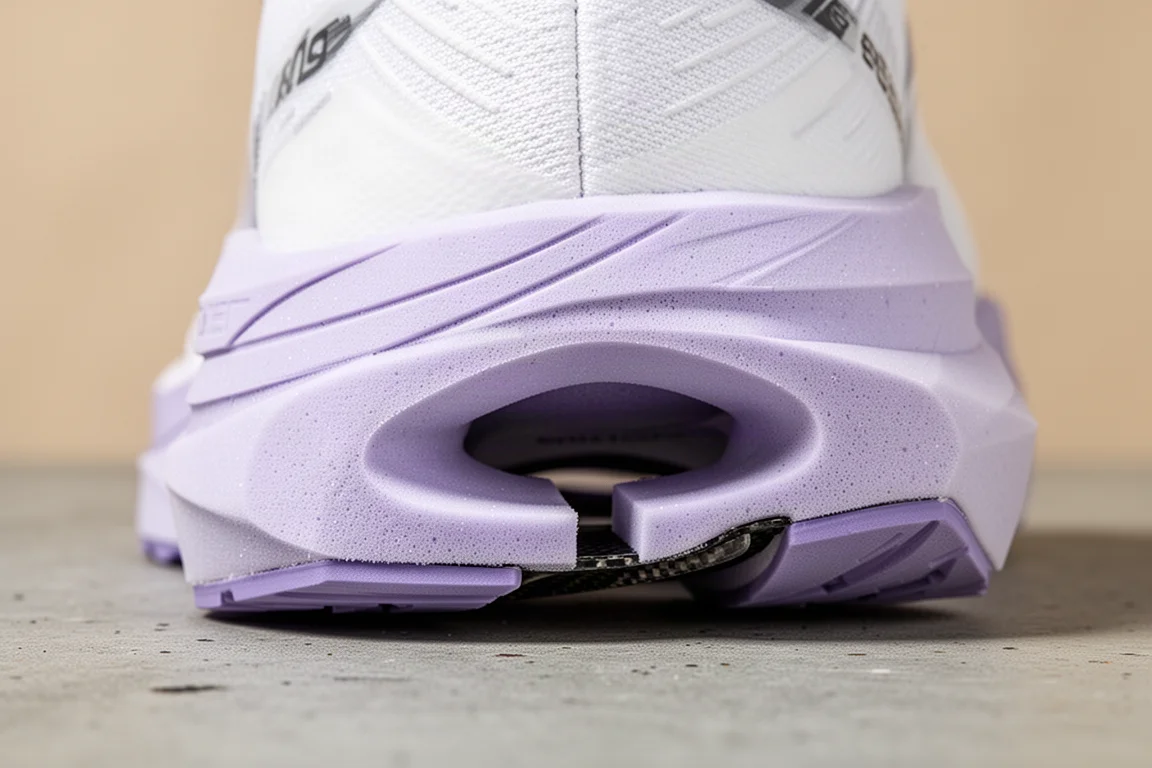
The KD900X LD Plus weighs 240 g (8.5 oz) in a UK 8.5 and carries a 4 mm drop, with 39 mm of stack at the heel and 35 mm at the forefoot. The midsole uses a blended foam called Voam Plus, mostly PEBA-based, with more of that compound than previous Kiprun 900 racing models. A full-length carbon plate runs through the midsole, paired with a distinctive mid-foot cutout and a very pronounced rocker.
The outsole is rubber with the kind of coverage you expect from a modern racing shoe: extensive forefoot coverage plus a couple of strips at the back to protect the heel. The mesh upper feels stiff and plasticky with minimal reinforcement around the rear of the shoe, very much a lightweight racing-first design.
Fit and Sizing
Sizing is the first thing to get right here. Our tester’s normal size came up genuinely roomy and a little too long through the forefoot, which created a slight disconnect in toe-off and made the ride feel less compact. Going half a size down produced a better, more secure fit.
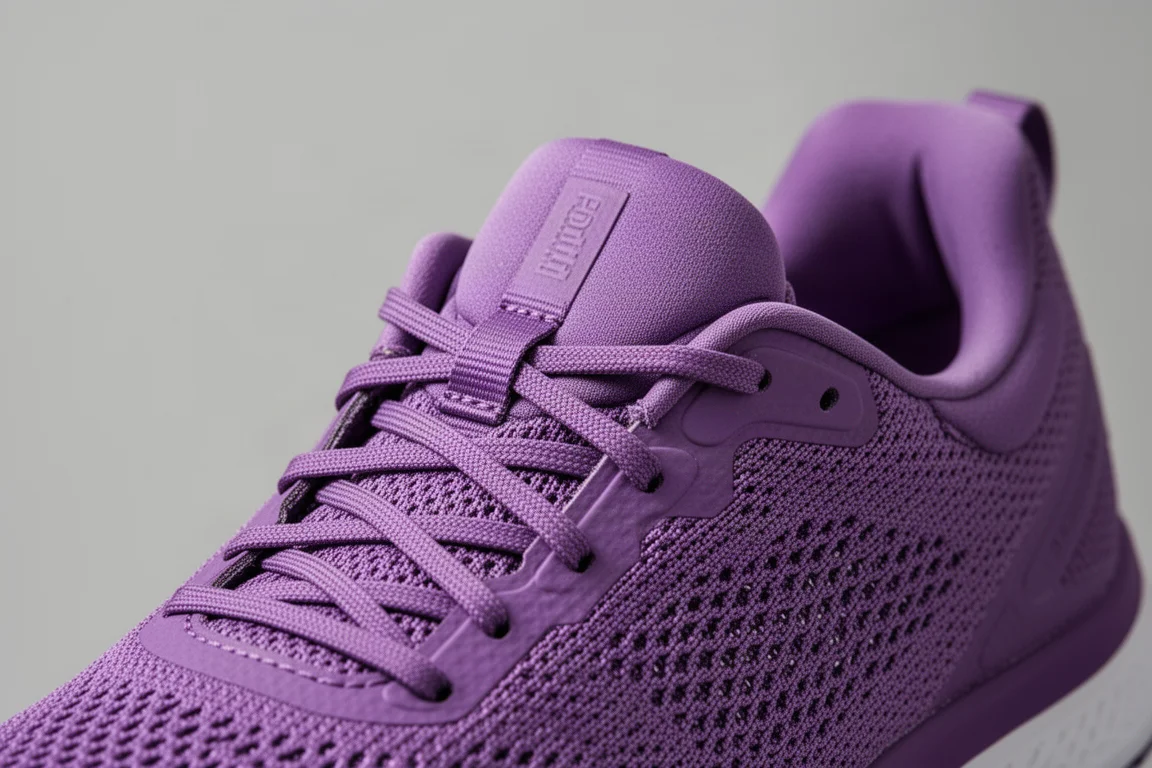
Even dialed in, the upper is not the most comfortable. It is rigid and occasionally scratchy, particularly the stiff plastic overlay around the midfoot, which occasionally rubbed the top of the foot. It never caused a major problem during testing, but you stay aware of it, and for a marathon shoe you want the upper to disappear on your foot. The upside is that it is lightweight and should prove fairly durable.
Ride and Performance
The midsole serves up cushioning, some bounce and a stable, reliable platform. It is easy to run in at slower paces and it takes the edge off the road well. But it is soft without being lively: it lacks the stiffness that gives shoes like the ASICS Metaspeed Sky Paris or Brooks Hyperion Elite 4 PB their snap, and it does not deliver the pronounced rebound of mega-bouncy shoes like the Adidas Adizero Adios Pro 4 or Saucony Endorphin Elite 2. Landings feel dense, transitions are quick but not snappy, and the push off the forefoot is muted for such an exaggerated design.
Testing covered marathon pace runs, 5K pace efforts on the track, K reps at alternating paces and a long progression run up to 90 minutes, all on the road during London Marathon build-up. Performance was there: the paces and effort levels matched what you would expect from a carbon plate shoe. It coped admirably at 10K pace. The issue is that it never felt faster than the sum of its parts. It is a fast, durable shoe that works well as a super trainer or fast daily trainer, but it does not serve up the full race-day energy that defines the very best carbon racers.
At 240 g in a UK 8.5, it also sits at the upper end of the weight spectrum for a modern racing shoe, at a time when most of the competition has moved lighter.
Price and Competition
This is where the shoe struggles most. At £200 or £220, it is no longer a bargain alternative. The Brooks Hyperion Elite 4 PB and Puma Deviate Nitro Elite 3 are £200 or less, and both are lighter, more responsive and faster while still holding up to heavy training. The ASICS Metaspeed Sky Paris, the tester’s favourite racer, costs around £20 more and justifies the premium. Even last-generation shoes are heavily discounted, and the Nike Vaporfly 4 has already been reduced to £200, matching this shoe’s price.
Kiprun’s traditional formula was solid performance at a much more affordable price. That value gap has closed. The shoe is effective, but at this price you are now comparing it head-to-head with the best rather than undercutting them, and it falls just short of that level.
Verdict: Who Should Buy It
The KD900X LD Plus is a pretty effective racing shoe and an even more convincing fast training shoe. It is stable, cushioned, durable and easy to run in across a range of paces, and it will handle a lot of hard mileage.

Buy it if you want a single shoe that can absorb fast training blocks and still carry you comfortably through a 4-hour-plus marathon with some energy in reserve. Look elsewhere if you are chasing a marathon PB: the very best carbon racers deliver more speed and better uppers, and several cost the same or less. If the price were knocked back down to previous levels, this would be a far more compelling budget option. As it stands, the price-to-performance ratio does not quite stack up.
Conclusion
The Kiprun KD900X LD Plus is a fast, durable and stable carbon plate shoe that works well for fast training miles, but it sits a tier below the best racers in its price bracket. The stiff, scratchy upper, the heavier weight and the flatter-than-expected ride all add up to a shoe we wanted a little more from. It can race, it can run fast, and some runners may get even more out of it than we did, but it is not our first pick in the carbon plate market at this price.
Product link
View more details for Kiprun KD900X LD Plus
This product is mentioned in the review. Check the specifications, options, and compatibility before buying.
View more details for Kiprun KD900X LD PlusFurther reading
Related Reviews
Running Shoes
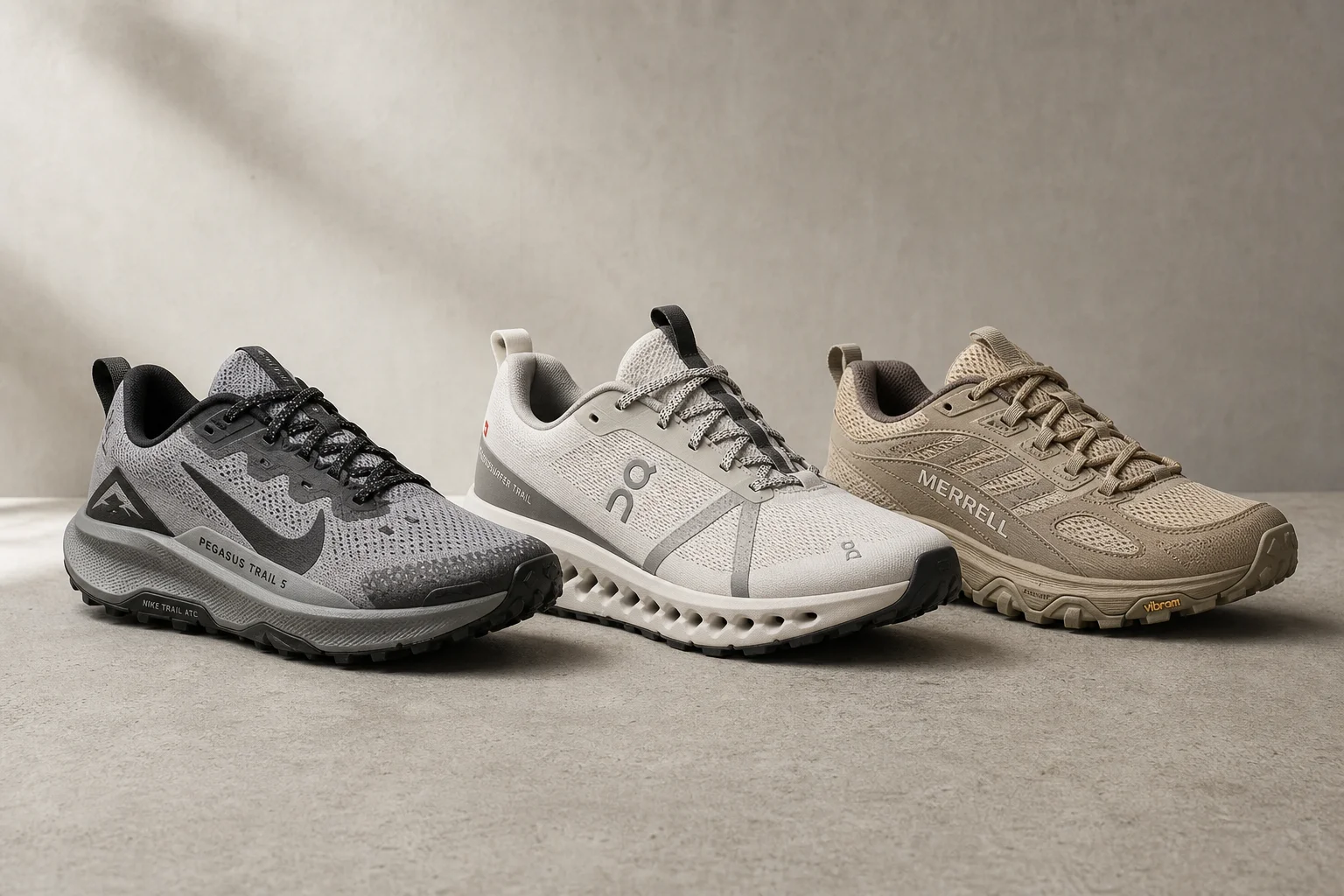
Best Road-to-Trail Running Shoes: Three Versatile Options for Mixed Terrain
A practical guide to three road-to-trail running shoes that handle both pavement and mild trails, with clear strengths and trade-offs for different runner types.
Running Shoes
Best Running Shoes for Achilles Tendonitis: Three Options Explained
Three running shoes with different heel drops and support features designed to help reduce Achilles tendon pain during walking and running.
Running Shoes
Best Running Shoes for Women: Five Top Choices Ranked
A ranked guide to five women's running shoes, from versatile daily trainers to high-performance racing options, with real strengths and trade-offs for each.