Running Shoes
Kiprun KD900 First Run Review: A Lightweight Speed Trainer With Real Value
Decathlon's Kiprun KD900 pairs Pebax foam with no plate for a versatile, speed-focused trainer. Here's how it performed on a first progression run.
Intro
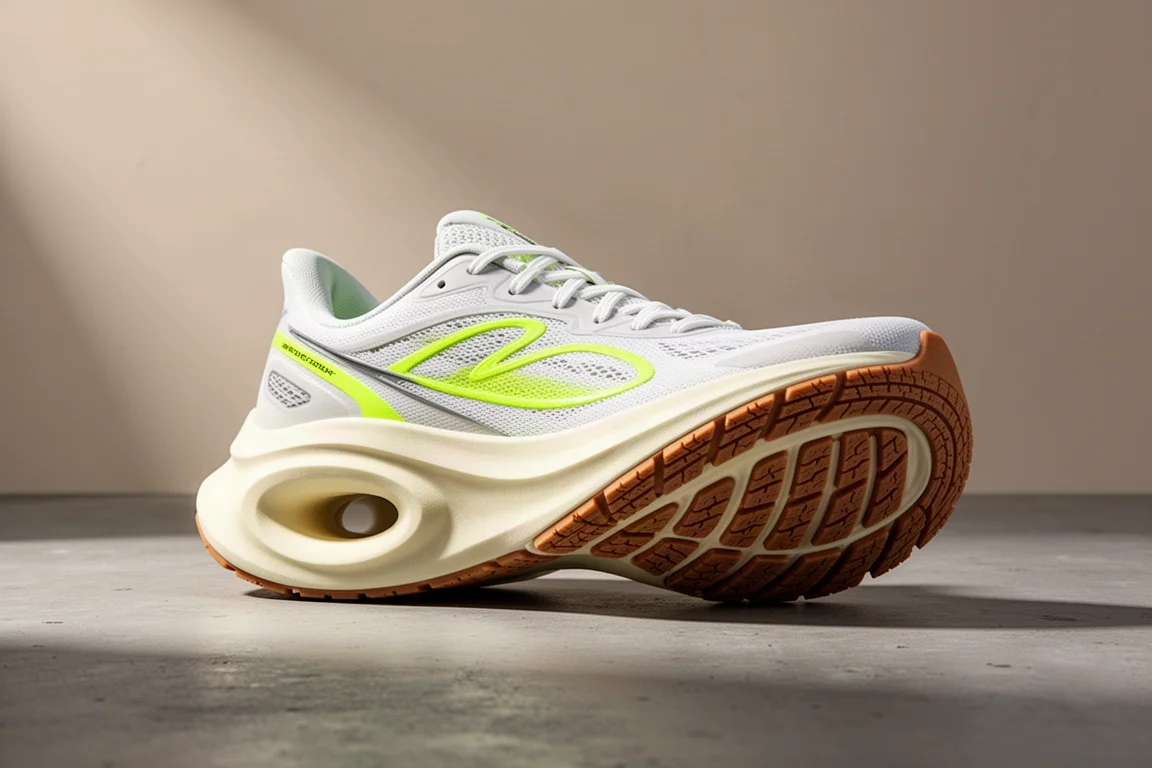
The Kiprun KD900 was originally positioned as the training partner to Decathlon’s first carbon plate shoe, the KD900X. It uses the same Pebax foam in the midsole as that carbon racer, but with no plate at all, making it a lightweight, speed-focused trainer with a bit of everything. It’s priced at £100 in the UK and $120 in the US, though it doesn’t currently appear on the US Decathlon website. This first-run review covers how it handles a classic easy-to-steady progression run and whether the value case holds up.

Key Features and Design
The headline feature is the Pebax midsole. Decathlon calls it V-Foam, made with Pebax Arkema in France, and it’s a fairly firm Pebax foam compared to others on the market. You don’t get the big squishy feel of some Pebax foams, but the trade-off should be durability: Decathlon claims the shoe will last 1,000 km, which is a strong promise.
At 238 g (8.4 oz) in a UK size 9, with an 8-mm heel-to-toe drop and a well-over-30-mm heel stack, the KD900 has plenty of cushioning on board. A distinctive donut shape at the heel is designed to maximize energy return, and the outsole offers great coverage with very little exposed foam, using a rubber inspired by tire tread for grip in wet conditions.
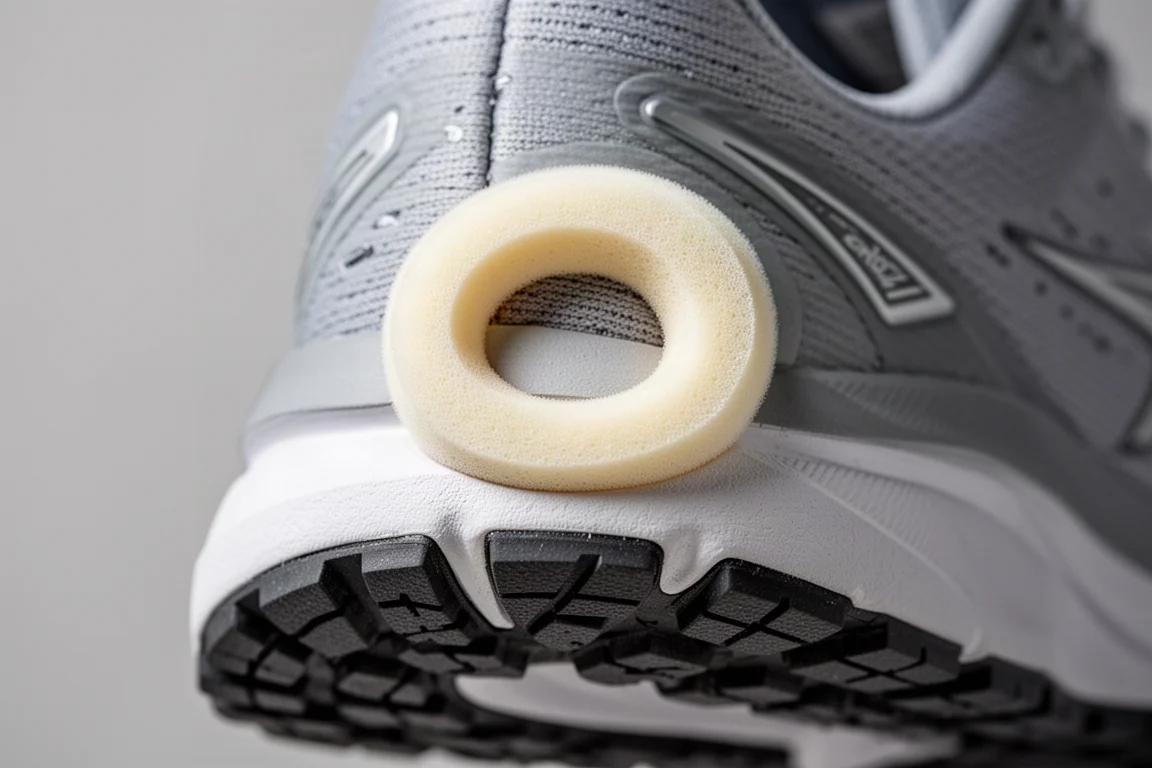
The upper is lightweight and quite stiff-feeling, with minimal padding beyond a little around the heel and on the tongue to stop lace bite. It keeps weight down while still holding the foot securely.
Fit and Feel On the Run
In a normal UK 9 (US 10 / EU 43.5), the fit is roomy and quite long. There’s a secure hold at the heel and midfoot and enough toe box room without feeling oversized. Overall, a comfortable and reliable fit in your usual running shoe size.
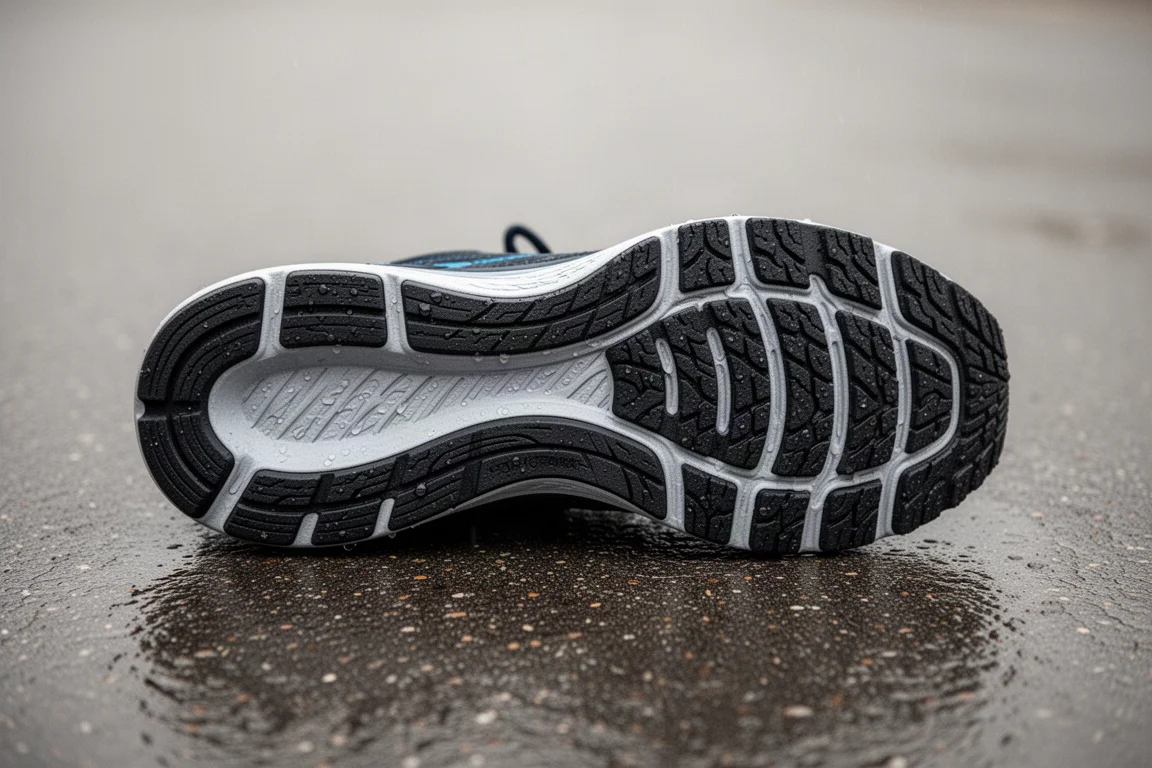
On a 5-mile easy-to-steady progression run, the shoes felt better than expected. They’re less firm than the plated KD900X and more comfortable at easy paces, with a bit of squidge from that big mound of Pebax at the heel. As pace picked up, they firmed up nicely, and the pace was certainly there: it’s very easy to pick up speed in them, with the firm platform and foam bounce supporting a fast turnover. There’s no real rocker, so you snap through cleanly, and ground feel is good. The one caveat is that toe-off pop from the front of the shoe is less pronounced than in some other Pebax or speed-focused shoes.
How It Compares to Other Value Trainers
At £100, this is a good price, though not the standout value Decathlon is usually known for. The Puma Velocity Nitro 2, at a similar price, is built more for daily training with a softer feel and more comfort for easy runs, though it still has some pace. The Reebok Floatride Energy 5 is even cheaper, also daily-trainer oriented, with a similarly firm midsole feel; the Kiprun offers a bit more bounce so far and is much lighter than both, giving it an edge if speed focus matters more.

The open question is sustained pace over long distances. Training partner shoes like the Saucony Endorphin Speed 3 and Puma Deviate Nitro 2 shine when holding a hard pace over an hour, and it remains to be seen whether the KD900 delivers that same sense of efficiency on longer runs. Early signs are good for versatility, though, and the foam may soften slightly over time as was seen with the KD900X.
Buying Advice
If you want a lightweight, speed-leaning trainer that handles daily runs and progression work well at a fair price, the KD900 makes a strong case. It’s not as outrageously bouncy or exciting as some modern-foam shoes, and at £100 there are genuine rivals in value, but it does the core training run just as well as shoes costing many times more.
Conclusion
The Kiprun KD900 gets off to a very solid start. It’s versatile, more comfortable at easy paces than its firm Pebax foam suggests, quick when you push the pace, and priced sensibly. The big remaining test is long-run comfort and sustained pace, which will tell us whether it truly competes with the best training partner shoes in its class.
Product link
View more details for Kiprun KD900
This product is mentioned in the review. Check the specifications, options, and compatibility before buying.
View more details for Kiprun KD900Further reading
Related Reviews

Running Shoes
Best Road-to-Trail Running Shoes: Three Versatile Options for Mixed Terrain
A practical guide to three road-to-trail running shoes that handle both pavement and mild trails, with clear strengths and trade-offs for different runner types.

Running Shoes
Best Running Shoes for Achilles Tendonitis: Three Options Explained
Three running shoes with different heel drops and support features designed to help reduce Achilles tendon pain during walking and running.

Running Shoes
Best Running Shoes for Women: Five Top Choices Ranked
A ranked guide to five women's running shoes, from versatile daily trainers to high-performance racing options, with real strengths and trade-offs for each.