Running Shoes
Kiprun KD900.2 Review: A Bargain Lightweight Tempo Trainer
A non-plated, low-weight trainer at around £120 that punches well above its price, with a few upper quirks to know about first.
Intro
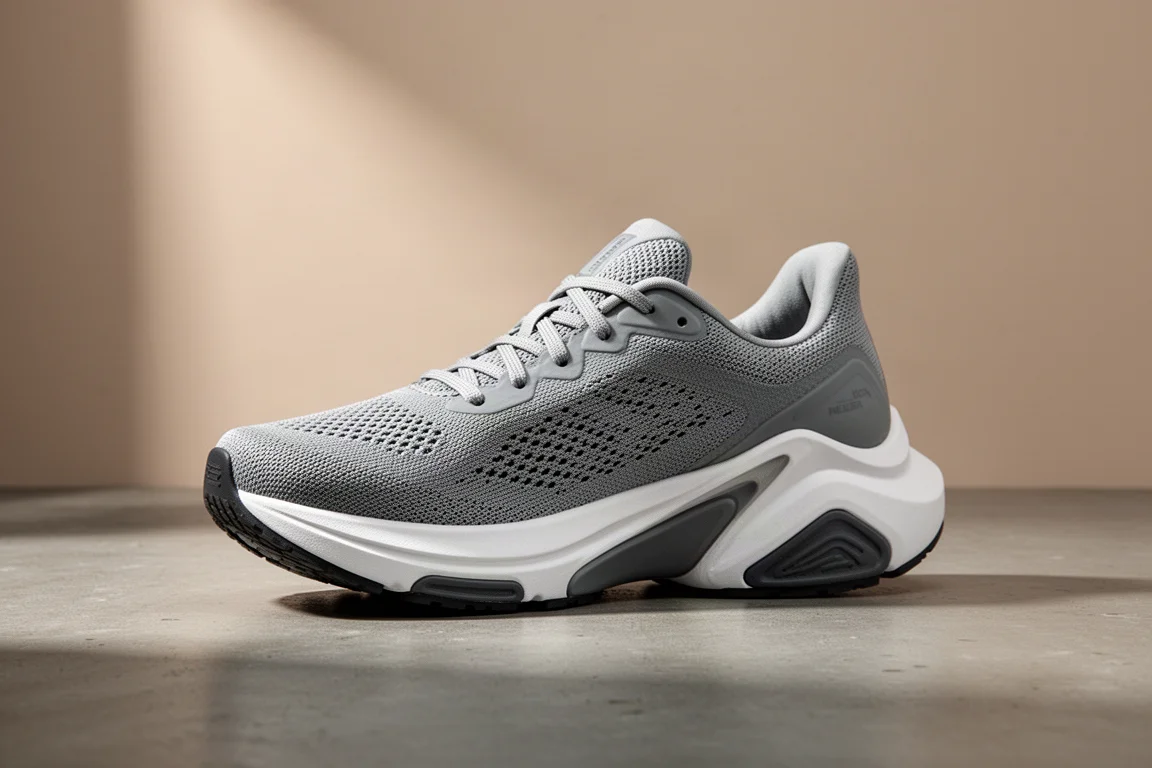
Kiprun, Decathlon’s running brand, released the KD900.2 as a non-plated, lightweight trainer, and it stands out as one of the best value running shoe options of 2024. At around £120, it offers a big stack, low weight, and an engaging ride that puts some far more expensive trainers to shame.
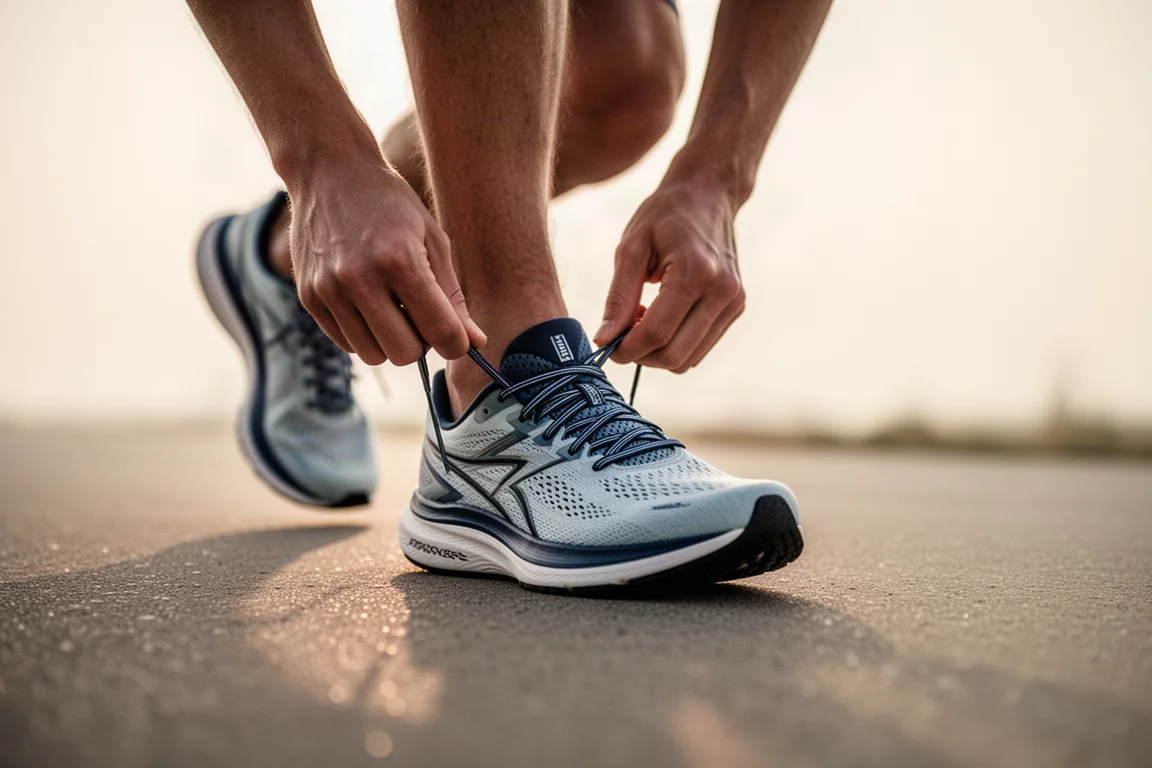
This review is based on initial runs in a UK 11 pair provided for testing. Here is how the shoe performed across fit, ride, grip, and value.
Specs and Fit
In a UK 11, the KD900.2 weighs 264g (9.3 oz), with a 42mm heel stack and 34mm forefoot, making for an 8mm drop. The sample size measured closer to 243g, matching Kiprun’s official figures. The forefoot is about 11.9cm wide and the heel about 8.5cm, so the platform is on the narrower side, closely resembling something like the Adidas Adizero SL2 in profile: a nimbler, narrower tempo trainer.
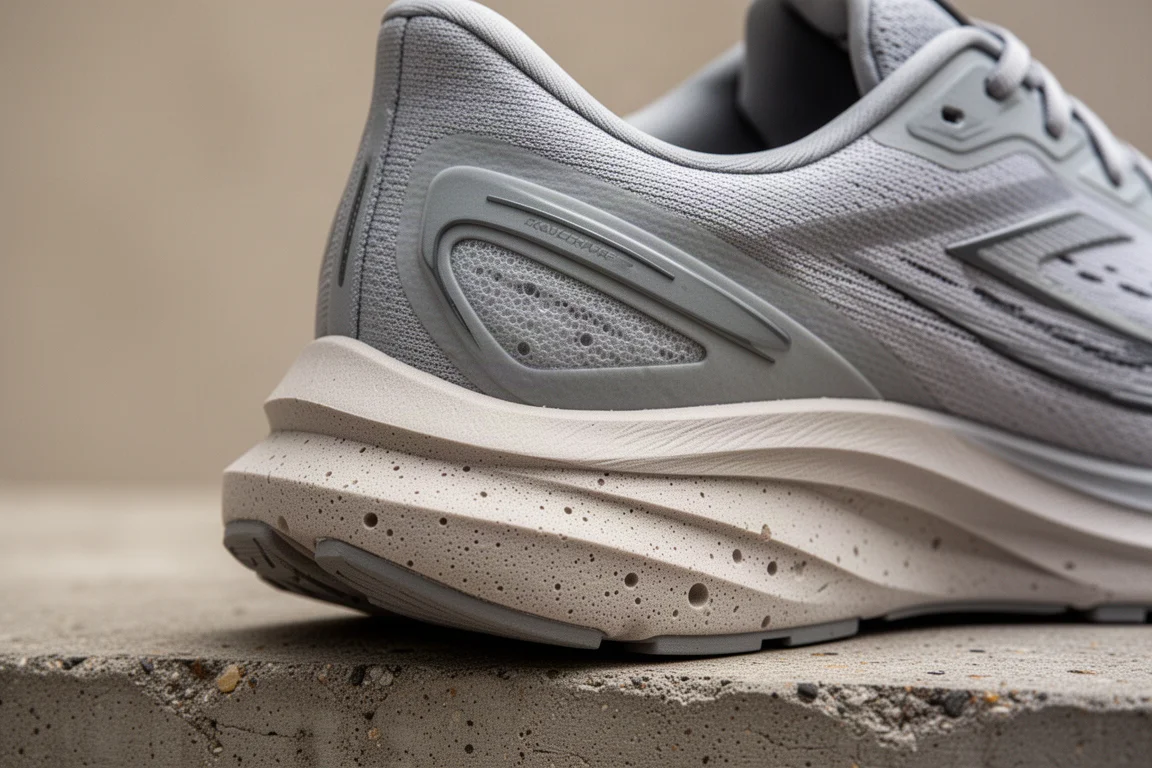
The upper is very flexible mesh, breathable and reasonably minimal, with no heavy overlays. Reinforcement comes from a plastic heel clip frame and a low-profile internal heel counter, and the heel fit is much better than the previous, more expensive KD900 model, with no heel slip or discomfort. Laces have enough flex for a good grip over the foot. A couple of quirks: there is an odd extra bit of material near the front of the toe box, and the shoe arrives laced strangely, so relacing improves lockdown noticeably. The tongue runs slightly long and can dig into the top of the foot; sliding it toward the lateral side solves the issue. The fit is true to size, racy and uptempo, which suits the shoe’s intent.
Ride and Performance
The midsole is an EVA and PEBA-based blend called V Foam, and it feels more compressive and rebound-like underfoot than the raw numbers suggest, along the lines of Puma’s Nitro foam. The ride is aggressive and engaging, with the midsole measuring around 30 Shore A, on the firmer, responsive side.

It feels best at 10K to half marathon pace, and it is light and responsive enough to get away with a 5K, though it seems most at home from 1K intervals up to 10K and half marathon efforts. At very high speeds you notice the lack of a plate. It also cruises fine at slower paces around 8:30 per mile and moves smoothly through the gears without forcing a change in stride. Despite the big heel stack, stability is solid, and cornering feels assured rather than wobbly. A midfoot shank could have added a bit more propulsion, but for the price the ride is hard to fault.
Grip and Outsole
The outsole traction is similar to past Nike Zoom Fly models, with three main rubber sections: a lateral crash pad stretching from midfoot to forefoot, and a tougher, thicker rubber piece in the heel that should help durability. The forefoot rubber with small stretch squares is reminiscent of the Vaporfly Next% designs, and cornering grip felt confident and assured.
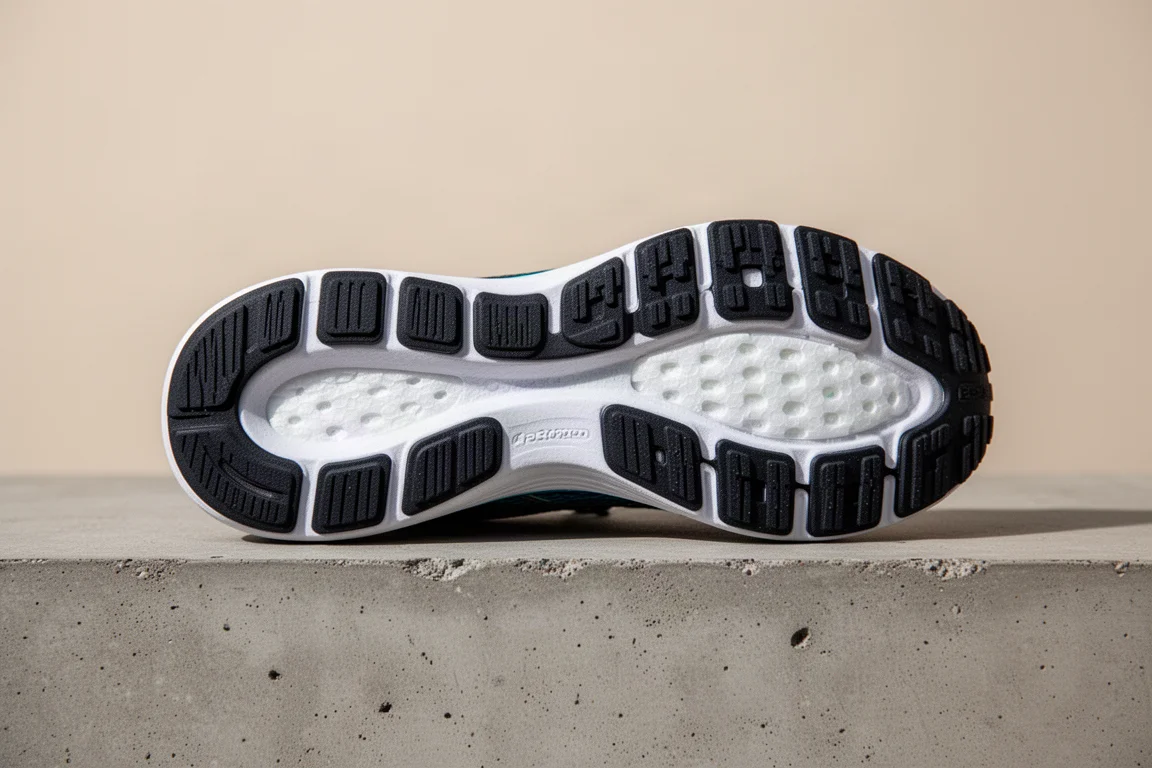
The smaller forefoot ridges collect grit quickly and are hard to clean, needing a fine bristle brush. There is also a midfoot section that barely touches the ground on a flat surface. With plenty of exposed midsole, this is a road and pavement shoe only; light trails would chew it up fast. Long-term durability is unknown, but the rubber feels on par with other tested compounds.
Value and Buying Advice
At £120, this is a genuinely great value shoe: light, bouncy, and more fun to run in than heavier, denser trainers that cost two to three times as much. It has less heft than a Nike Pegasus 41 and compares closely to the Adidas Adizero SL2, though the SL2 has a more traditional feel with more padding around the heel counter, and the KD900.2 is arguably just a shorter tongue away from beating it. Build quality is solid, with no glue issues or misaligned parts. If you want an uptempo, non-plated training and racing option closer to £100 than £200, this is an easy recommendation.
Conclusion
The Kiprun KD900.2 is the best Kiprun model tested so far: a low-weight, engaging tempo trainer with excellent value, held back only by a slightly long tongue, minor upper quirks, and the lack of a plate at top speed. For daily training with a racy edge, it makes a lot of sense.
Product link
View more details for Kiprun KD900.2
This product is mentioned in the review. Check the specifications, options, and compatibility before buying.
View more details for Kiprun KD900.2Further reading
Related Reviews

Running Shoes
Best Road-to-Trail Running Shoes: Three Versatile Options for Mixed Terrain
A practical guide to three road-to-trail running shoes that handle both pavement and mild trails, with clear strengths and trade-offs for different runner types.

Running Shoes
Best Running Shoes for Achilles Tendonitis: Three Options Explained
Three running shoes with different heel drops and support features designed to help reduce Achilles tendon pain during walking and running.

Running Shoes
Best Running Shoes for Women: Five Top Choices Ranked
A ranked guide to five women's running shoes, from versatile daily trainers to high-performance racing options, with real strengths and trade-offs for each.