Running Watches
Kiprun GPS 900 Review: Outstanding Value on the Coros Platform
Decathlon's Kiprun GPS 900 brings Coros software, an aluminum bezel and huge battery life to an under-£200 multi-sport watch. Here's what it does well and where it falls short.
Introduction
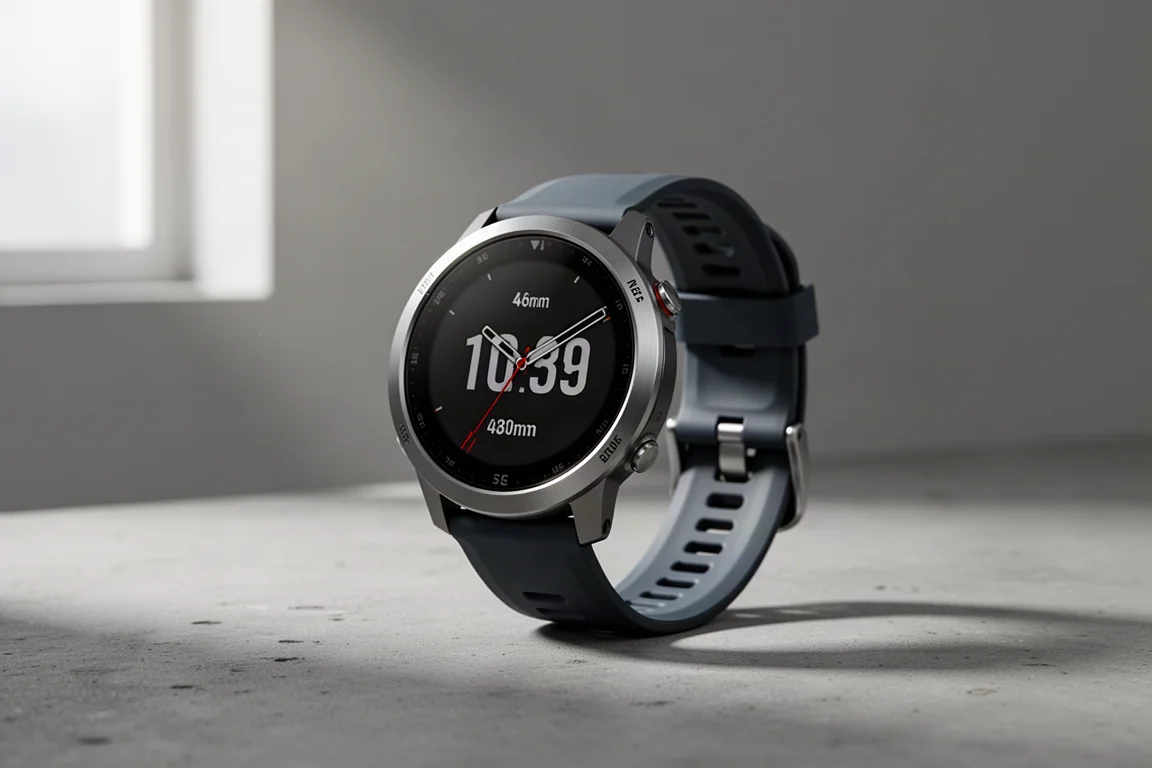
The Kiprun GPS 900 is Decathlon’s second watch built on the Coros platform, following the Kiprun GPS 500. Where the GPS 500 was based on the original Coros Pace, this one sits on the bones of the original Coros Apex, so you get a full multi-sport watch running Coros software and pairing with the Coros phone app.
It costs £199.99 in the UK and comes in just under 250 euros in Europe, which makes it one of the most interesting value propositions in running watches right now. It is not stuffed with the newest sensors or the flashiest screen, but it nails a lot of the essentials, and it does so at a price most rivals cannot match.
Design and Build
The review unit is the 46mm model with a 1.2-inch MIP display, weighing in at 58 grams. There is no touchscreen, and honestly that is not much of a loss: two side buttons do the work, one of which doubles as a rotating dial for scrolling through menus. The interface is exactly what you would find on a Coros watch, including access to the wide range of available watch faces.
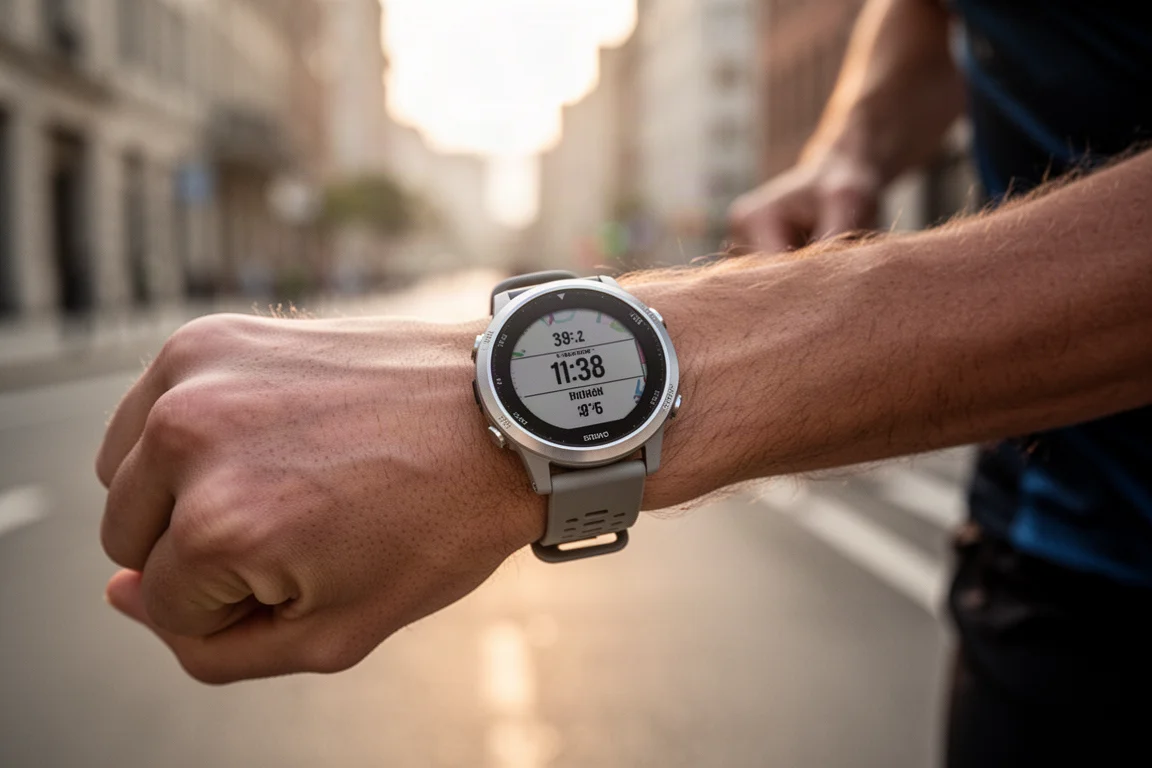
The bezel has been upgraded to aluminum, which gives the watch a more premium look than the all-plastic competitors you typically find under £200. The overall feel is a little plasticky in the body, but that keeps it light, compact and comfortable on the wrist, sitting nicely close even during long runs. The silicone strap uses a quick-release mechanism that is a bit fiddly but works, so swapping to a nylon strap is easy if you prefer.
A couple of practical notes: the screen is not the brightest, and it is not an AMOLED, but it is clear and easy to read outdoors and can show up to six stats per page. Also, if you have thin wrists, you may find yourself near the last strap loop when tightening for a run, so a smaller strap swap may be worthwhile.
Hardware and Features
The GPS 900 carries an optical heart rate monitor and a barometric altimeter, with 5 ATM water resistance. It lacks a pulse oximeter, ECG measurements and multi-band GPS, but it can connect to multiple satellite systems at once, including GPS, GLONASS, Galileo and QZSS, which is more than many watches at this price manage.
Breadcrumb navigation and a back-to-start feature are on board, which is unusual at this price point, along with a triathlon mode for full multi-sport use. External sensors pair over Bluetooth, but there is no ANT+ support, so check your strap compatibility first. Smart features are minimal, limited to phone notifications and sunrise and sunset times.
GPS Accuracy
GPS performance is solid rather than spectacular. This is essentially a previous-generation GPS setup: multiple satellite systems but no multi-band, so traces cut more corners and wander a bit more than the best watches on the market.
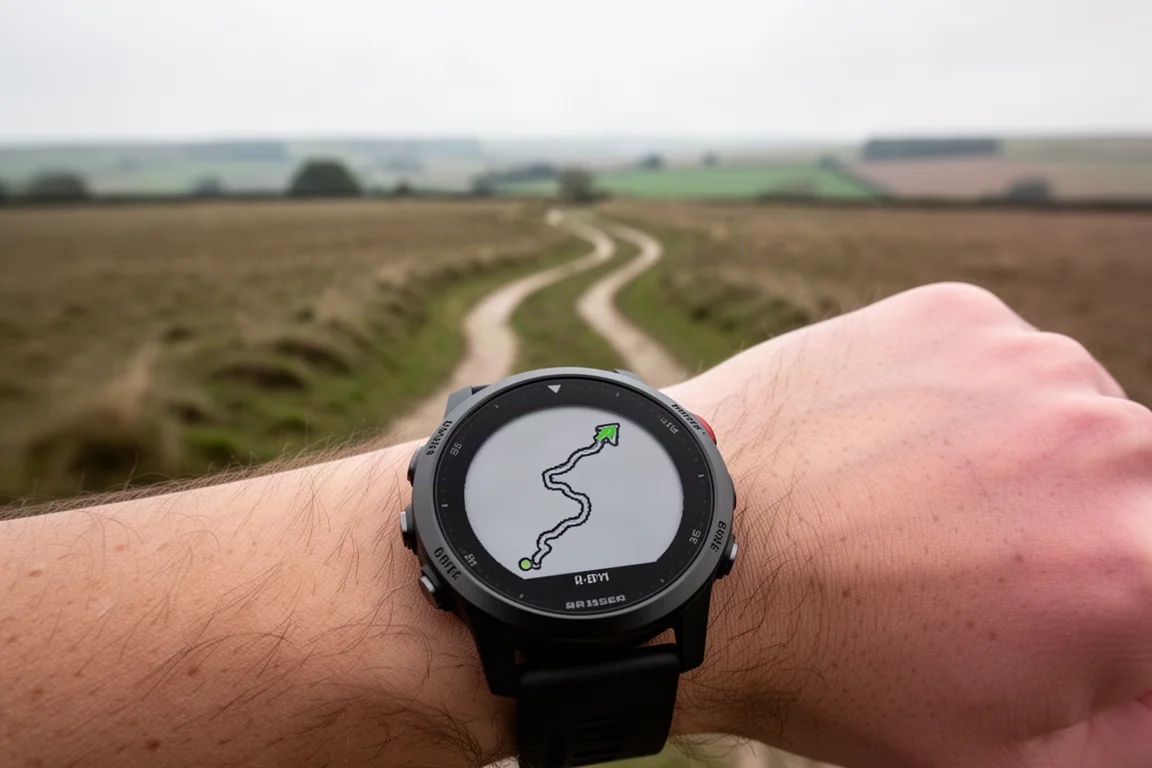
Testing against a much more expensive multi-band watch across urban runs among skyscrapers and a 20-mile open-sky desert run, the GPS 900 read slightly longer distances, but well within the margin you would expect between watches on different wrists. In built-up areas the trace drifted off the actual paths, though the reference watch was not perfect either, and in the wide open desert the two matched almost exactly.
The bottom line for most runners: distance and pacing are usable, lap alerts are close enough even when running hard, and only the most obsessive GPS-trace scrutinizers will feel shortchanged.
Heart Rate
Optical heart rate is the weakest link. In testing it showed the classic early-run problem, shooting very high and staying high for as much as a quarter of a run, apparently locking onto cadence. Once settled, readings tracked reasonably close to a reference watch and a chest strap, though the line was spikier and drop-prone.
There were several runs where it read completely the wrong zone, which skews training analysis and makes judging effort by heart rate unreliable. The sensible move, and the one the watch makes easy, is to pair a Bluetooth chest strap. Pairing is quick and simple, and because the watch is affordable, adding a strap keeps the total spend below many mid-range watches while giving you far better data.
Battery Life
Battery life is outstanding and a genuine headline feature. The claim is 35 hours of GPS tracking and up to 30 days of general use, and real-world use backs it up: 13 to 14 days per charge, including 15 hours of GPS activities, indoor workouts, notifications and vibration alerts.
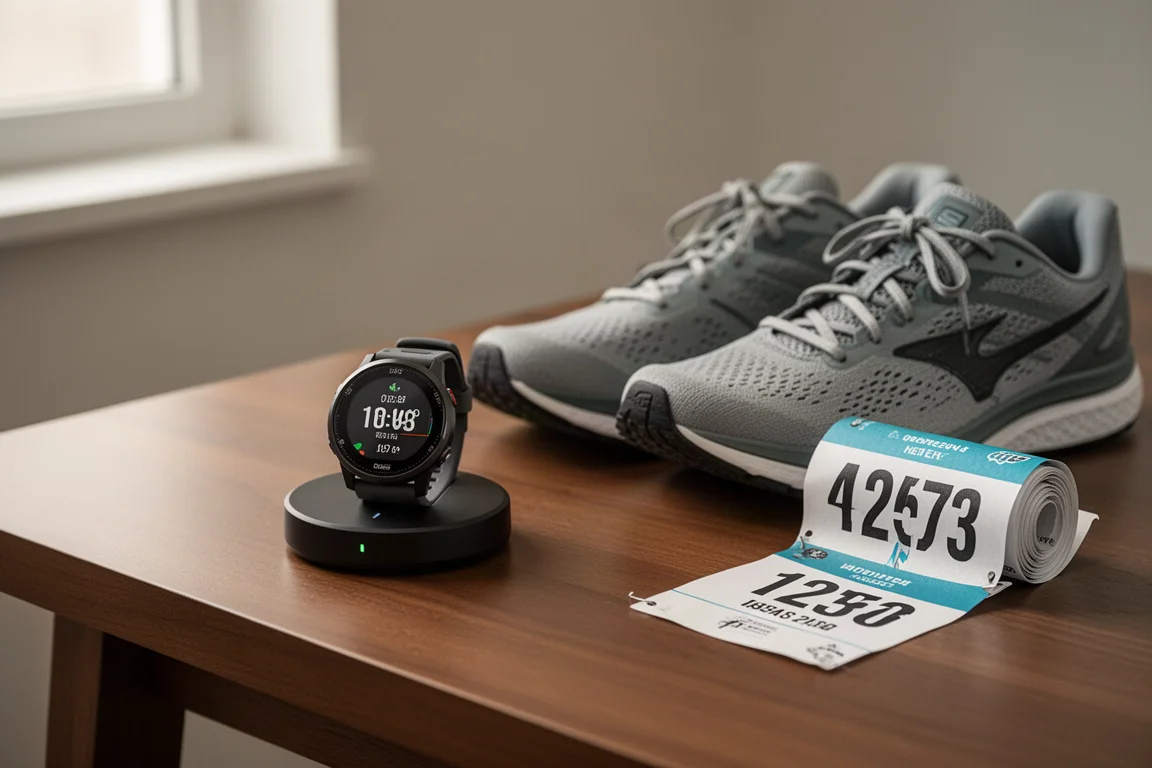
The per-activity numbers are just as good. A two-hour run consumed around 5% of the battery, and overnight drain was a mild 1 to 2%, so you will not wake up to a drained watch just from sleep tracking. There is also an UltraMax power-saving mode that stretches sport tracking to 80 hours. Heavy trainers training four or five times a week should still expect roughly a fortnight between charges.
Part of this efficiency comes from restraint: the screen is not an AMOLED, continuous 24/7 heart rate tracking is off by default, and there is no heart rate variability analysis. The watch sticks to the basics, and the basics last a very long time.
Training Analysis
Thanks to the Coros platform, the GPS 900 gets full EvoLab training analysis, something Coros makes available broadly across its range rather than tiering by price. You get training load, recovery time recommendations, predicted race times, a fatigue metric comparing load impact against your fitness base, and more.
The four-week load distribution screen is a genuine highlight, offering an at-a-glance color-coded view of how your training time splits across easy, moderate and hard intensity, which makes it easy to spot when your training balance is drifting the wrong way.
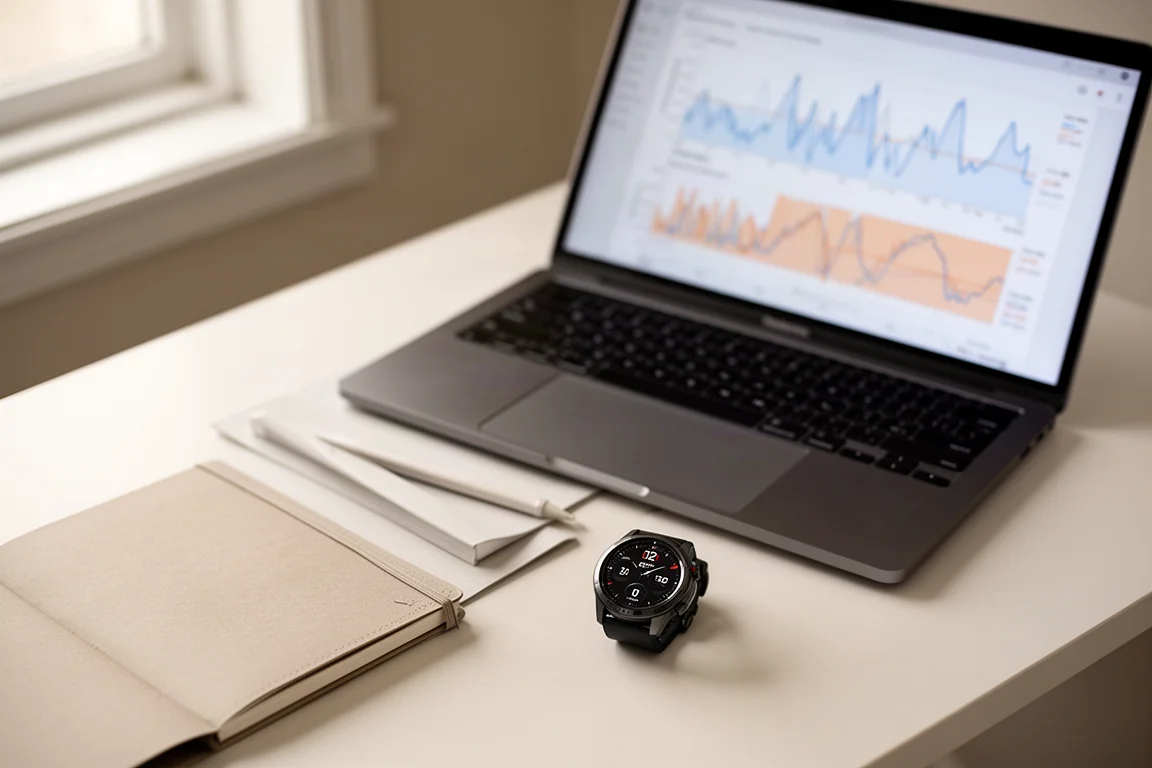
A word of caution: these metrics lean on heart rate data, so when the optical sensor misreads, the analysis inherits the error. Recovery time recommendations also proved optimistic, at one point declaring full readiness after a hard workout and, after a long-haul flight with one hour of sleep, calling the tester fully ready to train. Treat recovery predictions as a rough guide rather than gospel, and race predictions as slightly optimistic but broadly reasonable.
Activity and Sleep Tracking
Daily activity and sleep tracking feel like afterthoughts. Steps, active calories and sleep stages are all present and easy to use, but sleep and activity data do not feed into the training analysis, unlike some rival platforms where a restful day speeds up recovery.
Accuracy is also questionable. Step counts read markedly lower than a reference watch, and the sleep tracker recorded the tester as asleep while they were sat on the sofa two hours before bed. That said, sleep-stage tracking is imprecise on most sports watches, so this is not dramatically worse than rivals, just not a reason to buy.
How It Compares
Against the Coros Pace 2, the GPS 900 offers a nicer aluminum-bezel design at a similar overall experience, though the Pace 2 is cheaper and lighter. Against Coros’s own Apex 2 range, you give up better materials, multi-band GPS, maps and music, but those features are only partially developed there anyway; for maps and music done properly, Garmin’s higher-end models are the better spend.
Within the sub-£200 bracket, it is hard to find a direct rival. Most Garmins at this price are lighter plastic running watches, while the GPS 900 brings a metal bezel, crown navigation, triathlon mode, navigation and enormous battery life. Compared with the Kiprun GPS 500 (£130 in the UK), the 900 adds the aluminum bezel, barometric altimeter, breadcrumb navigation, more sports modes and 35 versus 25 hours of GPS, a well-pitched set of upgrades you will have to decide are worth the difference.
Things to Consider Before Buying
There are real omissions here. No touchscreen, no music, no mobile payments, no pulse oximeter, no ANT+, no multi-band GPS, and a screen that is not as vibrant as modern AMOLED panels. The overall package is a generation behind the newest watches.
Whether that matters depends on you. The reviewer considers multi-band GPS essential; many runners will not. If you want offline music, payments and a more polished interface, Garmin’s Forerunner 255 with music is a more complete watch, and even the cheaper Coros Pace 2 does much the same job for less.
Buying Advice
If you have £200 and no more, this is one of the best watches you can buy. It avoids the cheap-and-plasticky trap, looks and feels good on the wrist, and delivers reliable GPS, competitive battery life and broad training analysis for the money. Pair it with a Bluetooth chest strap and you have a genuinely capable training setup.
If your budget can stretch, the Garmin Forerunner 255 with music offers a stronger all-round platform for health, training and recovery. If you only want a pure sports watch and can live without the altimeter, navigation and extra battery, the Kiprun GPS 500 saves you money. But if you bought the GPS 900, disappointment is unlikely.
Conclusion
The Kiprun GPS 900 is a no-frills watch with solid simplicity: light, comfortable, good-looking for the price, with reliable GPS, okay optical heart rate, excellent battery life and training analysis that will suit most runners. It is not the most reliable on every metric and it lacks modern frills, but as a value proposition it is hard to argue with, and it will serve a lot of runners very well indeed.
Product link
View more details for Kiprun GPS 900
This product is mentioned in the review. Check the specifications, options, and compatibility before buying.
View more details for Kiprun GPS 900Further reading
Related Reviews
Running Watches
Coros Pace 3 Running Watch Review: Why Software Matters More Than Specs
The Coros Pace 3 prioritizes runner-focused design and intelligent software over expensive hardware. Here's why it outperforms watches that cost twice as much.
Running Watches
GPS Running Watch Accuracy Test: Seven Watches Compared Across Urban, Trail, and Race Conditions
We tested seven popular running watches from major brands in three different environments to find out which delivers the most accurate GPS tracking for distance and pace.
Running Watches
Garmin Forerunner 70 Review: Garmin's Cheapest Forerunner Is More Capable Than You'd Expect
The new entry-level Forerunner 70 brings an AMOLED screen, a fresh interface, and real training analysis for £219/$249, with a few trade-offs to weigh before buying.