Kitchen Appliances
Kenwood Cooking Chef XL Review: A Stand Mixer That Cooks, Weighs and Stirs For You
We put Kenwood's Cooking Chef XL through choux pastry, creme patissiere and risotto to see whether its induction heating, built-in scales and app-guided recipes actually make cooking easier.
Introduction
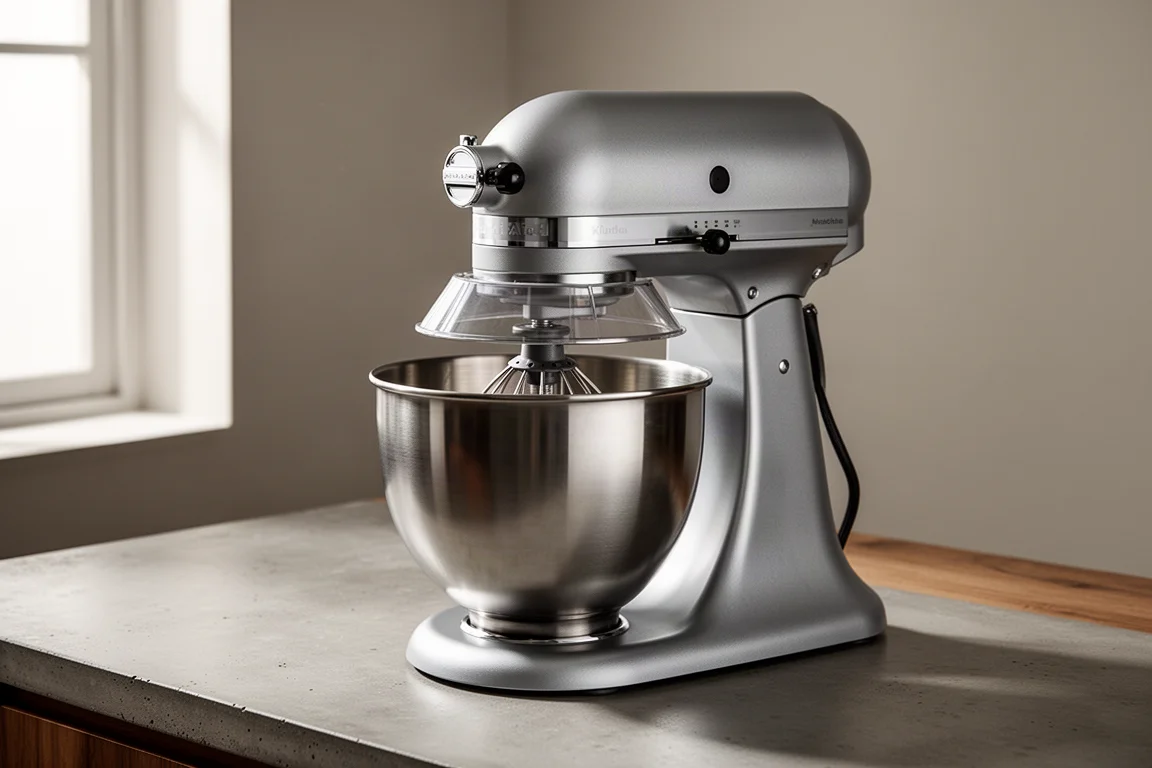
Some stand mixers mix, some claim to be chefs, and then there is the Cooking Chef XL from Kenwood, widely seen as one of the smartest mixers on the market. It is not just a mixer with a big motor. It combines a weighing scale, an induction heating element and smart connectivity to an app that feeds recipes and automatic instructions directly into the machine.
To find out whether the technology genuinely helps, we ran it through three very different recipes: choux pastry for profiteroles, creme patissiere for the filling, and a risotto, the dish most famous for demanding constant stirring. Here is what worked, what did not, and who this machine is really for.
What It Does Out of the Box
Straight away, it handles all the usual stand mixer duties: a large bowl, a beater, and a range of attachments, including blenders and food processors that mount on the top and other tools such as a pasta roller. But the “cooking” part is what sets it apart. The bowl sits on an induction hob, the built-in scales weigh ingredients directly into the bowl, and the app sends step-by-step instructions that the machine then executes automatically: temperatures, timings and stir speeds, all hands-free.
In practice that means you can walk to the other side of the kitchen and do the washing up while it works. When a step finishes, the machine beeps and the phone chimes, so you know it is time for the next stage.
Test One: Profiteroles and Choux Pastry
Choux pastry is not something most beginners jump into, and it is certainly not usually called easy. It normally involves heating water, milk, butter and salt in a pan, beating in flour, then transferring to a mixer to beat in eggs one at a time. The promise here is that everything happens in one bowl.
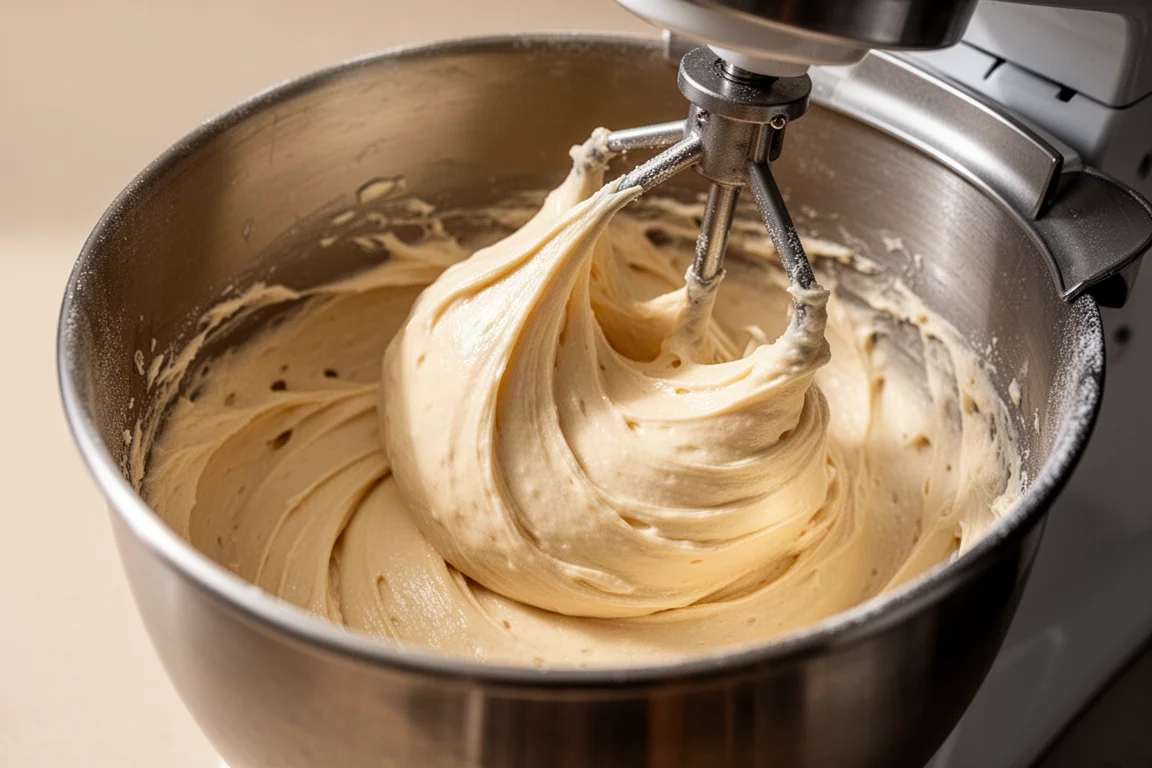
The preset recipe started with the creaming beater and the built-in scales, zeroing between each ingredient: 100 grammes of water, 20 millilitres of milk, 40 grammes of butter, a pinch of salt. The machine heated everything to 104 degrees Celsius with the splashguard fitted, then prompted us to add 80 grammes of bread flour and beat it for two minutes at speed three.
One behaviour worth knowing about: the machine follows its programmed cycle even once it hits target temperature, which means steam escaping and, in theory, losing some of the liquid you weighed so carefully. A trained cook would stop it early. The counterargument is that you can walk away and trust the programme.
The smartest touch came after the flour stage. The machine automatically dropped to a slow stir with the heat off to cool the paste down before the eggs went in, so they would not scramble. It is genuinely thinking through the science of baking for you.
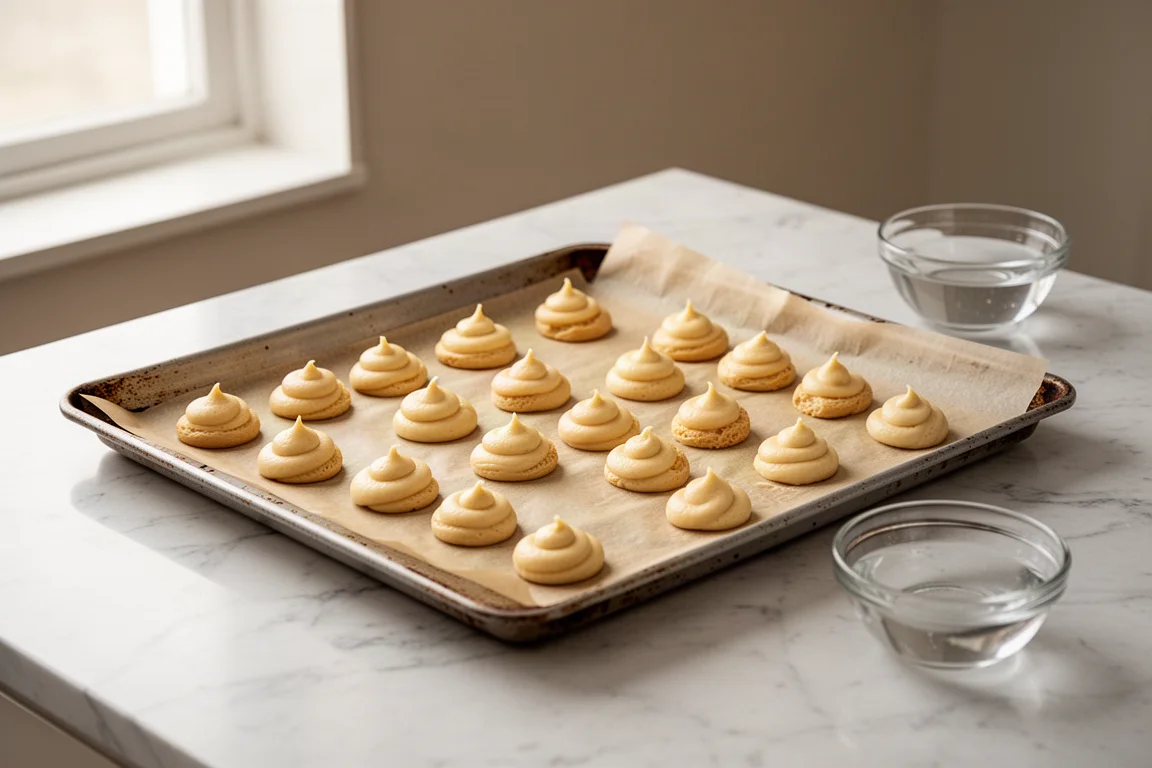
The finished paste had a perfect consistency but was slightly lumpy, and the batch felt small for such a big machine. For larger batches, the hands-off consistency becomes even more convincing. The baked profiteroles came out completely crisp and hollow after being returned to the oven for a couple of minutes to dry out. Pretty good results.
Test Two: Creme Patissiere
The creme patissiere recipe mixed sugar, five egg yolks and plain flour on speed four, then added milk and vanilla and cooked it towards 85 degrees Celsius. Here we hit the first real snag. The preset ended with a mixture that was far too thin and had not cooked out the flour. Checking the app showed a couple of reviews that were not particularly glowing for this recipe either. The bowl had not actually reached 85 degrees, so the flour had not cooked through.
We tested our instincts by cooking a portion in a pan, and the same recipe in the same ratios absolutely worked when cooked hot enough. Manually increasing the temperature on the machine and cooking until the mixture was hot, steaming and bubbling produced a much thicker, fragrant result that thickened further as it cooled.
The lesson: presets are a strong starting point, but do not rely on push-button cooking blindly. Read recipe reviews first and be ready to adjust manually.
One genuinely clever behaviour: when a cooking step ends, the machine does not simply stop stirring. It automatically drops to a lower temperature with a slower interval stir for half an hour, so the hot mixture does not stick and catch on the bottom while you are elsewhere in the house.
Test Three: Risotto
This was the test with the most to prove, because risotto demands constant attention. The built-in risotto recipe, rated 4.5 out of 125 reviews, started by melting 40 grammes of butter at 95 degrees Celsius, then cooked diced onion with an interval stir setting: stir, pause, stir again, so the onion stays on the bottom where the heat contact is.
From there it weighed in 300 grammes of risotto rice, toasted it briefly, then took stock and white wine all at once and stirred continuously for 15 minutes on stir setting three. If the rice is not quite done when the buzzer goes, an Extend button adds a couple more minutes at the same settings, which is useful since different rice grains cook slightly differently.
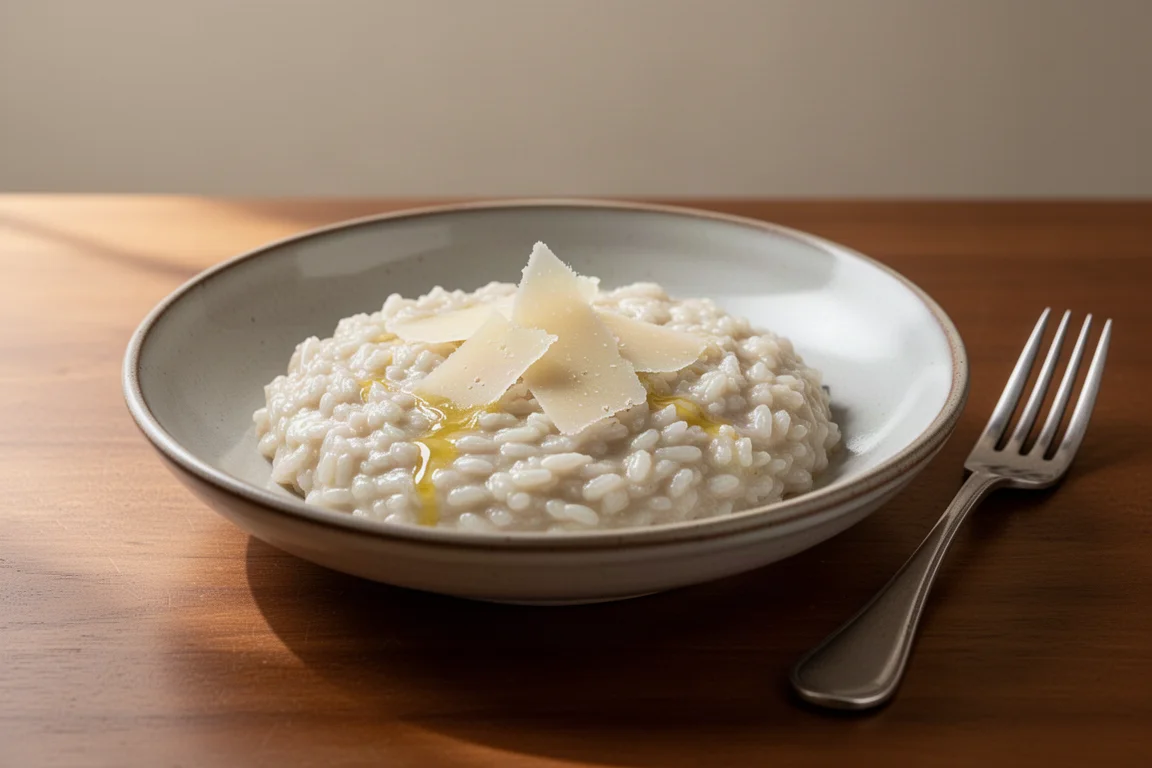
The result was genuinely impressive. Tasting confirmed a spot-on al dente consistency and a lovely creaminess, considering all the liquid went in at once. A simple recipe with good stock, a little wine and 70 grammes of cheese gently stirred in at the end with no residual heat, and it was, in short, banging. This is the scenario where the machine earns its keep: stir-heavy dishes you can walk away from while you cook something else.
Build Quality and Smart Features
The Cooking Chef XL is seriously heavy, with a big motor and a well-designed, sturdy body. The scales, the induction heating and the app all work as they should, provided the recipe information plugged into them is correct. That last part is the catch: we hit a snag with some preset timings and temperatures, and the recipes themselves needed a bit of work. Once we adjusted manually, the results were very good.
Priced at 1,199 pounds, you would expect it to be excellent, and it is, in terms of functionality and the ease it provides. The step-by-step, press-this-button flow raised an early worry about taking the love out of cooking, but in practice it feels like having a decent sous chef doing all the hard work.

What It Still Leaves To You
Profiteroles do not come out of the machine finished. You still do the piping, the filling, the glazing, the grating of Parmesan. Focaccia still needs its folds. The tactile, finishing side of cooking remains yours; the machine just does the boring bits really well, and there is a lot more to explore, including a steamer function and many other features barely scratched in these three tests.
Buying Advice
If you are a confident cook who enjoys watching a countdown timer while standing beside the machine, hand mixing may still appeal more. But if you are busy, batch cooking, or juggling several things at once, the hands-free cooking, accurate weighing and automatic stirring make a strong case. For precision work like chocolate tempering, where adjusting to the degree matters, the induction control is a real advantage.
Conclusion
The Kenwood Cooking Chef XL is a well-built, genuinely capable cooking machine that does the repetitive work of stirring, heating and timing exceptionally well, while leaving the creative finishing touches to you. The presets are not flawless, as the creme patissiere recipe showed, so treat them as a guide rather than gospel and be ready to intervene. For busy home cooks who want dependable results with less standing over the hob, it is an excellent, if premium, investment.
Product link
View more details for Kenwood Cooking Chef XL
This product is mentioned in the review. Check the specifications, options, and compatibility before buying.
View more details for Kenwood Cooking Chef XLFurther reading
Related Reviews
Kitchen Appliances
Arboleaf Smart Kitchen Scale Review: Connected Cooking Made Simple
A Bluetooth-enabled kitchen scale that syncs with a nutrition-tracking app, offering real-time weight monitoring and recipe guidance for home cooks.
Kitchen Appliances
Best Air Fryer Toaster Ovens Under 100: Five Practical Options for Budget-Conscious Kitchens
Five air fryer and toaster oven combinations that deliver real cooking performance without breaking the bank, each with distinct strengths for different kitchen needs.
Kitchen Appliances
Best Air Fryer Toaster Ovens: Three Top Picks for Multi-Function Cooking
Three high-performing air fryer toaster ovens tested for versatility, ease of use, and real-world cooking results. Find the right fit for your kitchen.