Arts & Crafts
Kendra Norton Reverse Coloring Book Review: Draw the Lines, Skip the Coloring
A colorful twist on coloring books where the colors are already printed and you supply the lines. Here is how it performs, what is inside, and whether the price is worth it.
Introduction
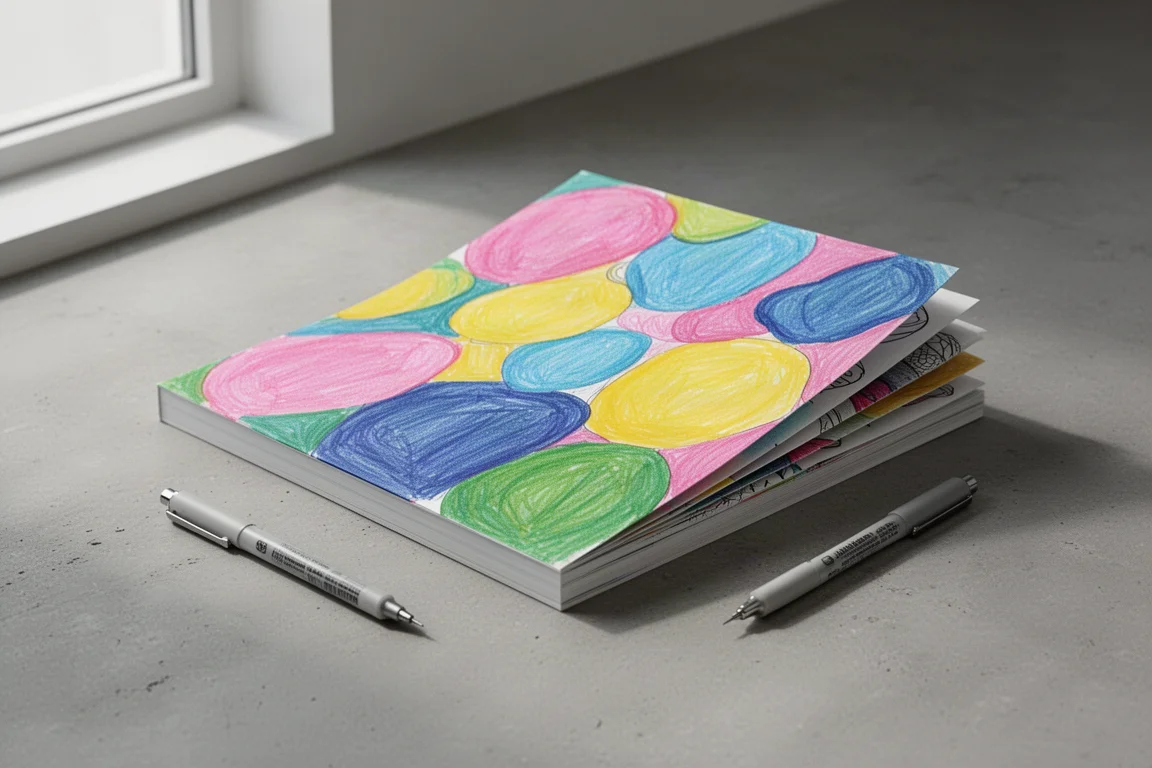
Coloring books usually hand you the lines and expect you to fill in the color. The reverse coloring book flips that formula entirely: the colors are already on the page, and your job is to draw the lines. The Kendra Norton reverse coloring book takes this concept and turns it into a thick, colorful, surprisingly relaxing art activity, and it has become a favorite low-pressure creative break for anyone in between bigger projects.
We spent time with several pages across different sessions, tried a range of pens and markers, and came away genuinely charmed. Here is what the book offers, what it costs, and who it works best for.
What Exactly Is a Reverse Coloring Book
The premise is simple. Instead of outlines waiting for color, each page is filled with printed color washes and blobs, and you supply the line work. That shift removes most of the pressure that comes with a blank page. You are not deciding what color things should be; you are simply responding to what is already there.
One of the strongest first impressions is the construction. The cover is vibrant and the book feels high quality, with noticeably thick pages. Many pages can also be torn out cleanly, which makes finished pieces easy to display or frame. There is even a helpful ideas section at the front that suggests different types of lines and line thicknesses you can try, which is a thoughtful touch for anyone unsure how to start.
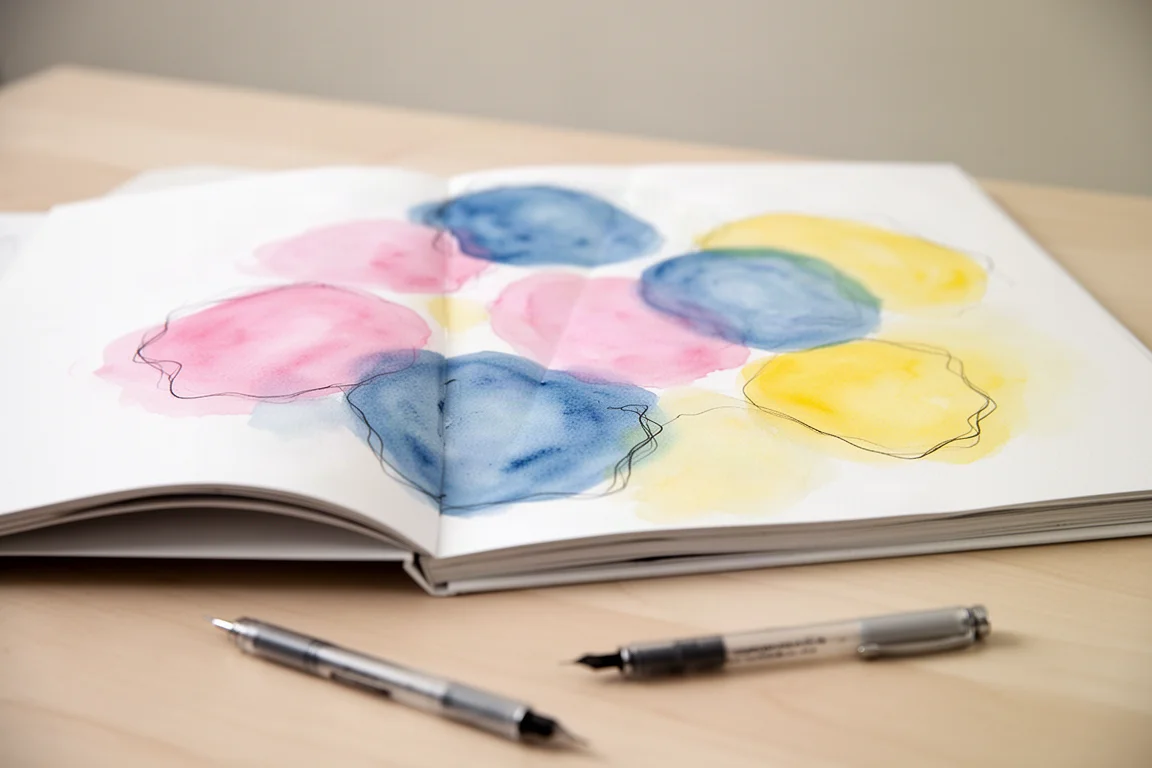
Another strength is variety. Some pages are clearly flowers, while others are fully abstract, so interpretation is personal. Two people working on the same page will almost certainly produce completely different results, which keeps the book feeling fresh even across many sessions.
Price and Value
At around $11.39, the book sits firmly in impulse-purchase territory for an art supply, and it delivers good value for that money. It is fully printed in color, the page count is generous for a coloring book, and the thick paper holds up well to fine liners and markers.
If you would rather not spend the money at all, the concept is easy to replicate at home by making your own reverse coloring pages from colorful artwork. Still, there is something appealing about working with art somebody else has made. It feels adventurous and special in a way that home-made pages do not quite match.
Working Through the Pages
The most intuitive approach is to simply outline the differences in color you see. Following the color blobs is a low-effort, satisfying way to build detail, and it lets the work be as simple or as intricate as you want. One page of outlined flowers ended up feeling almost painterly, radiating a kind of happiness from the page, while an abstract page naturally invited looser, stranger line work.
Choosing Your Tools
The book is friendly to whatever you already own. Fine liners suit delicate outlining, while brush-nib markers open up thicker lines, dotted patterns, and color mixing. One session mixed multiple marker colors, dotted lines, and even metallic gold ink accents for a coral reef vibe, and the pages handled everything well.
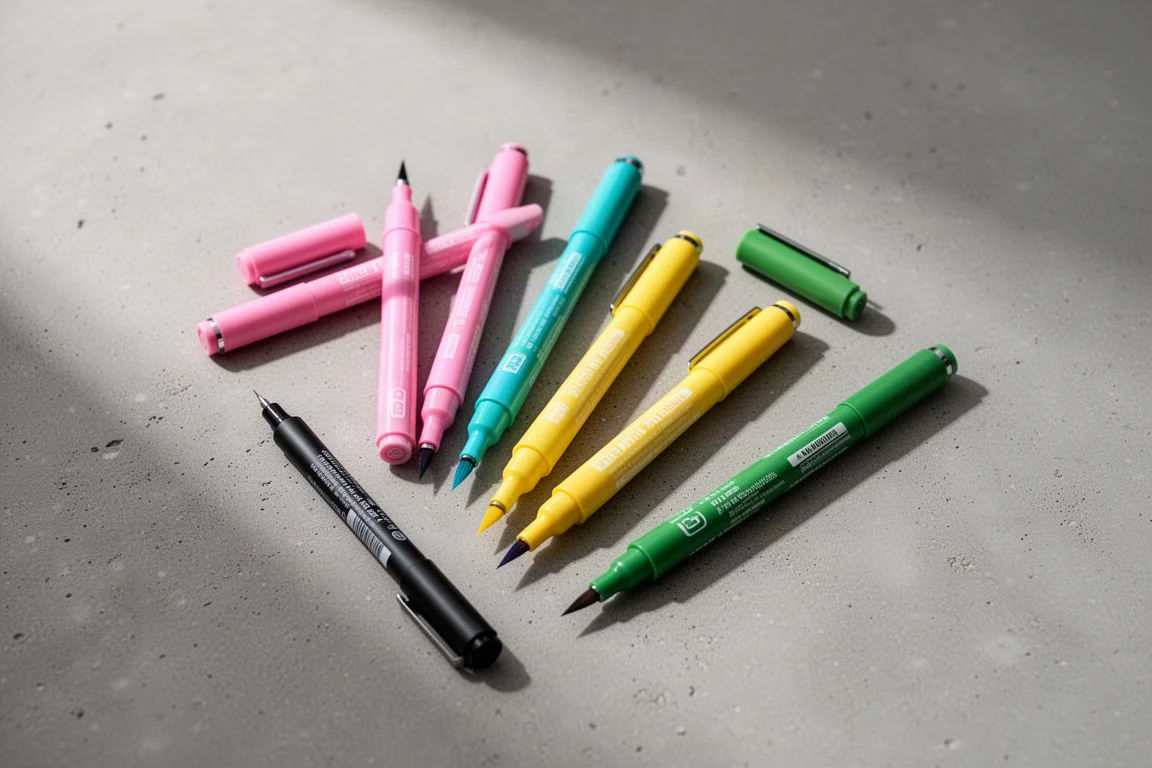
A practical note: some colors will not feel right as you work, and swapping to a darker or different shade is part of the fun. There is no wrong outcome, and abandoning an initial plan for whatever feels right in the moment is exactly how the book is meant to be enjoyed.
Loose and Gestural Pages
Flower pages are a highlight. One blue flower became a favorite, and a spring-themed page with tulips and roses worked beautifully with looser, more gestural outlines. Berry designs also reward a relaxed hand, since loose outlines suit their organic shapes.
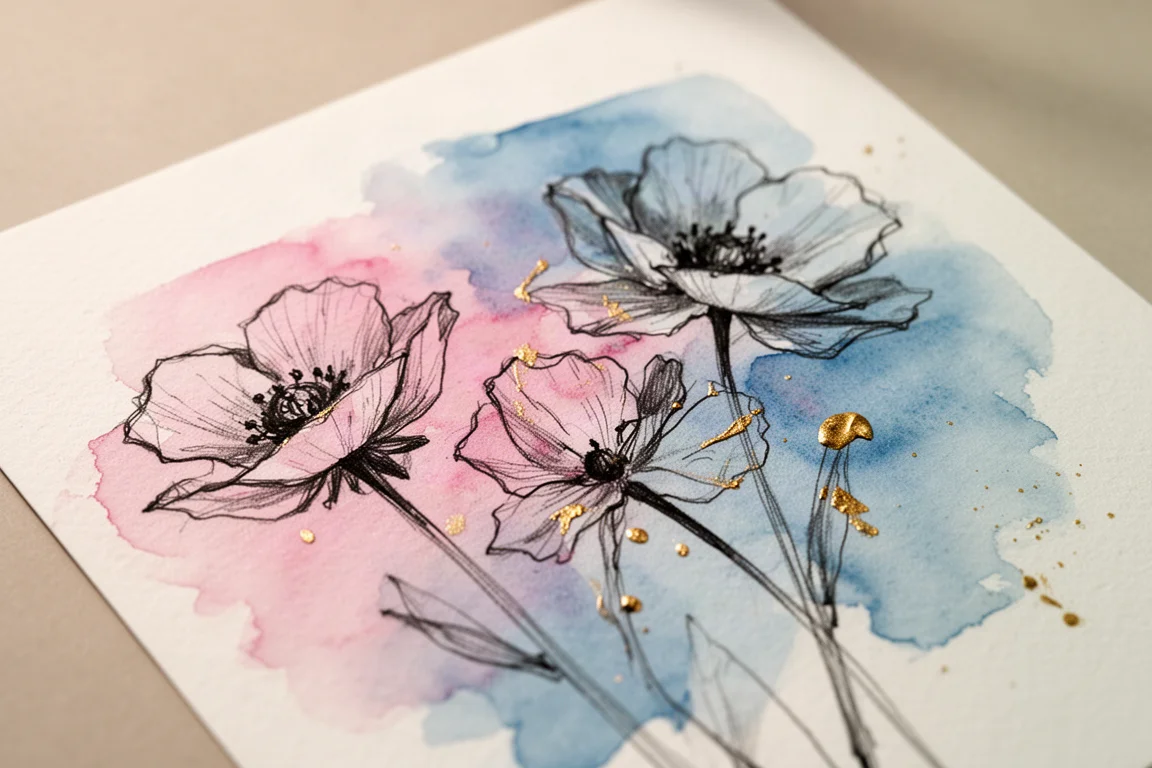
Simple pages have their own appeal too. When the subject is clearly identifiable before you start, drawing feels lighter and faster, and the finished result still looks intentional and polished.
Who This Book Is For
This book suits several kinds of people very well:
- Artists between large projects who want something fun and recharging
- Anyone who finds traditional coloring books stressful because of color choices
- People looking for a genuinely therapeutic, screen-free wind-down activity
- Creative types who enjoy seeing how differently others interpret the same page
Things to Consider Before Buying
The experience is intentionally open-ended, which is a strength but also worth knowing upfront. If you prefer structured, predictable results or detailed instruction, the freedom here may feel unfamiliar at first. The ideas page helps, but the book works best for people happy to improvise.
Marker users should also test their pens, since softer inks can behave unpredictably on the glossy printed surfaces. A stray burst of ink is recoverable, but lighter hands and fine liners are the safest pairing.
Buying Advice
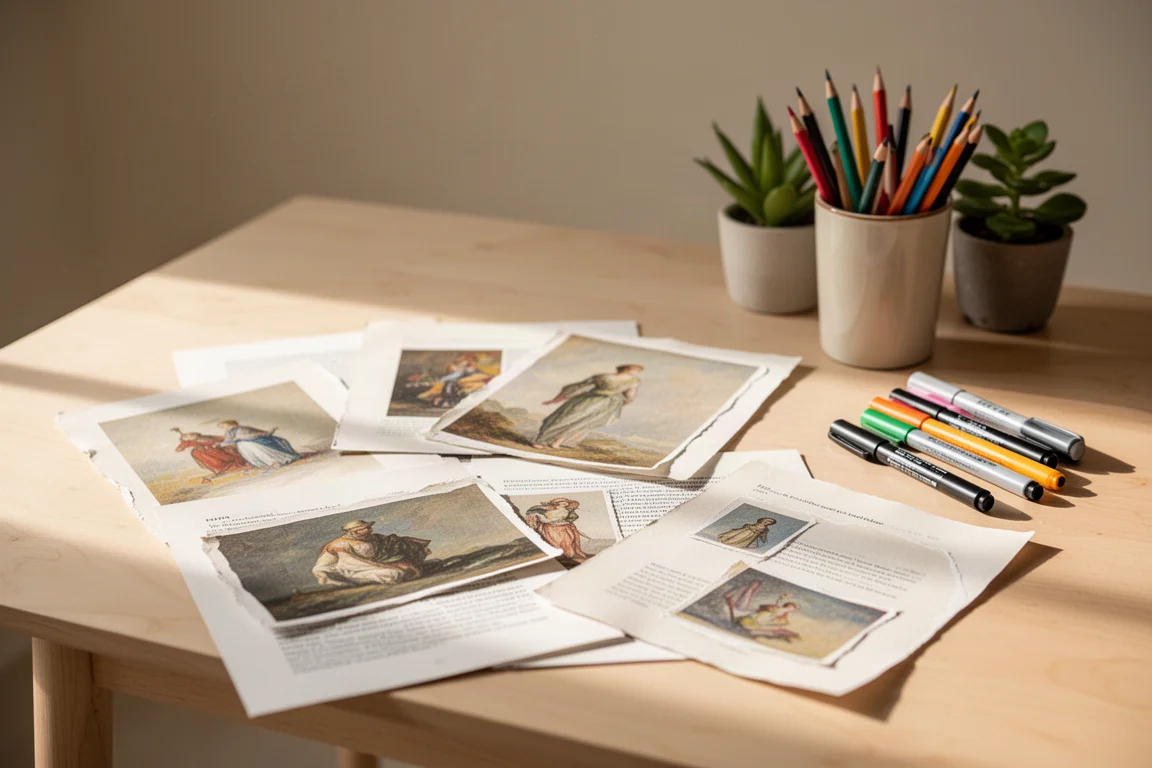
At the $11 to $12 range, this is an easy recommendation for anyone curious about the format. The thick pages, tear-out designs, and prompt section justify the price comfortably, and the amount of relaxation per dollar is hard to beat. If you already know you love the idea, buy it; if you are unsure, the low cost makes it a low-risk experiment.
Conclusion
The Kendra Norton reverse coloring book succeeds because it removes the hardest part of creative play: deciding what to make. The colors are there, the paper is thick, the pages are varied, and the only real requirement is a pen and a few quiet minutes. It is relaxing, confidence-building, and genuinely fun, and it might just be the most approachable art purchase you make this year.
Product link
View more details for Kendra Norton Reverse Coloring Book
This product is mentioned in the review. Check the specifications, options, and compatibility before buying.
View more details for Kendra Norton Reverse Coloring BookFurther reading
Related Reviews
Arts & Crafts
Bloom by Play-Doh Adult Craft Kit Review: A $40 Bouquet Worth Making?
Play-Doh's adult craft kit lets you build a twelve-flower bouquet with a surprising air-dry formula. Here's what works, what doesn't, and who it's for.
Arts & Crafts
Best Paint Markers Tested: Winners From Every Marker Type
After testing dozens of paint marker brands across opacity, longevity, blending, rocks, plastic, and coloring work, these are the standouts from each marker category.
Arts & Crafts
Claymoo Easy Peasy Desserts Bundle Review: Cute Air-Dry Clay Kits That Actually Deliver
A hands-on look at the Claymoo desserts bundle, covering kit contents, tutorial quality, ease of use, and whether the $50 bundle is worth it.