Arts & Crafts
Best Paint Markers Tested: Winners From Every Marker Type
After testing dozens of paint marker brands across opacity, longevity, blending, rocks, plastic, and coloring work, these are the standouts from each marker category.
Introduction
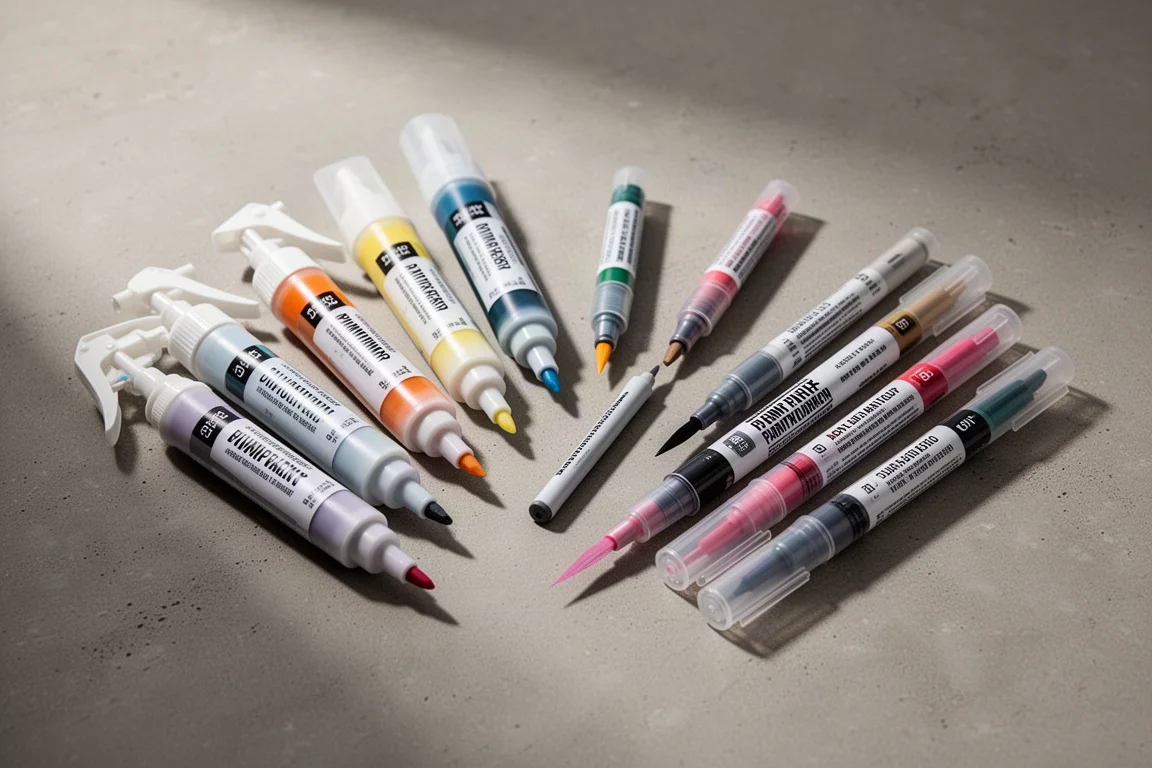
Paint markers have quietly exploded. There are now well over 70 brands making them, ranging from heritage names with decades of history to a flood of new labels that all look suspiciously similar. To separate the good from the generic, we put dozens of markers through a long series of hands-on tests: opacity, layering, drying time, activation, longevity, and performance on plastic, rocks, black paper, colored pencils, and alcohol marker artwork.
The results genuinely surprised us. Some long-standing reputations held up. Some heritage brands underperformed cheap newcomers. And a brand new type of marker changed what we expect from the whole category.
How We Compared the Markers
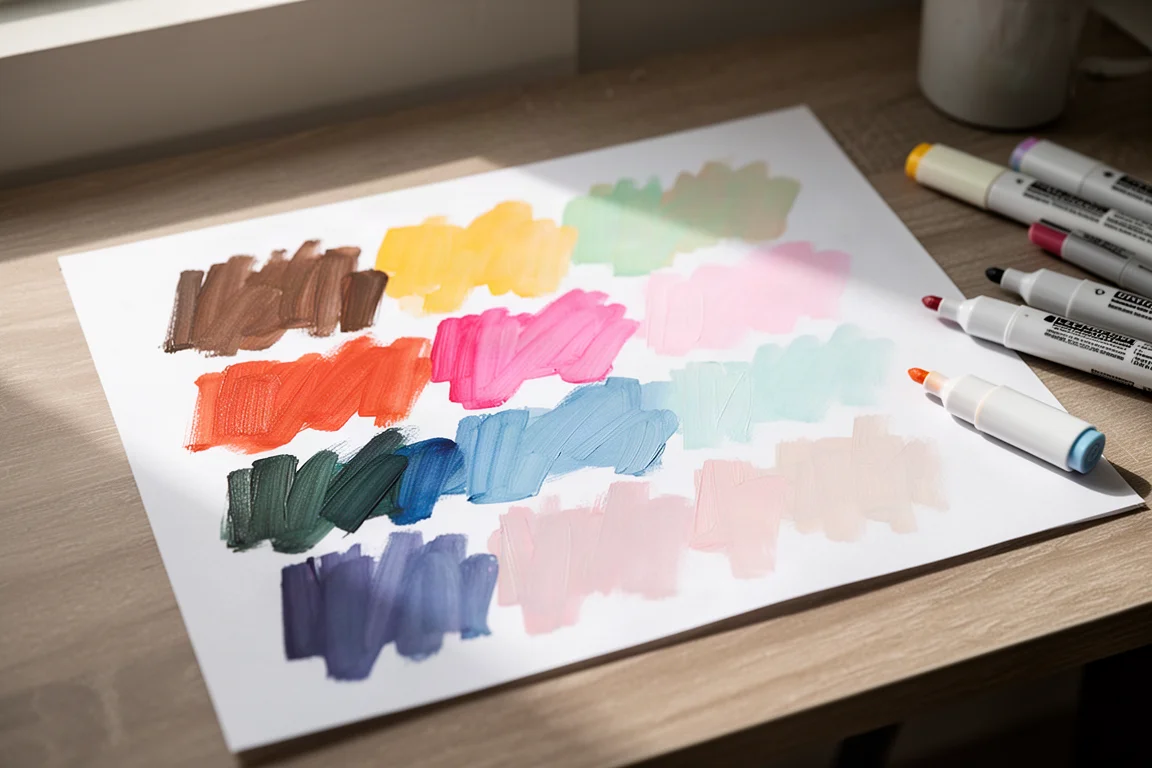
Every marker went through the same core tests. We swatched each color range to judge vibrancy and opacity, checked whether colors could be layered while wet, timed how long each marker took to dry, and scored how easy each was to activate and use. We also drew one continuous line with each marker until it ran out to see how long the ink really lasts, and ran the same markers over black paper, plastic cassettes, colored pencils, alcohol marker artwork, and rough rocks.
A few patterns emerged fast. Colors across many brands are strangely similar, with purples tending to be the most opaque and reds often pastel. Most paint markers dislike being layered while wet, tearing paper and ruining tips. And almost none are perfect: not a single marker scored full marks on ease of use.
Classic Pump-Action Paint Markers
Traditional paint markers are essentially a tube of paint with a valve system. Heavy pigment separates from the fluid when left to settle, which is why the marker rattles when shaken: ball bearings inside help remix the paint. You then press the nib repeatedly to pump paint into the tip. The upside is that these markers can handle thick, highly opaque paint. The downside is a learning curve, wasted paint, unexpected puddles, and tips that dry out if pigment sits in them.
Uni Posca
Posca was the clear standout among the pump-action markers, scoring near-perfect results across nearly every surface test. The paint mix is more opaque and stays better mixed than rivals, even without perfect priming. Its fine tip range was also one of the only fine tip sets that could handle being layered while wet. The main knock is the pump-action learning curve and the risk of spills, which is what drives most of the negative reviews from buyers who think their marker arrived dry. Older sets we had used for five years or more still outperformed brand-new competitors.
Let’s Resin Paint Markers
Let’s Resin joined testing partway through and immediately earned a place among the pump-action leaders. The fine tips resisted clogging better than most other brands, and the markers ranked among the best performers over alcohol marker artwork. The range tested was small, but the quality was convincing.
Pilot Paint Markers
Pilot was a very close runner-up to Posca in the classic category. The markers flowed well, performed admirably across most mediums, and produced fewer spills in our use than Posca did. If you want traditional pump-action quality with a slightly friendlier experience, Pilot is a strong choice.
Fine Detail and Extra Fine Tips
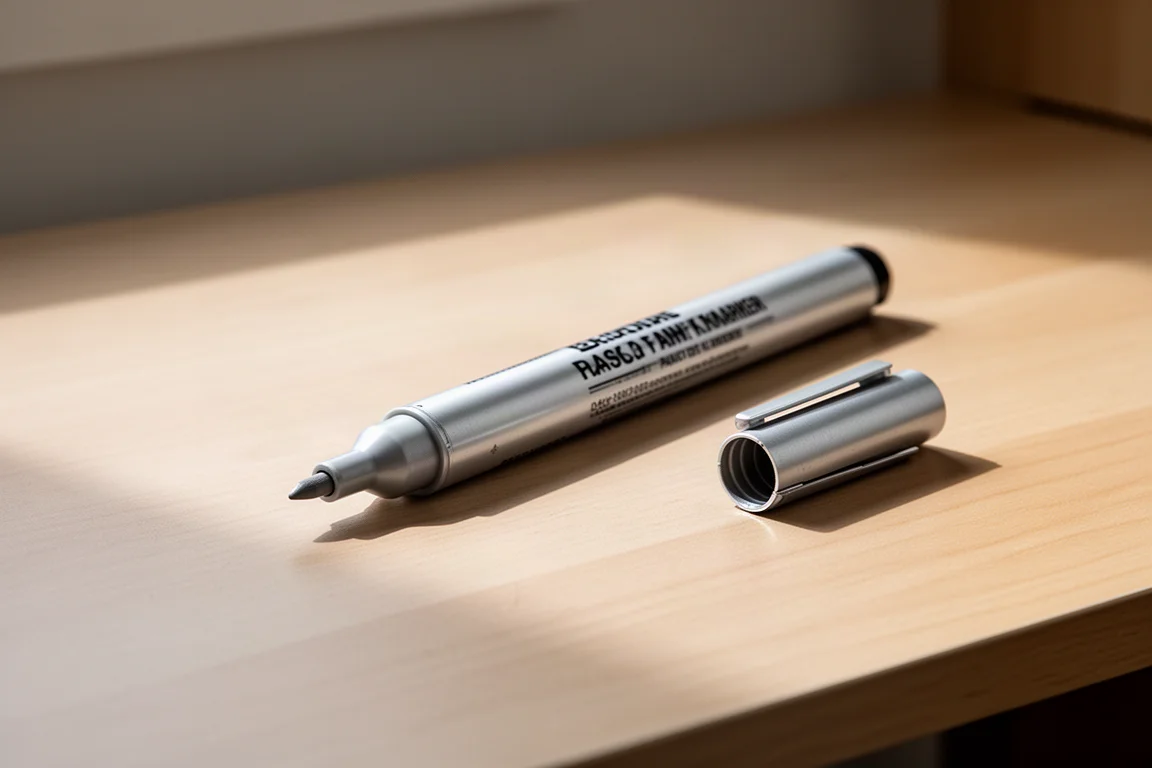
Extra fine tip markers deserve separate judging because they serve a specific purpose: adding the finest details, not filling big areas. They have smaller paint chambers and tips, so they run out first and clog more easily, requiring light pressure.
Tooli-Art Paint Markers
Tooli-Art performed remarkably well across every project type, which explains its popularity in rock painting communities. The fine tips handled rough stone surfaces far better than expected, staying opaque rather than soaking in, and the brand appears to invest in its own designs rather than simply copying whatever else is on the market.
Copic Acryla
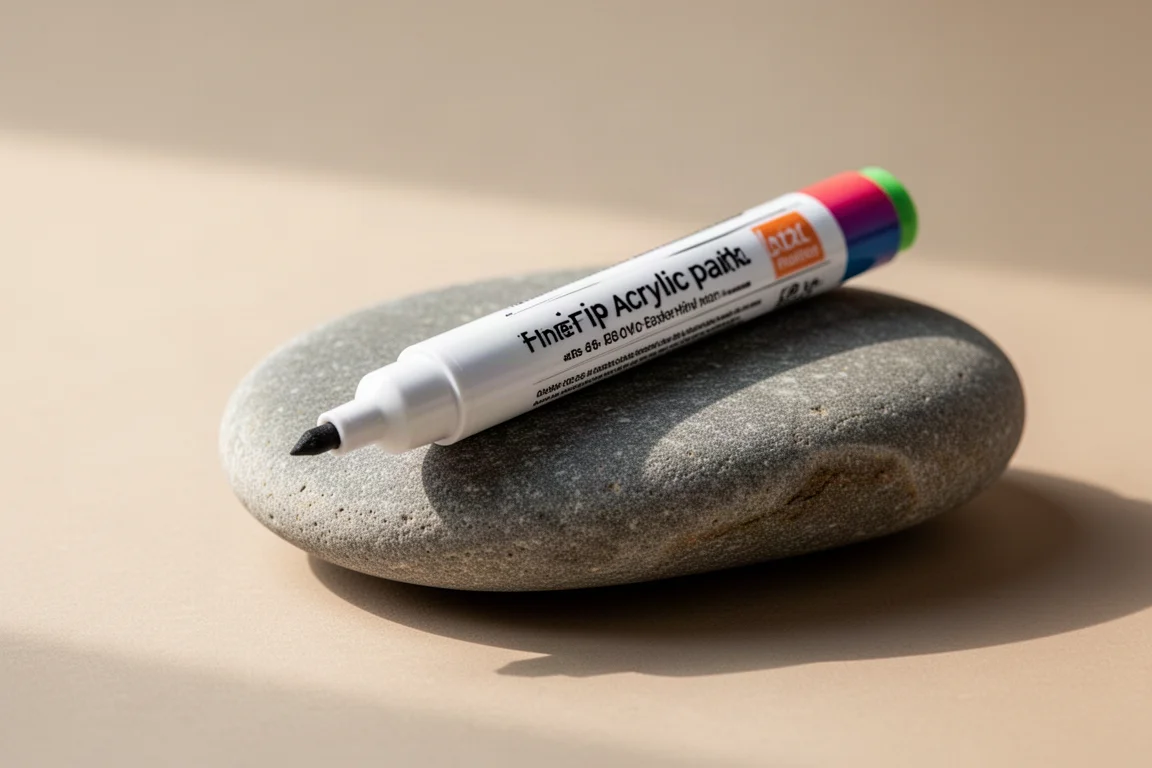
On the black paper test, Copic Acryla was one of the true standouts, laying down color that was essentially completely opaque with nothing showing through. The trade-offs: the range only comes in the small tip, and the tips clog fairly easily. For maximum opacity in fine detail work, though, nothing else matched it.
Kuretake Akashiya
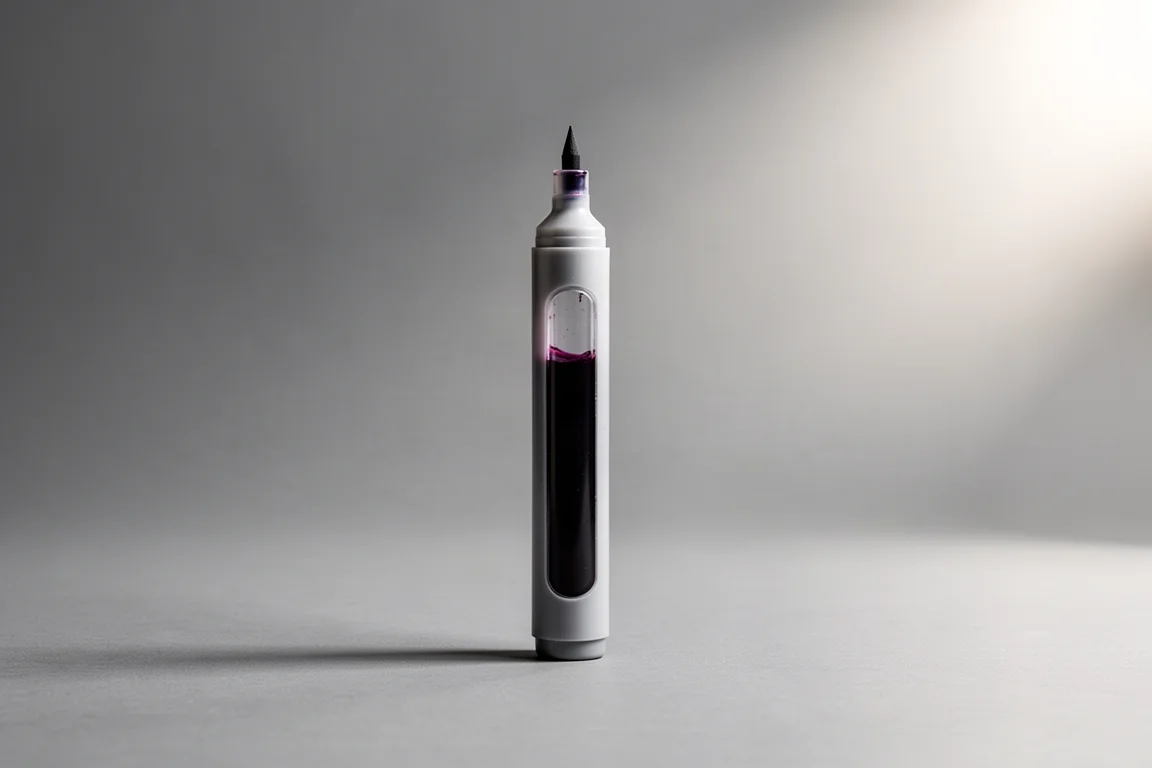
Kuretake Akashiya is a promising newer player. It was disappointing on colored pencils, but it was the most opaque marker in the entire test. That makes it less of an everyday workhorse and more of a wonderful specialty set for highlights and very fine details.
Cotton Core and No-Mess Markers
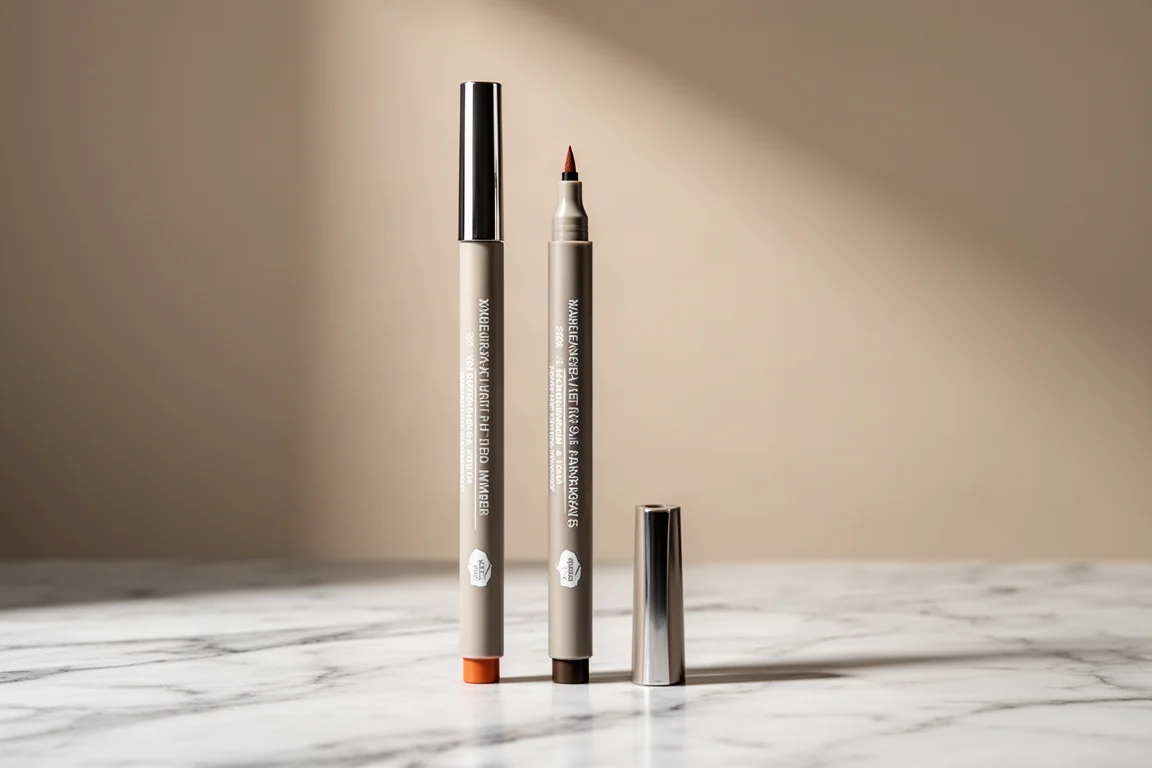
Cotton core markers soak their paint into a sponge-like core leading to the tip, so they never need shaking or activation. That makes them far less messy and cheaper to produce, but the paint has to be thinner, so opacity suffers. Many live in what we came to think of as ice cream colors: bright and fun, but faded and pastel-like. If they clog, they are effectively useless.
Art-X Paint Markers
Art-X won the cotton core category. These are not the most opaque markers tested, but they were a strong performer in every category, worked on every medium, blended better than most rivals, and come in a huge color range. For a no-mess paint pen, that combination is hard to beat.
Nicety Paint Markers
The Nicety medium paint pens scored well for ease of use and mess-free handling, making them a comfortable pick for beginners who want to skip the shaking and priming ritual entirely.
Master’s Touch Paint Markers
Master’s Touch was a surprise finalist in this category. It ultimately lacks the opacity and color range of the leaders, but for what appears to be a store brand, it is a genuinely solid option if you find it at a good price.
Direct Ink Brush Markers: The Overall Winner
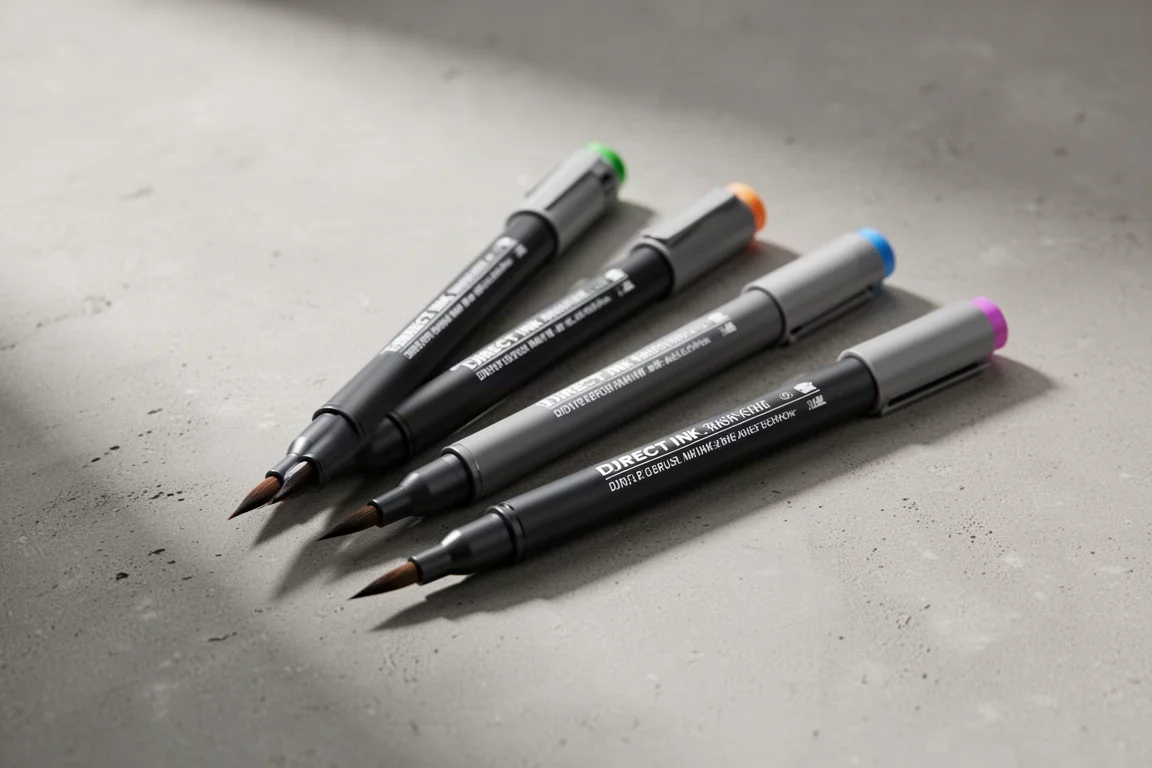
The newest marker type is also the most interesting. Pioneered by the Sharpie Creative range, these markers use a free ink reservoir and an intricate filter structure at the tip that keeps pigment mixed and prevents clogging. They need far less shaking, sometimes none at all, offer a brush tip that classic valve systems cannot support, and in the longevity test they dramatically outlasted the pump-action markers, sometimes fading gradually instead of ever going streaky.
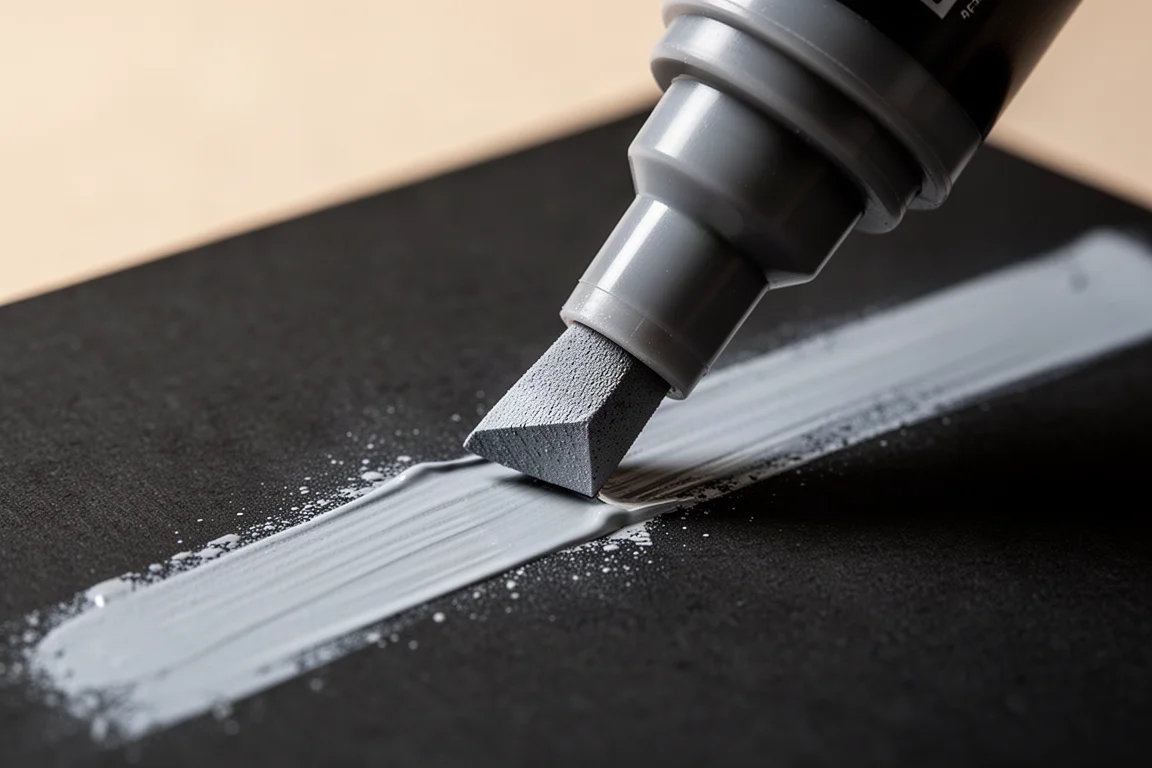
Sharpie Creative
Sharpie Creative effectively started this marker category, and the brush tip version remains a pleasure to use. It fell just short of the top ranks, though, turning watery on surfaces like rocks and plastic and not quite keeping pace across the full range of mediums.
Ohuhu Acrylic Markers
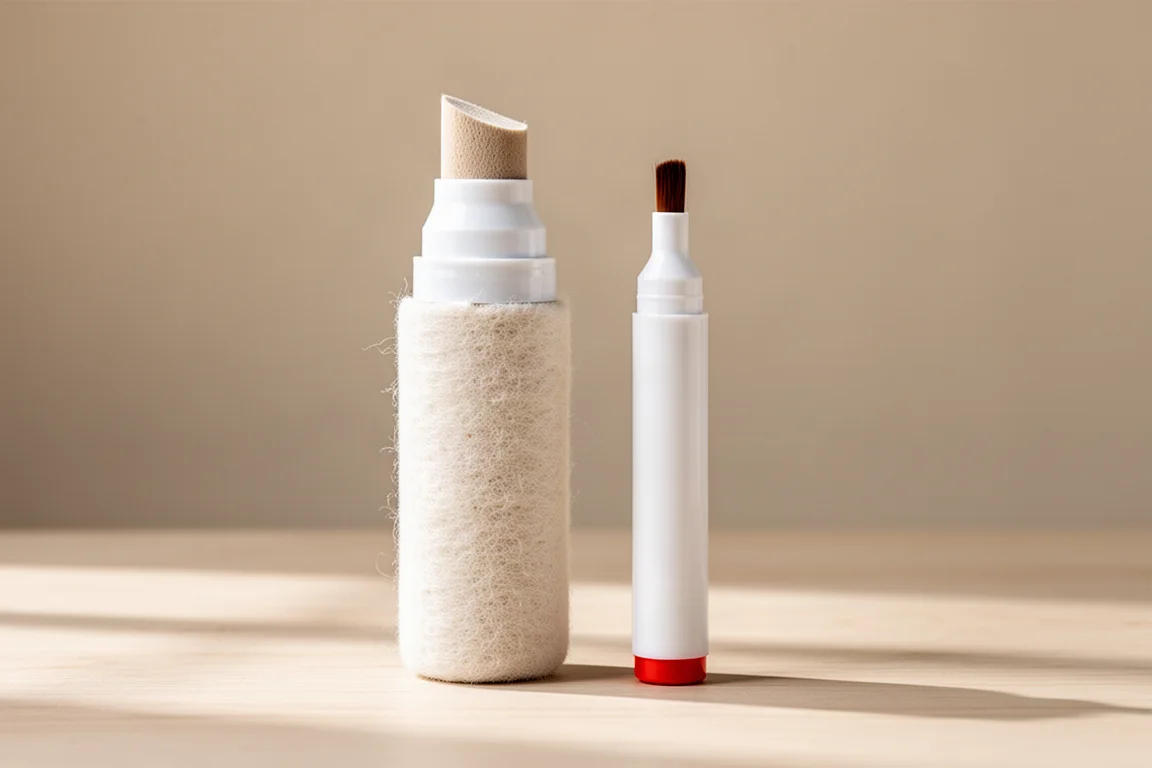
Ohuhu’s acrylic markers are easy to use, fairly opaque, and perform well on most surfaces at an affordable price with a great color range. The one thing that held them back from the win: the paint separates again just 5 to 10 minutes after shaking, which is not what you expect from this new style of marker. They are also slightly smaller in the hand, though that comes down to preference.
Shuttle Art Direct Ink Markers
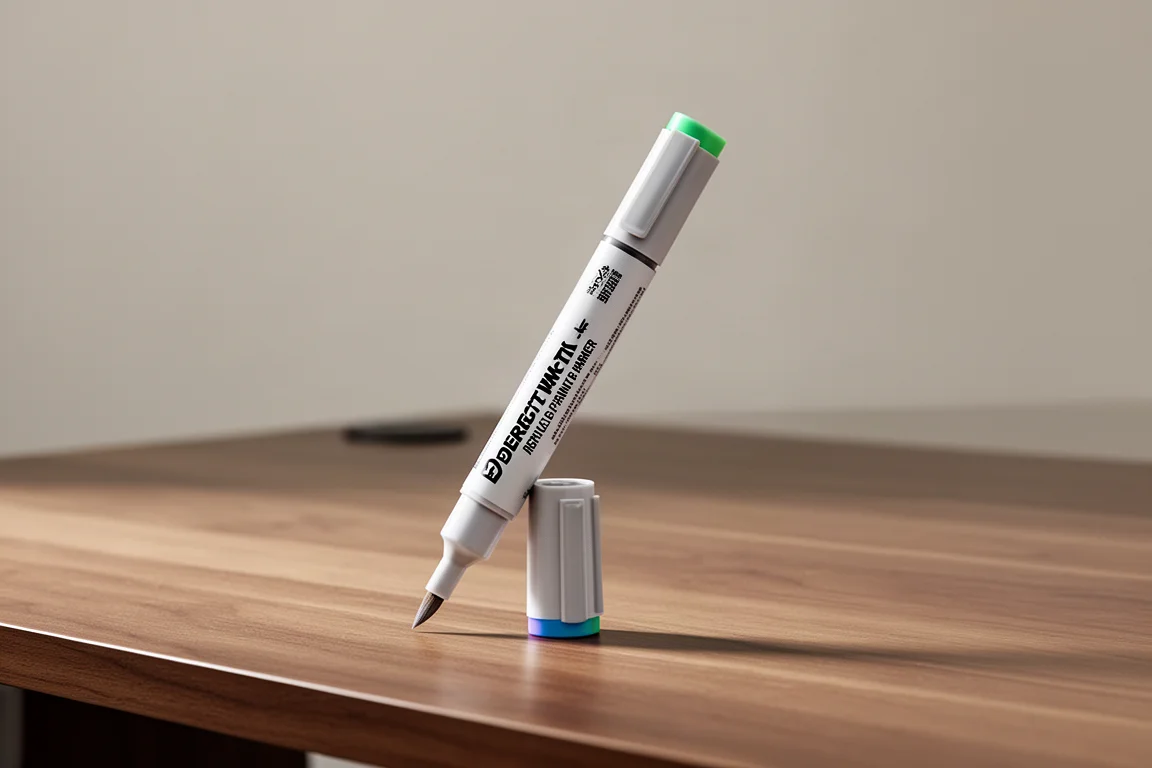
Shuttle Art’s direct ink markers were impressive on colored pencils, on painted plastic, and in the general test charts. They are wonderful to use and affordable, with two caveats: the tips are not the most durable under heavy pressure, and the branding on the barrel itself is minimal.
Aim Me Direct Ink Markers
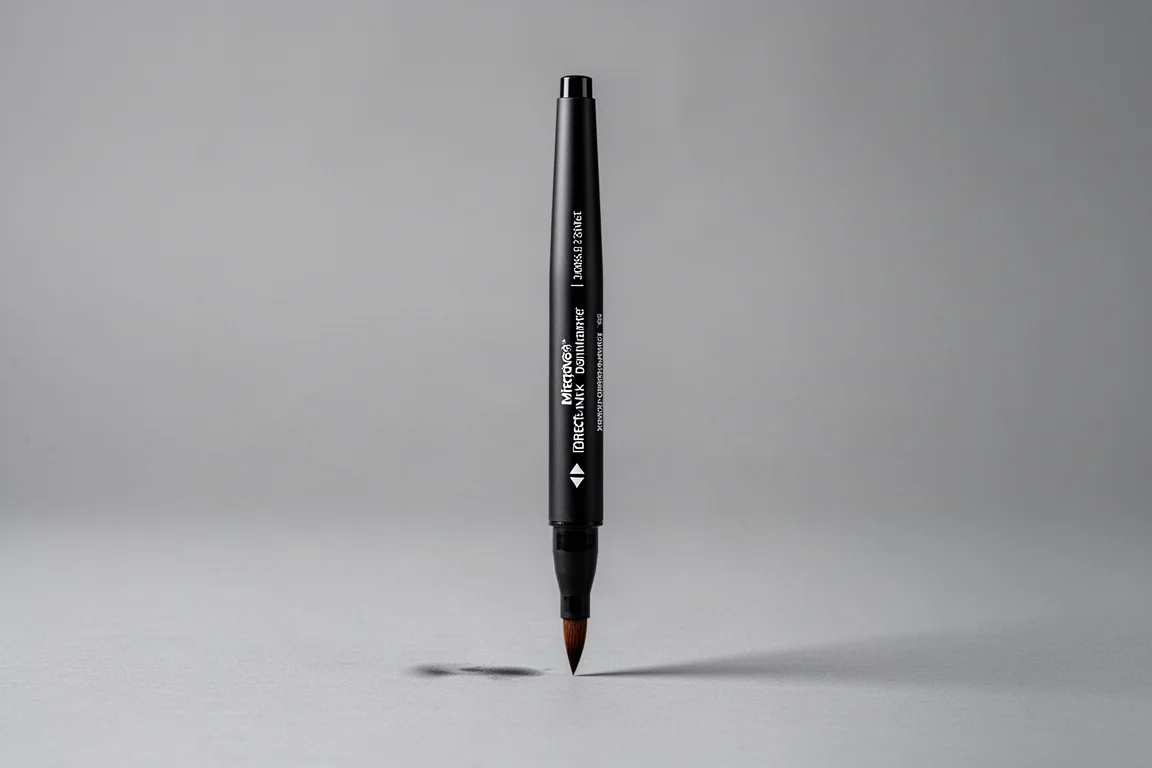
Our overall winner in the direct ink category. The Aim Me markers were excellent over alcohol marker artwork, delivered consistent flow, and cost less than the competition. The brush tips feel slightly more durable than Shuttle Art’s. The main complaints are aesthetic: you cannot see the paint inside the barrel, and tip quality still lags behind the best. They are also not the pick for rock painting.
Rock Painting and Rough Surfaces
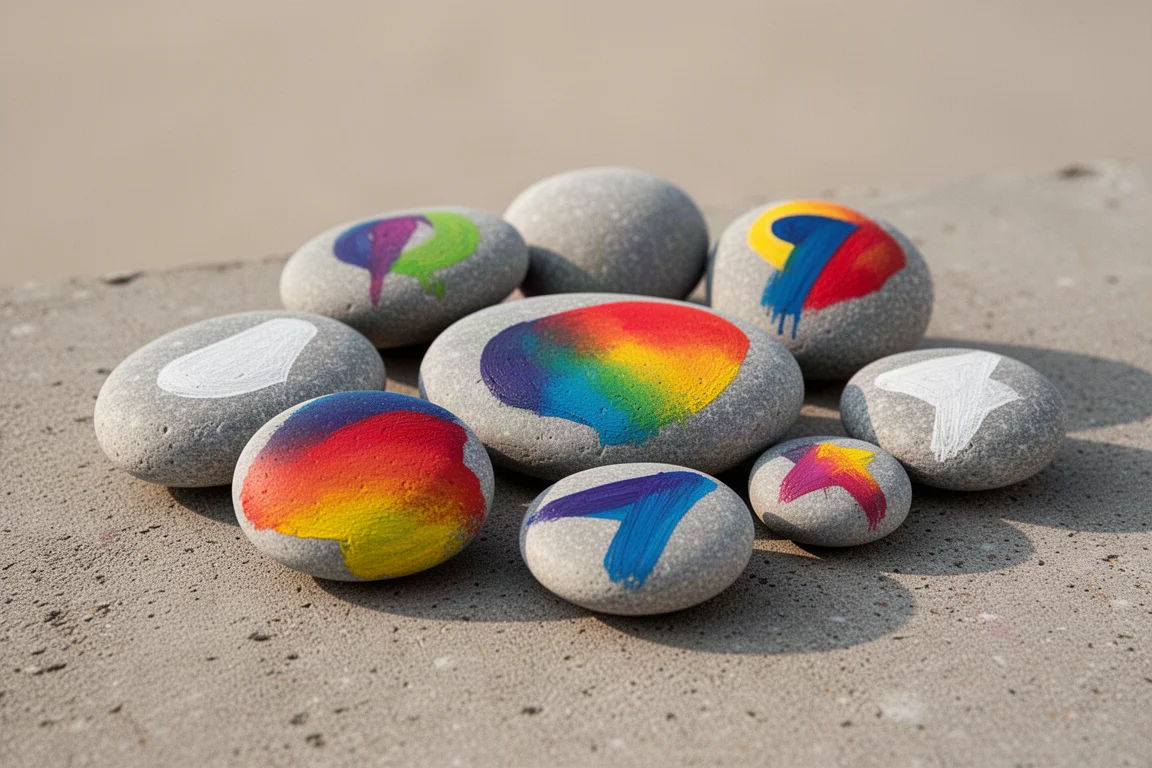
Almost every paint marker brand claims to work on rocks, and the porous surface proved to be one of the most revealing tests of the whole comparison. Fine tips were scratchy compared to paper and could splatter under careless pressure, but the Tooli-Art fine tips, Posca, and Copic handled rocks surprisingly well, staying opaque and even seeming to unblock during use. Others soaked into the stone, leaving watery, unevenly dried finishes where the color separated from the liquid. If your markers soak in, priming the rock or starting with a white base coat helps seal the surface and brighten the colors on top. Brush tip markers were also surprisingly good for blending gradients on stone.
A Note on No-Name Brands
Many budget markers come from just a handful of factories, and some brands sold under different names are literally identical markers with different labels. That is not automatically a scam: well-run brands either develop products with a factory (OEM) or carefully select good existing products to bring to their audience. The ones worth actively avoiding are the pure resellers: markers that arrive in generic black bags with misspelled or entirely different brand names on the package, generic photoshopped listings, and no quality control behind them. If a listing looks like a dice roll, it probably is one.
The Verdict
There is no single perfect paint marker, and the right choice depends on what you want to do:
- For overall quality and fine detail work, Posca remains the benchmark, if you are willing to learn the pump-action ritual.
- For maximum opacity in detail work, Copic Acryla is untouchable.
- For a big affordable set with a lovely brush tip, the Aim Me direct ink markers are the best all-round buy right now.
- For mess-free beginner use, Art-X leads the cotton core category.
- For rock painting, Tooli-Art is the standout.
This category is evolving fast, with several major brands launching new acrylic markers, so expect these rankings to shift. For now, these are the markers we would actually spend our own money on.
Conclusion
The classic Posca-style pump marker still owns opacity and build quality, while the new direct ink brush markers finally fix the activation headaches and last far longer in use. Match the marker type to your project, buy from brands that visibly invest in their products, and skip the anonymous reseller listings. That approach will get you closer to the perfect paint marker than any single brand can today.
Further reading
Related Reviews
Arts & Crafts
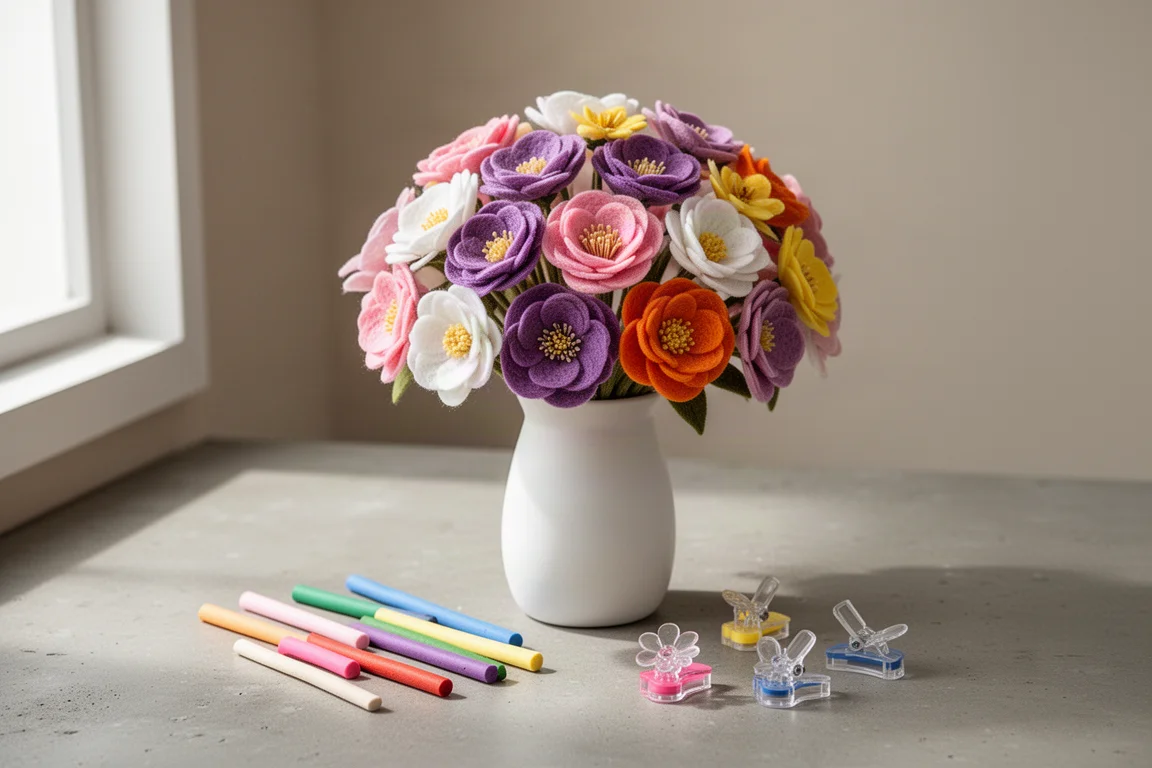
Bloom by Play-Doh Adult Craft Kit Review: A $40 Bouquet Worth Making?
Play-Doh's adult craft kit lets you build a twelve-flower bouquet with a surprising air-dry formula. Here's what works, what doesn't, and who it's for.
Arts & Crafts
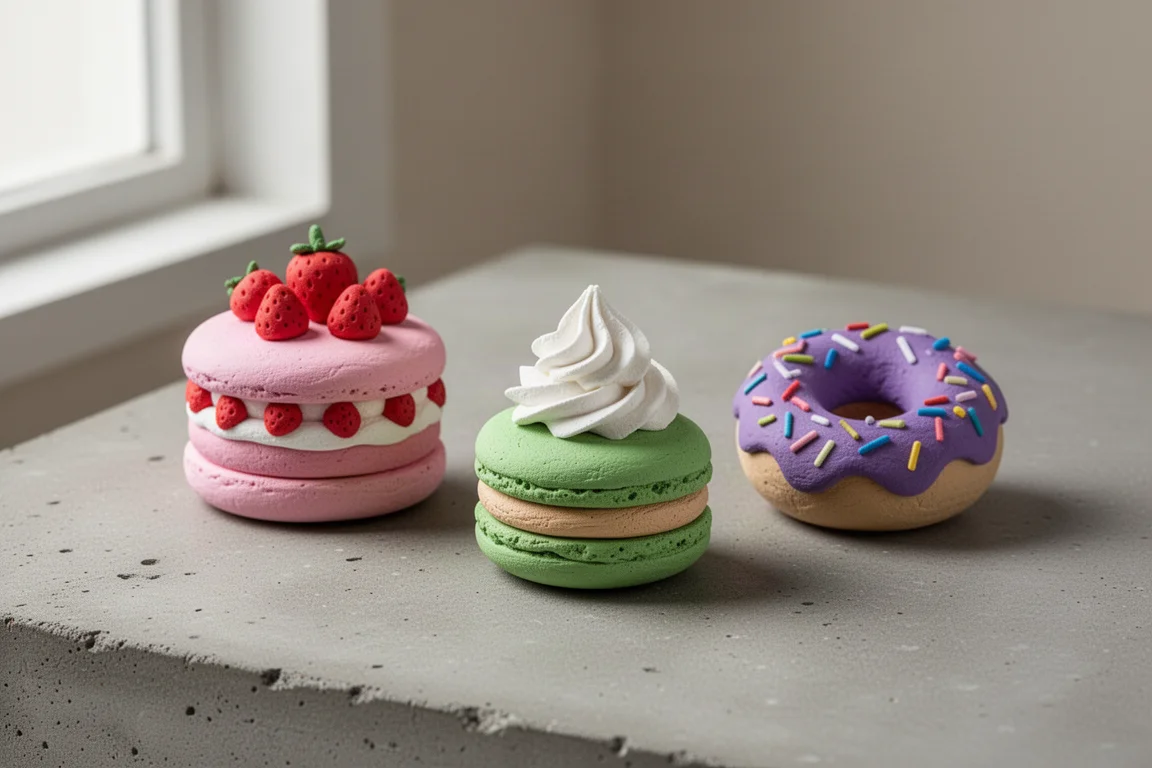
Claymoo Easy Peasy Desserts Bundle Review: Cute Air-Dry Clay Kits That Actually Deliver
A hands-on look at the Claymoo desserts bundle, covering kit contents, tutorial quality, ease of use, and whether the $50 bundle is worth it.
Arts & Crafts
Coco Wyo Cozy Friends vs Fuzzy Hygge: Are the Viral Coloring Books Worth It?
Two of the most popular cozy coloring books on Amazon, tested hands-on to see whether the viral hype holds up for casual colorists.