Work Boots
Keen Cincinnati vs Liberty: Which Wide Toe Box Work Boot Wins?
A detailed comparison of two popular Keen work boots reveals significant differences in construction, materials, and durability despite similar positioning.
Introduction
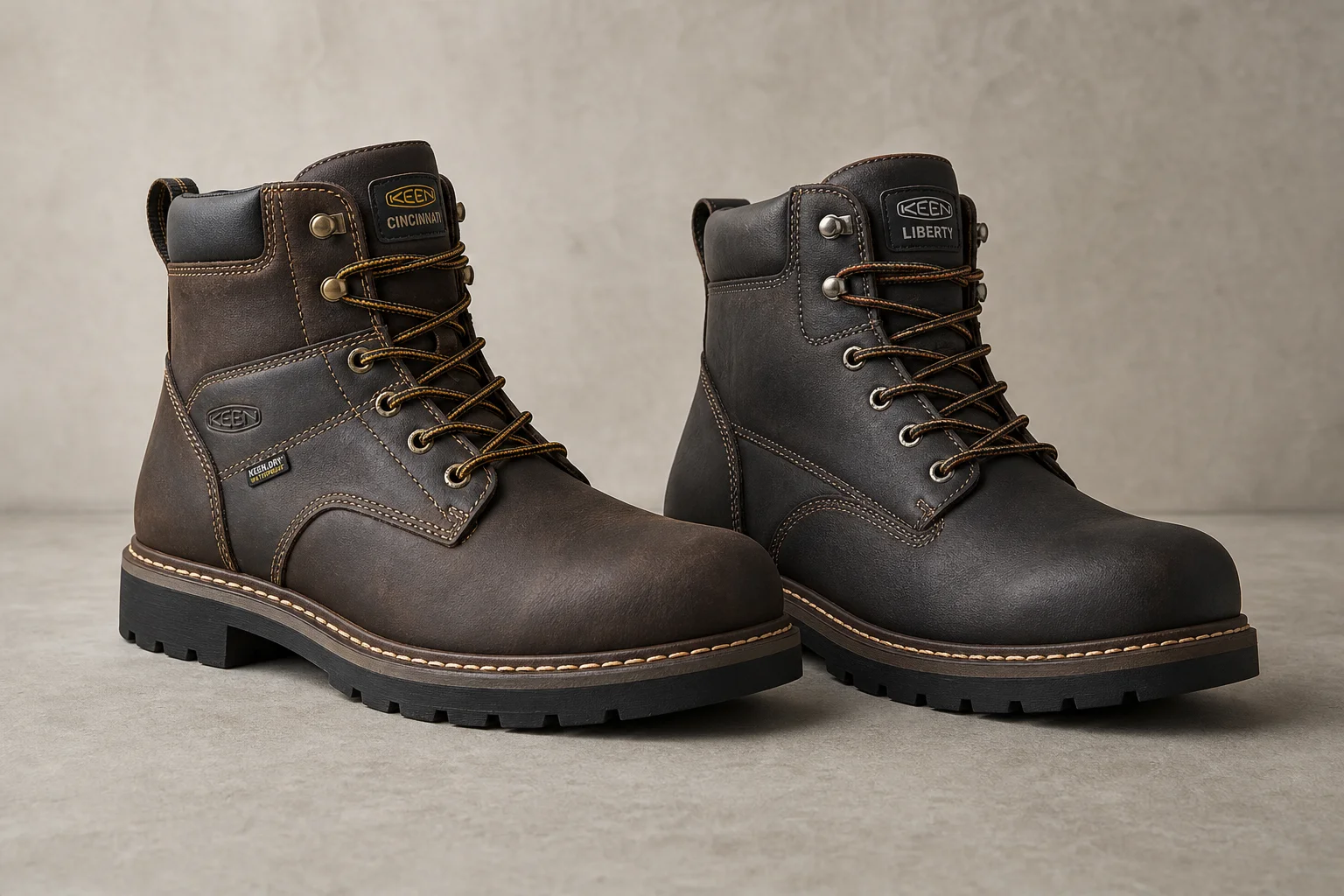
The Keen Cincinnati has dominated the work boot market since its 2009 launch, becoming the standard wide toe box boot found on job sites worldwide. Now Keen challenges its own legacy with the Liberty, a redesigned boot positioned as more comfortable, durable, and traditionally constructed. But does a higher price tag and US manufacturing justify replacing the Cincinnati? This comparison cuts through the marketing to reveal what actually differs between these two boots and whether the Liberty truly improves on a proven formula.
Leather Quality and Durability
Both boots use quality leather, but with notable differences. The Cincinnati features approximately 2mm thick New Buck leather, sanded to create a matte finish that hides imperfections while maintaining grain character. The Liberty steps up with 2.2 to 2.3mm thick leather that appears to be US-tanned, likely from Chromexcel or similar premium tanneries known for high-quality work boot leather.
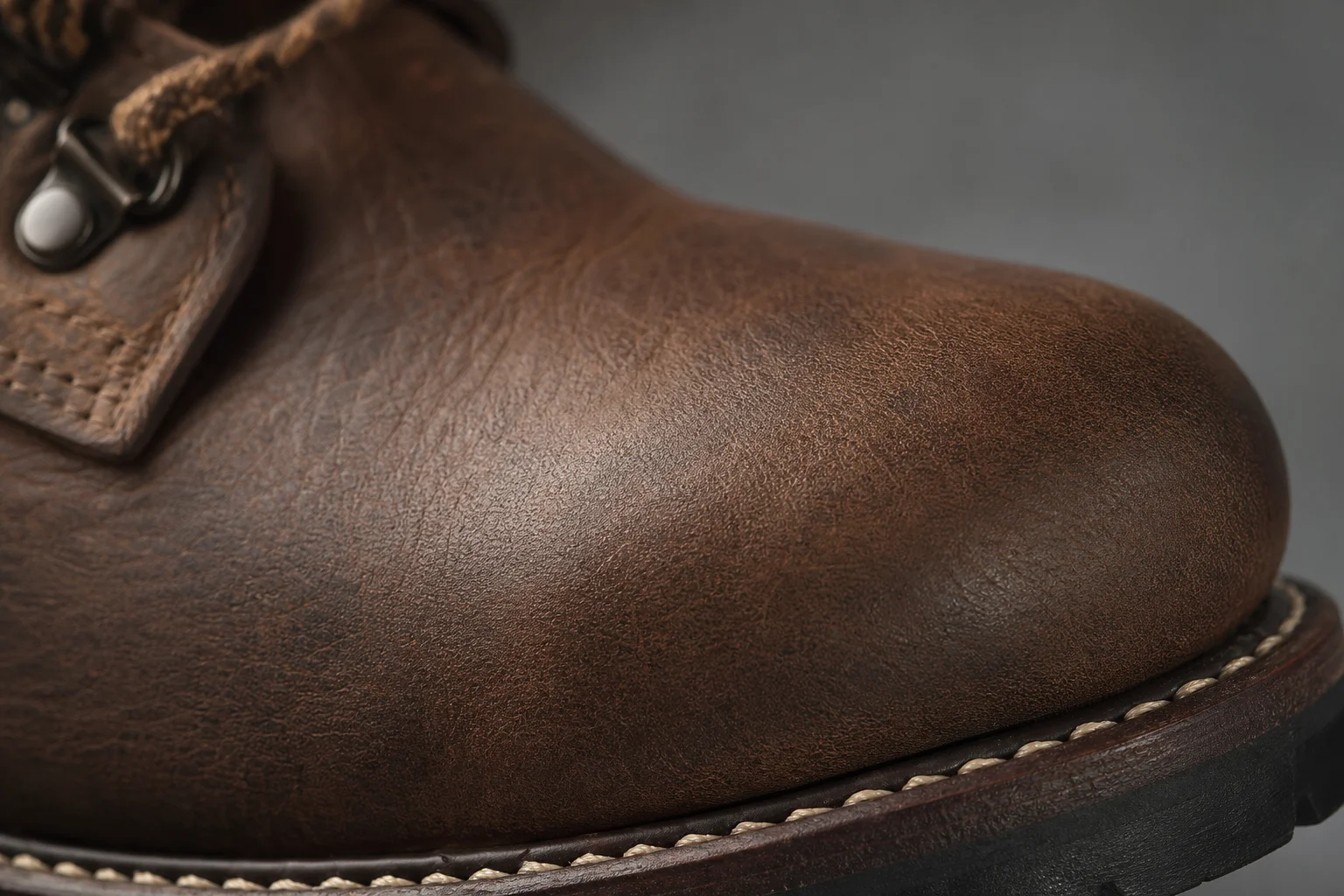
In burn testing, the Liberty’s leather performed slightly better, indicating more oils and conditioning worked into the material. However, the Cincinnati proved more puncture-resistant, withstanding 92 pounds of force compared to the Liberty’s 70 pounds. For work environments where puncture resistance matters, the Cincinnati maintains an edge. The Liberty’s thicker, better-conditioned leather may age more gracefully and develop character over time, but the Cincinnati’s proven puncture performance offers more immediate protection.
Construction Methods: Goodyear Welt Meets Modern Innovation
Both boots use true Goodyear welt construction, meaning the outsole can be resoled by a cobbler when worn through. However, Keen employs a hybrid approach on both models: the midsole and outsole are direct-injected rather than traditionally glued. This combines the repairability of heritage construction with the cushioning of modern boots, as foam fills every crevice for superior adhesion.
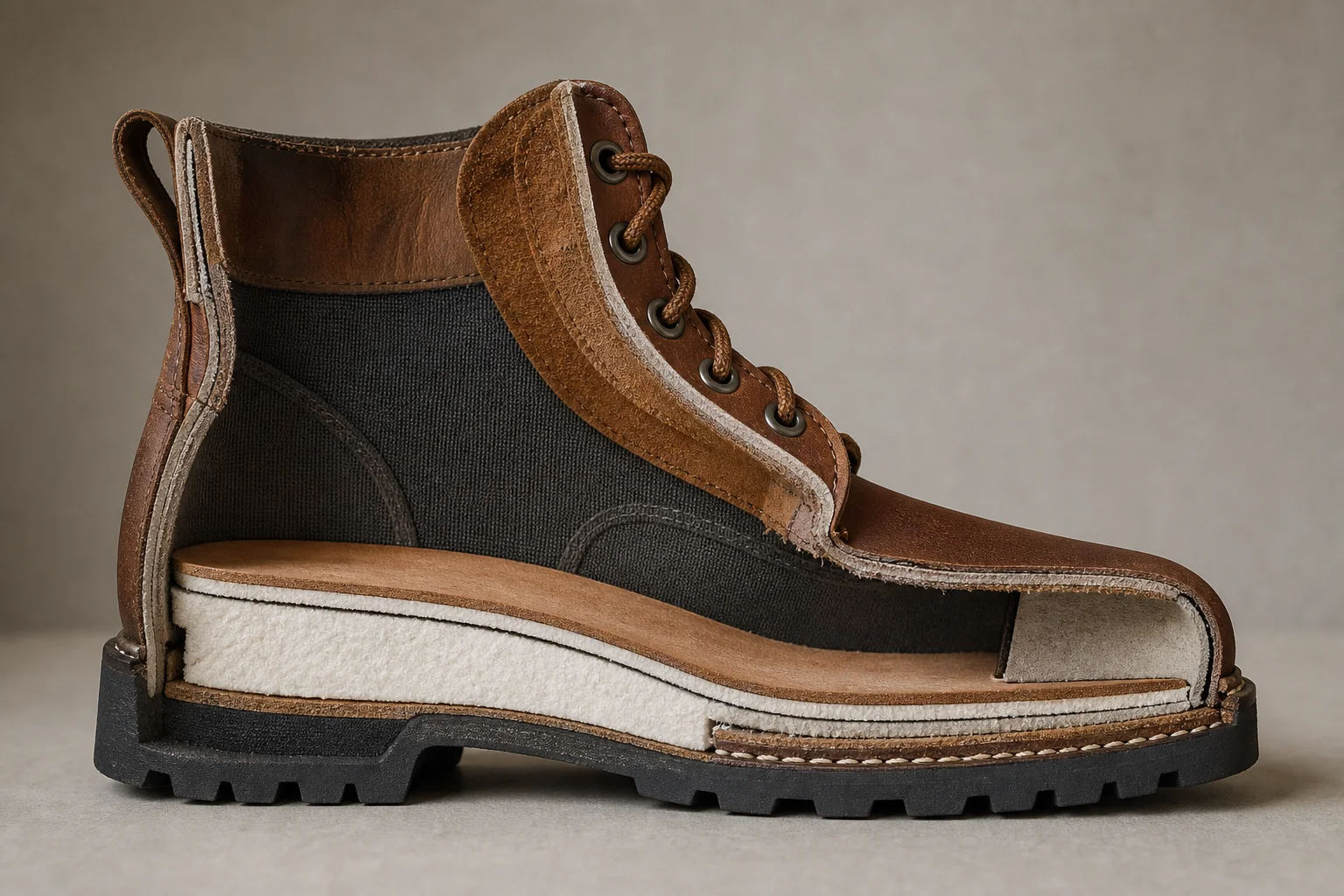
A notable difference emerges in the midsole structure. The Cincinnati uses a traditional hard rubber midsole layer sewn to the welt, then topped with foam. The Liberty abandons this approach entirely, using a softer foam midsole instead. This makes the Liberty’s construction less traditionally “Goodyear welted” and more of a hybrid direct-injected design. Both boots feature synthetic welts rather than leather, a cost-saving measure common even in higher-end heritage boots.
The Liberty includes a leatherboard heel counter, a feature typically found in boots priced above $300. This represents genuine attention to traditional bootmaking details. The Cincinnati uses a synthetic heel counter, adequate but less refined.
Comfort and Fit Differences
Keen’s reputation rests on anatomically wide toe boxes, and both boots deliver. The Cincinnati uses fabric lining throughout with moisture-wicking material in the forefoot and heel. The Liberty takes a more traditional approach with unlined quarters and a real leather heel counter, relying on leather’s natural breathability rather than synthetic moisture management.
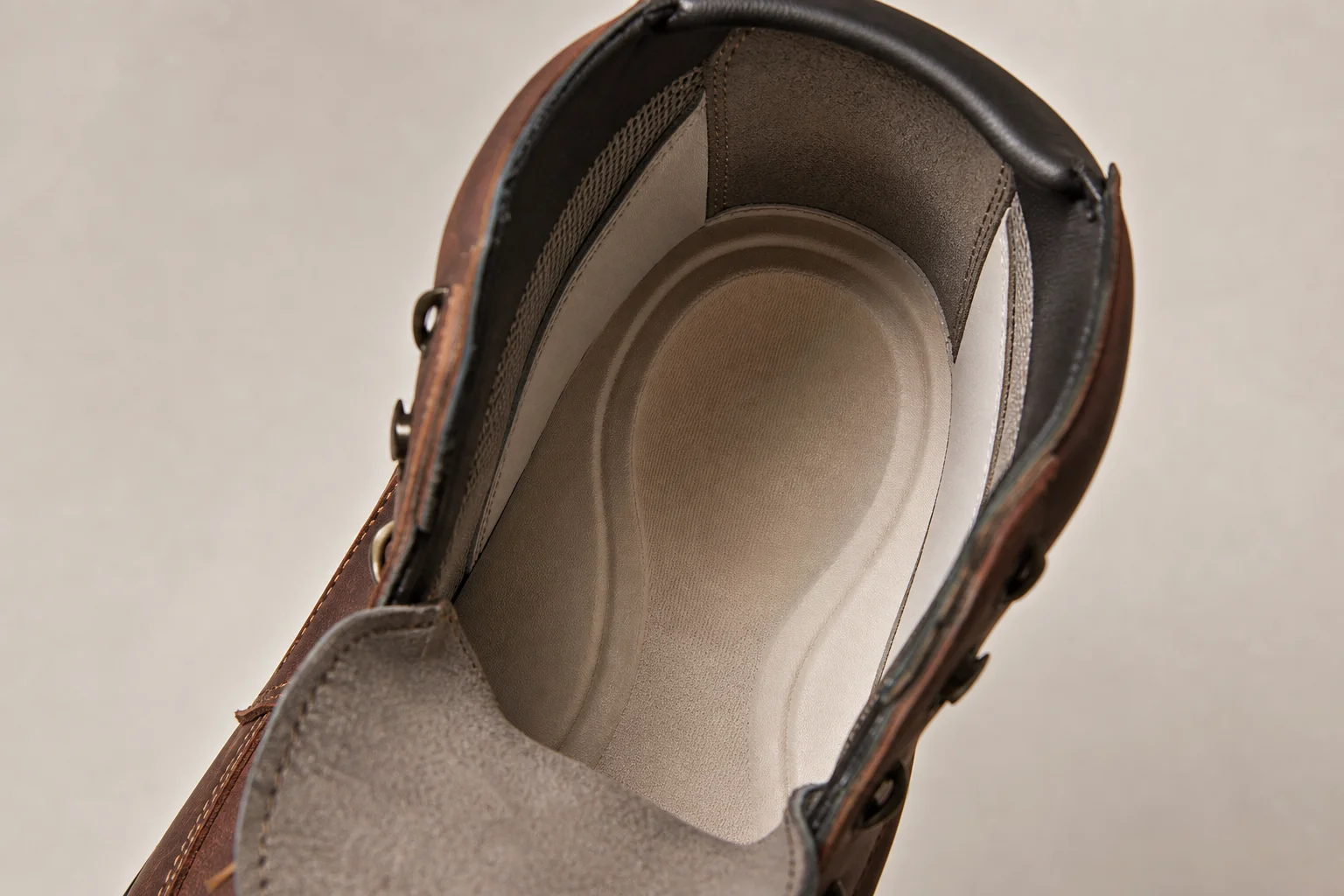
Internally, the Liberty features an extra layer of soft foam on the insole, though the practical difference is minimal. The most unusual feature appears in the Liberty’s toe box: a thick, structured toe stiffener that is neither steel nor composite. This intermediate protection offers some impact resistance without the weight or rigidity of a true safety toe. It’s an unconventional choice that adds protection while maintaining the boot’s soft toe classification, though opinions on its necessity vary.
Both boots have similarly squishy midsoles of comparable hardness, making initial comfort nearly equivalent. The Cincinnati may have slightly more cushioning, but the difference is subtle. For all-day wear, both perform well, though the Liberty’s traditional leather lining may feel more premium and smell better than synthetic alternatives.
Outsole Performance and Durability Testing
The Cincinnati’s outsole is more aggressive, with deeper lugs and a 55 Shore A hardness rating. The Liberty uses a flatter, less lugged design at 65 Shore A, making it more rigid but potentially less grippy. The Cincinnati is also sewn through at the toe for extra durability, while the Liberty is not. This suggests the Cincinnati is engineered for heavier duty work.
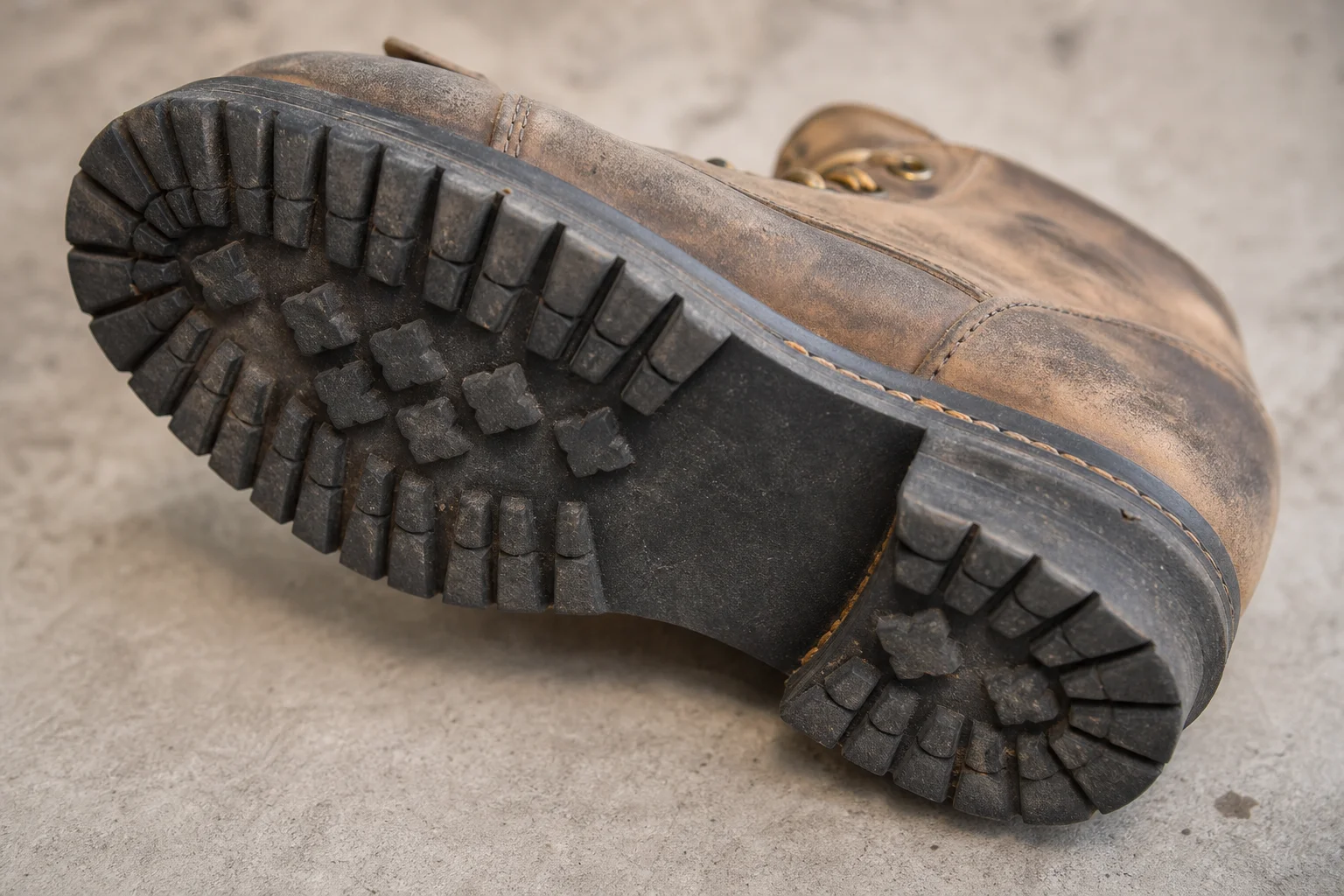
Drop tests showed both boots handling 6 and 12-inch drops equally well. Puncture testing revealed a larger gap: the Cincinnati withstood 130 pounds of force while the Liberty managed 90 pounds. The Liberty’s thinner outsole, while lighter, may wear faster at the heel and toe, potentially compromising stability once the rubber scuffs through to the foam beneath.
Overall Rankings and Value Assessment
Comparing durability, comfort, width, casual-to-heavy-duty appearance, and value:
Keen Cincinnati: Durability 8/10, Comfort 8/10, Width 9/10, Heavy-Duty Look 9/10, Value 9/10
Keen Liberty: Durability 7/10, Comfort 8/10, Width 8/10, Heavy-Duty Look 7/10, Value 7/10
The Cincinnati remains the better value if you prioritize proven durability and don’t require US manufacturing. At $190, it delivers exceptional performance for the price. The Liberty, at $285, justifies its cost through US assembly, premium leather, and traditional construction details like the leatherboard heel counter. However, its unconventional toe stiffener and less aggressive outsole suggest it’s positioned more toward comfort and heritage appeal than maximum durability.
Conclusion
The Liberty is not simply a Cincinnati with a facelift. It represents a genuinely different approach: more traditional in some respects, more innovative in others, with a focus on premium materials and domestic manufacturing. The Cincinnati remains the more durable, heavy-duty option and the better value for work environments demanding maximum puncture resistance and outsole longevity. The Liberty appeals to buyers who value US manufacturing, traditional construction methods, and premium leather, accepting slightly lower durability ratings in exchange. Neither boot is objectively superior; the choice depends on whether you prioritize proven performance or heritage craftsmanship.
Product link
View more details for Keen Cincinnati 6-in Waterproof Soft Toe
This product is mentioned in the review. Check the specifications, options, and compatibility before buying.
View more details for Keen Cincinnati 6-in Waterproof Soft ToeFurther reading