Ski Gear
Kastle ZX 100 vs Kastle Paragon 101: Which Freeride Ski Suits You?
Two Kastle freeride skis share a family shape but split on construction: a camber-driven, agile ZX 100 and a metal-layered, powerful Paragon 101.
Introduction
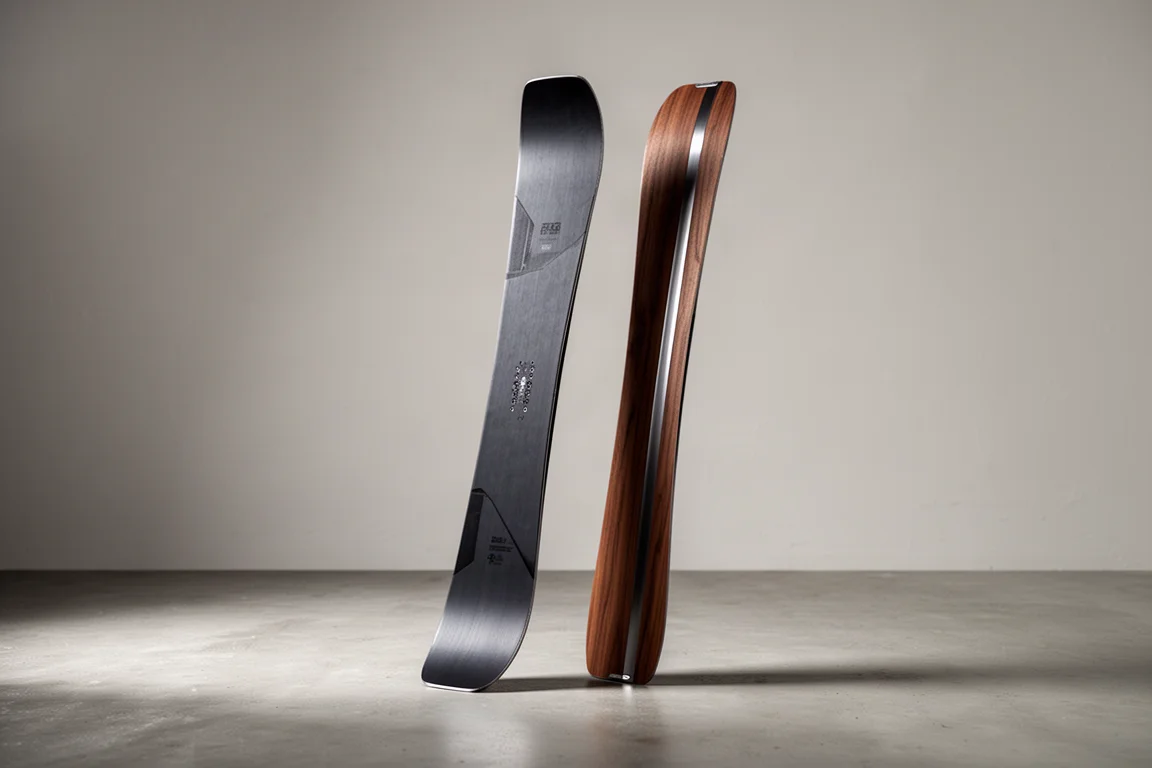
Two skis from the same freeride family, built two different ways. The Kastle ZX 100 measures 100 mm underfoot and leans on camber, a lighter wood core, and a tapered, slightly spooned shovel. The Kastle Paragon 101 keeps a similar overall shape and style but adds a stiffer wood core and two sheets of metal for a damper, more powerful ride.
That means the decision is less about which ski is stronger on paper and more about how you actually spend your days on the hill. This guide breaks down what each model does well, where each one asks more of the skier, and how to choose with confidence.
How the Kastle ZX 100 and Paragon 101 Differ
The ZX line was built as a freeride family, and the different widths in the range change how quick and agile each ski feels. At 100 mm underfoot with a 16.4 m turn radius in the 175 cm length, the ZX 100 sits in the mid-fat range that handles softer snow well without giving up groomer performance.
The Paragon 101 takes the same general shape and style in a different direction. Where the ZX 100 uses camber underfoot to create energy and edge grip, the Paragon 101 gets its power from a stiffer wood core and two sheets of metal.
The practical difference shows up in how each ski responds. The ZX 100 is the more mobile and agile of the two, with a livelier feel and a softer shovel that is easy to steer. The Paragon 101 is the more planted option, and it is the better match for riders who want to push hard on firmer snow at higher speeds.
Kastle ZX 100: Quick, Floaty, and Easy to Turn
The ZX 100 is a carryover model with the same construction, shape, profile, and graphics as the previous season. It blends poplar and beech in its wood core. Beech is dense and contributes stability, and the 175 cm length weighs 1,850 g on the scale. That puts it on the heavier side for a ski without metal, and the Hollow Tech section in the shovel reduces vibration to keep the ride quieter.
Flex is deliberately uneven across the ski. The shovel is softer, the middle becomes more supportive, and the tail is stiffer, which gives a satisfying kick at the end of a turn. Taper is generous, with the widest part of the ski brought well down the length, and the rocker starts well down the ski too. The result is a ski that tips into a turn easily in soft snow instead of fighting the camber.
For a 100 mm ski, flotation is a genuine strength, helped by the lighter weight, the more flexible shovel, and the wider tapered shape. It is comfortable in bumps and soft snow, and it stays fun on groomers.
Kastle Paragon 101: Damp, Powerful, Built for Speed
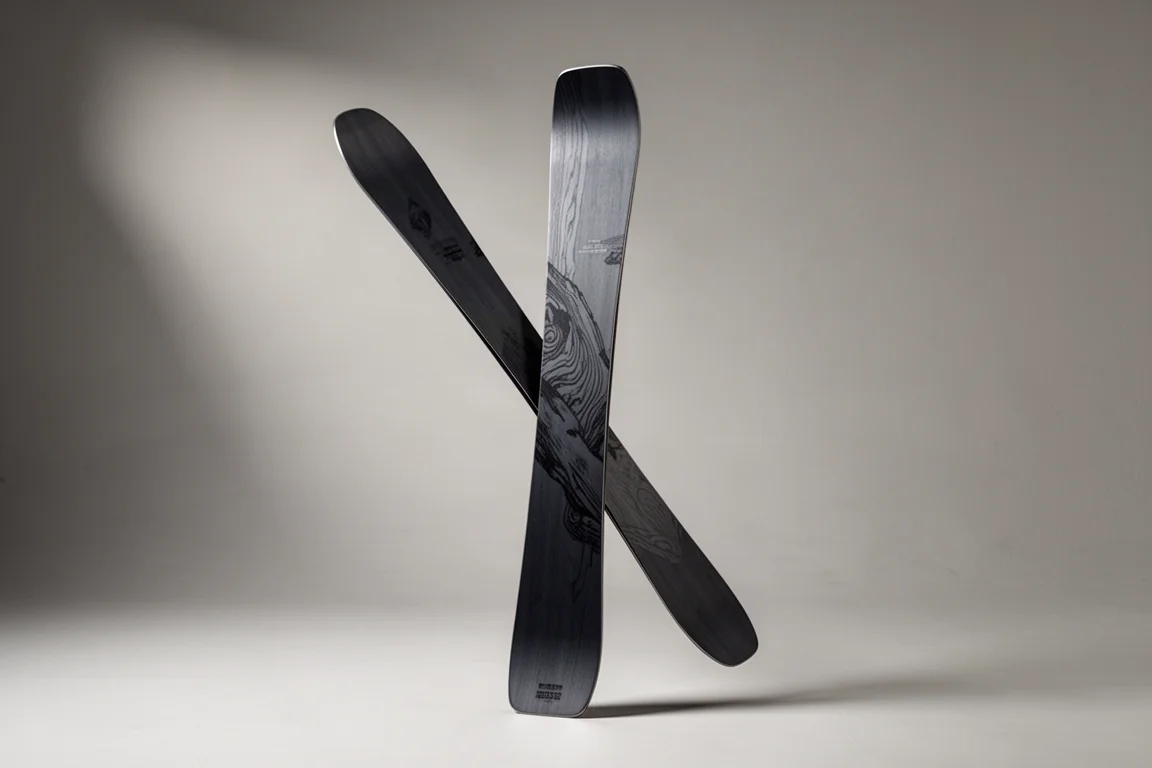
If you like the shape and style of the ZX 100 but want something more damp and powerful for higher speeds on firmer snow, the Paragon 101 is the direct answer. Its stiffer wood core and two sheets of metal produce a stronger performing ski with more composure when the surface gets hard.
That extra capability comes with more demand. The Paragon 101 suits an aggressive, committed style, and it gives back more the harder it is pushed. Riders who prefer to stay nimble and conserve energy through a long day may find the lighter, quicker feel of the ZX 100 easier to live with.
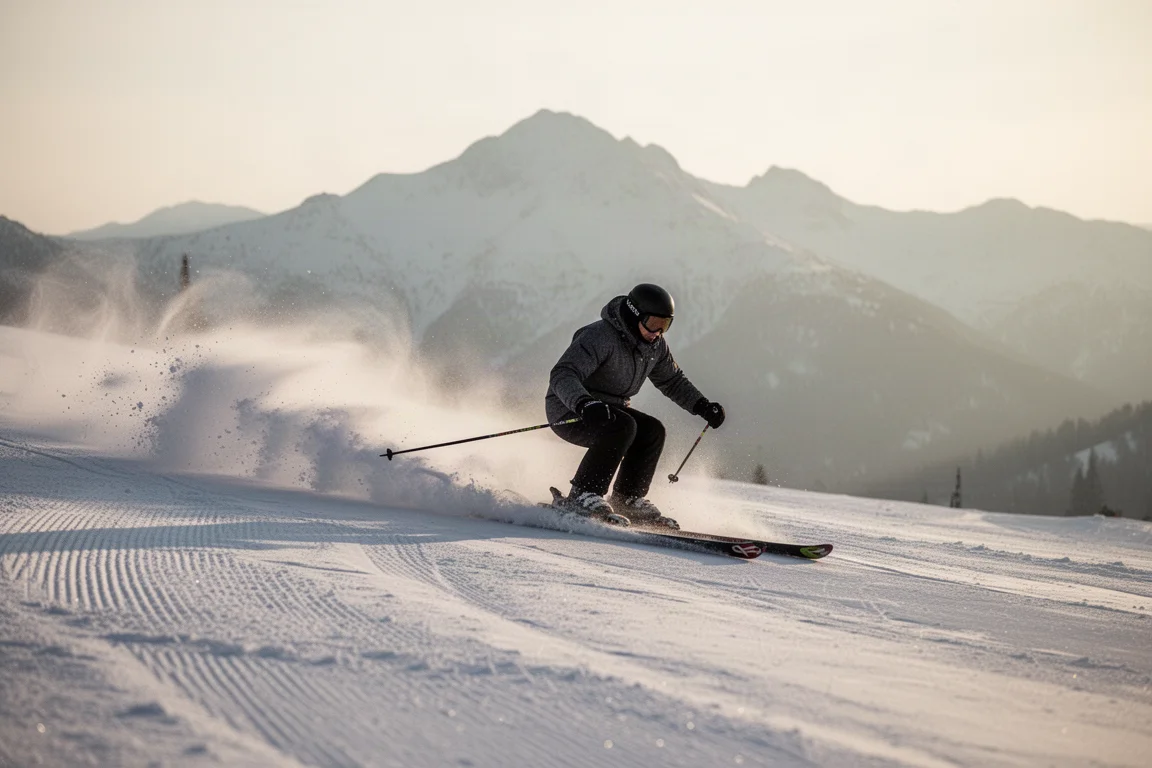
On firm groomers the metal construction is what separates the two models. In soft snow, tight trees, and mixed conditions, the ZX 100’s lower weight and softer shovel often do more of the work for less effort.
Construction, Weight, and Shape Notes
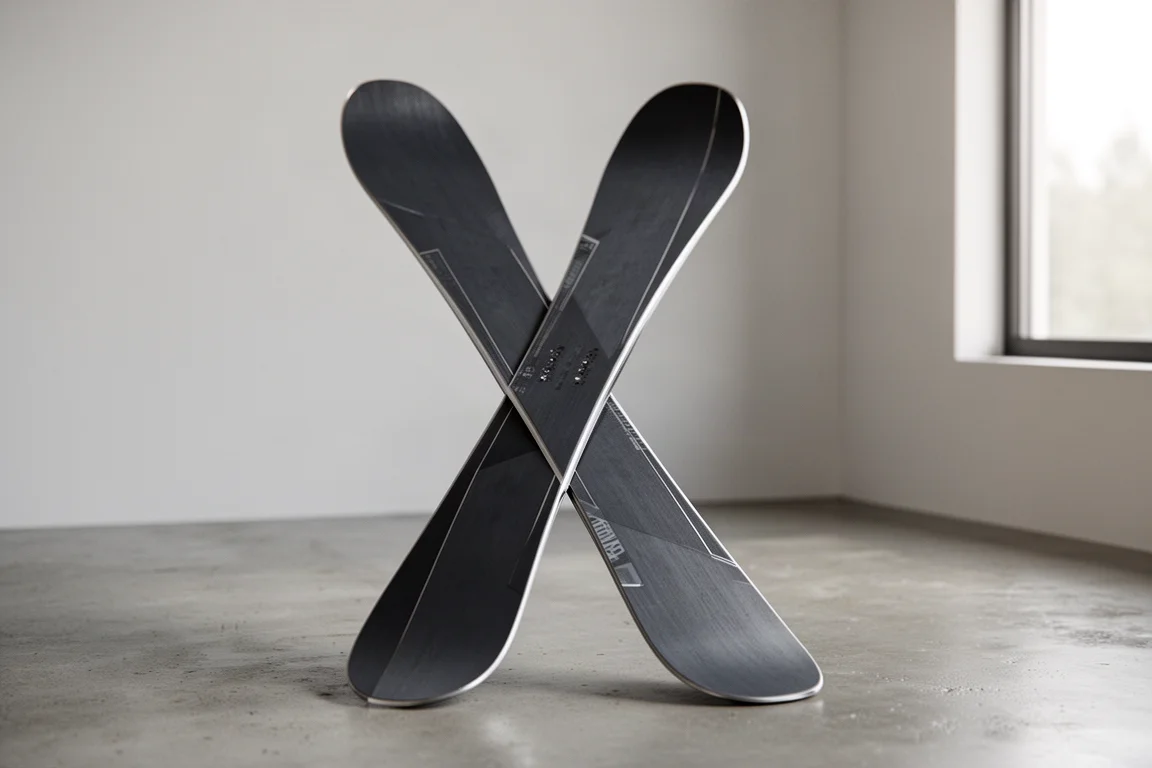
The ZX 100’s numbers tell a consistent story. A 1,850 g weight in the 175 cm length without metal means the ski carries some mass for stability while staying manageable. The poplar and beech core supports that balance, and Hollow Tech in the shovel targets vibration rather than stiffness, which is why the tip stays soft and forgiving.
Shape works alongside the construction. Heavy taper brings the widest point of the ski well down the length, which adds mobility, and the spooned shovel improves flotation. Rocker starting well down the ski keeps the front end off the snow and makes turn entry easier, while the tail carries a slightly more all-mountain character along with some taper of its own.
The Paragon 101 changes only the parts that matter for power. A stiffer core and two metal sheets add damping and edge grip on firm snow, so the ski holds together better as speed rises.
Terrain, Snow, and Skill Level: Where Each Ski Shines
In regions with frequent snowfall and thaw cycles, a ski in the 100 mm range is a practical daily choice. A floaty freeride shovel helps the ski stay on top of soft snow and steer through technical terrain, while edge grip and a supportive tail matter once the lines tighten up.
The ZX 100’s supportive tail provides edge grip throughout the turn, and its combination of camber, taper, and flex works in bumps, soft snow, and groomers. It suits intermediates who are progressing and want a mid-fat ski for softer conditions, and it also works for advanced and expert skiers who prefer something peppy and energetic.
The Paragon 101 is aimed at riders who want to be more aggressive. If you want the same overall shape and style with more damping and power for firmer, faster skiing, it is the model built for that job.
Common Questions About Choosing Between Them
Is the Paragon 101 the stronger ski? On paper, yes. The stiffer wood core and two sheets of metal make it the more powerful and more damp ski, and it holds up better at higher speeds on firmer snow. That does not automatically make it the right ski for everyone.
Which one is easier to ski? The ZX 100. It is not the highest performing ski in the line and it is not terribly demanding, which is exactly why it works across such a wide range of riders. The Paragon 101 asks for a more committed style.
Is 100 mm underfoot the right width? For places that see frequent snowfall, a ski in the 100 mm range covers a lot of ground. A more floaty, freeride-oriented shovel helps the ski stay on top and steer through technical terrain without giving up groomer performance.
Buying Advice: Choosing With Confidence
Start with the question of what most of your days actually look like. If you want a ski that stays nimble and agile underfoot, delivers easy flotation in soft snow and tight trees, and does not require maximum effort to get the most out of it, the ZX 100 is the natural pick. It is not the highest performing ski in the range, but it has a nice balance and a genuinely fun kick out of the tail.
If you spend more of your time on firmer snow at higher speeds and want a ski that stays damp and powerful when you push it, the Paragon 101 is worth the extra demand. It is the stronger performing ski of the two, and it rewards riders who ski aggressively rather than occasionally.
Both skis share a family shape, so the decision comes down to construction and intent. Choose the ZX 100 for agility, easier float, and a lighter feel. Choose the Paragon 101 for damping, edge grip, and power at speed.
Conclusion
The Kastle ZX 100 and Kastle Paragon 101 are close relatives with very different personalities. The ZX 100 earns its place as a versatile mid-fat freeride ski that is quick, floaty, and forgiving enough for progressing intermediates, while still lively enough for advanced and expert skiers who prefer a peppy ride. The Paragon 101 takes the same shape and adds a stiffer core and two sheets of metal for riders who want more power and composure at speed.
Neither is universally better. Match the construction to the way you ski most often, and either ski will do exactly what it was designed to do.
Further reading
Related Reviews

Ski Gear
2023 Blizzard Hustle vs Rustler: Six Freeride Skis Compared
Blizzard's 2023 Hustle collection rebuilds the Rustler shape with a lighter core and no metal. Here is how all six skis differ, and which one suits your riding.

Ski Gear
2023 Skis of the Year: Atomic Maverick 88 TI, Salomon QST 106, and Look SPX 12 Pro
Three standout ski picks for all-mountain carving, powder days, and reliable binding performance, with practical buying notes for 2023 models.

Ski Gear
2025 Nordica Enforcer 104 Review: A Directional Charger Replaces the 104 Free
The 2025 Nordica Enforcer 104 drops the Free name and the twin-tip personality, gaining weight, stiffness and composure in rough snow. Here is what changed and who it suits.