Alpine Skis
Kästle RX12 GS Review: Race-Level Grip in a GS-Inspired Frontside Ski
A focused look at the Kästle RX12 GS, a stiff, metal-laminated frontside ski with a 68 mm waist, full camber, and a race-bred feel built for advanced and expert skiers.
Introduction
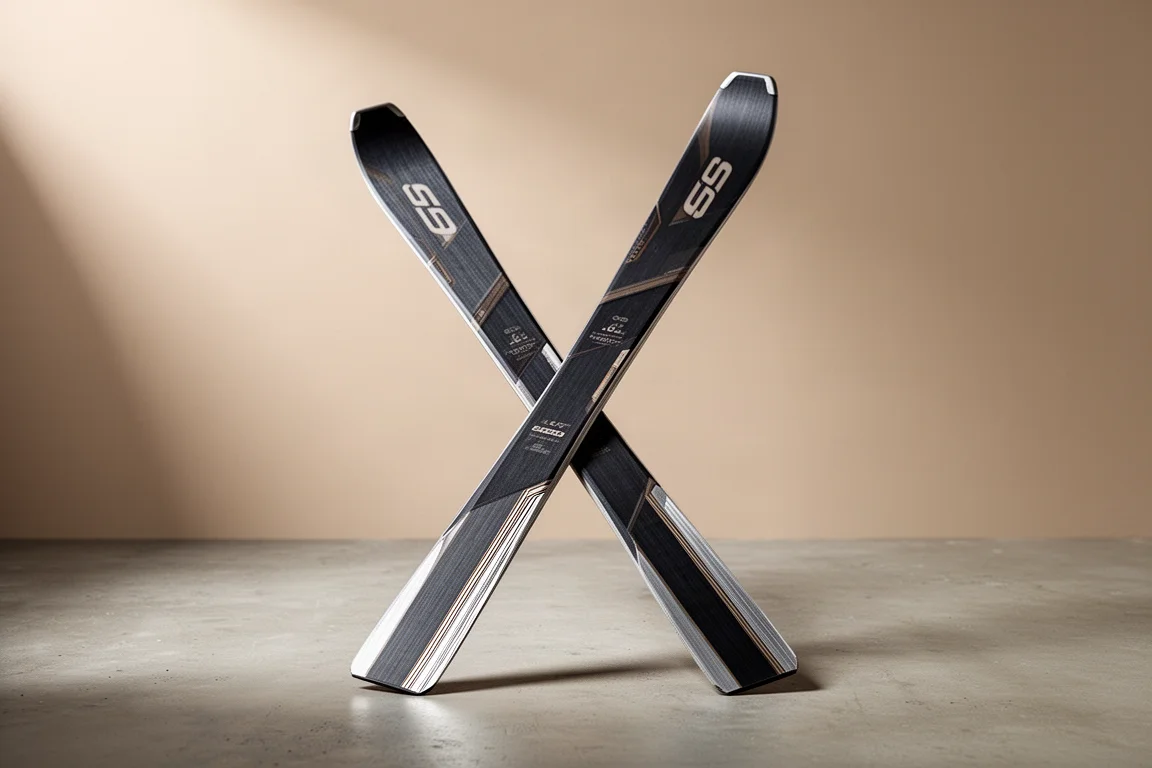
The Kästle RX12 GS is a GS-inspired frontside ski that packages race-derived construction into a shape more skiers can realistically use. A 68 mm waist, two sheets of metal, and a fully cambered profile put it squarely in the advanced and expert category, and it rewards anyone who already knows how to stand over a ski and drive it.
It is not a ski that flatters a casual turn. It is a ski that pays back precision with precision, and that makes it worth understanding before you commit.
Who This Ski Is For
The RX12 GS is built for advanced and expert skiers, including former racers who still want that exact, high-edge-angle feel on groomed terrain. The 68 mm waist is the clearest statement of intent: it keeps the ski quick edge to edge and locked into the snow, but it also means you need a nice balance over your skis to manage a platform this narrow. Skiers who are comfortable on a stiff, narrow ski will find it does precisely what they ask of it.
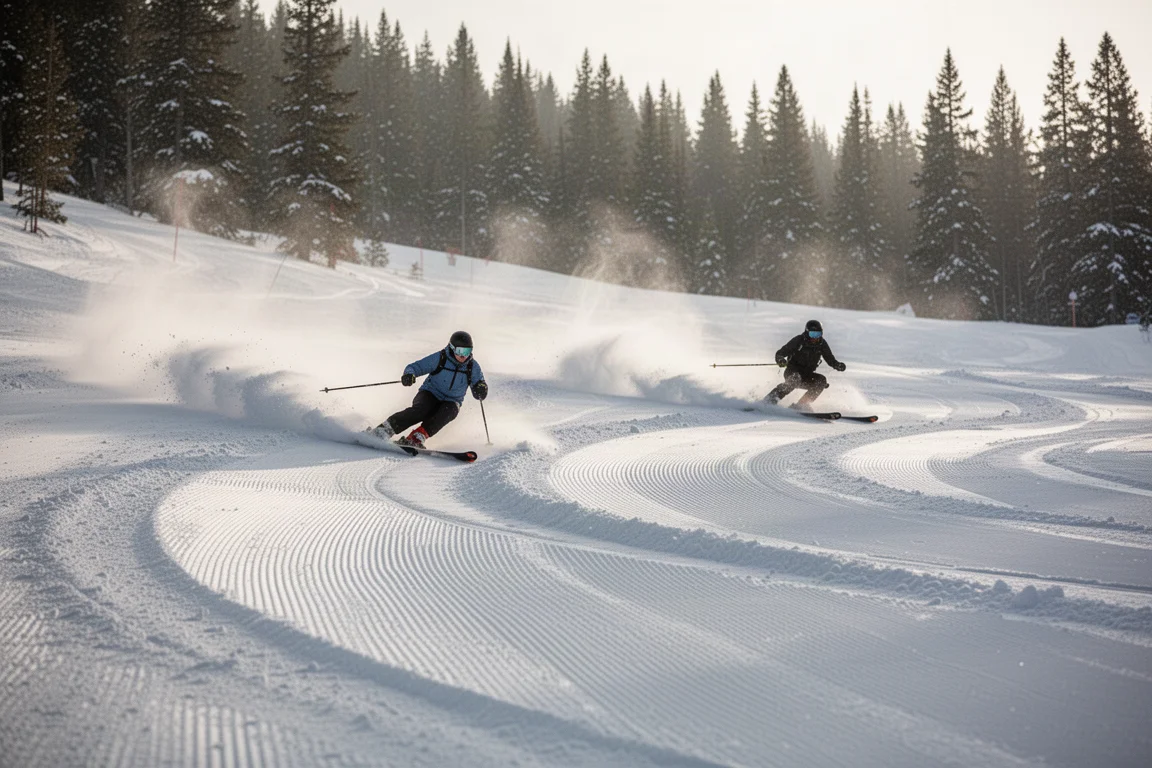
Within that group, the ski makes the most sense for frontside carving, all-mountain carving on firm snow, and citizens or beer league race courses, where its race-like feel and finish translate directly into confidence at speed. It is a ski that suits a skier with a technical background far more than one who is still building turn shape.
Main Strengths
Edge grip and precision are where this ski separates itself. The core pairs poplar and beech with tighter stringers, producing a denser, more tightly packed core that gives the ski a stronger, more planted feel underfoot. Two sheets of metal and two fiberglass laminates add to that burly build, and the result is a platform that stays strong and stable when you push it.
The Hollowtech race construction is stiffer than the all-mountain and freeride versions, which lines up with the ski’s overall GS-style flex. Full camber runs tip to tail with no rocker and no taper, so the ski grips the snow tightly and hooks into the turn as soon as it goes on edge.
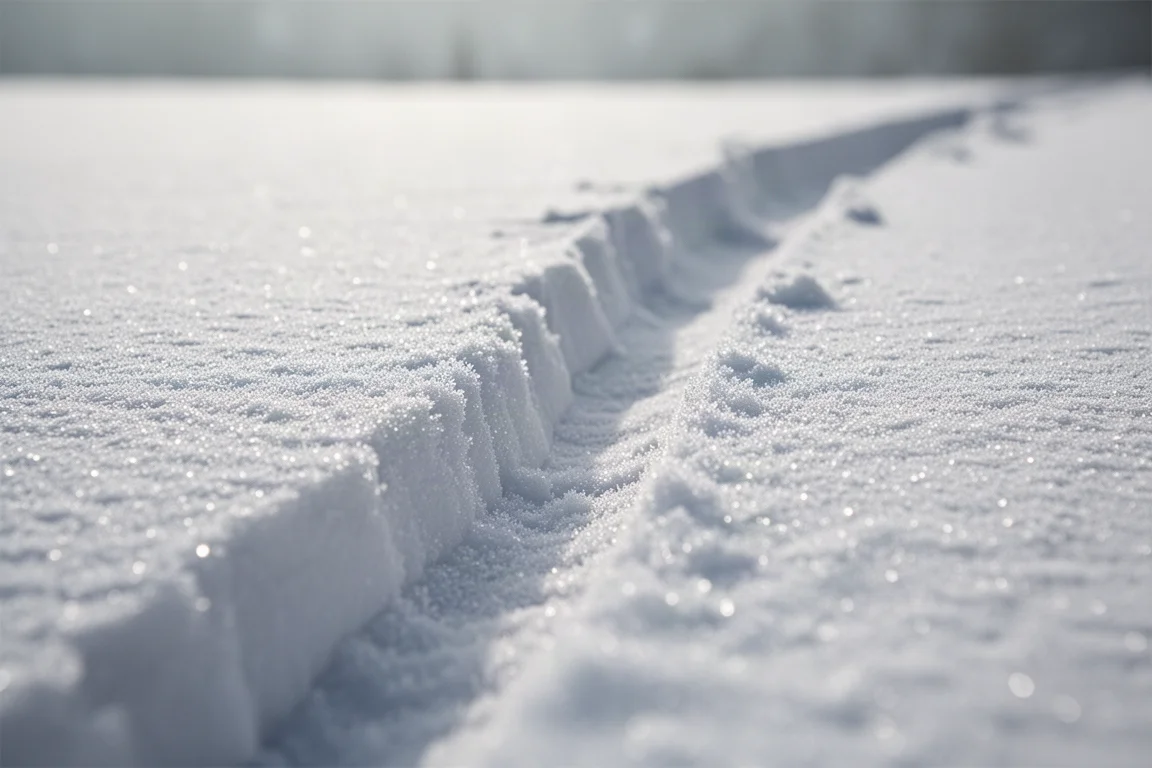
The tail is flat, capped, and backed with solid metal. It holds to the very end of the turn rather than releasing playfully, which propels you into the next turn with speed and with intent. At 183 cm the turn radius measures 19.5 meters, and that arc lengthens as you move up in size.
Things to Consider Before Buying
The 68 mm waist is the main filter on this ski. It is narrow enough that it can feel grabby and jittery to skiers who are not used to a race-oriented platform, and it is not the tool for soft snow, freeride terrain, or a relaxed, playful style. You need to know how to use a ski like this, and you need to be balanced over it.
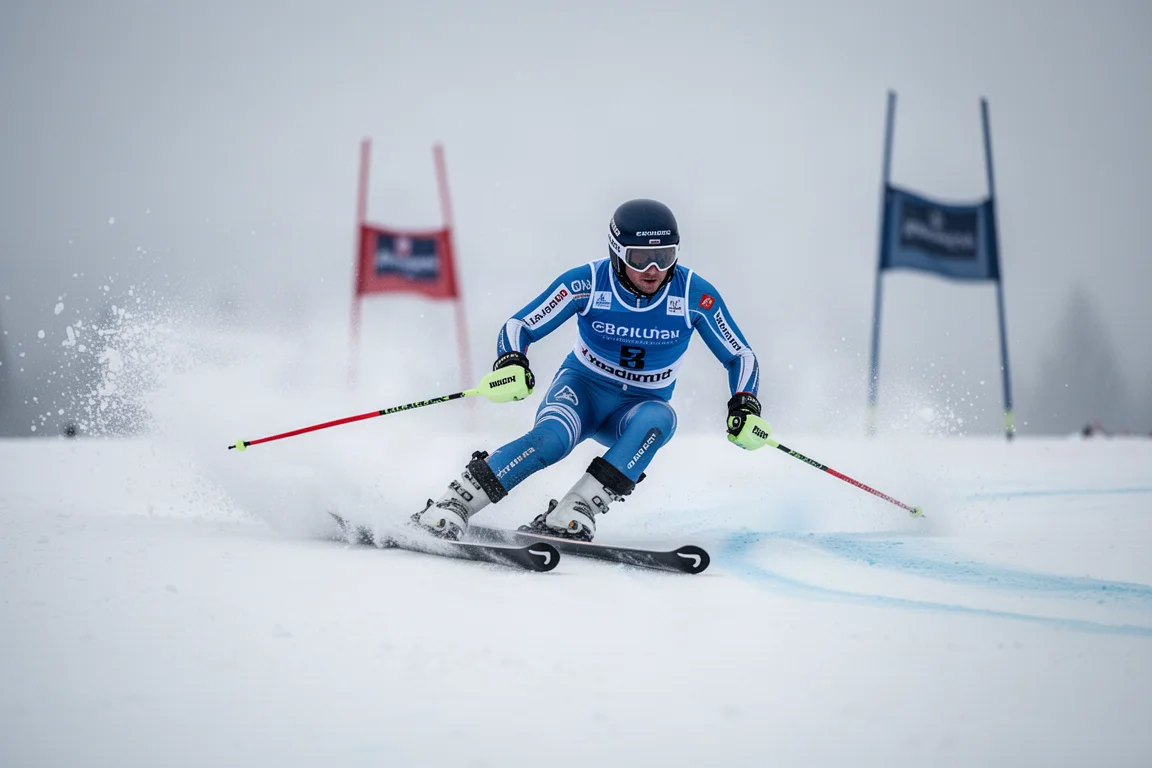
The stiff flex and full-camber profile also mean there is very little forgiveness built in. The tail does not release easily, so the ski asks for commitment through the finish of the turn rather than letting you slide out of it. It is also worth being clear about the level: this is a high-end recreational race ski with GS character, not a FIS-level GS race ski.
Buying Advice
Choose the RX12 GS if you are an advanced or expert skier who spends most of the day on groomed frontside terrain and wants race-level edge grip without stepping all the way into a full FIS race ski. It is a natural fit for former racers, strong technical skiers, and anyone running citizens or beer league race courses.
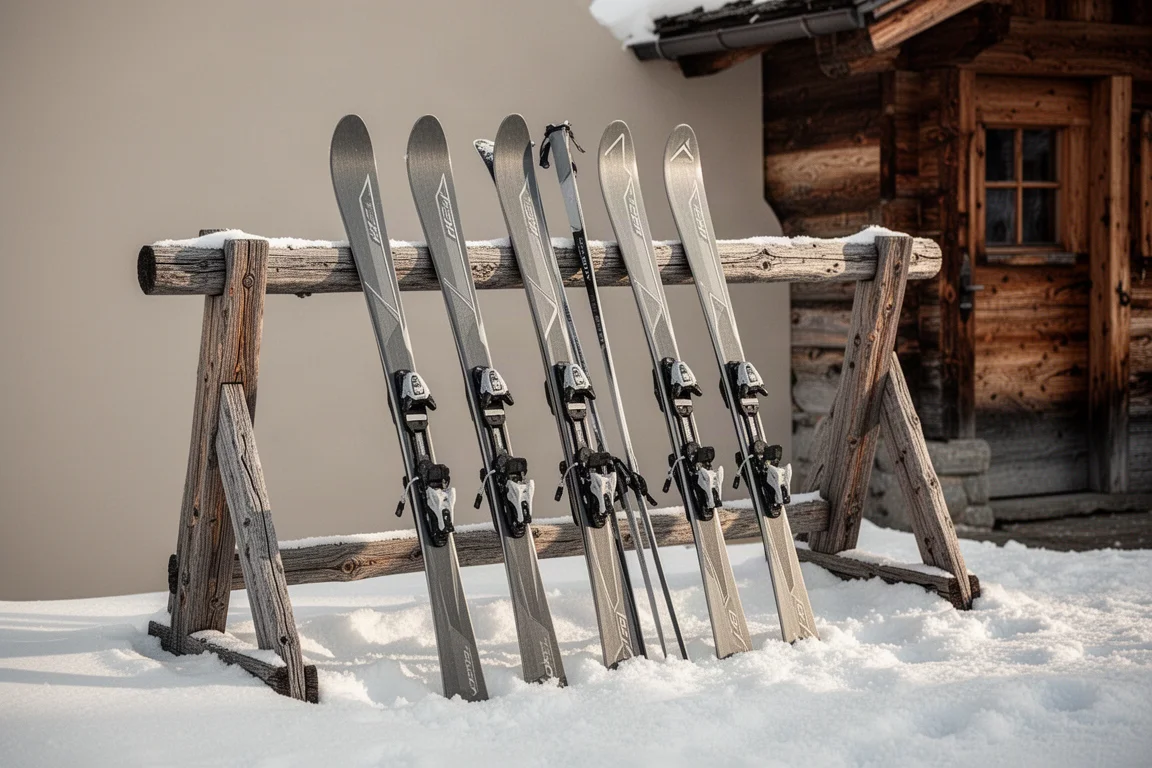
Sizing deserves some thought. The 19.5 meter radius at 183 cm gives a longer arc, and the radius grows with length, so shorter sizes will feel quicker and longer sizes will feel more like a proper GS platform. Match the length to the turn shape you actually want rather than to the longest number available. If your days are mostly soft snow, park laps, or relaxed cruising, this is the wrong tool, and a wider, more forgiving ski will serve you better.
Conclusion
The Kästle RX12 GS is a focused ski with a clear brief: precise, powerful, race-flavored frontside performance in a slightly more user-friendly GS shape. It is demanding, and it will not suit every skier, but for the right advanced or expert skier it delivers exactly the grip and intent it promises.
Product link
View more details for Kästle RX12 GS
This product is mentioned in the review. Check the specifications, options, and compatibility before buying.
View more details for Kästle RX12 GSFurther reading
Related Reviews
Alpine Skis
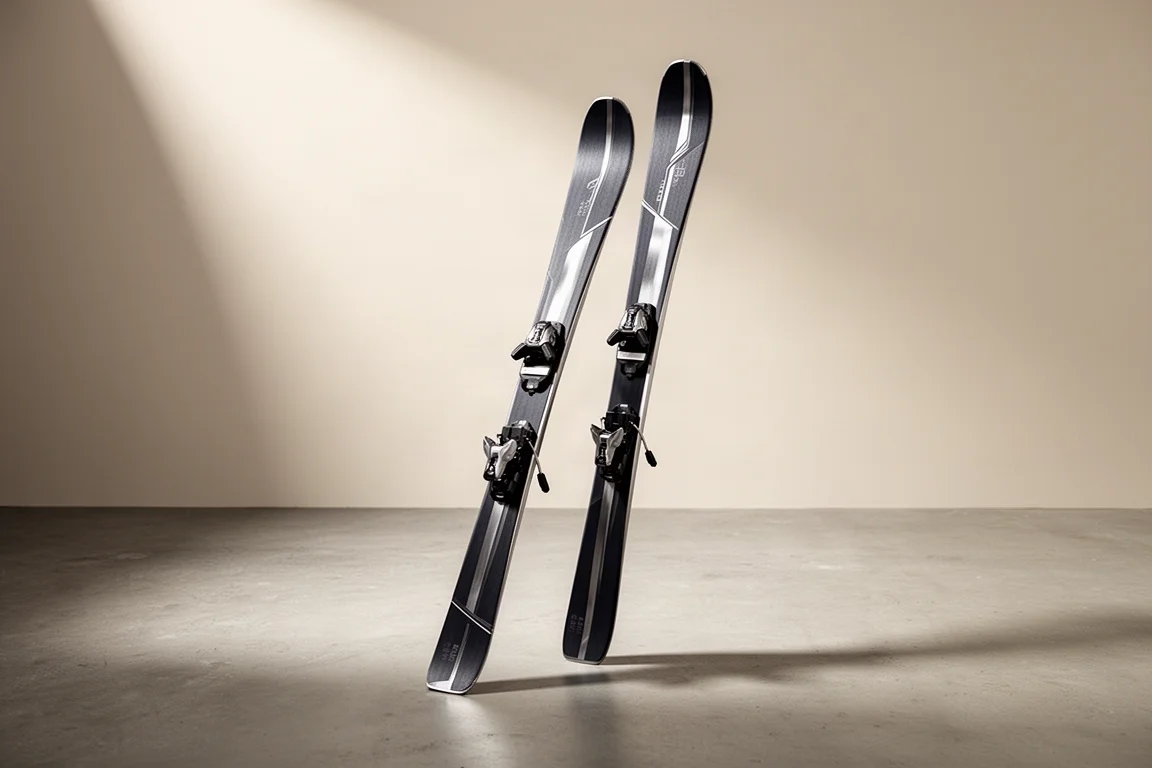
Atomic Redster X9 Review: An Ultra-Precise Carving Ski for Firm Snow
A close look at the Atomic Redster X9, a 65.5 mm carving ski built for firm groomed snow, covering its construction, strengths, limits, and who should buy it.
Alpine Skis
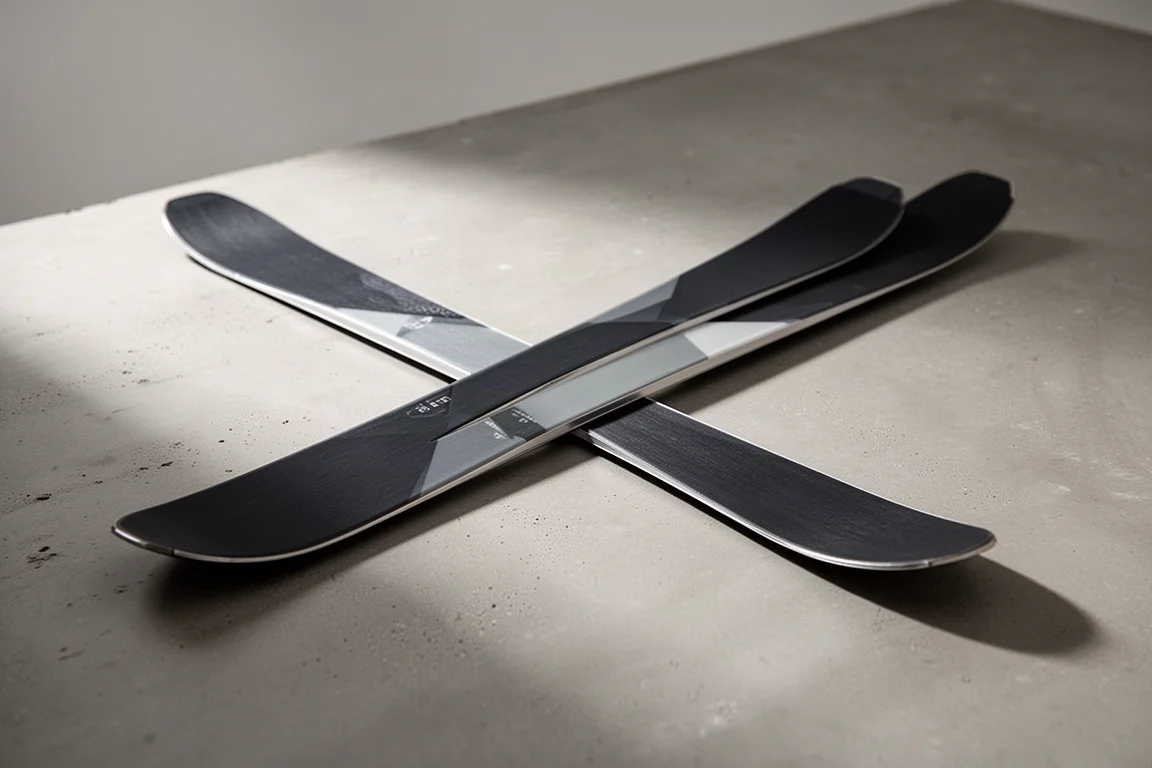
Atomic Redster X9 S Review: A Precision Carving Ski for Firm Snow
The Atomic Redster X9 S pairs a 65.5 mm waist with race-derived construction and steel damping, delivering knife-like precision on firm groomers.
Alpine Skis
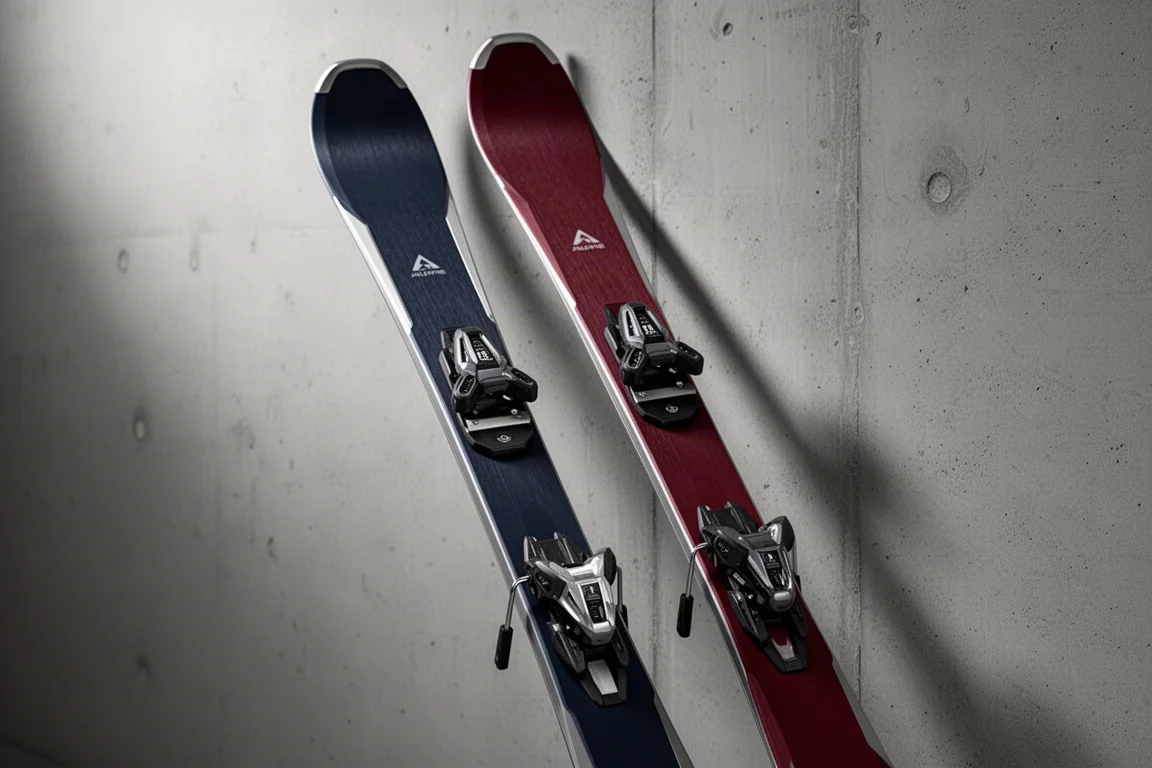
Blizzard Thunderbird R15 WB Review: A 76 mm Frontside Carver Compared With the Firebird HRC
A practical look at the Blizzard Thunderbird R15 WB, its TrueBlend core and Active Carbon Armor, and how it differs from the race-oriented Firebird HRC.