All-Mountain Skis
Kästle MX88 vs Stöckli Stormrider 88: Two Premium 88 mm All-Mountain Skis Compared
A side-by-side look at two premium 88 mm all-mountain skis with metal laminates, one built for precision and power, one built for forgiveness.
Introduction
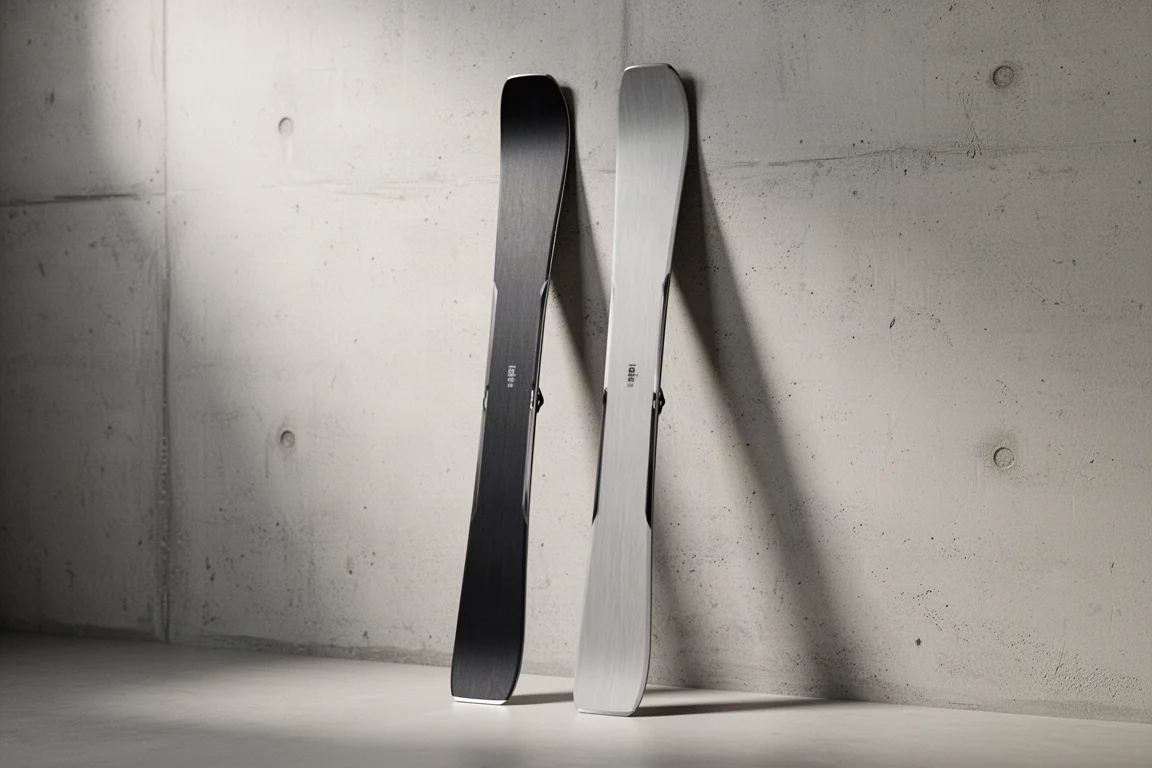
Two all-mountain skis with an 88 mm waist and two sheets of metal in the build sound like they should behave the same way. The Kästle MX88 and the Stöckli Stormrider 88 do not. Both come from established ski makers and both sit in the premium part of the all-mountain market, yet one is built around precision and raw power while the other is built around forgiveness.
That single difference shapes everything else: how each ski wants to be sized, which snow conditions flatter them, and which type of skier will actually enjoy owning one.
What These Two Skis Have in Common
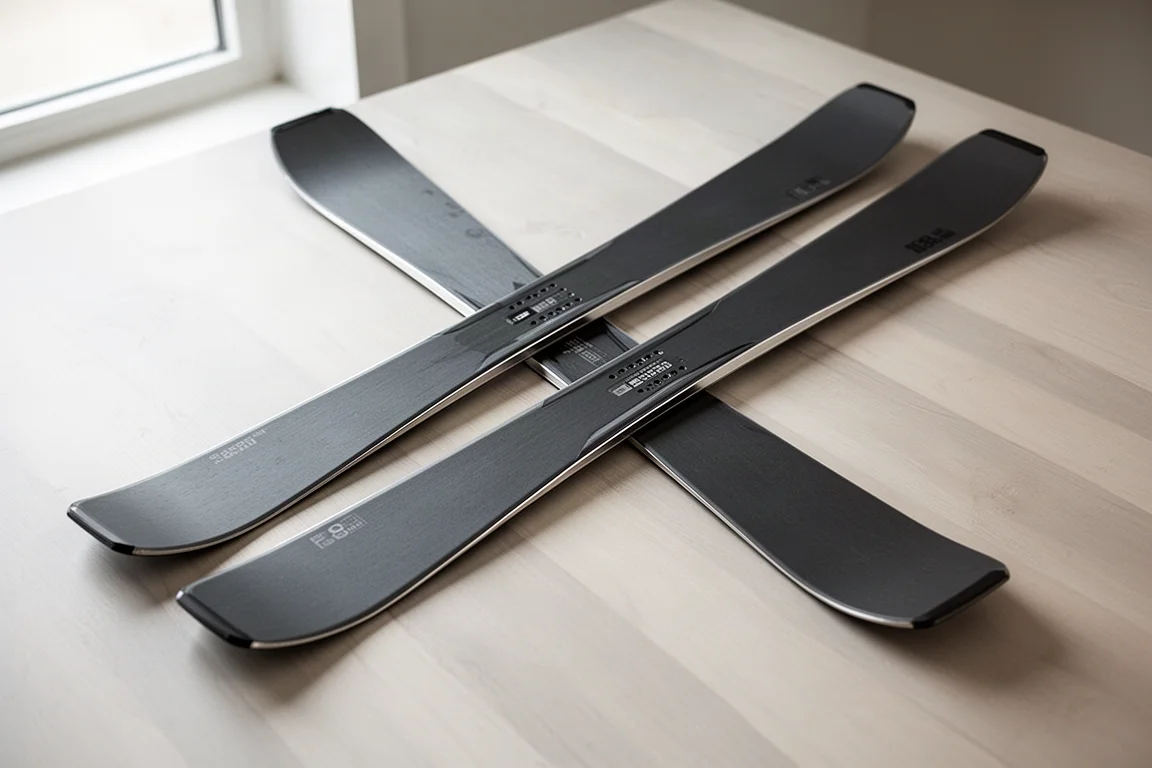
The MX88 measures 88 mm underfoot and uses two sheets of metal, paired with a poplar and beech core and pre-preg fiberglass. It also carries the Hollow Tech construction forward rather than changing it for the current season. The Stormrider 88 shares the same 88 mm waist and the same metal-laminate approach, which is exactly why the pair invites comparison.
Identical waist widths and a similar build philosophy make the differences stand out more, not less. One ski sharpens every input, the other absorbs some of it.
Kästle MX88: Precision and Power
The MX88 is deliberately not a homogeneous ski. Hollow Tech lightens the swing weight and makes turn initiation noticeably easier, and the tip bends into the arc without much resistance. Behind that tip the story changes: the middle and rear of the ski are stiff, locked in and built to hold an edge under load.
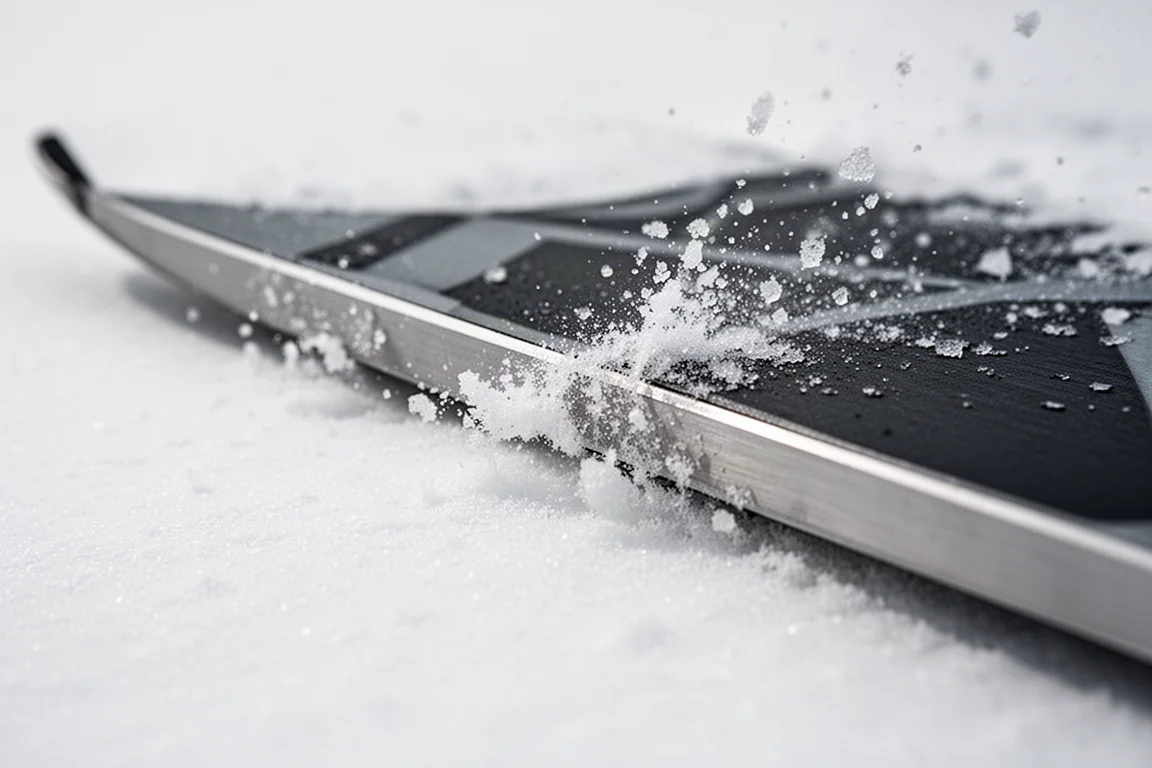
The tail is the clearest statement of intent. There is no freeride-style rocker and no friendly taper back there, just a strong, squared-off tail that finishes turns with authority. You have to work to complete an arc, because the ski will not finish the last third of the turn for you. The reward is that the next turn starts almost on its own, and stability at speed is never in doubt. The fiberglass layup also gives the ski a distinctive pinging sound through the transitions, which on firm snow reads as a signal that the edge is about to bite.
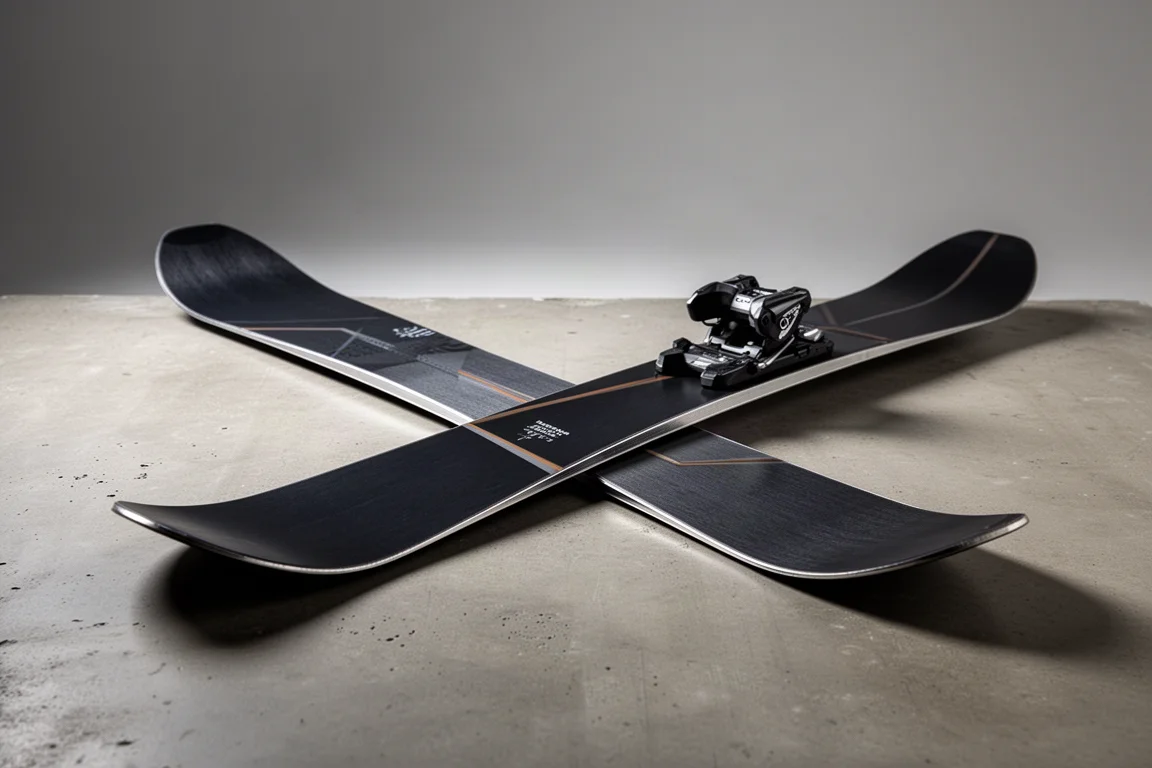
Stöckli Stormrider 88: The More Forgiving Ride
The Stormrider 88 takes the same ingredients and softens the result. Its tail is a friendlier, freeride-oriented shape that releases far more easily, and the ride is quieter and much less demanding overall. There is still metal in the build and there is still grip on offer, but it does not deliver the same uncompromising power.
The gap between the two shows up most clearly once conditions stop being perfect. On smooth, firm groomers both skis feel excellent. As the surface gets more variable, the Stormrider keeps more of its composure and asks less of the person driving it. It is the difference between a large, comfortable sedan and a car lowered to the point of having almost no suspension travel: both are quick, but only one is easy to live with every day.
How They Compare on Snow
Firm snow is where the MX88 makes its case. On cold, freshly groomed terrain it is crisp, precise and completely settled at speed, with an 18.8 m turn radius in the 181 cm length and a tighter figure around 17.1 m in the 174 cm. Move it into soft, variable snow and it becomes far more demanding: the softer tip can bend unpredictably, the stiff rear has no suspension to fall back on, and the ski would rather hook or plow than drift. It is not a beginner mogul ski, and it never pretends to be one.
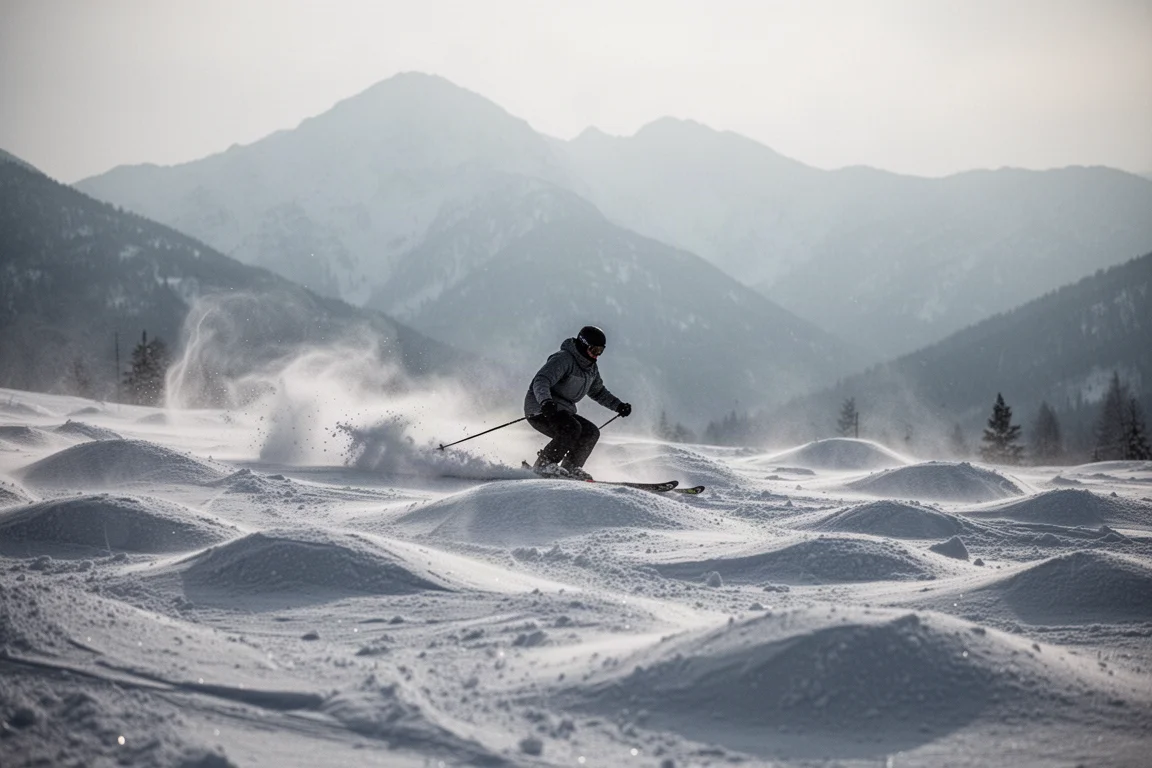
The Stormrider 88 handles that same variable snow with noticeably more forgiveness and stays quieter underfoot while doing it. Neither ski is a dedicated freeride tool; the MX88 in particular is designed around precision on firm ground rather than float, and it rewards a skier who commits to the turn rather than drifting through it.
Sizing and Length Notes
The MX88 is offered in 174, 181 and 188 cm, and its sizing runs against instinct. Shorter lengths feel quicker, but in variable snow they can feel under-supported and twitchy, because the softer tip makes up a larger share of the ski’s overall feel. Going up a length removes much of that twitchiness and adds confidence, and maneuverability does not suffer as much as you would expect because the turn radius grows only gradually. For a ski with this much construction behind it, the 188 cm is still a lot of ski unless top-end stability is the priority.
Because the Stormrider 88’s tail releases more easily, its shorter lengths stay easier to manage, which puts the emphasis on how much high-speed stability you want from the size you choose. In both cases the right answer depends on how much of your season happens on firm, fast terrain.
Overall Buying Advice
These two skis are not really direct competitors, even though the spec sheets look alike. Choose the MX88 if you want a full-gas, precision-first all-mountain ski and you are willing to ski it with intent. A racing background or a taste for firm, fast groomers will get the most out of it, and it works best in a longer length or as the sharp end of a quiver. Choose the Stormrider 88 if you want the premium metal-laminate feel with a wider margin for error and a calmer ride across changing snow.
Both are premium purchases, so the deciding factor is honesty about your own skiing. The MX88 is phenomenal when the conditions and terrain suit it, and it keeps you honest when they do not. The Stormrider 88 gives up some of that peak power in exchange for being enjoyable far more often.
Conclusion
If your days are built around firm, groomed terrain and you like a ski that demands deliberate input, the Kästle MX88 delivers precision and power that few all-mountain skis match. If you want a premium 88 mm ski that stays composed and forgiving as conditions deteriorate, the Stöckli Stormrider 88 is the easier recommendation for most skiers. Match the ski to how you actually ski, and either one will feel like money well spent.
Further reading
Related Reviews
All-Mountain Skis
100mm All-Mountain Skis Compared: 23 Versatile Models Worth Knowing
A practical walkthrough of 23 all-mountain skis around 100mm underfoot, covering weight, rocker, metal construction, and the rider each model suits best.
All-Mountain Skis
2026 Black Crows Camox Review: A More Stable, More Versatile All-Mountain Twin Tip
The 2026 Black Crows Camox adds an ash layer underfoot, wider tips and tails, and a revised rocker profile. Here is what those changes mean on snow.
All-Mountain Skis
Armada Antimatter 88 Review: A Light, Lively All-Mountain Ski That Rewards Any Style
The Antimatter 88 pairs a poplar core with carbon stringers for a surprisingly energetic ride that suits intermediates and experts alike.