Skiing
Kastle FX96 Ti Review: A Premium One-Ski Quiver for Advanced Skiers
A mid-90s all-mountain ski with a metal layup, a mixed wood core, and a clear bias toward groomed terrain. Here is who it suits and what to weigh first.
Introduction
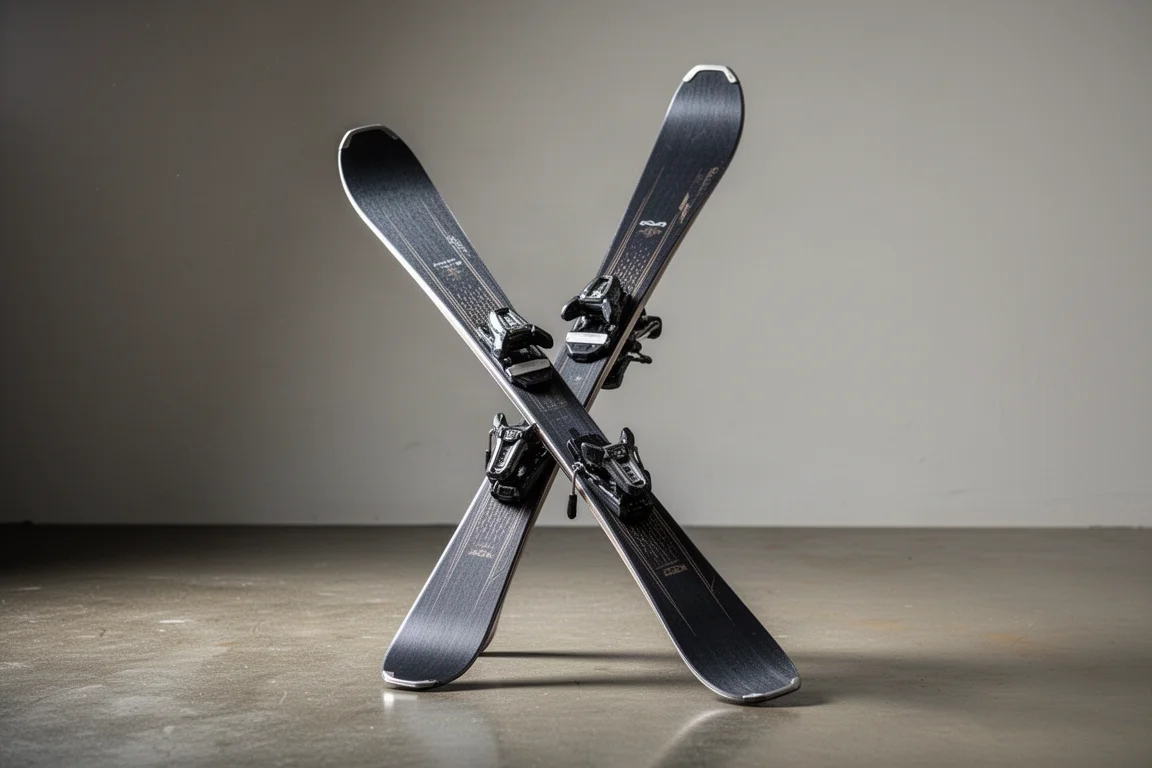
The Kastle FX96 Ti returns as a carryover model, and that continuity is worth paying attention to in a category that reshuffles every season. The ski has come back to a metal-laminate construction after an earlier fiberglass-focused iteration, and the difference is immediately legible in the ride: more stability, more dampness, and more power underfoot, while the energetic, snappy character of the earlier version is still there.
With a waist in the mid-90s, the FX96 Ti is positioned as a one-ski quiver for advanced and expert skiers. It is built around the reality that most skiers spend most of their time on groomed terrain, but it does not ignore softer snow either. For anyone who wants a single pair of skis for the season rather than a growing rack, that is the central promise.
Who the Kastle FX96 Ti Is For
This ski is aimed squarely at advanced and expert skiers. The materials, the layup, and the turn radius all point to a rider who already has solid technique and wants a ski that rewards it rather than compensates for it.
The 180 cm length carries an 18.1 m turn radius, which sits right in the middle of the road. That is a deliberate choice: it keeps the ski capable of shorter swing turns and longer, higher-speed GS arcs without becoming specialized in either direction. Skiers who vary turn shape through a run will find plenty to work with.
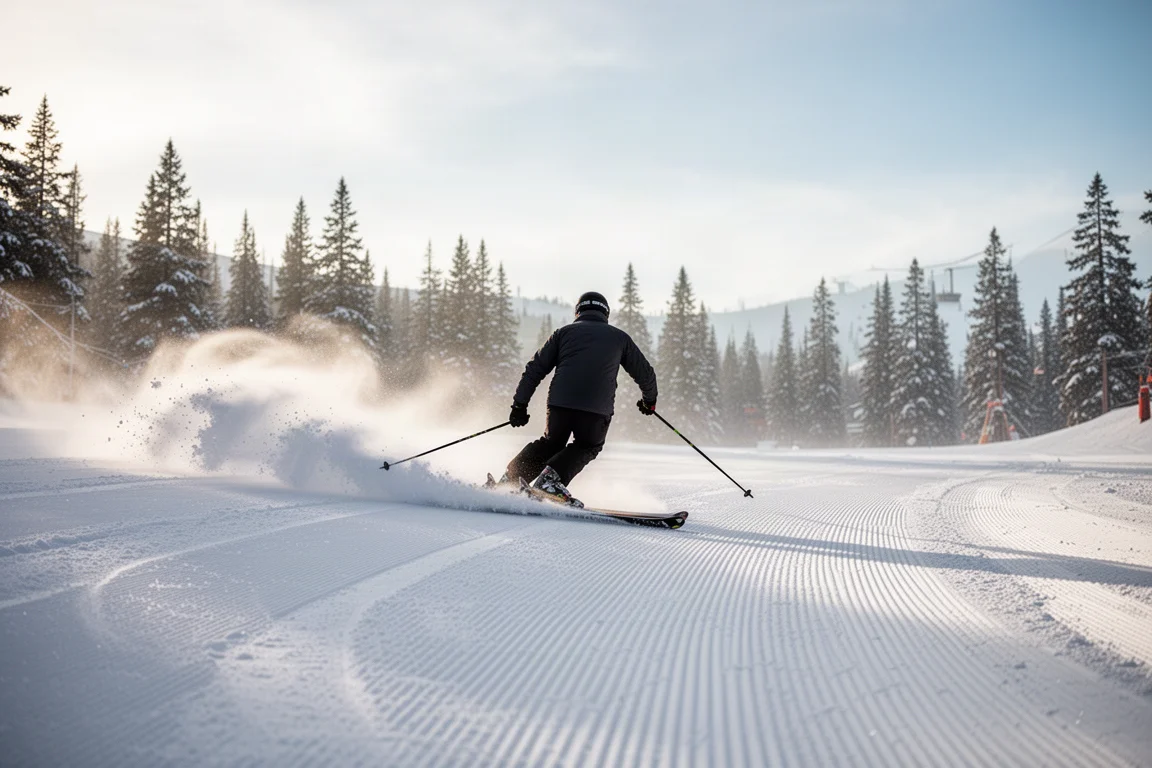
The mid-90s width is the other half of the argument. It is wide enough to stay composed in softer snow and chopped-up groomers, and narrow enough to feel quick edge to edge on hardpack. For a skier who wants one pair of skis to cover the season, that balance is the entire point.
Main Strengths
Stability and dampness at speed stand out first. The metal layers and a thicker central core keep vibrations very low, and the ski holds a planted, confident feel when you push the pace on groomed runs.
Edge grip is the second clear strength. The reinforced midsection creates a stronger connection to the snow, which matters most on firm morning conditions and when you are carving at higher speeds.
Despite that planted feel, the ski is not heavy-handed. The outboard sections of the core use lighter woods, so the FX96 Ti still feels lively and releases easily at the end of a turn. It is just as willing to make slower-paced turns as aggressive ones, which is the kind of range a premium all-mountain ski should deliver.
Construction and Ride Characteristics
The core is where most of the story lives. Through the center of the ski, Kastle blends poplar and beech wood stringers and makes that section slightly thicker, which adds dampness and stability to the middle of the ski. Vibrations are minimal, and the ski stays calm underfoot even when the surface is not.
Outboard of the sidecut, the core shifts to a blend of poplar and paulownia. That keeps the extremities light and snappy while the center does the work of holding the ski steady.
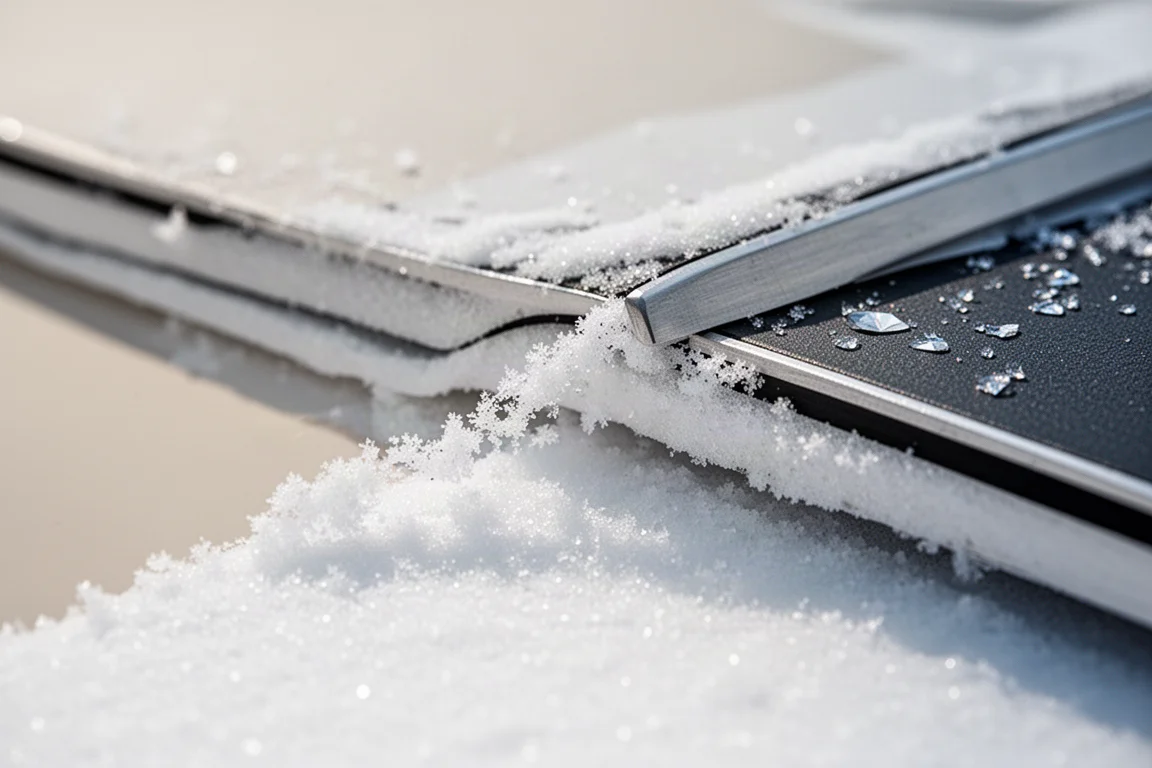
Two sheets of metal and two layers of fiberglass complete the layup, and together they give the ski its well-rounded, versatile feel. Hollow Tech is part of the build as well, helping to trim vibration further and keep the ski composed without unnecessary mass.
Where It Sits in the Kastle Range
Kastle’s introduction of the ZX collection has made the boundaries between its lines easier to read. The FX96 Ti remains the precision-oriented option: a mid-90s all-mountain ski built around edge grip, dampness, and a planted connection to the snow rather than maximum float or a loose, playful personality.
That positioning matters if you are comparing within the range. Skiers who value a quiet, strong feel underfoot and predictable turn exits will find the FX96 Ti the more natural fit.
Terrain Versatility and Turn Shape
The shovel is shaped with a taper that brings the widest point down slightly, aligning it with the rocker. There is decent splay up front, and because the ski is relatively light thanks to Hollow Tech, the tip stays up and bounces out of soft snow while the midsection remains stable.
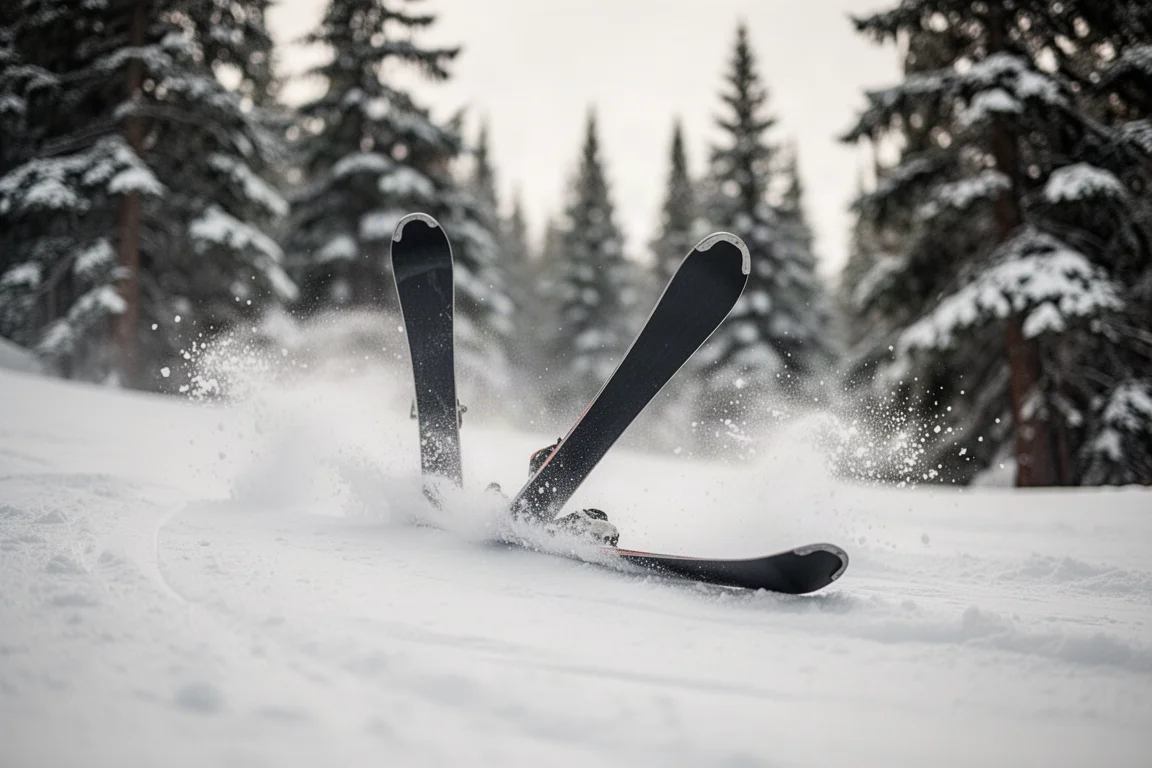
The tail is the more conservative end of the ski. There is a slight turned-up shape, but very little rocker and no real taper, which keeps the rear of the ski engaged and predictable at the end of a turn. Combined with the 18.1 m radius, that makes the FX96 Ti comfortable linking short swing turns into longer arcs without the tail washing out.
Things to Consider Before Buying
The FX96 Ti has an unmistakable groomed-terrain bias. There are more heavily rockered mid-90s skis on the market, and those will outperform this one in powder and soft snow. If deep days are a priority rather than an occasional bonus, this is probably not the ski to build a quiver around.
There is a skin notch in the tail, which nods to backcountry potential. Realistically, though, a ski with multiple sheets of metal is not the best option for going uphill. The FX96 Ti is better understood as a resort ski that tolerates a short tour rather than a genuine touring platform.
Positioning matters too. This sits in the premium category, so it makes the most sense for skiers who are confident about what they want and expect to keep the ski for several seasons.
Buying Advice
If you are an advanced or expert skier looking for one pair of skis to cover most resort days, the FX96 Ti is a strong candidate. It is at its best on groomed terrain, where the edge grip and dampness make higher speeds feel controlled rather than demanding, and it keeps enough energy in reserve to stay fun when you dial things back.
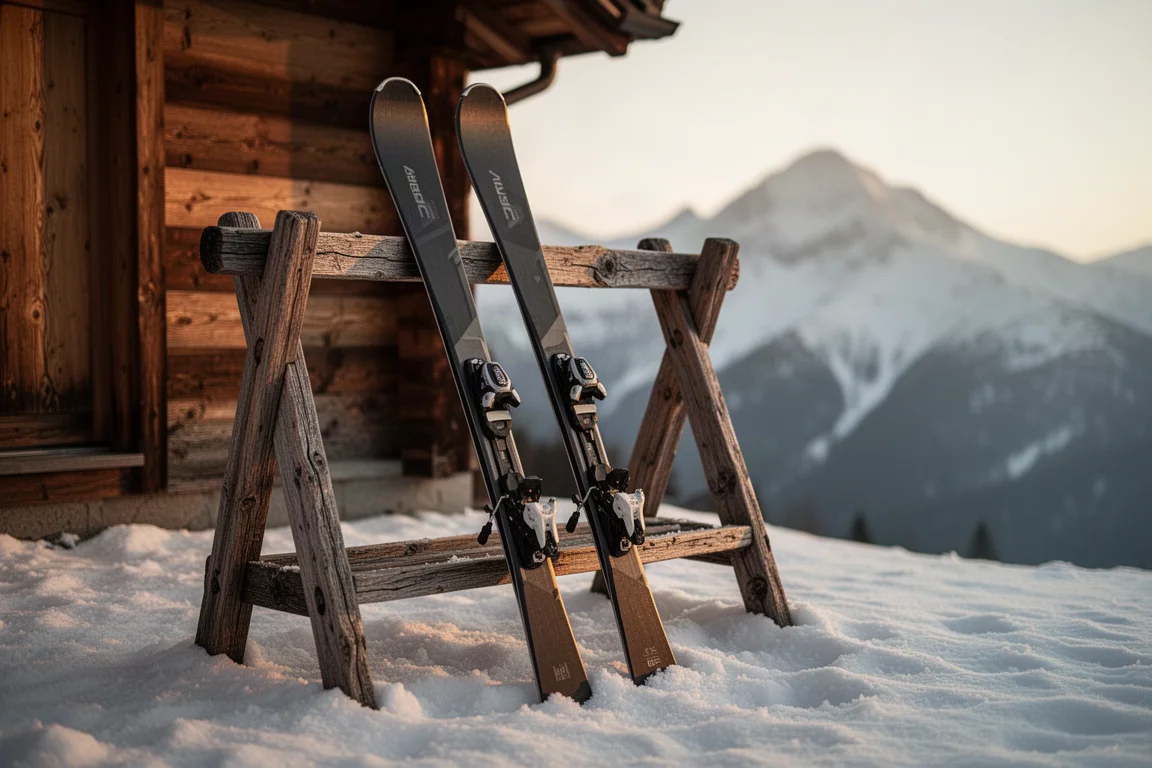
Skiers who split their time more evenly between groomers and powder should weigh alternatives with more rocker and a softer flex pattern. The same applies to anyone planning regular uphill travel, where the metal layup works against you rather than for you.
For everyone else, the decision comes down to whether the premium positioning matches your budget and how many days you realistically ski each season. This is a ski built to be kept and used, not rotated through every year.
Conclusion
The Kastle FX96 Ti earns its place as a one-ski quiver for advanced and expert skiers. The metal brings stability and edge grip, the blended wood core keeps it lively, and the mid-90s waist gives it enough range to handle whatever a typical resort day offers. It is not the most powder-friendly option at this width, and it is not a touring ski despite the skin notch, but for groomed-focused all-mountain skiing it is a confident, well-rounded choice.
Product link
View more details for Kastle FX96 TI
This product is mentioned in the review. Check the specifications, options, and compatibility before buying.
View more details for Kastle FX96 TIFurther reading
Related Reviews
Skiing
2027 Ski Top Sheets: The Best-Looking Skis of the New Season
A fun, opinionated look at the 2027 ski lineup and the top sheets that stand out most, from the Nordica Enforcer 104 to the Rossignol Sender series.
Skiing
Armada Declivity 92 vs Peak 88: Two All-Mountain Skis, Two Very Different Characters
A staff-favorite carving machine and an approachable Bode Miller signature ski, compared for different levels of skier.
Skiing
Atomic 100mm Ski Line Compared: Maverick 100 TI, Bent 100, and Backland 100
Atomic's three 100mm skis share a similar outline, so the real choice comes down to construction, weight, and terrain. Here is how the Maverick 100 TI, Bent 100, and Backland 100 differ.