Trail Running Shoes
KAS Fuga EX Boa vs Fuga EX2: Which Version of This Trail Shoe Fits Your Running?
Two trail shoes built on the same Fuga EX platform, separated mainly by the closure system. Here is how they compare and who each one suits.
Introduction
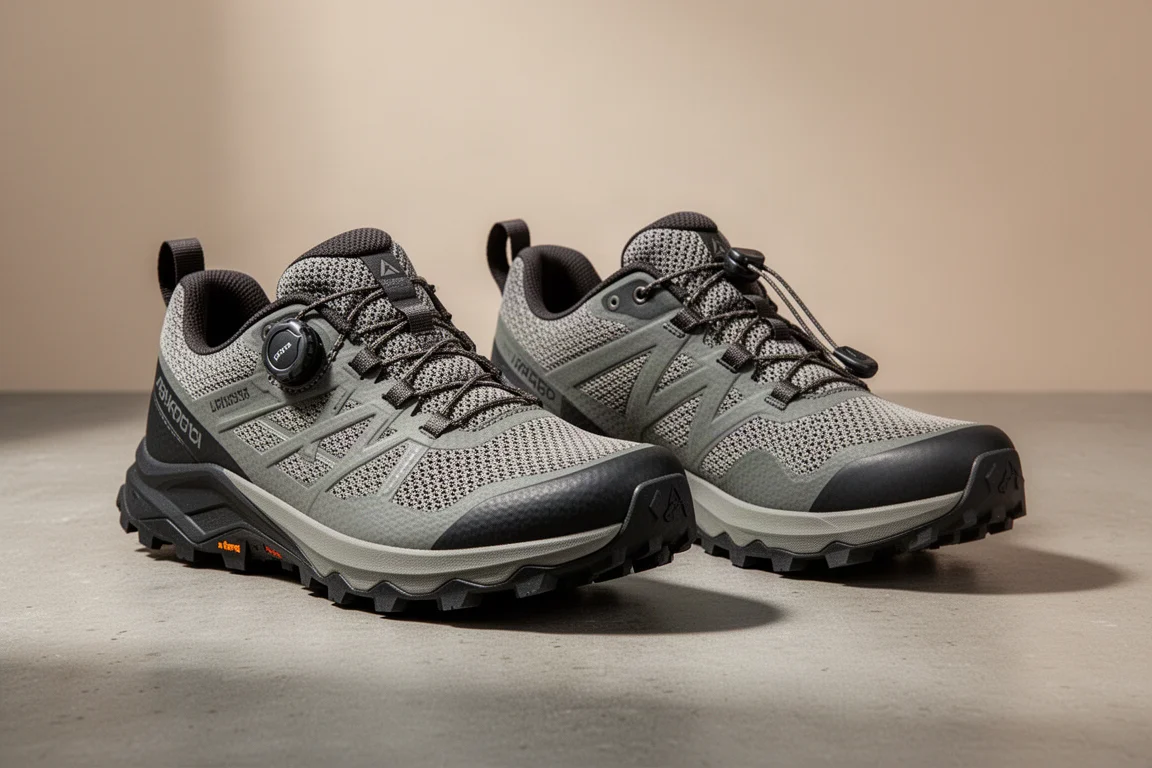
The KAS Fuga EX2 was one of the more pleasant surprises in recent trail running shoes: a great-fitting upper, a nicely performing midsole, and a shoe that made an already good platform easy to enjoy run after run. The Fuga EX Boa takes that same foundation and swaps the quick lace system for a Boa closure, promising easier mid-run adjustments and a cleaner lockdown around the midfoot. Both retail versions sit in the premium trail shoe bracket, with the Boa listed at $170, around £145 in the UK.
This comparison breaks down what the two shoes share, what actually separates them, and which runner each one suits best.
What the Two Shoes Share
Because the Fuga EX Boa is built on the same platform as the EX2, most of the important running characteristics carry over. Both use the same lightweight rebound midsole setup, which delivers a plush underfoot feel while staying stable on technical trails. The geometry includes an efficient rocker that helps the shoe roll forward smoothly on harder ground and compacted trail.
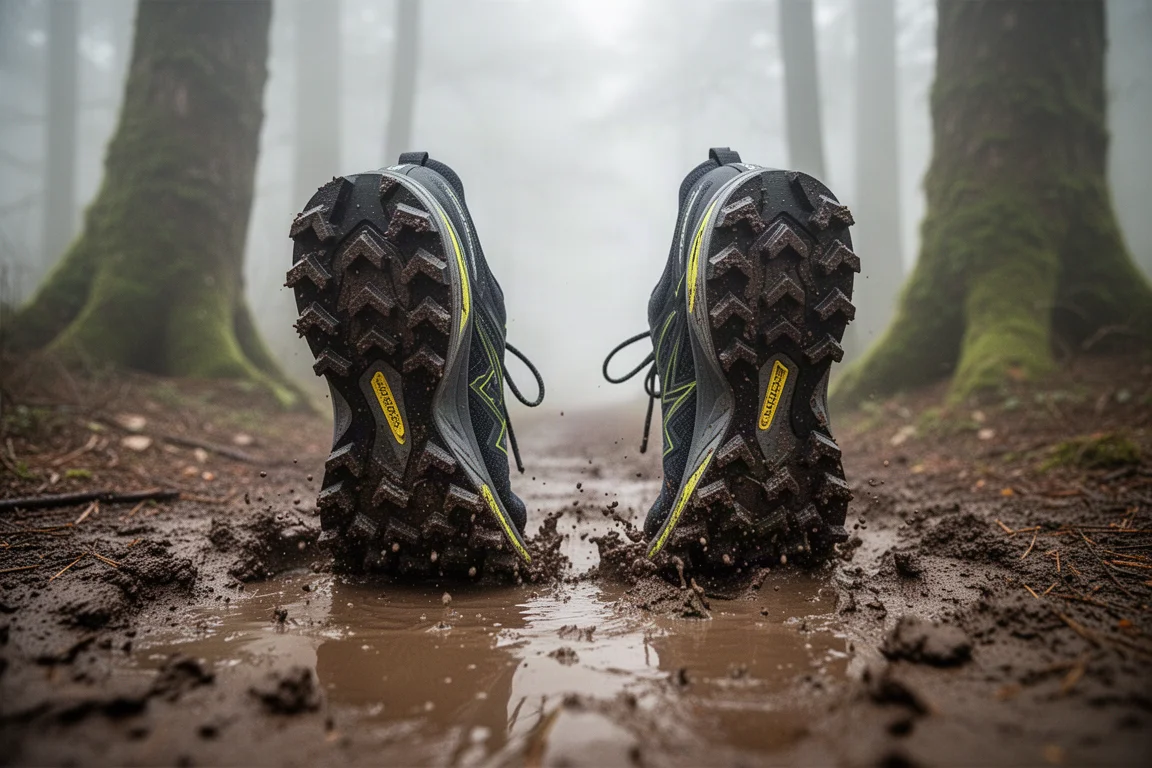
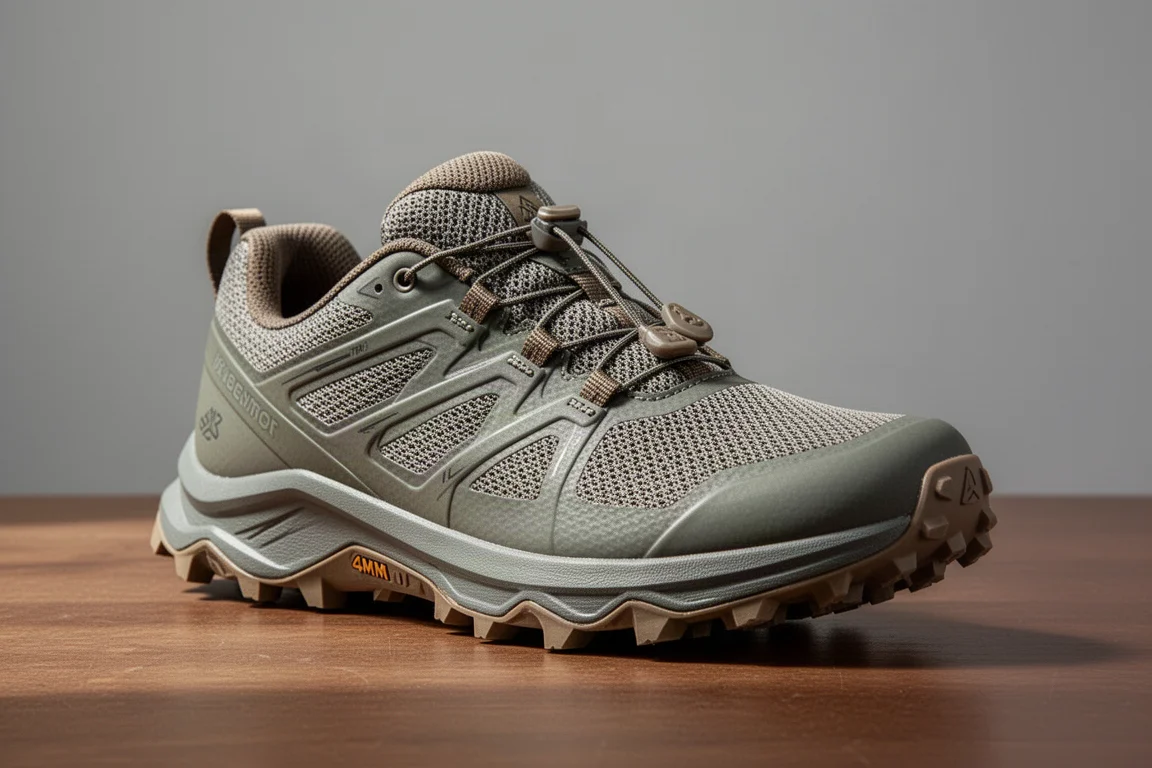
Grip is another shared strength. Both shoes use a 4mm multidirectional Vibram Mega Grip rubber outsole, with forward-facing accelerating lugs under the forefoot and reverse-facing braking lugs at the heel. This is a seriously sticky compound on rocky and wet rocky trails. Flex lines across the forefoot add a bit more bend at toe-off and make the shoe feel more responsive and agile when the terrain gets tricky.
The Boa version also comes in at 295g in a UK 9, roughly 30g lighter than the Fuga EX2, and that difference is noticeable simply holding the shoe.
The Big Difference: Boa Closure on the Fuga EX Boa
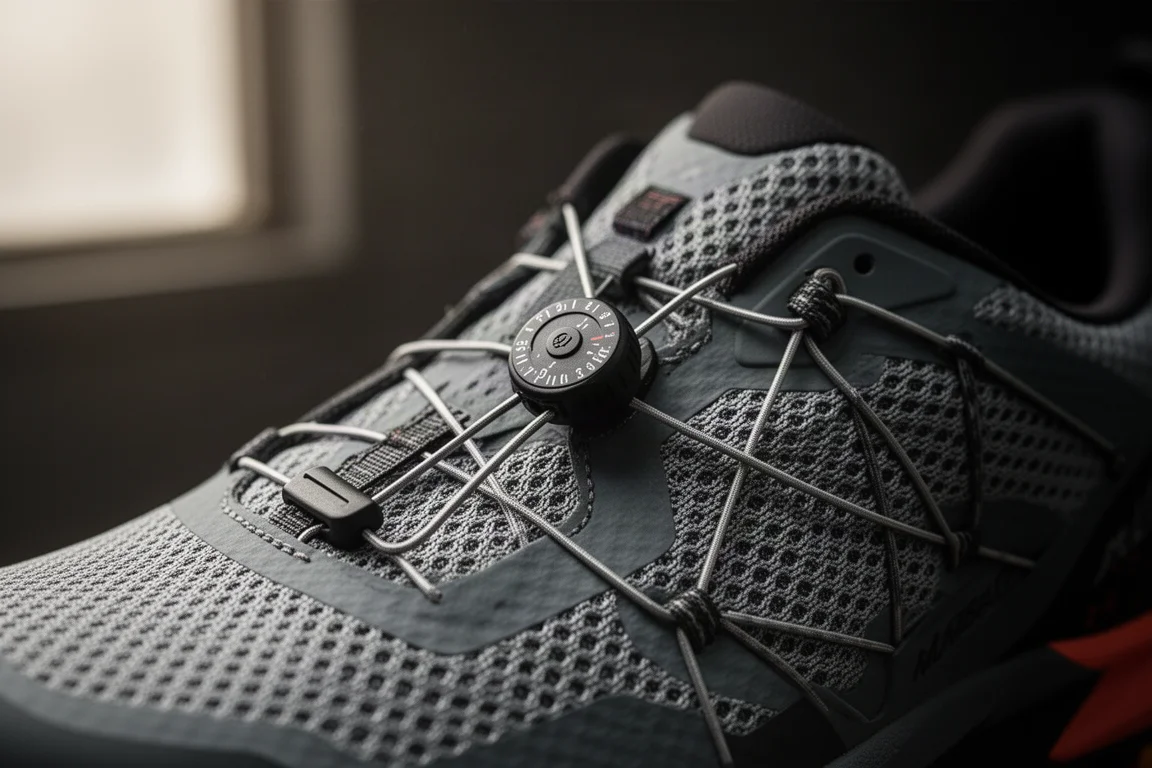
The uppers are where the two models diverge. Both use a durable engineered mesh with wear-resistant TPU overlays, a moderately padded gusseted tongue and ankle collar, a substantial toe bumper, and an internal debris liner wrapping the toe box and midfoot. On the Boa version, the overlays are repositioned to accommodate the closure dial on the side of the upper.
A quick turn of the Boa wheel locks the shoe around the midfoot, and the practical benefits showed up quickly. Getting in and out of the shoes is noticeably easier, and making subtle lockdown adjustments while running is far simpler than stopping to fuss with laces. The worry going in was that the Boa might feel too tight or obtrusive across the midfoot, but neither turned out to be the case. The padding level feels plush without sacrificing a secure midfoot lock or solid heel hold.
One small omission worth noting: the Fuga EX Boa drops the four-point gaiter attachment system found on the EX2, possibly a consequence of the Boa layout. If you regularly attach gaiters for gravel and scree, check that this matters to you before choosing the Boa version.
The Fuga EX2: The Established Favourite
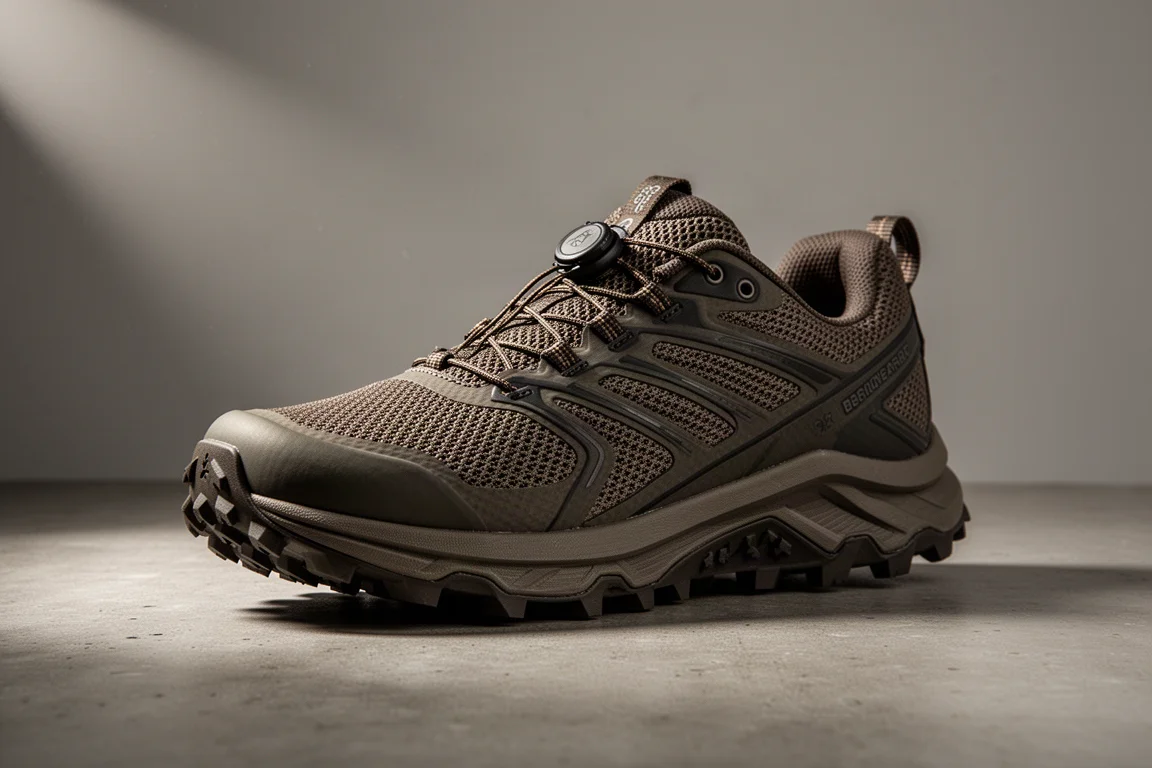
The Fuga EX2 remains a genuinely underrated trail shoe. Its quick lace system works well, the upper fits a wide range of foot shapes comfortably, and the combination of cushioning, stability and efficient rocker geometry makes it an easy shoe to run big miles in. It is a shoe that earns repeat wear rather than one that needs excuses.
If you already know your foot shape works with the EX2 upper, there is little in the midsole or outsole that would push you toward the Boa version on performance grounds alone. The choice comes down to closure preference and the small weight saving.

How They Run on the Trail
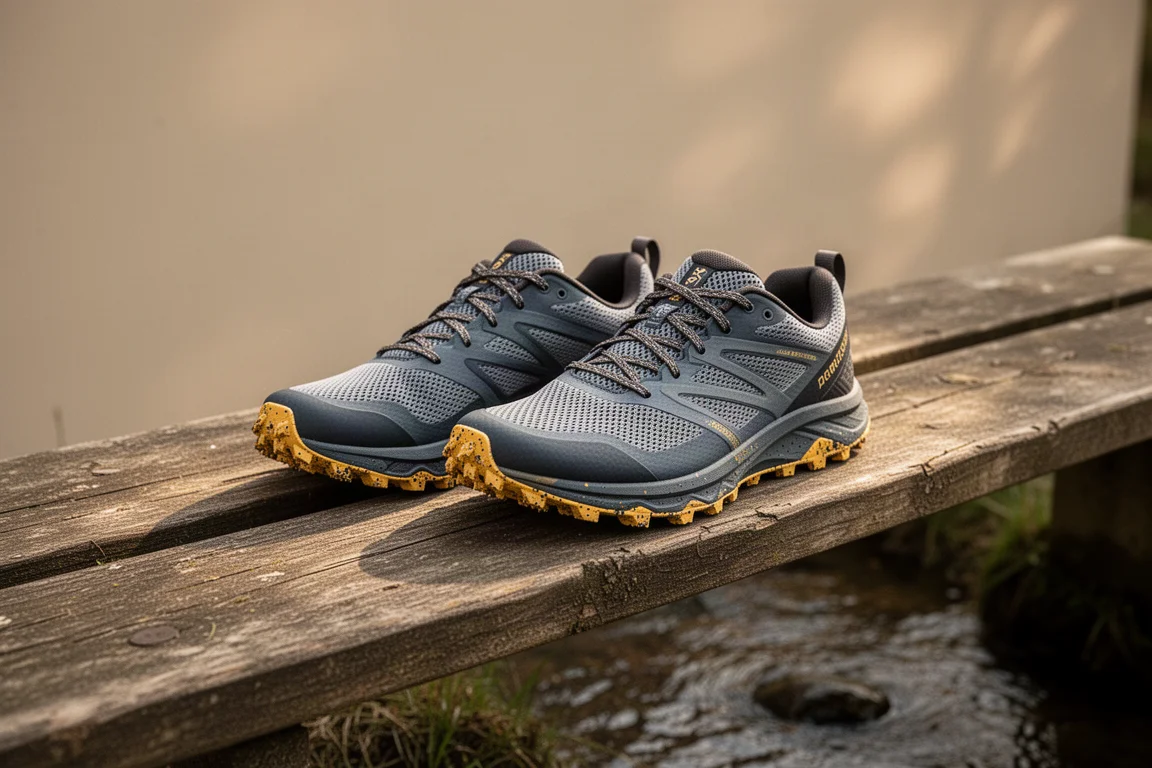
Out on a mixed 8-mile route covering hardstanding, compacted trail, off-camber ridgeline running, wet roots, and patches of boggy mud, the Fuga EX Boa felt good straight out of the box. The midsole handled rolling compact trails efficiently and genuinely helped forward momentum. On the technical ridge section, the shoe felt nimble and well connected underfoot, with reliable grip and traction on everything from rock to root.
The shoe encourages moving quickly over challenging terrain. Just enough cushioning, a well-judged balance of connection and comfort, and a fit that flatters without fuss. In muddy, boggy patches the 4mm lugs handled most of it well, with only minor traction loss in the wettest sections.
Buying Advice
Choose the Fuga EX Boa if you value fast, precise mid-run adjustments, easy on-off, and want the lighter weight of the pair. The Boa system proved itself as a genuine upgrade rather than a gimmick, and it is easy to imagine seeking out similar systems in future trail shoes.
Choose the Fuga EX2 if you prefer a proven quick lace system, want the four-point gaiter attachment option, or already trust the fit from previous experience. The running experience on the trail is essentially the same.
Conclusion
Both versions of the Fuga EX platform deliver a plush yet stable midsole, excellent Vibram Mega Grip traction, and an upper that fits comfortably with a secure lockdown. The Boa version refines the formula with easier adjustments and a slight weight saving, while the EX2 keeps the familiar quick lace and gaiter compatibility. Either way, you are getting one of the more complete trail shoes in its class.
Further reading
Related Reviews
Trail Running Shoes
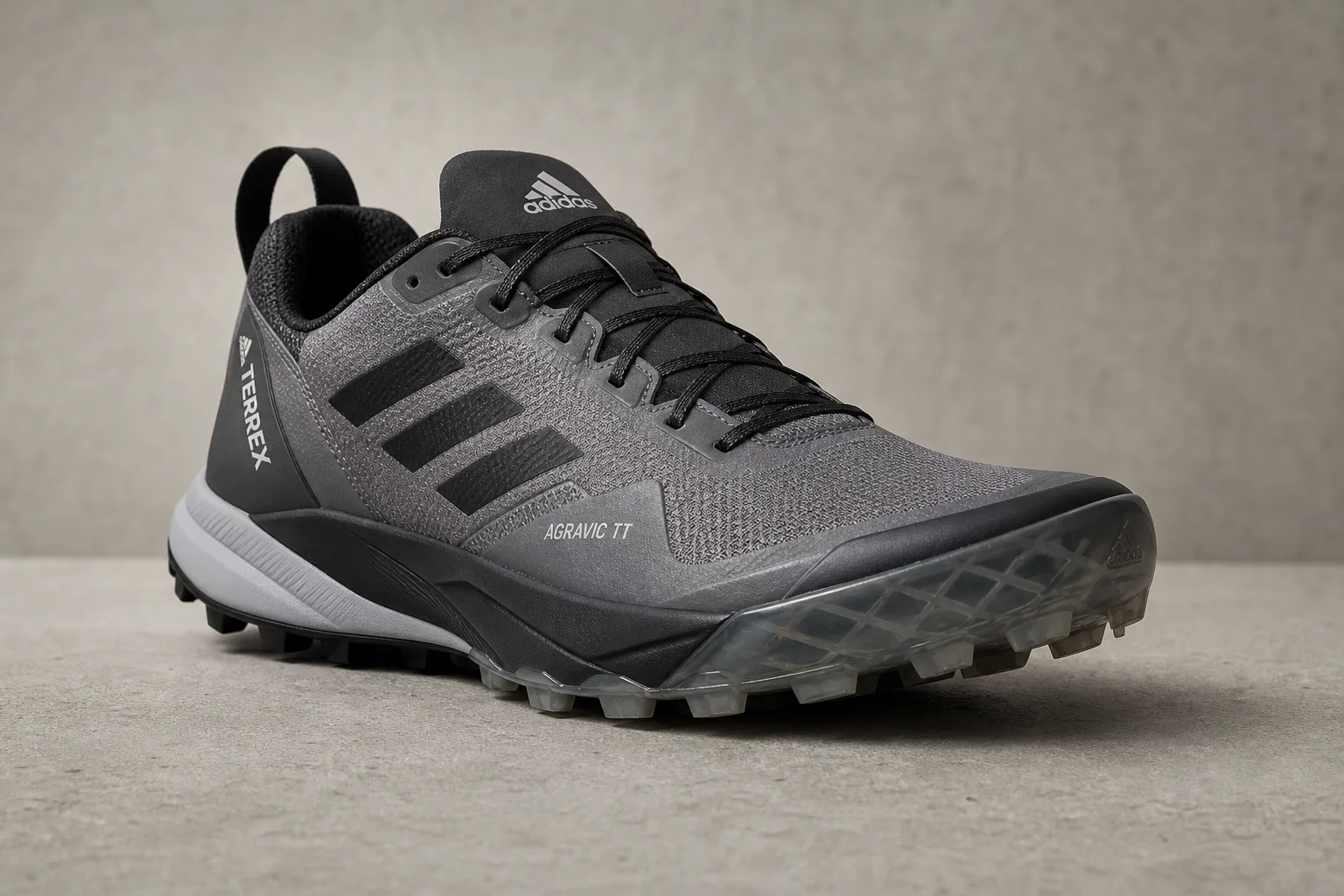
Adidas Terrex Agravic TT Review: A Technical Trail Shoe Built for Rocky Terrain
The Adidas Terrex Agravic TT combines a full-coverage rock plate with a firmer midsole to deliver protection and stability on technical, rocky trails. A capable choice for runners who prioritize underfoot defense over lightweight cushioning.
Trail Running Shoes
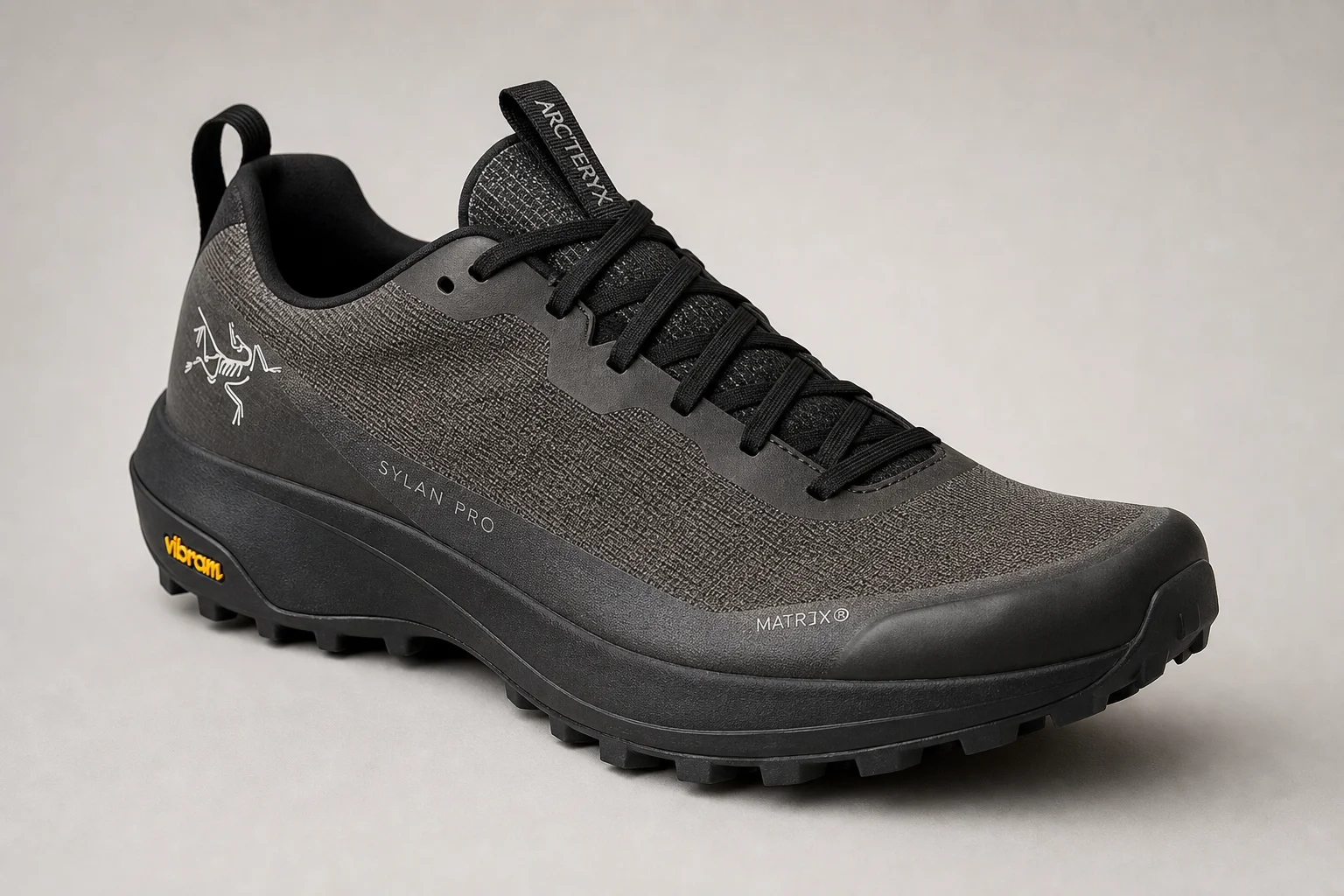
Arc'teryx Sylan Pro Review: A Rocker-Focused Mountain Running Shoe Tested on 20 Miles
The Arc'teryx Sylan Pro brings a pronounced rocker geometry and secure fit to mountain terrain. We tested it on a 20-mile Sawtooth loop to evaluate its climbing efficiency, protection, and handling of technical descents.
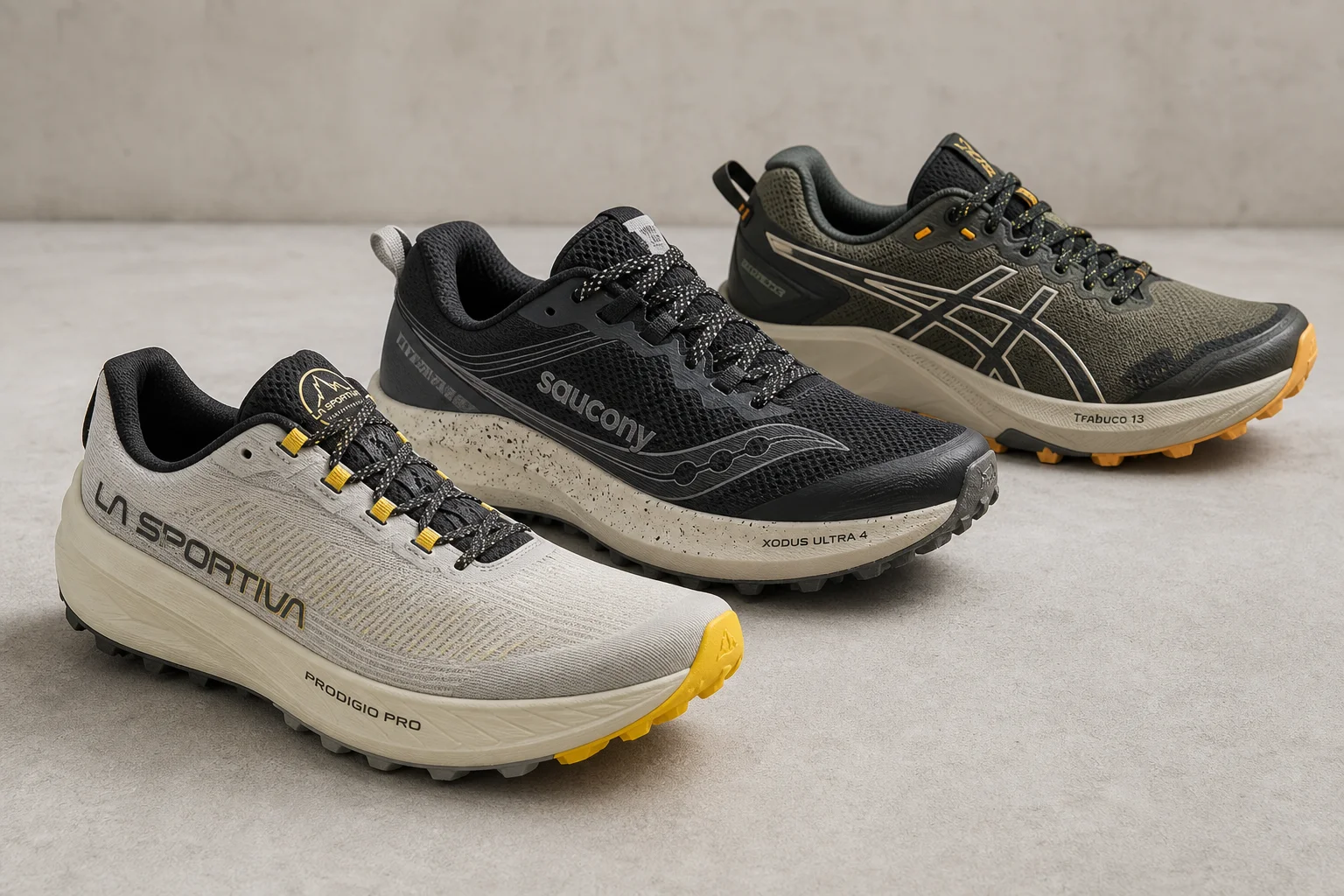
Trail Running Shoes
Best All-Mountain Trail Running Shoes: Three Versatile Options for Any Trail
A focused roundup of three all-mountain trail running shoes that handle technical terrain, long distances, and variable conditions with real strengths and practical trade-offs.