Running Shoes
Karhu Mestari Run 2.0 Review: A Stable, Comfortable Shoe for Easy Miles
A firm-riding, stability-leaning daily trainer built for easy runs and everyday wear, with clear trade-offs in weight and pace.
Introduction
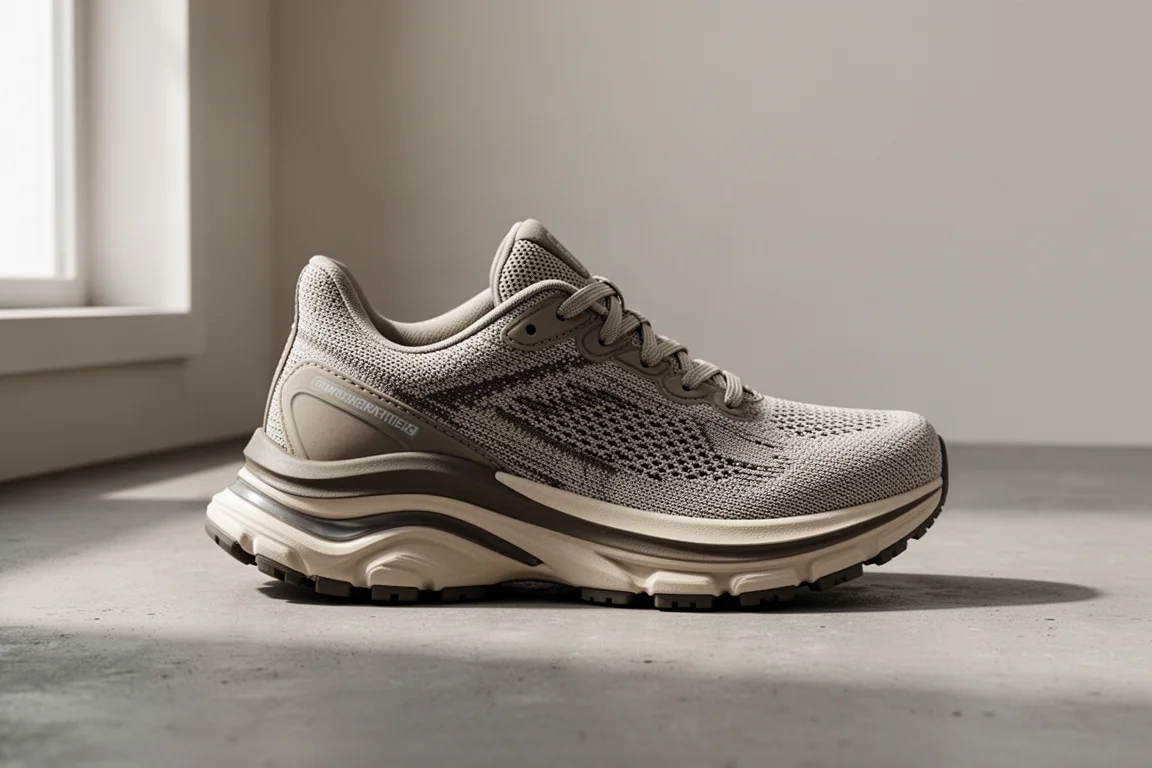
The Karhu Mestari Run 2.0 is a cushioned daily trainer aimed at easy miles and recovery runs. It is built for neutral runners but also suits those with mild overpronation, focusing on a smooth and stable ride without feeling overly structured. At £150 or $180, it sits in the mid-to-upper price bracket for a daily trainer, and it brings some genuinely distinctive ideas from a Finnish brand better known for fashion sneakers than for running performance.
After roughly 50 km of testing, the picture is clear: this is a shoe with a firm, stability-focused ride that does one job well and refuses to do much else.
Who This Shoe Is For
The Mestari Run 2.0 is best suited to runners who want a stable, comfortable shoe for easy-pace running and walking. If you need a stability shoe but do not want a soft, sinky midsole or bouncy foam, this fits that description almost exactly. Karhu describes it as stable rather than calling it a stability shoe outright, but in practice that is what it is, and it has several features that support that character.
The heart of the shoe is Karhu’s nitrogen-infused AeroFoam Nitro midsole, which aims to provide soft cushioning with a bit of rebound for daily training. Full crumb technology integrated into the midsole guides the foot through a smooth rolling transition from heel to toe, and an 8 mm drop paired with an amplified toe spring helps promote a comfortable ride.

Main Strengths
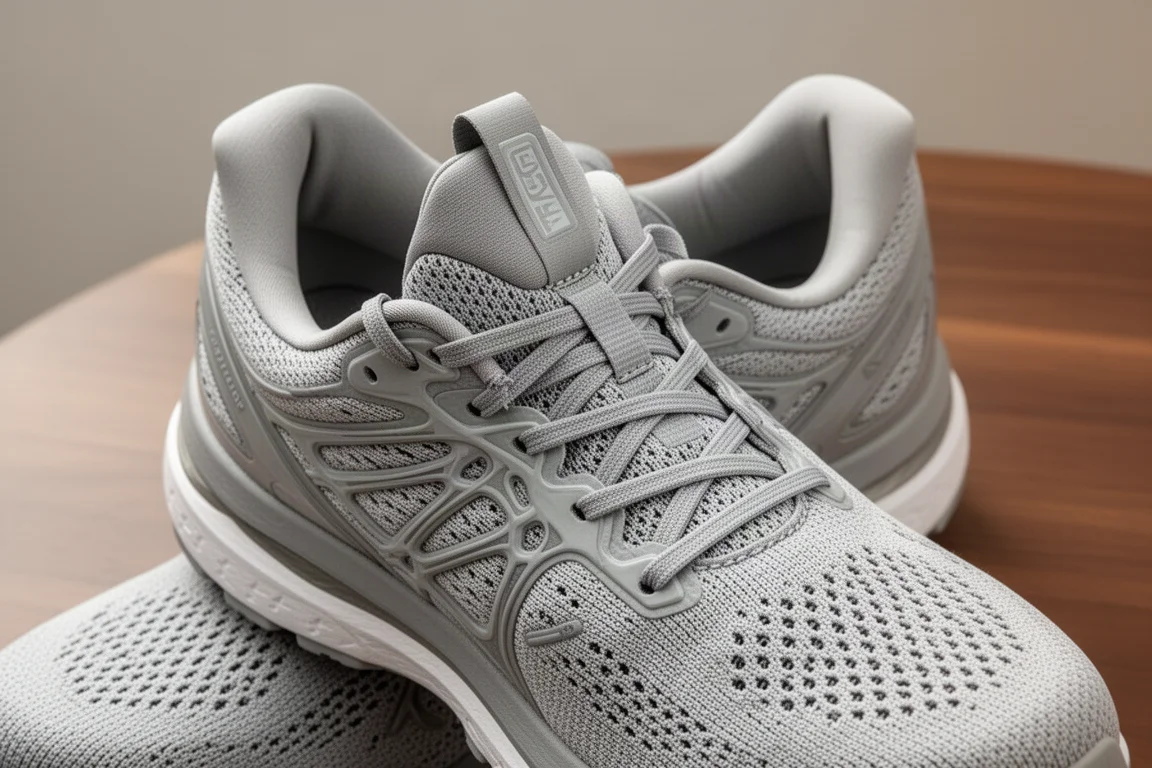
The standout quality here is comfort. The Idealknit mesh upper offers breathable comfort with a bit of stretch and structure through the midfoot, paired with an anatomical lacing system for a secure fit. There is plush padding around the sides, a nice thick tongue, and a relaxed forefoot and midfoot that never feel restrictive. There is also a higher-volume HiVo option for runners who need extra space.
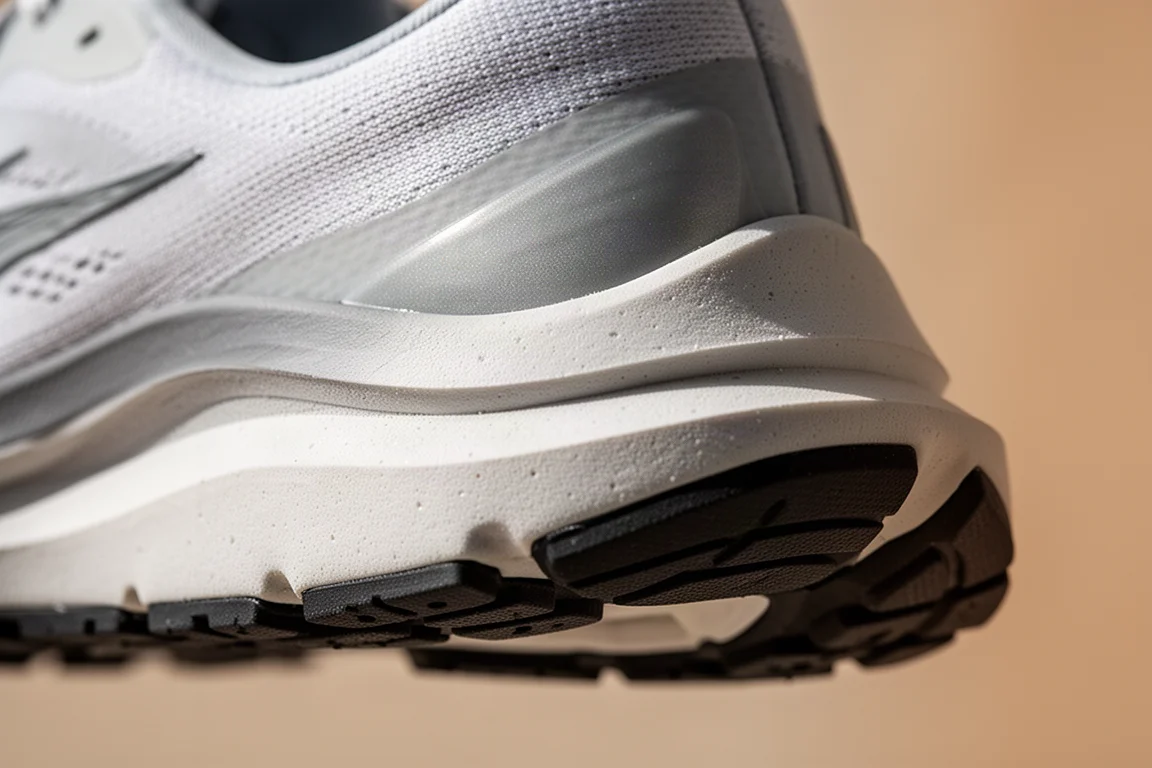
Despite the weight, the shoe never feels like a clunky burden on the run, largely because of the smooth rocker built into the midsole. Maintaining an easy pace and rolling through from heel to toe feels natural, and there is a rear fulcrum, a plate-like element sitting in the back section of the shoe rather than running all the way across, that adds stability and helps the heel-to-toe transition. The heel area is very rigid and the front is less so, but overall this is a fairly rigid, stable platform with a large, thick rubber outsole that should support durability and heavy daily use, including plenty of walking.
Fit and Sizing
The tested pair came in UK size 8, which matched the tester’s normal running shoe size, and the recommendation is clear: stick to your normal running shoe size. There is roughly a thumb’s width of space at the big toe, which most runners like, and average-width feet will find a comfortable, slightly roomy fit with a bit of wiggle room in the forefoot and midfoot.
The HiVo option is worth noting if you genuinely need more volume, as Karhu has built this shoe with accommodating, all-day comfort in mind rather than a locked-down racing fit.
Things to Consider Before Buying
The biggest issue is weight. At 328 g or 11.6 oz for men in a size 8, this is a heavy shoe, and larger sizes will feel heavier still. The firm midsole also limits versatility: it cannot do anything over easy pace, and trying to pick up the speed simply does not work. There is little in the way of energy return or bounce, though the rocker rolls you forward enough to make a comfortable pace easy to maintain.
Runners logging lots of easy mileage who want a more versatile daily shoe should look elsewhere. The Saucony Ride 10 and Brooks Glycerin both offer a nice bit of cushioning with more energy return, though the Glycerin is more expensive, and the Brooks Glycerin Max 2 is similar in ride character and weight but equally limited in versatility. For a punchier easy shoe that can pick up the pace, something like the Radiate 5 is more expensive but far more versatile and bouncy. Among stability shoes, the ASICS GEL-Kayano 32 is a little softer and bouncier, and would be the pick for stability plus comfort; the Mestari Run 2.0 suits those wanting a more conventional, firmer-feeling stability shoe.

Buying Advice
Buy the Mestari Run 2.0 if you specifically want a stable, firm-riding, comfortable shoe for easy runs and daily walking, and you are not chasing bounce or pace. If your running involves varied paces, higher mileage, or a preference for soft, energetic foam, more versatile alternatives will serve you better at a similar or lower price.
Conclusion
The Karhu Mestari Run 2.0 is a comfortable, stable, durable easy-day shoe that doubles nicely as a walking shoe. Its smooth rocker and rear fulcrum make the weight far less noticeable than expected, but the firm midsole and heavy build mean it belongs firmly in the easy-miles category. For the right runner, it is a genuinely pleasant companion; for everyone else, there are better-rounded options.
Product link
View more details for Karhu Mestari Run 2.0
This product is mentioned in the review. Check the specifications, options, and compatibility before buying.
View more details for Karhu Mestari Run 2.0Further reading
Related Reviews

Running Shoes
Best Road-to-Trail Running Shoes: Three Versatile Options for Mixed Terrain
A practical guide to three road-to-trail running shoes that handle both pavement and mild trails, with clear strengths and trade-offs for different runner types.

Running Shoes
Best Running Shoes for Achilles Tendonitis: Three Options Explained
Three running shoes with different heel drops and support features designed to help reduce Achilles tendon pain during walking and running.

Running Shoes
Best Running Shoes for Women: Five Top Choices Ranked
A ranked guide to five women's running shoes, from versatile daily trainers to high-performance racing options, with real strengths and trade-offs for each.