Audio
Kanto Powered Speakers and Desktop Stands: A Practical Lineup Guide
A clear walk through the Kanto powered speaker range, the sealed Sub8 subwoofer, and two families of desktop stands, with prices and use cases to match.
Introduction
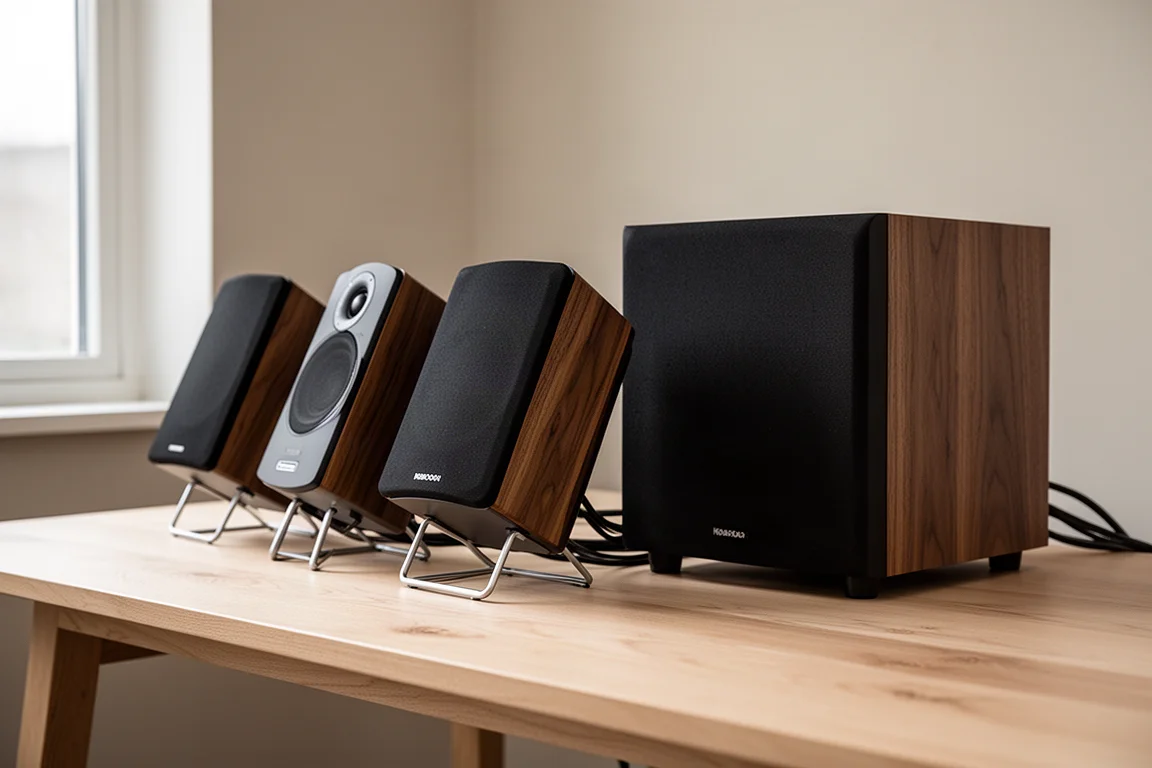
Kanto builds powered speakers that keep a good deal of the flexibility you would normally associate with a separate component system. Every model in the range includes a subwoofer output, so you can start with a compact pair on a desk and add low-end weight later without replacing the speakers themselves.
The lineup runs from the small U2 desktop model up through the U4 and U6 to the flagship TUK. One sealed subwoofer, the Sub8, extends any of them, and two families of desktop stands let you aim the speakers properly at the listener. Prices stay approachable: the U4 at $420, the U6 at $500 in black or white, the flagship TUK at $900, and the Sub8 at $300.
How to Choose Among the Kanto Lineup
Connectivity is the first dividing line. The U4 and U6 both include a built-in phono preamp along with RCA, auxiliary, optical, and Bluetooth inputs, which covers a turntable, a television, and wireless streaming from the same pair. The flagship TUK adds a USB input and a headphone output on top of that same feature set, so it can serve as a desktop interface without an external DAC or DAC and amplifier combination.
Tuning is the second dividing line. Most of the range keeps digital processing light, while the TUK is fully tuned with DSP, which is how it produces deeper bass extension than you would expect from its 5.25-inch driver. Its subwoofer output also uses an active crossover at 80 Hz, low-passing the signal to the sub and high-passing it to the speakers, so the two halves of the system hand off cleanly.
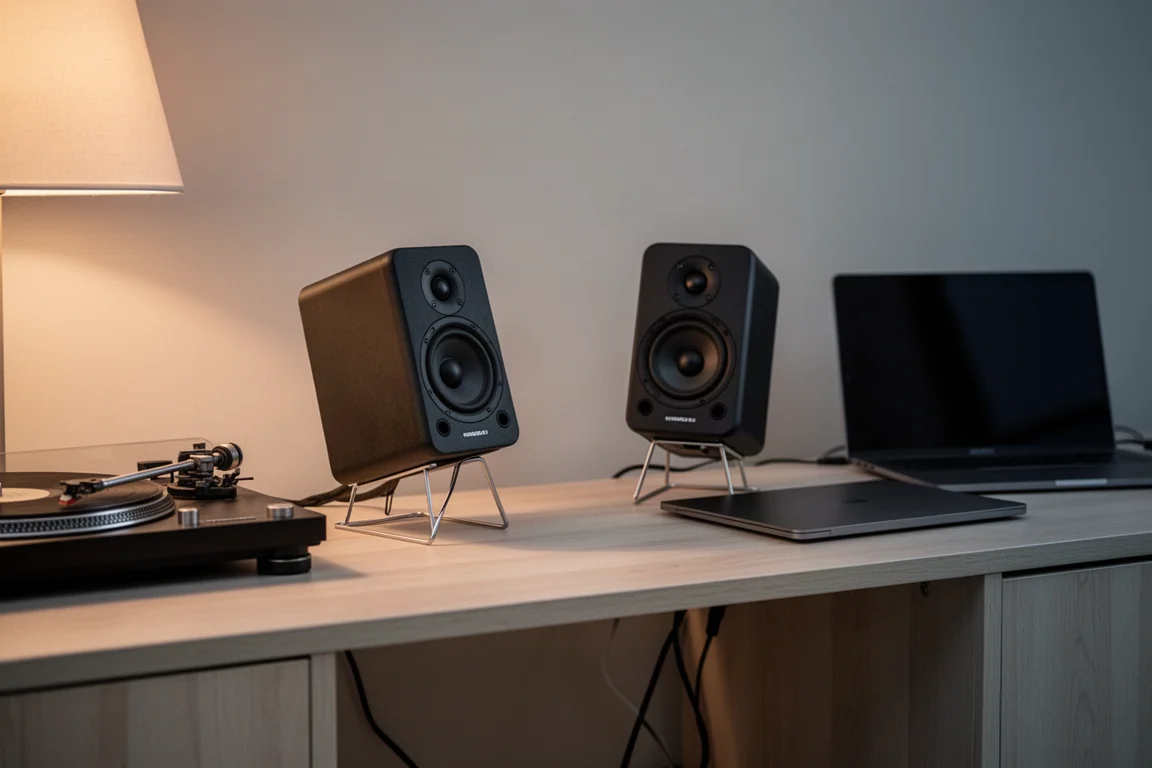
Expansion matters just as much. The subwoofer output is present across the whole lineup, including the smallest U2, and the Sub8 is a sealed 8-inch design rather than a ported box. That combination is aimed at people who want a simple powered setup without giving up the option to grow it later.
Kanto U4: The Compact Entry Point
The U4 is the smallest of the main powered pairs at $420, and it carries a feature set that is unusually complete for the price. A built-in phono preamp makes it a natural partner for a turntable, while RCA, auxiliary, optical, and Bluetooth inputs let the same pair handle a television, a computer, or streaming. A subwoofer output is included, so the low end can be extended later with the Sub8.
Kanto U6: Same Feature Set, Larger Cabinet
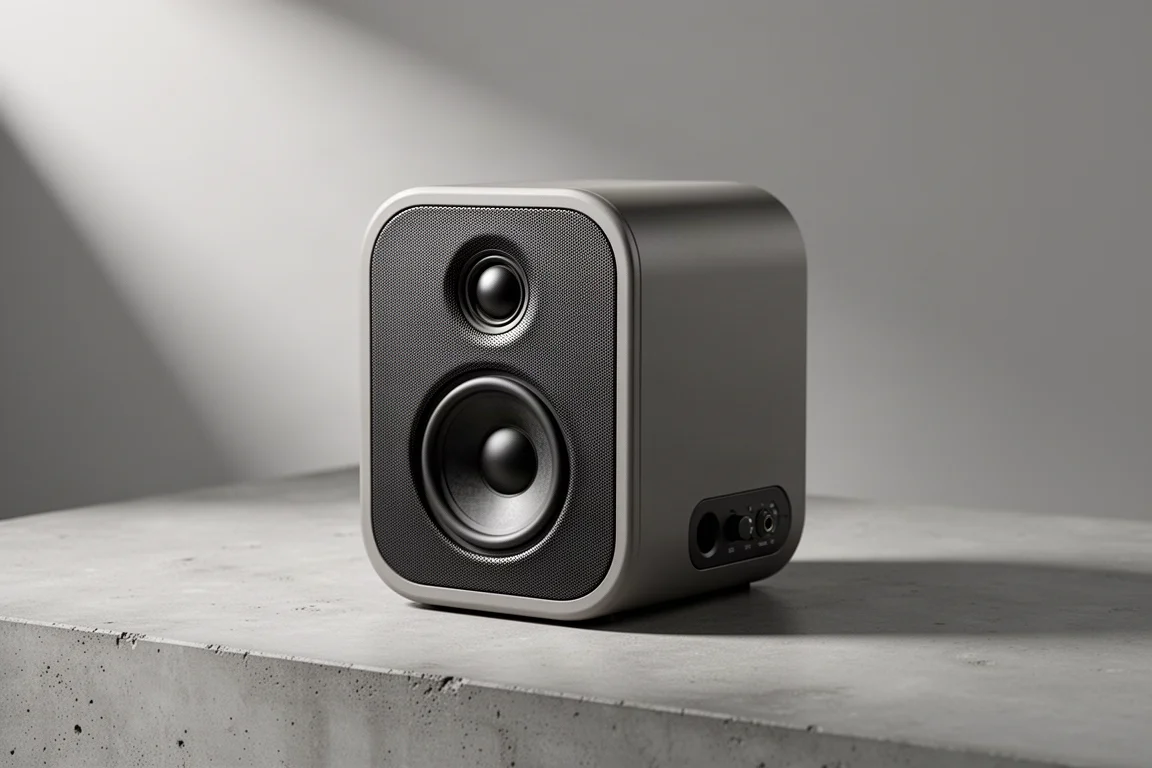
The U6 sits a step above the U4 in the range at $500 for the black and white finishes, with walnut versions priced a little higher. It carries the same connectivity package, including the phono preamp, RCA, auxiliary, optical, and Bluetooth inputs, along with the subwoofer output that runs through the lineup. For anyone who likes the U4’s flexibility but wants a larger cabinet for a bigger room, this is the straightforward upgrade.
Kanto TUK: The Flagship With an AMT Tweeter
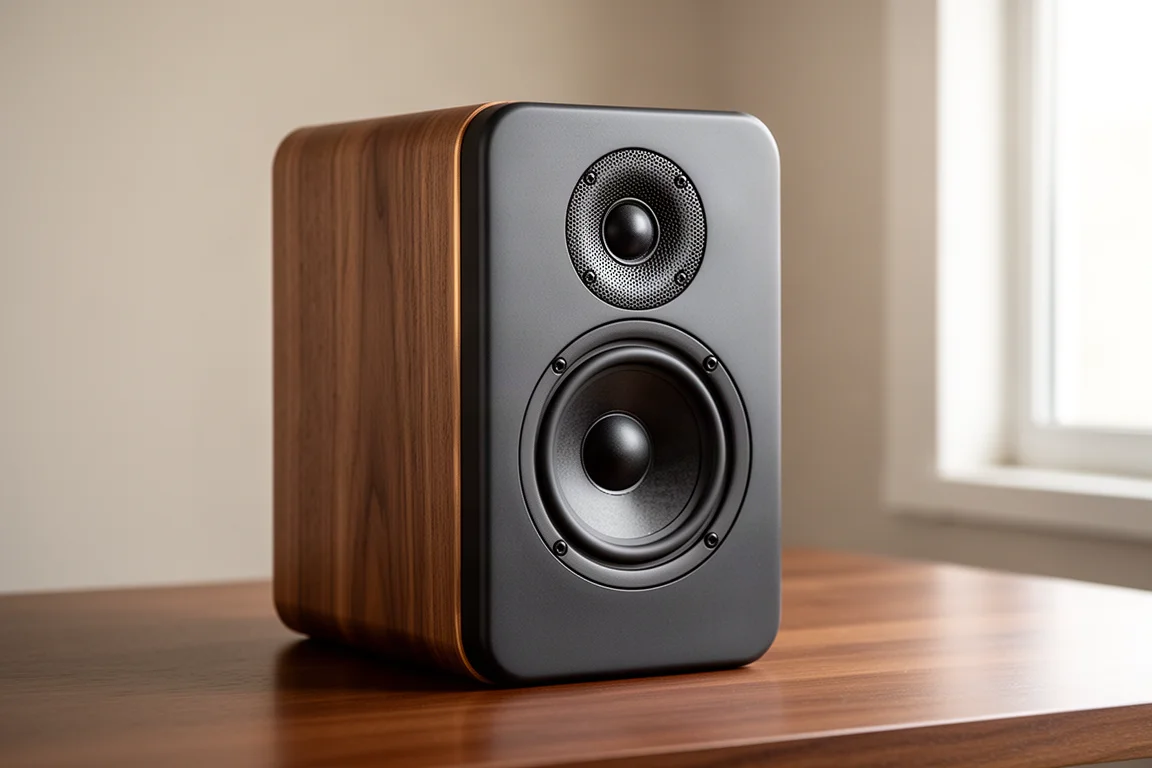
The TUK is the flagship at $900, and it is built around an AMT tweeter. It also carries the most complete feature set in the range, including the USB input and the headphone output that let you plug headphones directly into the speakers instead of buying a separate DAC or DAC and amplifier combination. The design brief covered four jobs at once: desktop listening, home theater, turntable duty, and smart home integration.
Bass is where the TUK separates itself most clearly from the rest of the lineup. The speaker is fully tuned with DSP, which trims a little output from the mids and highs to boost the low end, and the result is deep extension that you would not expect from a 5.25-inch driver. Even without the Sub8 in the system, the low-end punch is substantial.
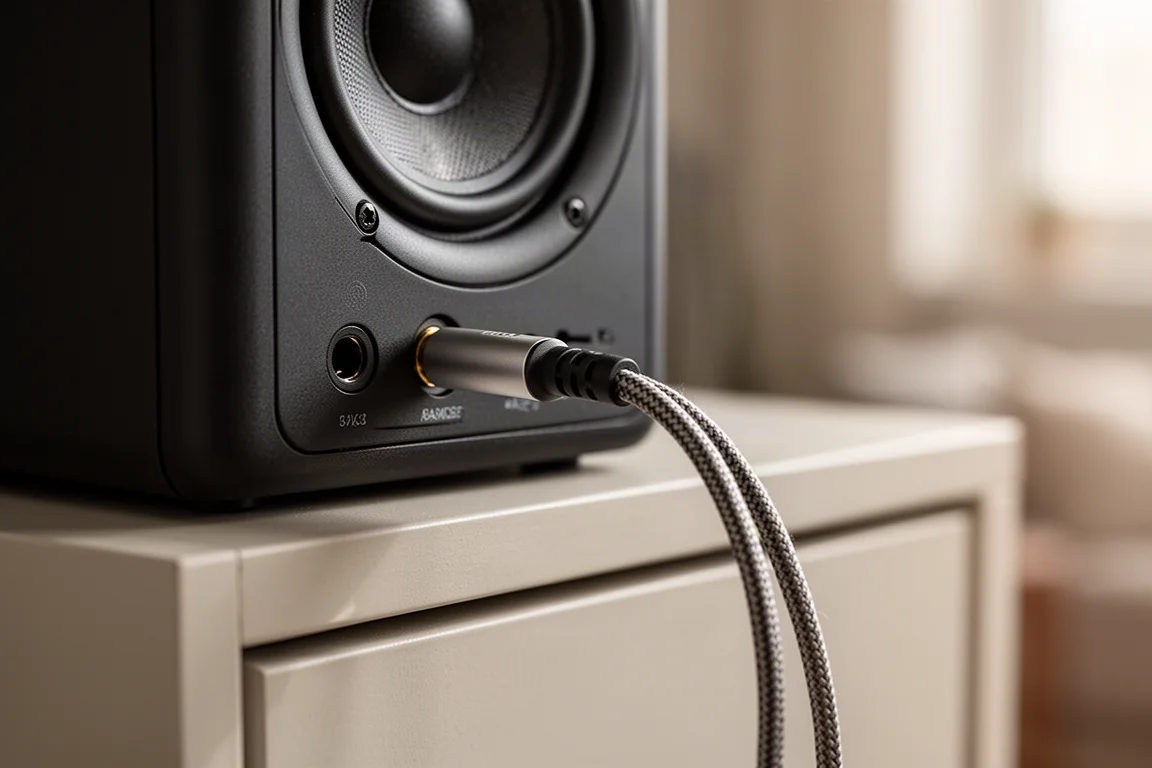
The subwoofer output on the TUK uses an active crossover at 80 Hz, low-passing to the sub and high-passing to the speakers, so adding the Sub8 keeps each part of the system working in its comfort zone. Sitting on desktop stands, with headphones on the front panel when you need them, the TUK is the model to choose when you want one pair to cover the desk, the television, and the turntable.
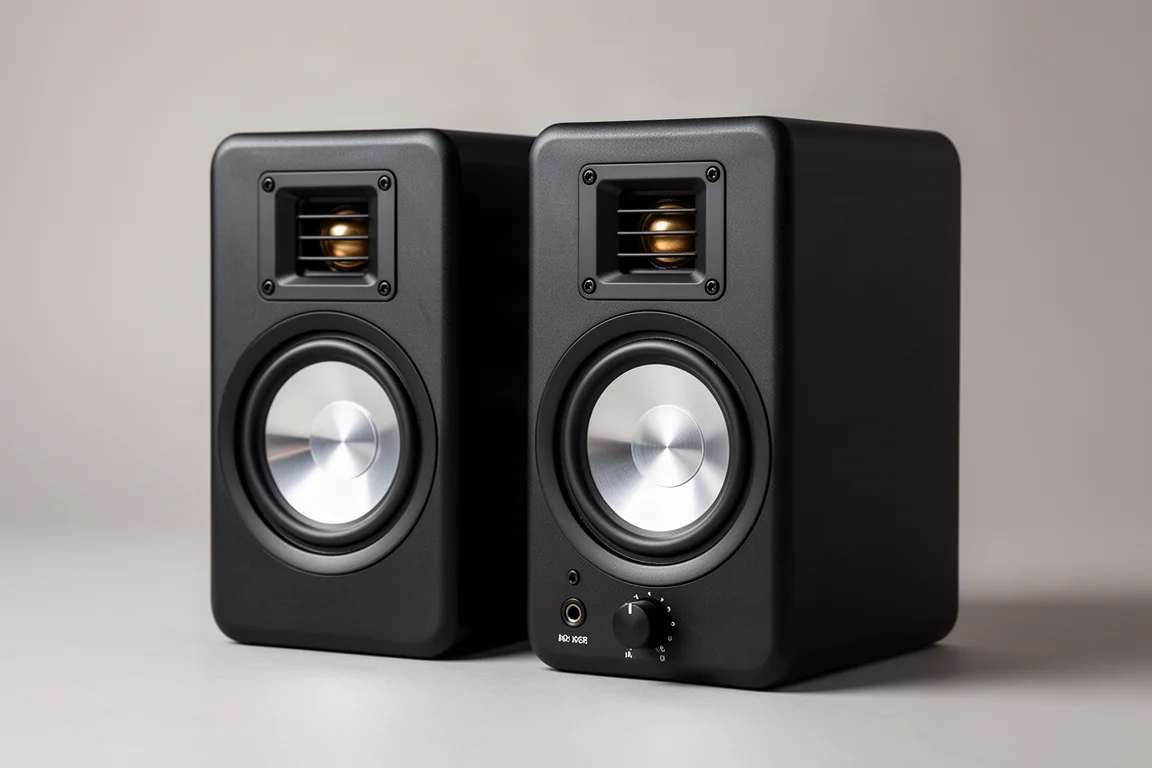
Kanto U2: The Smallest Desktop Speaker
The U2 is the smallest desktop speaker in the range, and it still includes a subwoofer output. That single detail matters more than it might appear, because it means even the most compact model can be paired with the Sub8 later rather than replaced. For a small desk, a secondary room, or a first powered setup, it keeps the door open.
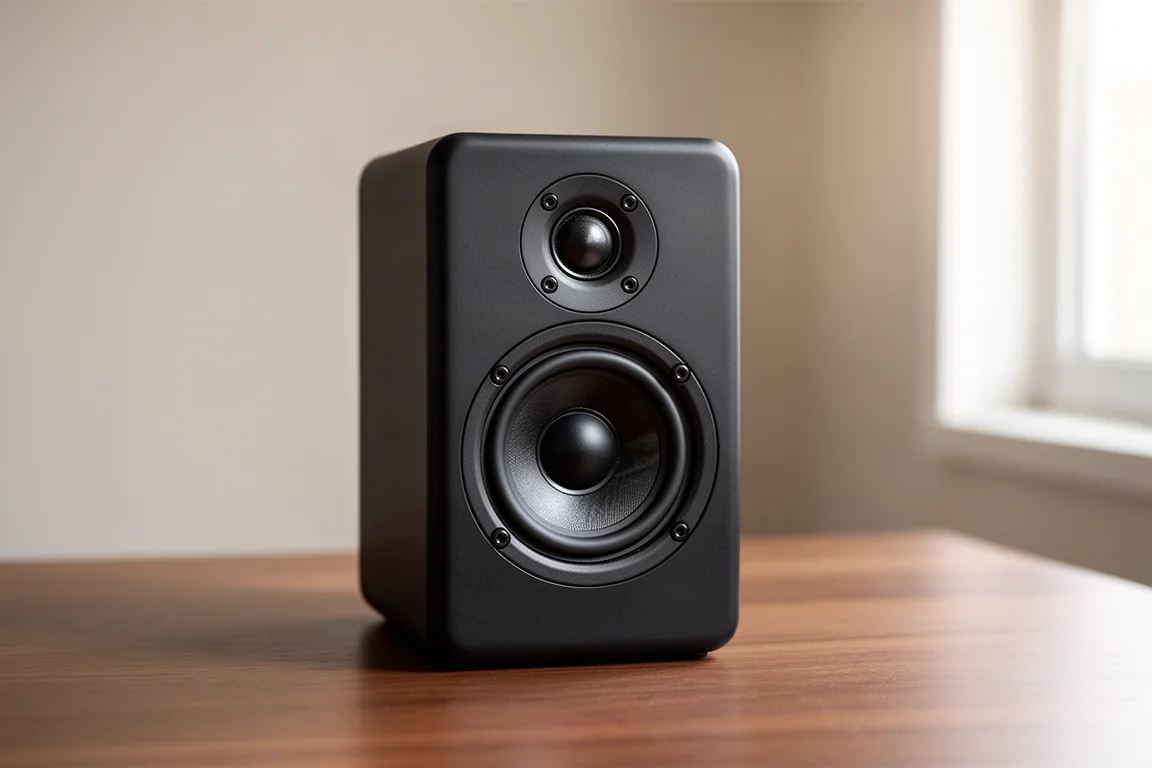
Kanto Sub8: A Sealed 8-Inch Subwoofer
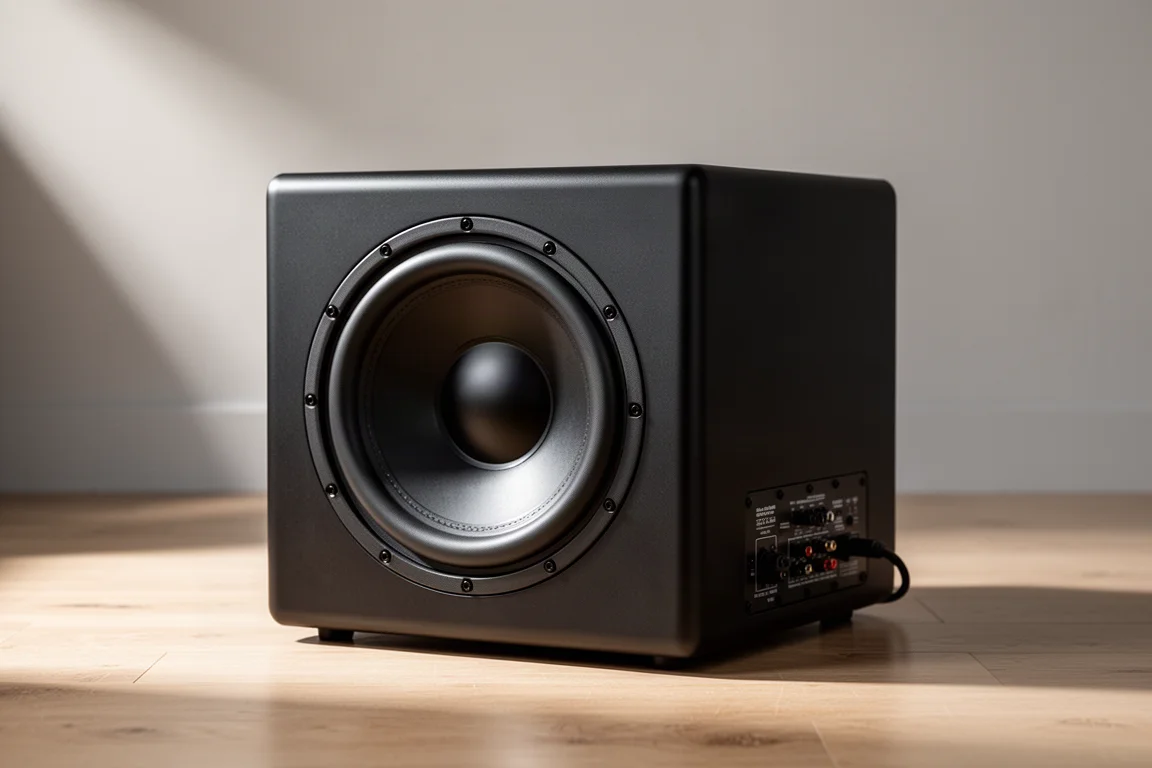
The Sub8 is the one subwoofer in the lineup, and it is an 8-inch sealed design, which is unusual in its segment where most affordable subwoofers use a ported cabinet. The sealed approach was chosen because there is less that can go wrong inside the box, giving very low distortion and avoiding the phasing issues that can appear when a port is not tuned correctly.
It is rated at 300 W with 150 W RMS, costs $300, and stays usable down to roughly 35 to 40 Hz in a room. Paired through the subwoofer output found on every Kanto speaker, it is an easy way to add weight to a desktop system or a small television setup.
Kanto S Series Speaker Stands: Angle and Decoupling
The S series is the original desktop stand family, and it addresses a common problem: speakers placed flat on a desk often sit too low and fire past the listener rather than at them. These stands add height and hold the speaker at the correct angle, while the foam padding on the top and bottom decouples the cabinet from the desk surface. Because the footprint stays within the speaker’s own outline, they take up no extra desk space.
The S series comes in three sizes: the S6 is the largest, with the S4 and S2 descending in size, so you can match the stand to the speaker you own.
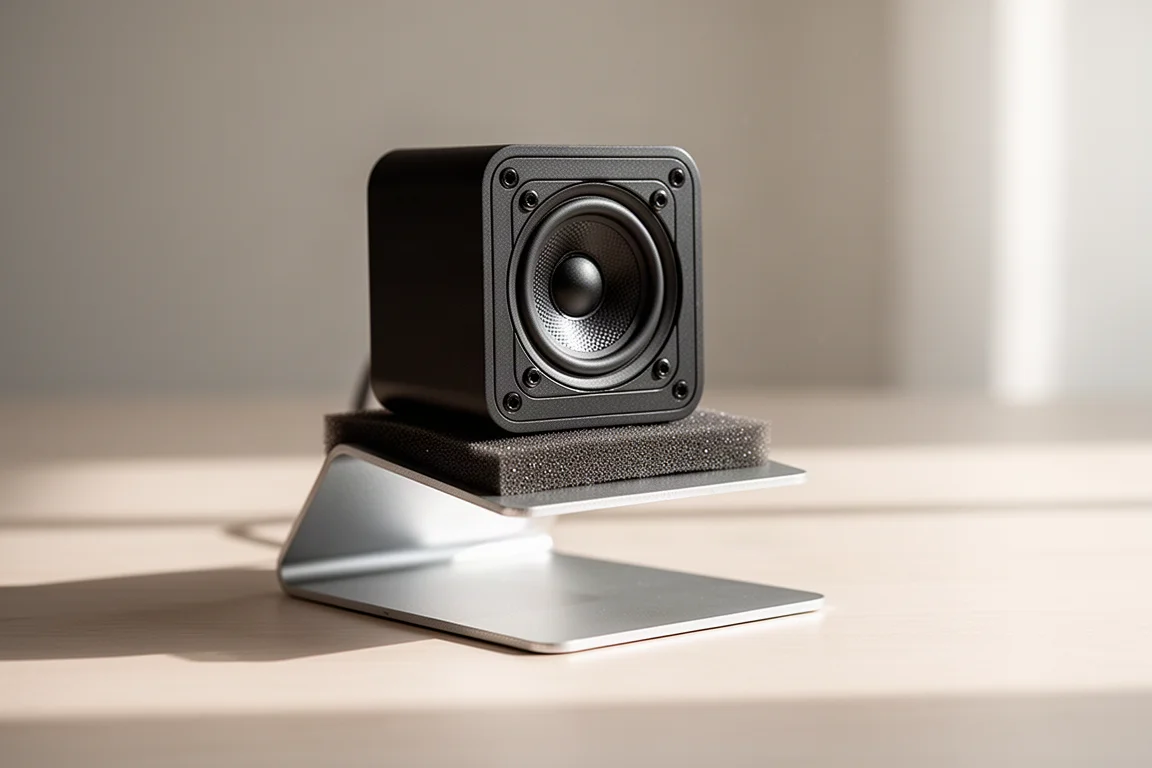
For a desktop system, the combination of correct angle and physical decoupling is often the difference between a pair of speakers that sounds thin and one that images properly. Choosing the right size from the three options is the main decision.
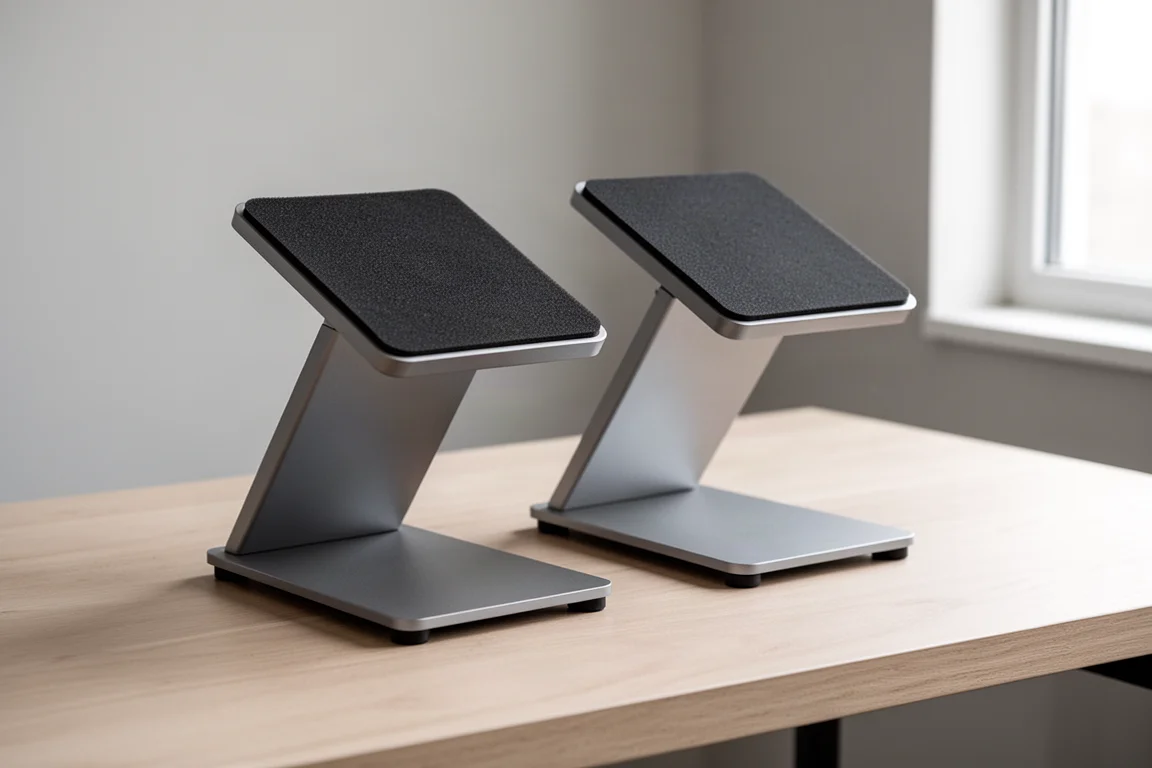
Kanto SE Series Speaker Stands: Elevated Grip
The SE series is the elevated version of the S series stands. The main change is the surface material: silicone on both the top and the bottom instead of foam padding, which makes the stand very grippy and keeps both the speaker and the stand itself from moving around. The design works with any full-size speaker, and for Kanto speakers there is a slot plus a 1/4-20 binding post or screw, so the speaker attaches firmly and cannot tip over accidentally.
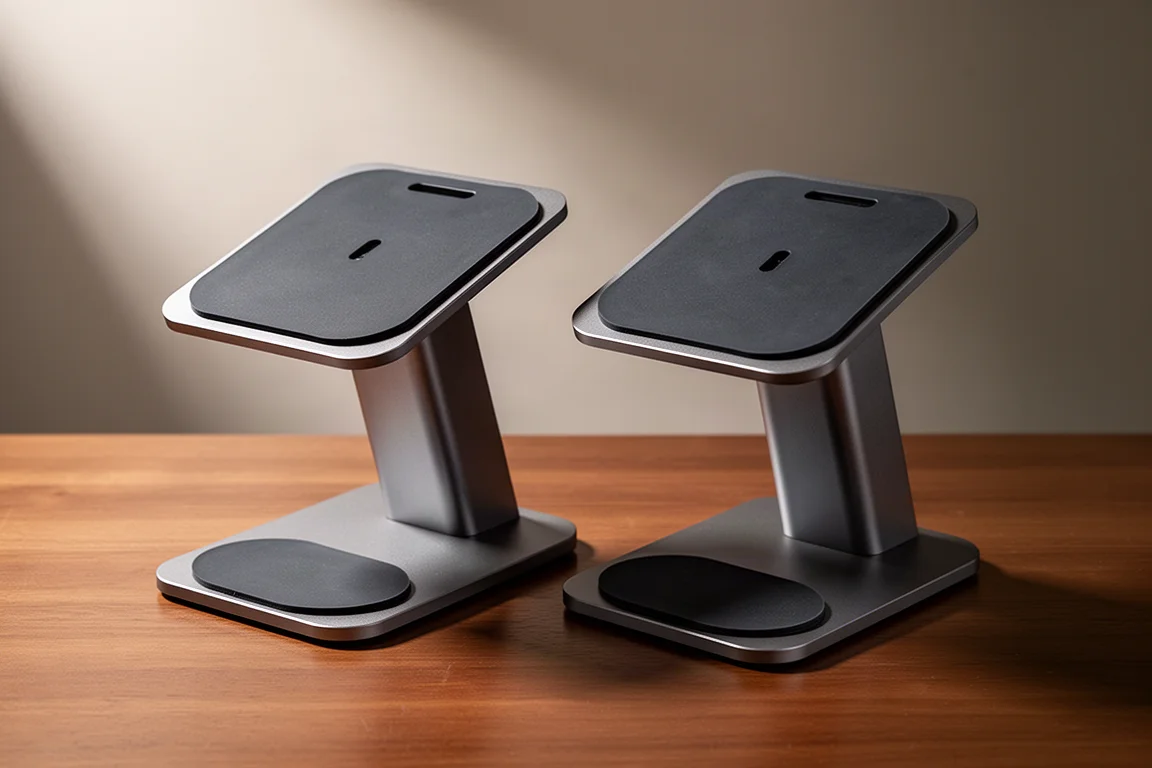
Buying Advice: Matching the System to Your Room
Start with the room and the source rather than the spec sheet. If the setup lives on a desk and you want the smallest footprint, the U2 or U4 with a pair of stands covers the basics, and the subwoofer output means the Sub8 can be added whenever you want more low end. For a larger desk or a room where the speakers also handle television duty, the U6 offers the same connectivity with a bigger cabinet. If bass depth, headphone listening, and one pair that handles desktop, turntable, and home theater are all priorities, the TUK is the model that was designed around exactly that combination.
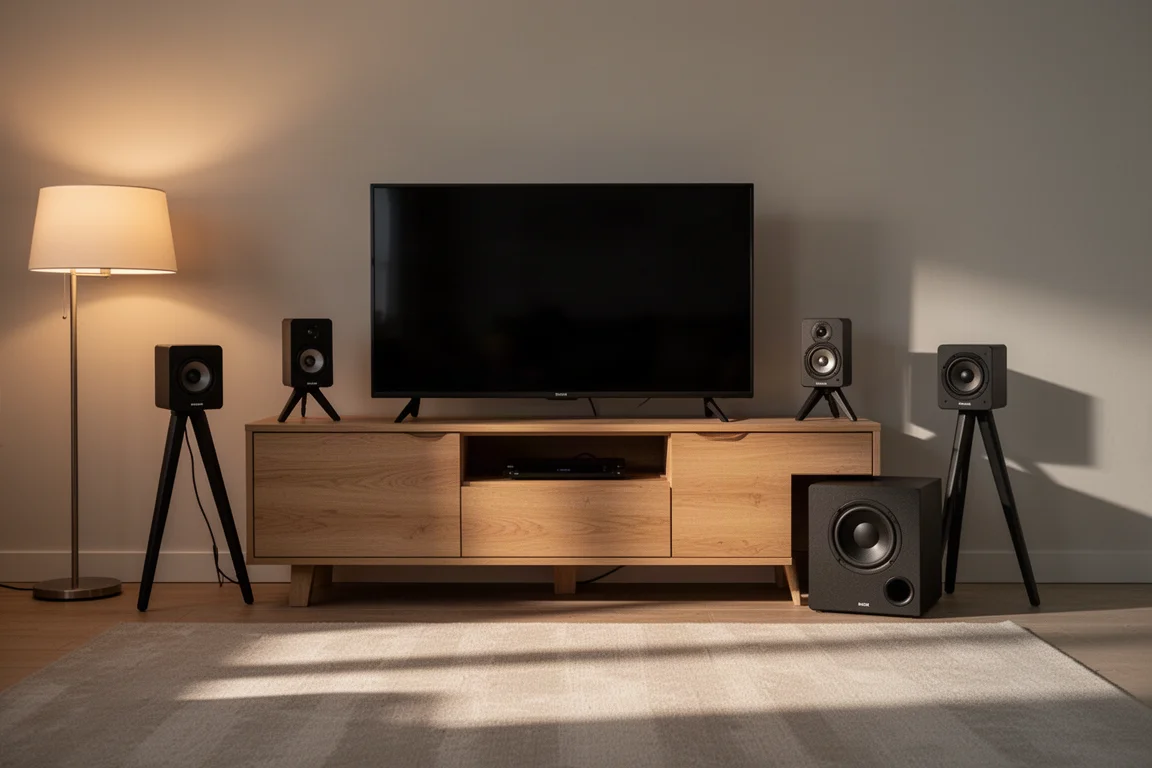
On the stand side, the S series delivers the angle and the foam decoupling at the lower of the two tiers, while the SE series adds the silicone grip and the screw attachment for Kanto speakers. If you move your speakers around, or you simply want the cabinet locked in place, the SE series is the more secure option. If you are matching a specific speaker size, the three sizes of the S series make it easier to get the proportions right.
Conclusion
Kanto’s range is built around a simple idea: keep the flexibility of a modular system even when you choose powered speakers. The subwoofer output on every model, including the compact U2, is the detail that makes that promise real, and the Sub8 extends any of them with a sealed cabinet that favors control over sheer volume. From the $420 U4 to the $900 flagship TUK, the right pick comes down to how much desk or room space you have, whether you want the TUK’s USB and headphone inputs, and how much bass extension you need out of the box. A pair of stands, in whichever tier suits your budget, is a small addition that helps any of these speakers sound the way they were intended to.
Further reading
Related Reviews

Audio
Apos x Geshelli Merlin DAC Review: A Natural Match for the Gremlin Amp
The Apos x Geshelli Merlin DAC pairs balanced and single-ended outputs with a smooth, natural sound that complements the Gremlin tube amp.
Audio
Audio Gear That Beats Pricier Rivals: Nine Value Picks for 2026
Nine turntables, streamers, speakers, and amplifiers that deliver far more than their price suggests, plus the trade-offs worth checking before you buy.
Audio
Best Amplifiers Under $200: Four Compact Stereo Amps Worth Considering
Four compact amplifiers under $200, from a class AB design with a headphone section to a DAC-equipped integrated amp and a low-cost pick from a US-based brand.