Studio Monitors
Kali Audio LP6 vs SM5: What Separates Budget and Flagship Studio Monitors
A practical comparison of the Kali Audio LP6 and SM5, covering two-way versus three-way design, amplifier power, distortion, calibration and connectivity.
Introduction
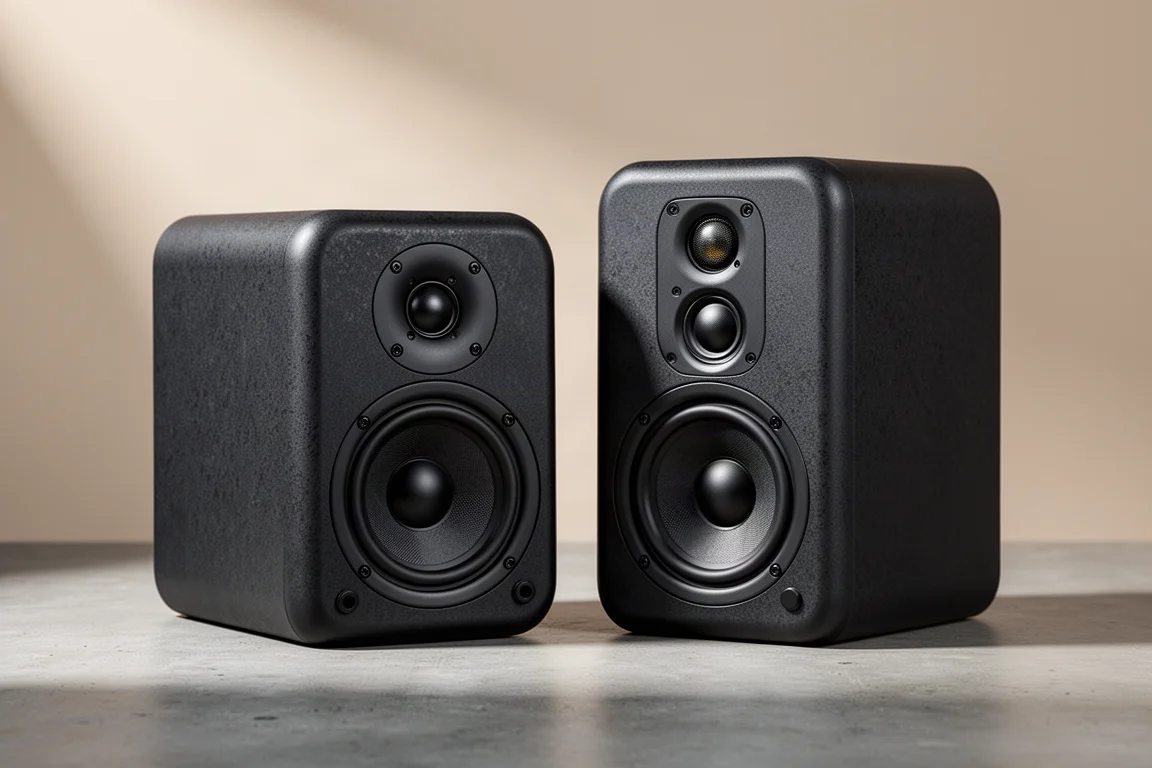
Two pairs of studio monitors can share almost the same published frequency response and still behave very differently in a working room. The Kali Audio LP6 and the Kali Audio SM5 are a clear example. Both are self-powered nearfield monitors rated from 47 Hz to 21 kHz, plus or minus 3 dB. One pair sells for roughly $500, the other for roughly $3,000.
The price gap is not cosmetic. It reflects differences in driver count, crossover design, amplifier power, distortion performance, cabinet construction, calibration tools and connectivity.
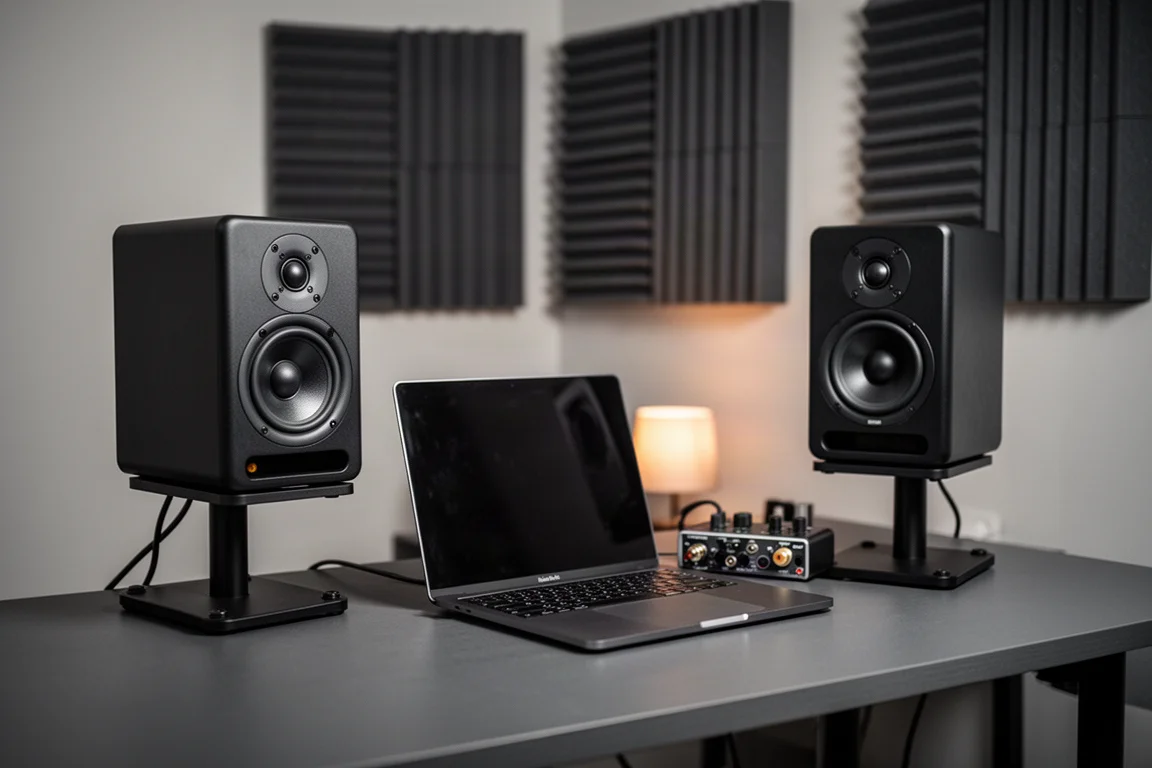
This guide works through each of those differences in practical terms so you can judge which level of monitor genuinely suits your room, your workflow and your budget.
How Two Monitors Can Look Alike and Sound Different
Frequency response is usually the first specification people compare, but it is only a starting point. How the frequency range is divided between drivers, how much amplifier power is on tap, how the cabinet manages resonance and how the crossover handles phase all shape what you actually hear.
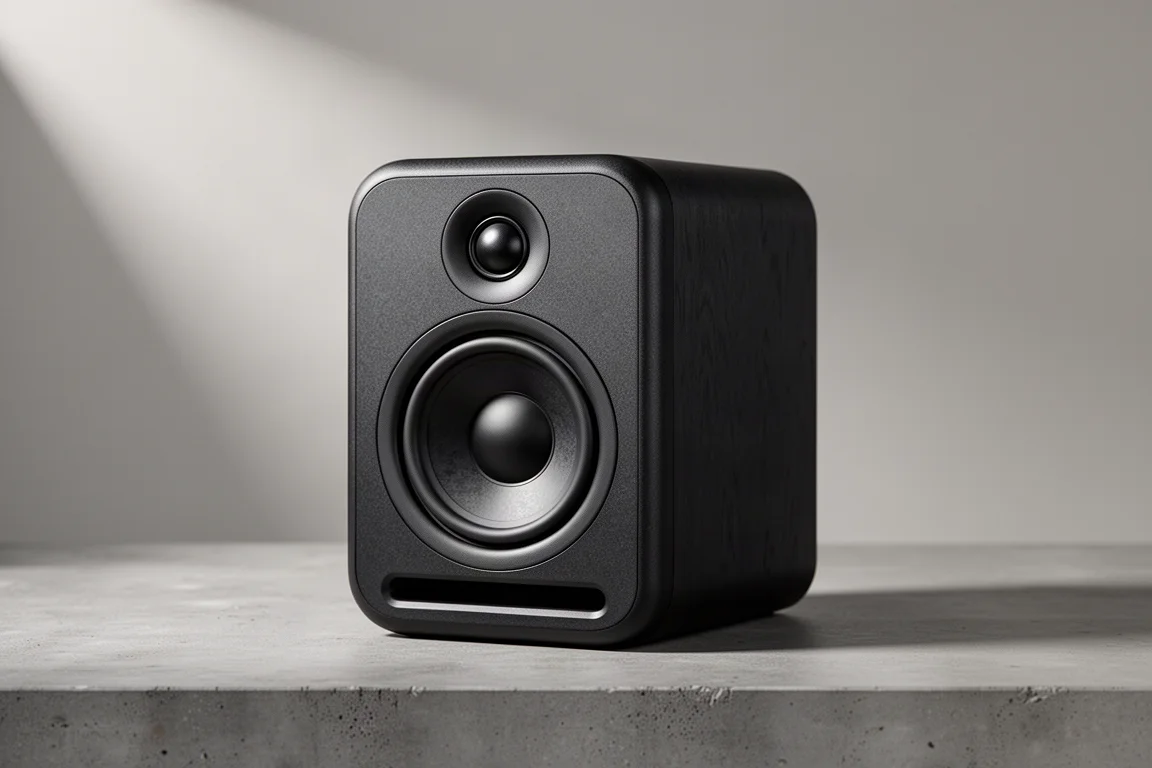
The LP6 uses a two-way design: a 1-inch high-frequency driver paired with a 6.5-inch low-frequency driver. An integrated crossover sends content below 1.5 kHz to the woofer and content above 1.5 kHz to the tweeter, with a small overlap between the two for a smooth transition. Splitting the work protects the high-frequency driver from low frequencies and lets each driver operate where it performs best.
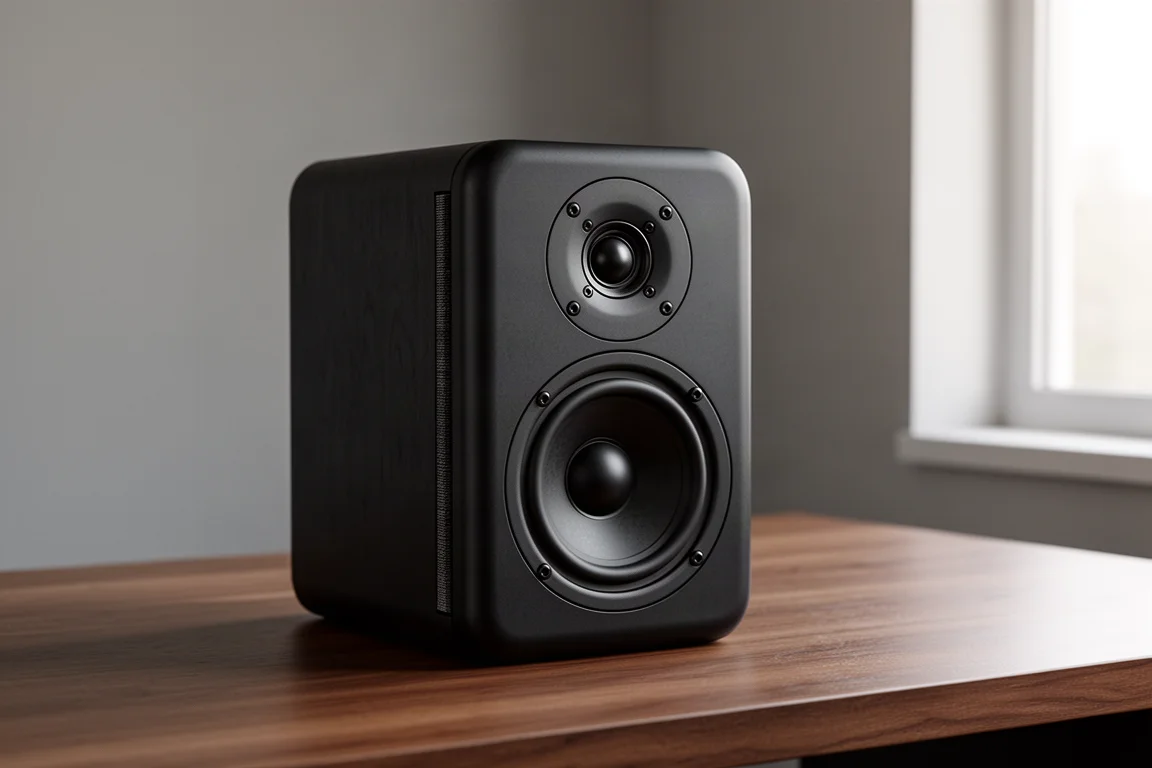
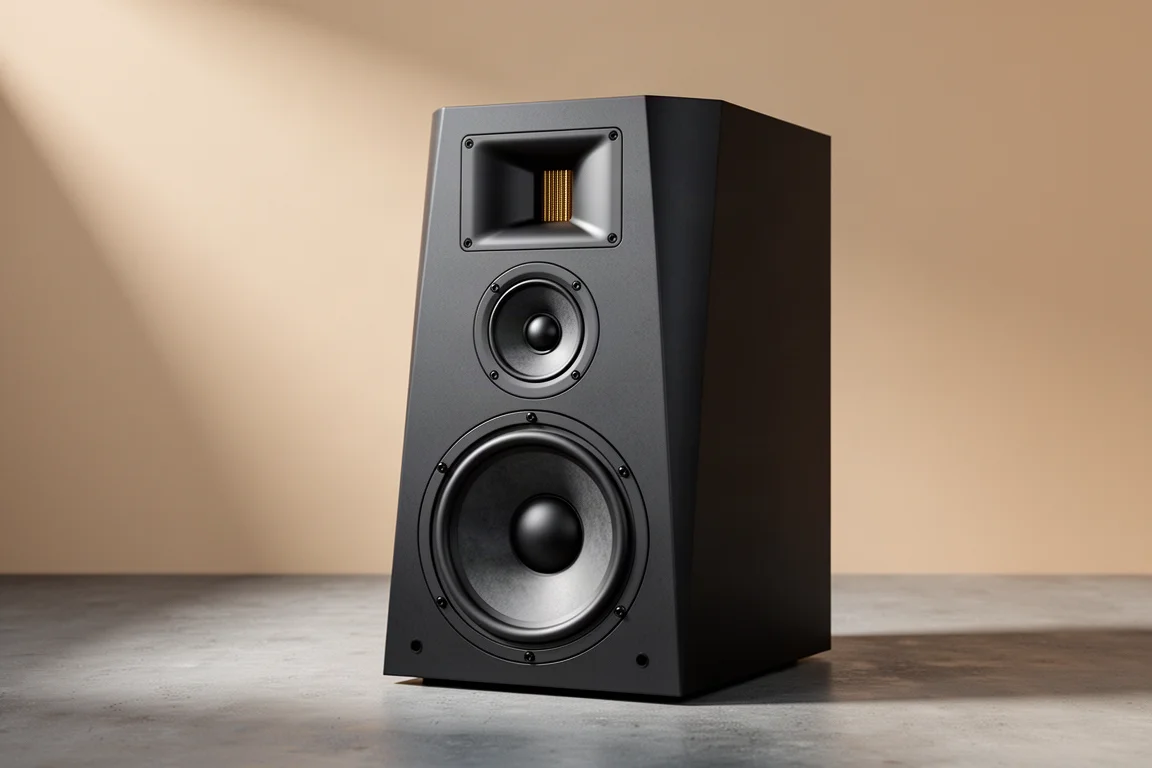
The SM5 uses a three-way design: a 1-inch high-frequency driver, a 4-inch mid-range driver and a 5-inch low-frequency driver. Crossovers are set at 280 Hz between the low-frequency and mid-range drivers and at 2.8 kHz between the mid-range and high-frequency drivers. Adding drivers also adds the possibility of phase interference where their ranges overlap, so the SM5 uses coaxial mid-range and high-frequency drivers that radiate from the same point in space and stay phase aligned through the crossover region. The mid-range driver doubles as a waveguide, which helps control how sound is distributed and keeps quality consistent across the listening area.
Driver materials differ as well. Both designs use paper cones, but the LP6 uses a textile dome tweeter while the SM5 uses a metal dome tweeter.
Kali Audio LP6: A Two-Way Monitor Built for Accessibility
The LP6 is designed with budget in mind, and the specification sheet shows where the compromises sit. It is bi-amplified with 80 watts of Class D power, divided as 40 watts for the high-frequency driver and 40 watts for the low-frequency driver. Maximum SPL is rated at 115 dB at 1 meter.
At 90 dB SPL at 1 meter, total harmonic distortion is rated below 3 percent from 80 Hz to 1.7 kHz and below 2 percent above 1.7 kHz, which is strong for the price range. Inputs cover balanced 1/4-inch TRS and XLR plus unbalanced RCA.
Kali Audio SM5: A Three-Way Flagship Design
The SM5 is a flagship design with fewer compromises. It delivers 225 watts of Class D power across three amplifier channels, one per driver, and is rated at 117 dB SPL at 1 meter. At 90 dB SPL at 1 meter, total harmonic distortion is rated below 0.75 percent.
Room calibration is built in, with eight parametric EQs plus delay and trim for matching the monitors to the space they sit in. Connectivity goes beyond the basics as well: balanced TRS and XLR inputs, a BNC connection for AES EBU, and an Ethernet port for control. Passive versions of the SM series are also available, though those require a separate amplifier.
Power, Headroom and Bass Control
Both monitors are self-powered, with the amplifier integrated into the cabinet. The LP6 provides 80 watts of Class D power in a bi-amplified arrangement, while the SM5 provides 225 watts across three channels.
Doubling amplifier power yields roughly a 3 dB change, so it is worth noting that the SM5 has about 3.5 times the power of the LP6 yet only about 2 dB more maximum output. In a studio context, the point of the extra power is not volume. It is headroom, a lower noise floor and reduced harmonic distortion. More power on tap means short dynamic peaks are reproduced cleanly without clipping, and it gives the amplifier more authority over woofer movement, which translates into tighter, better controlled low end.
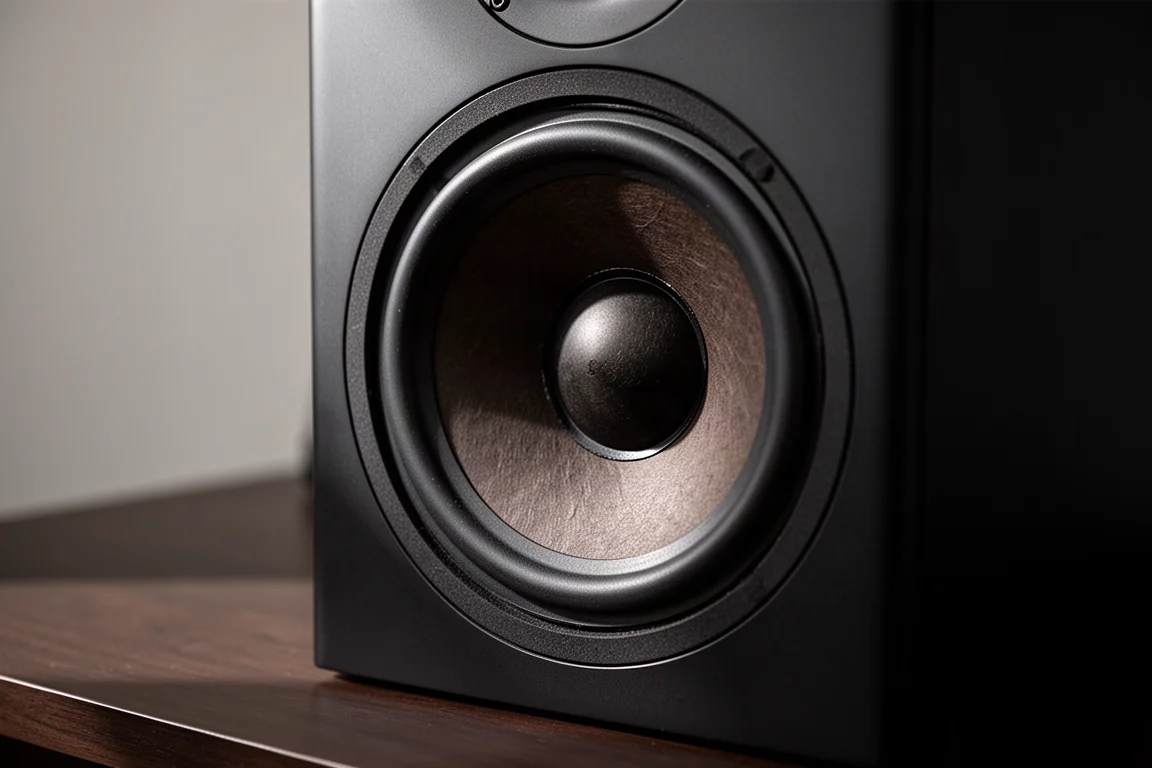
That headroom also matters at moderate listening levels. Amplifiers tend to perform at their best within a small linear region of their total power range, so a higher-rated amplifier stays in its low-distortion sweet spot even as you turn up, while a smaller amplifier may begin to strain and add harsh artifacts. There is a reliability angle as well: amplifier clipping is a common cause of damaged tweeter coils, and a more powerful amplifier is far less likely to clip.
Room Calibration, Delay and Trim
A monitor that measures flat in a lab will not necessarily measure flat in your studio, which is why calibration tools matter. The SM5 includes eight parametric EQs plus delay and trim, letting you compensate for placement and room acoustics.
EQ and delay cannot solve every acoustics problem, so it is worth reserving part of a monitor budget for acoustic treatment. The built-in calibration on the SM5 is a useful complement to treatment rather than a replacement for it. The LP6 does not include a comparable integrated calibration suite, though both monitors have boundary control switches on the rear panel for broader adjustments based on placement and taste. Where calibration is handled outside the monitors, keeping it as late in the signal chain as possible, whether in the audio interface, a separate DSP or the monitors themselves, helps avoid driver-level software issues and ensures everything sent to the monitor is calibrated.
Cabinet Construction, Weight and Placement
Physical construction is easy to overlook because it does not appear on a frequency response graph, but it affects performance. The SM5 weighs 21 lb (9.5 kg) while the LP6 weighs 15.54 lb (7.05 kg), a difference that comes largely from cabinet design: the SM5 uses thicker panels and more internal bracing.
The reason this matters is resonance. A cabinet that vibrates adds its own sound to the output, which can color what you hear and make mixing decisions harder to trust. A sturdier, better braced enclosure reduces that contribution.
Placement remains a factor in both cases. Boundary control switches on the rear panel of each monitor give you general adjustment for how close the speakers sit to walls and corners.
Connectivity and System Integration
At a minimum, most studio monitors offer balanced connections such as XLR or TRS, and more budget-oriented models sometimes provide only RCA. The LP6 covers balanced 1/4-inch TRS and XLR along with unbalanced RCA, which is enough for a typical home setup.
The SM5 adds a BNC connection for AES EBU and an Ethernet port for control. Those matter in larger or more complex systems that use digital audio protocols such as AES EBU, AES67, Dante or Ravenna, where a monitor that accepts a digital feed directly can simplify the signal path.
Buying Advice: Matching Monitors to Your Budget and Room
Monitors in both of these price ranges can be used for professional mixing. The LP6 is an excellent choice at its price point, and the SM5 is a no-shortcuts flagship for engineers who want the best the series offers. Comparing them directly is an apples-to-oranges exercise, because they were designed with different goals and different budgets in mind.
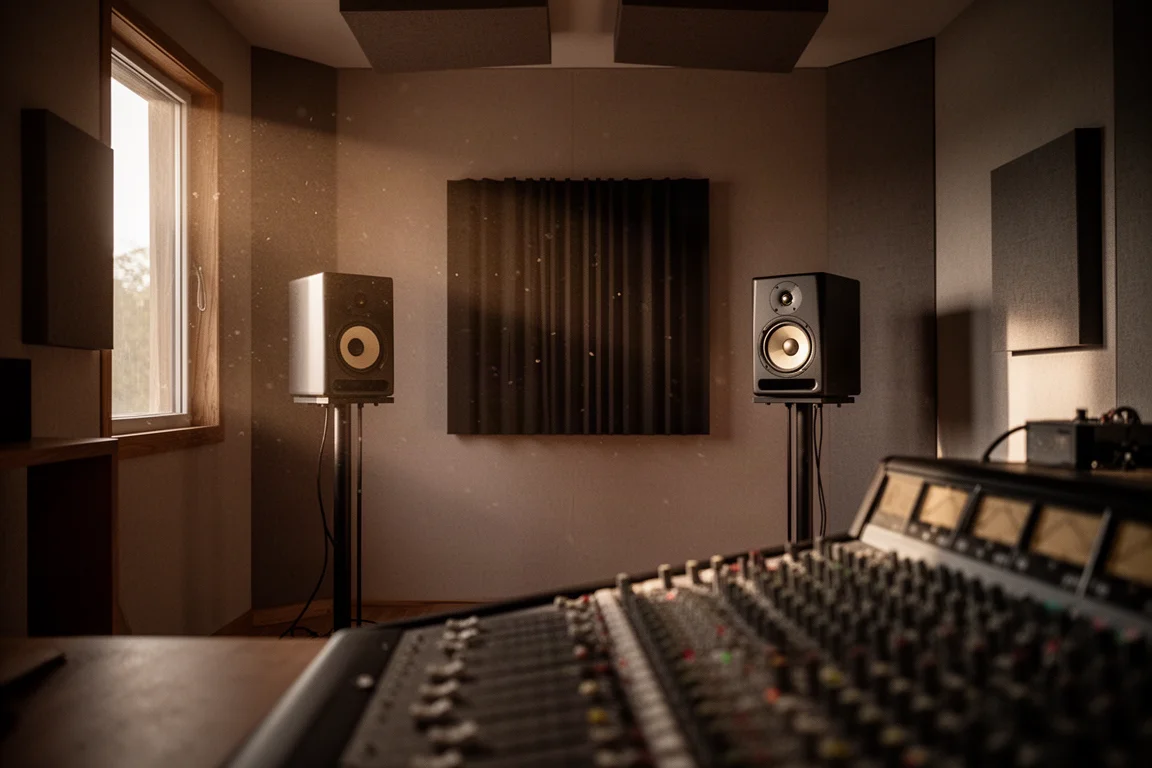
The practical approach is to choose the budget that makes sense for your situation, then put in the hours practicing mixing. That is what actually improves results. Whatever you choose, leave room in the budget for acoustic treatment, since calibration and speaker quality can only do so much in an untreated room.
Conclusion
The LP6 and the SM5 are both credible studio monitors, separated by design philosophy rather than by a single specification. If you want a capable two-way monitor at an accessible price, the LP6 covers the essentials with balanced inputs and sensible power. If you want three-way drivers, coaxial phase alignment, substantially more amplifier power, lower distortion and integrated calibration, the SM5 is the flagship option. Match the monitor to the work you do and the room you work in, and either pair can serve you well.
Further reading
Related Reviews
Studio Monitors
ADAM Audio A8H Review: A Three-Way Studio Monitor That Also Knows How to Have Fun
A three-way active studio monitor with an 8-inch woofer, a handmade AMT tweeter, and two distinct tunings, the ADAM Audio A8H aims to satisfy both critical work and everyday listening.

Studio Monitors
Best Studio Monitors 2026: Six High-End Options Compared
We tested six premium studio monitors in a real studio space to see which ones deliver the best mix of accuracy, musicality, and value.
Studio Monitors
Focal Alpha 65 Evo Review: An Honest Studio Monitor With Real Bass
A bi-amplified active studio monitor with deep bass, useful tone controls and a truthful, uncoloured voicing, assessed for small studios and home setups.