E-Bikes
Kakuka K26 Review: A Lightweight Trail-Style E-Bike With Real Trade-Offs
The Kakuka K26 leans athletic: a 350W motor, 36V battery, and integrated display that looks great but limits flexibility. Here is who it actually fits.
Introduction
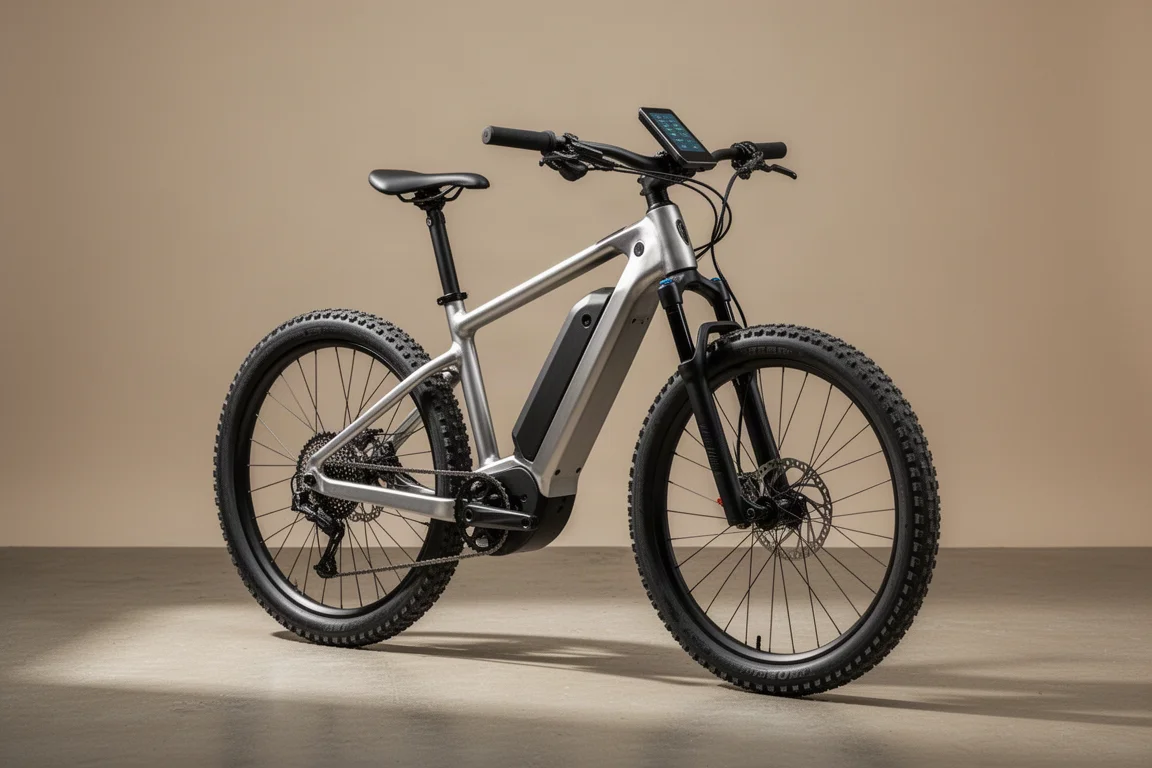
Some e-bikes are easy to slot into a category. The Kakuka K26 took a while to figure out. It sits in an in-between zone: it is marketed as a trail mountain bike, though it does not fully match what most of the industry considers one, yet in certain ways it does feel like one. After putting several riders of different sizes on it, the picture is now clearer: this is an athletic, pedal-first e-bike with a slick integrated display, a lower-power motor, and a smaller battery than most of the competition.
Kakuka currently sells three models: the K70, a flat-tire road bike; the K26, their trail mountain bike; and the K16, a folding city bike. The K26 is the one that stands apart from the typical budget e-bike formula, and that is exactly why it needs a closer look.
What the Kakuka K26 Is
The K26 is built around an aluminum frame, which is standard in this space since the battery and motor add so much weight. Power comes from a 350W brushless rear hub motor paired with a 36V, 7.5Ah lithium battery built from 18650 cells. That battery capacity is about half of what the other e-bikes in our fleet carry, and it is the single biggest thing to understand before buying.
Kakuka claims up to 43.3 miles of range. In practice, even on the lowest power assist level, expect closer to 30 miles at best. If range is your top priority, this is not your bike. If you plan to pedal actively and use assist as a supplement, the smaller battery starts to make more sense.
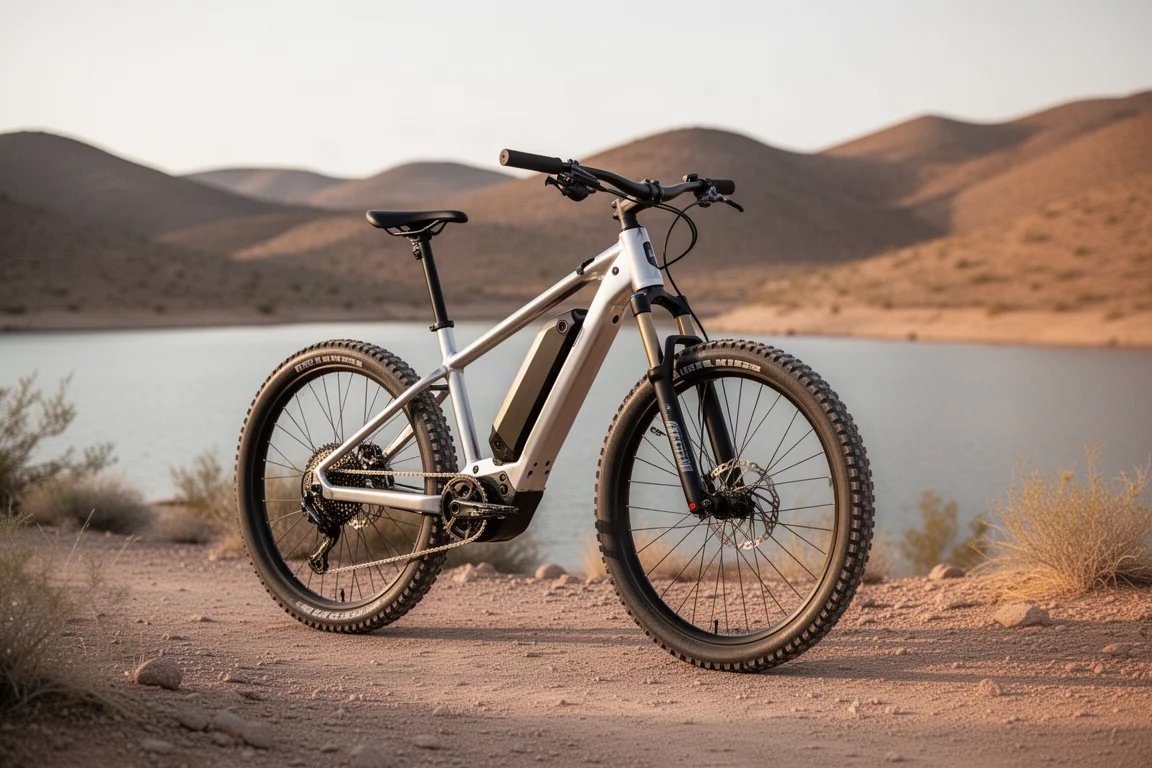
The bike uses a Shimano seven-speed gear shift system, the same shifter found on almost every budget e-bike, along with disc brakes, which are standard across the category at this point. Puncture-resistant mountain bike tires round out the spec sheet.
The Integrated Display: Slick, but a Compromise
The standout feature at first glance is the integrated digital LCD built into the handlebar. It genuinely looks premium, showing battery level, real-time speed, distance, and pedal assist up to level five. At night it is very pleasant to look at. In direct sunlight, it can be difficult to read, and it is not as clear as some other displays we have used.
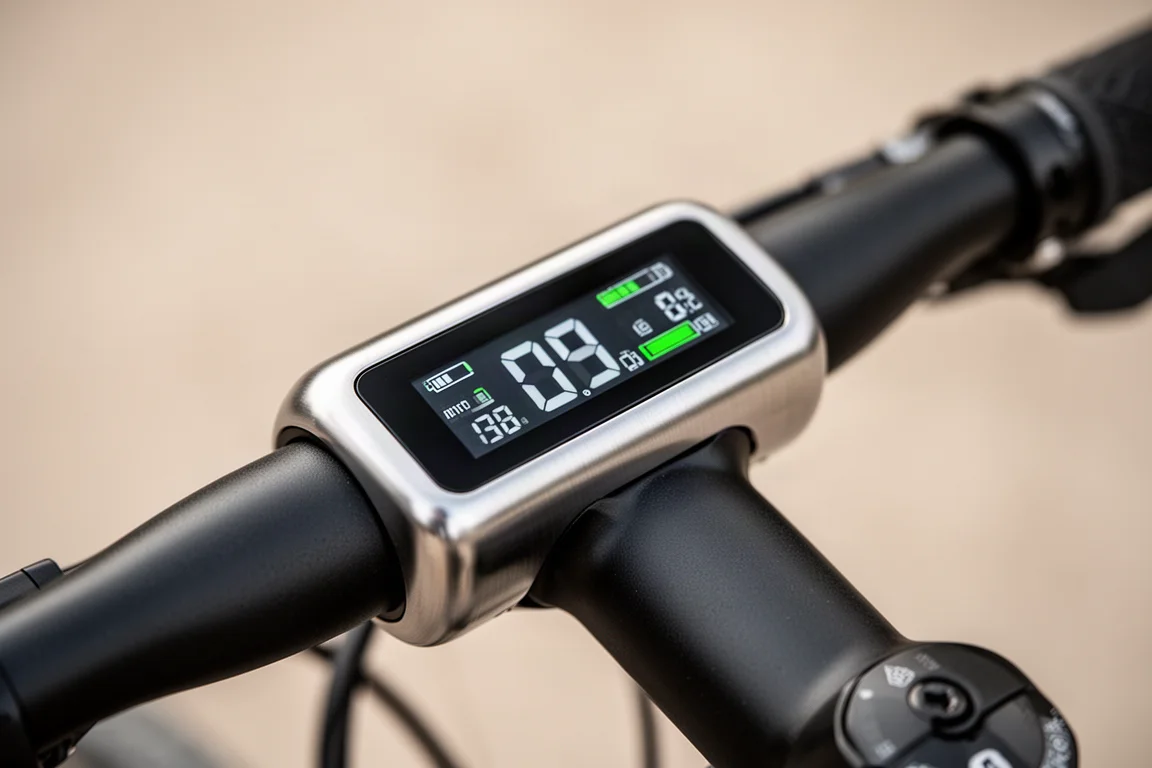
The bigger issue is serviceability. Because the display is integrated into the handlebar, cracking the screen means replacing the whole handlebar assembly, and you cannot swap in a different handlebar style if you do not like the stock setup. On most other e-bikes you can strip the bars, replace them, and reattach everything. On the K26, this is your only option. If the trail bike positioning appeals to you, factor that risk in: a hard wreck could take out the display.
Motor, Pedal Assist, and Throttle
The 350W rear hub motor is more powerful than the 250W motors commonly found on mountain e-bikes, but well below the 500 to 750W motors typical of street-oriented e-bikes. Throttle alone is capped at 20 mph, which is regulatory. Under pedal assist on level five while actively pedaling, it can reach roughly 28 to 29 mph, though it does not get there quickly given the motor size.
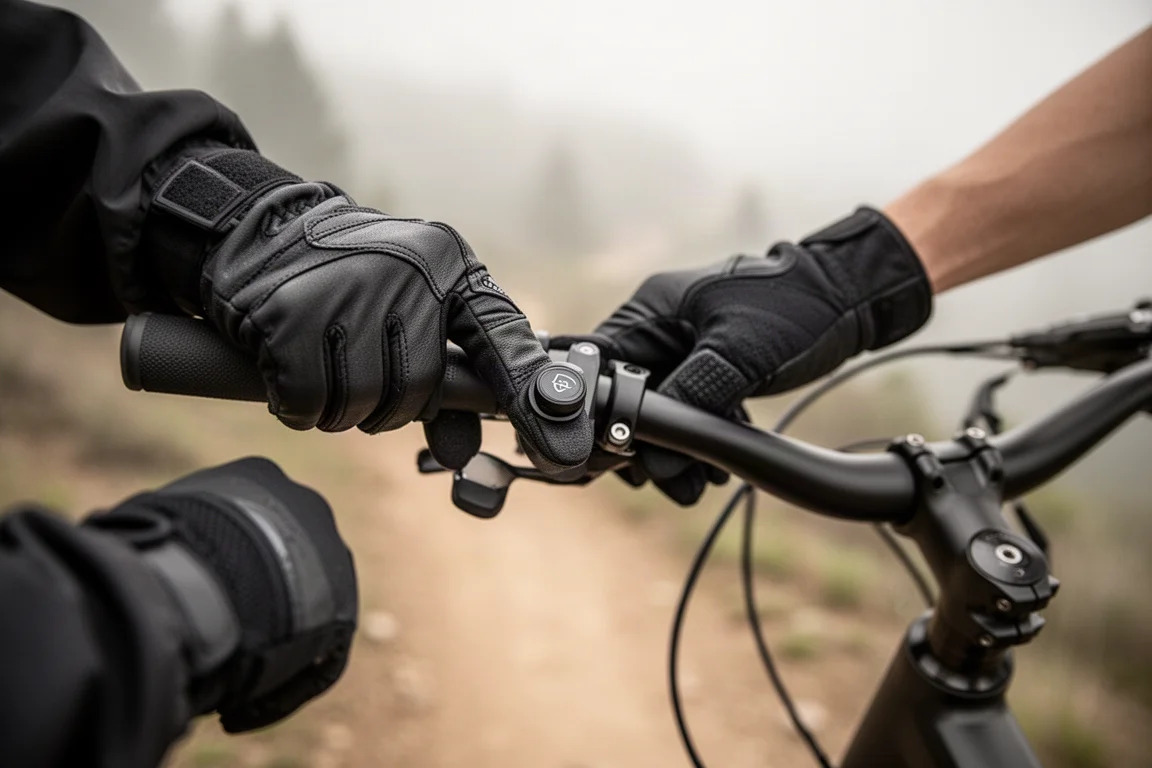
There is a small thumb button on the right side that turns the throttle on and off, a one-touch control that is fairly standard. Pedal assist tops out at level five.
The front suspension is adjustable, and rider feedback puts it in a middle zone: not the best for dedicated trail bikes, but definitely better than most street bikes. Call it a 1.5-level unit. It smooths things out without pretending to be serious trail hardware.
One bundled accessory worth mentioning: the included headlight is a battery-operated add-on rather than something wired into the bike’s own battery. It is underwhelming, and an aftermarket light plugged into the system would likely serve you better.
Ride Experience and Fit
So who actually fits this bike? The usable rider height range seems to run from about five foot four or five at the shortest up to full-grown adults. A rider just under five feet could get on it but it is clearly not sized for that. A five-foot-six rider uses it regularly and keeps it in her rotation of favorite bikes, though it is not her top pick. A six-foot-two, roughly 205-pound rider rides it all the time with no issues.
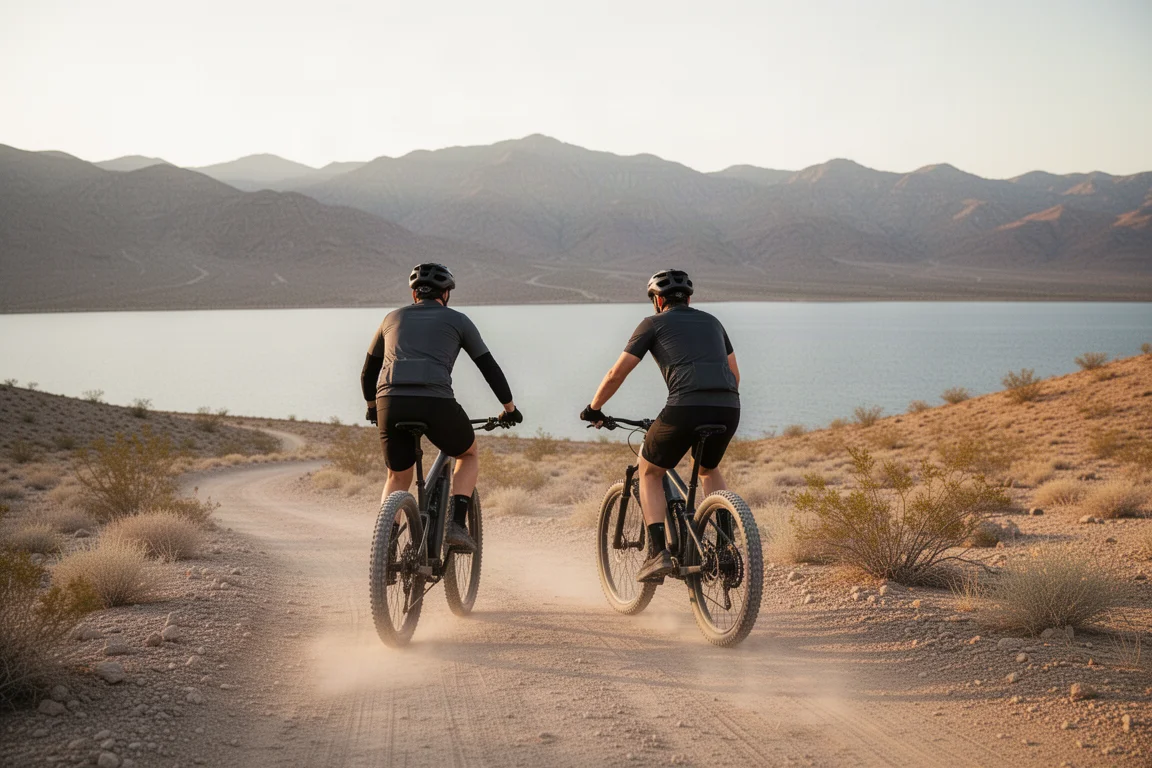
Two experienced riders, one with a BMX racing background and another who races motocross, took it out on trails near the Lake Mead area south of Las Vegas and pushed it as hard as they could. They had no problem riding it, which says something about its durability under adult riders on real terrain.
Buying Advice
At the current sale price of $1,299, $100 off the regular price, with free shipping and a one-year warranty, the K26 occupies a specific niche. Buy it if you are a reasonably athletic rider between about five-foot-four and six-foot-two who wants a stylish, pedal-first e-bike for mixed trail and paved riding, and you can live with roughly 30 miles of real-world range. Note the warranty excludes mishandling or damage, which matters more than usual given the fragile integrated display.
Skip it if you need long range, plan to rely heavily on throttle, want a swappable handlebar setup, or expected serious trail-capable suspension. A heavier rider who wants a mid-drive motor and better gearing would be better served elsewhere too.
Conclusion
The Kakuka K26 is a decent, good-looking e-bike that rewards riders who pedal and punishes assumptions that it is a full mountain bike. The integrated display is its signature feature and its biggest liability, the range is real but modest, and the motor sits deliberately between street and trail norms. Match its strengths to your riding style and it fits well. Expect a dedicated trail machine and you will be disappointed.
Product link
View more details for Kakuka K26
This product is mentioned in the review. Check the specifications, options, and compatibility before buying.
View more details for Kakuka K26Further reading
Related Reviews

E-Bikes
Best Folding E-Bikes 2026: Five Picks for Every Budget and Riding Style
From budget-friendly commuters to high-tech performance machines, these five folding e-bikes cover the full spectrum of needs and price points.
E-Bikes
Best Raleigh E-Bikes: Trace, Motus, Centros and Modem Compared
A practical comparison of four Raleigh e-bikes, covering battery range, motor placement, gearing and the kind of riding each model suits best.
E-Bikes
Best Rally E-Bikes Compared: Trace, Motus, Grand Tour, Centros and Modem
A practical look at five Rally e-bikes, from the lightweight Trace city bike to the cargo-ready Modem, with range, motor position and pricing explained.