Knives
Kaiser Mystic vs Kaiser Clipper: Two Premium Folders, Two Very Different Steels
A bolster-lock titanium folder in Rex 45 and an aluminum-handled front flipper in CPM 3V take two opposite approaches to blade performance.
Introduction
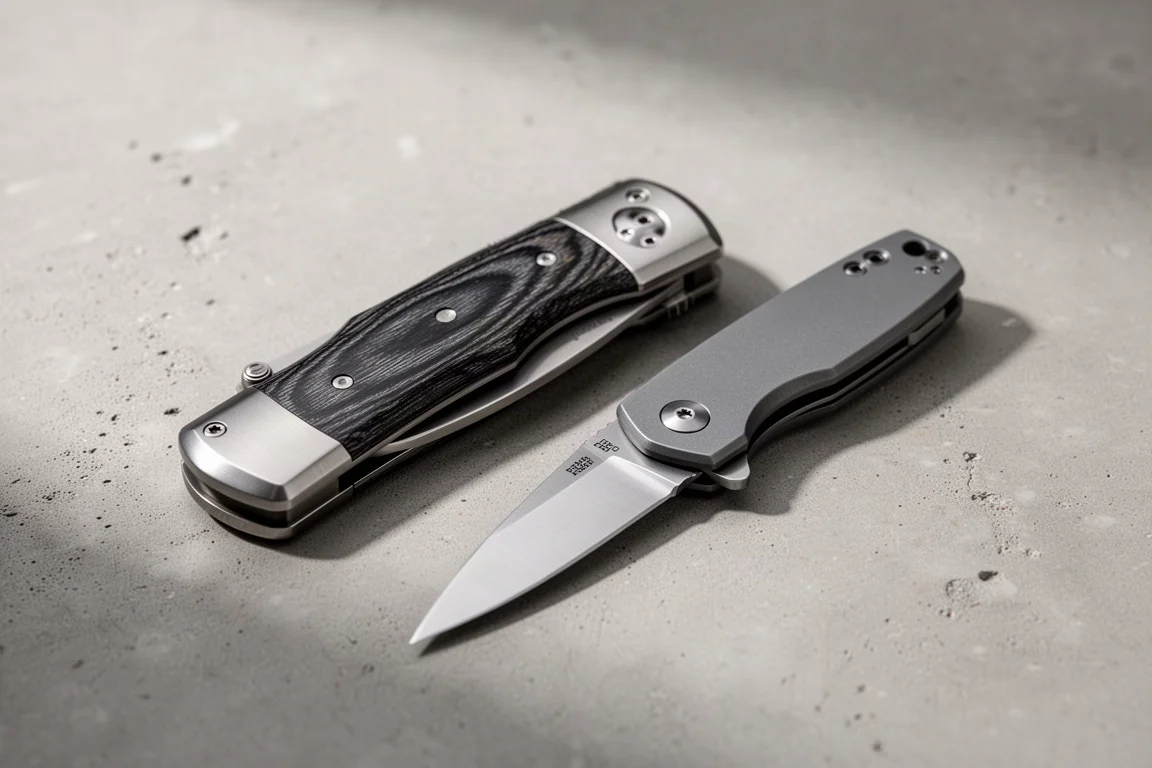
Kaiser has been on a run of interesting releases, and these two folders stand out for a simple reason: they put two steels into folding knives that rarely show up there. The Mystic goes ultra-premium with Rex 45, one of the highest wear-resistant steels you will encounter, while the Clipper brings CPM 3V, a steel beloved in fixed blades, into a folder for the first time in many people’s experience. They sit at opposite ends of the performance spectrum, and both are worth a close look.
Kaiser Mystic: Ultra High Wear Resistance in a Folder
The Mystic is very much on the premium side of the lineup. It is a bolster-lock knife with a titanium bolster, Micarta inlays at the pivot, and a blade in Rex 45, a steel typically running around 66 HRC. That hardness translates to extraordinary edge retention, so this is not a knife you will need to sharpen often at all. It also means you will need diamond stones; conventional sharpening gear will struggle badly with steel at this level.
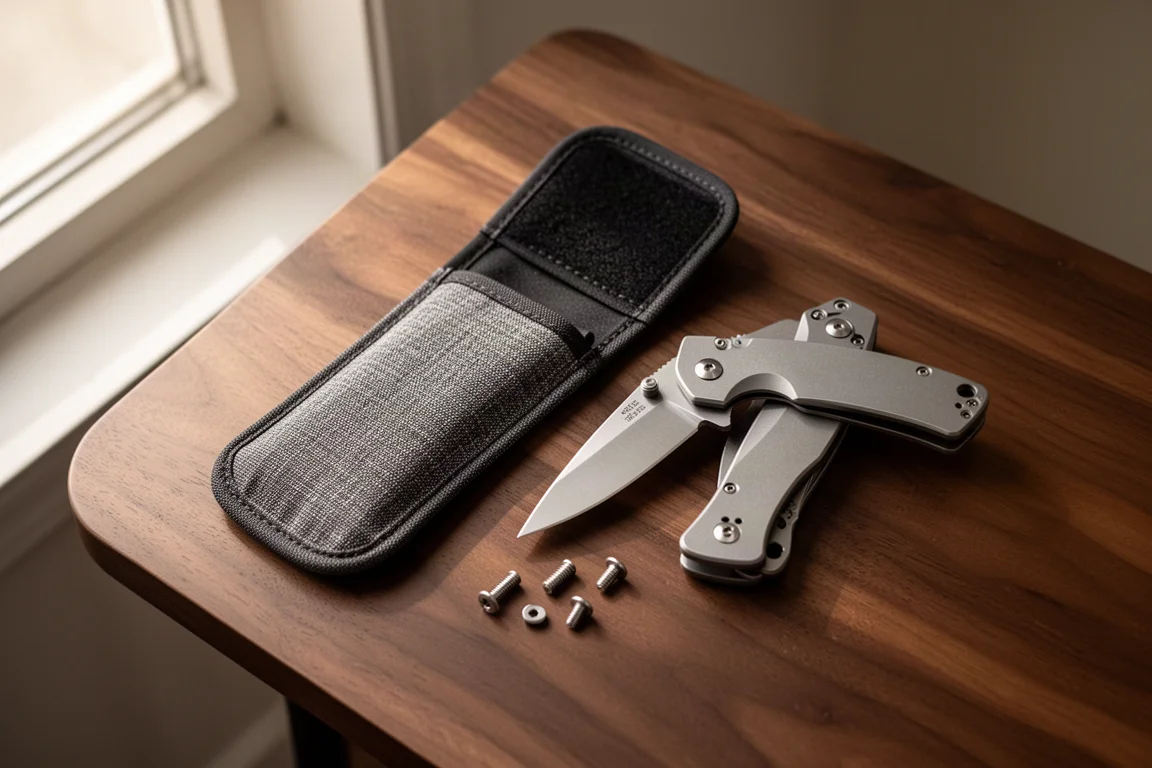
The unboxing experience is handled well. The storage sleeve uses a magnetic closure that feels genuinely nice to open, and like all Kaiser knives, the Mystic ships with spare hardware in the box. The Micarta here is beautiful, with real character on both sides, the kind of material you mostly see on premium knives rather than budget ones. The handle is big, beefy, and comfortable, with plenty of real estate, and the blade measures 3.74 inches, which Kaiser helpfully prints exactly on the knife.
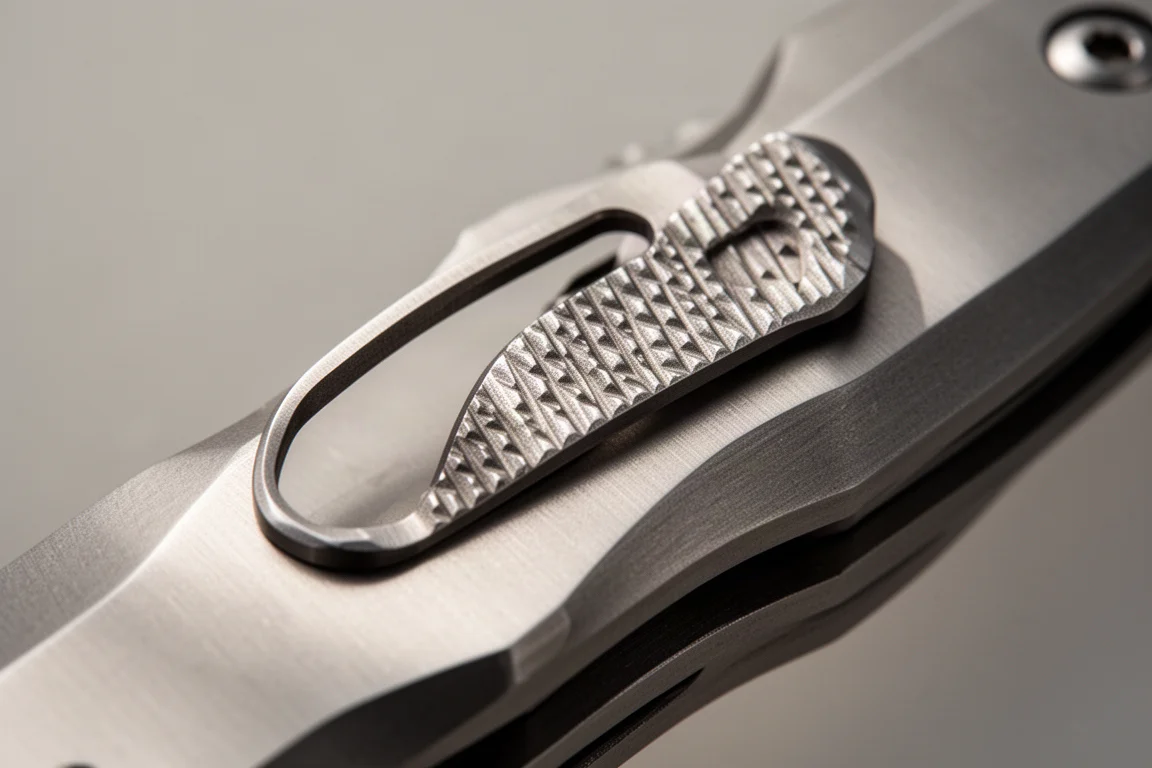
The action is the headline. It drops open so fast it borders on absurd, so keep your fingers properly positioned. There is one design criticism worth noting: the jimping inside the flipper cut-out is very low texture, and front-flipper action suffers from slippage as a result. More bite in that cut-out would make the front-flipper deployment noticeably more usable.
One honest caveat for everyday carriers: steels in this ultra-high wear resistance class are polarizing. They appeal strongly to collectors and knife enthusiasts who love the idea of an edge that essentially never dulls, but some users prefer to stop at steels like MagnaCut for daily use. Know which camp you are in before buying.
Kaiser Clipper: CPM 3V Toughness Done Right
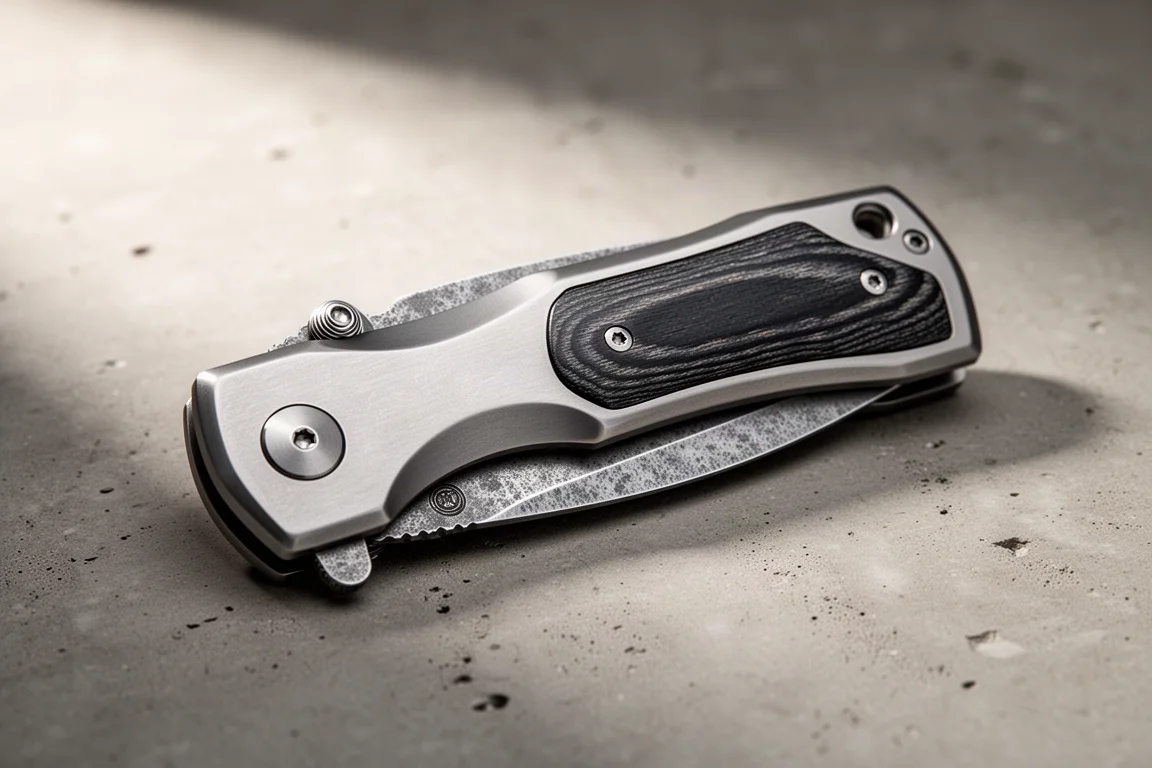
The Clipper is the knife that personally excites more. Designed by Tim Kingsford, it has a 3.15-inch blade in CPM 3V, a steel that is almost never found in folding knives. It is not stainless, but it has obscene toughness combined with edge retention that lands in a genuinely useful middle zone: higher than most budget steels, a bit below something like S30V, and easy to touch up in the field. That balance is exactly what makes 3V special.
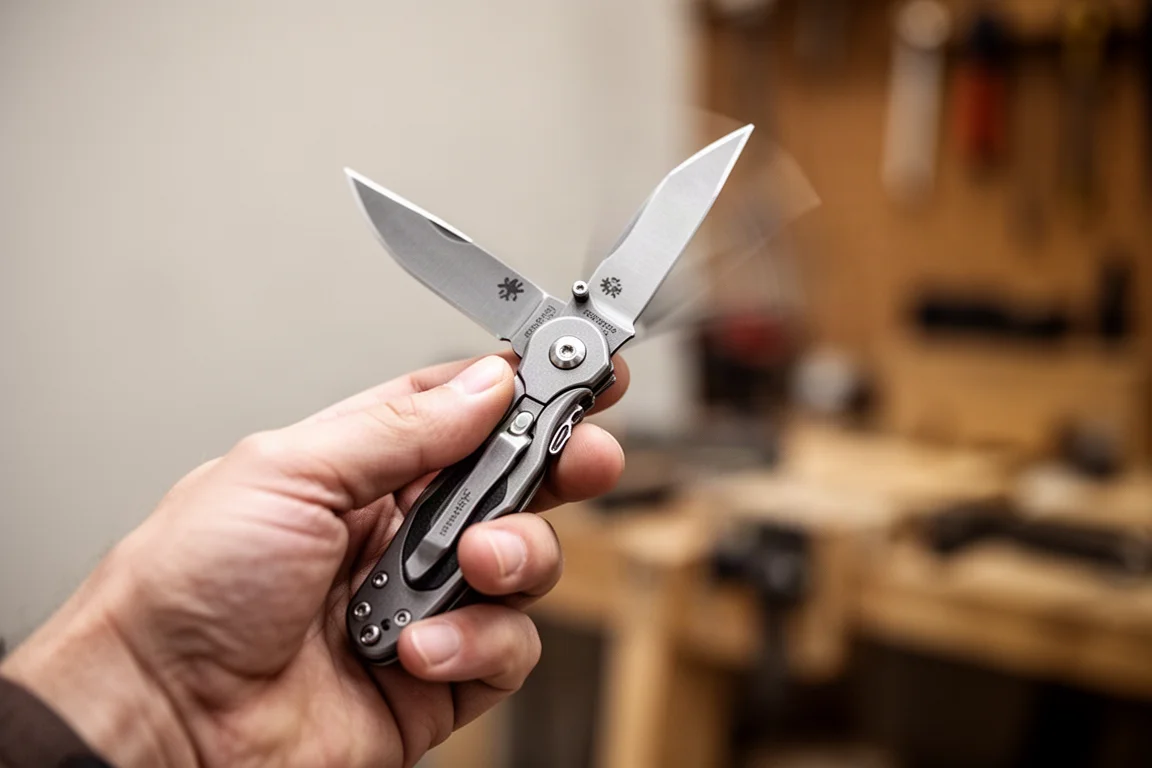
Corrosion resistance is the usual knock against non-stainless steels, but 3V has proven more corrosion resistant than D2 by a strong margin, and spotting has not been an issue in use. The front flipper here gets the jimping right: sharp texture on top, curved and smooth on the sides, so you get traction for the flip without shredding your pockets. The satin blade finish will attract fingerprints relentlessly, but it is easy to forgive.
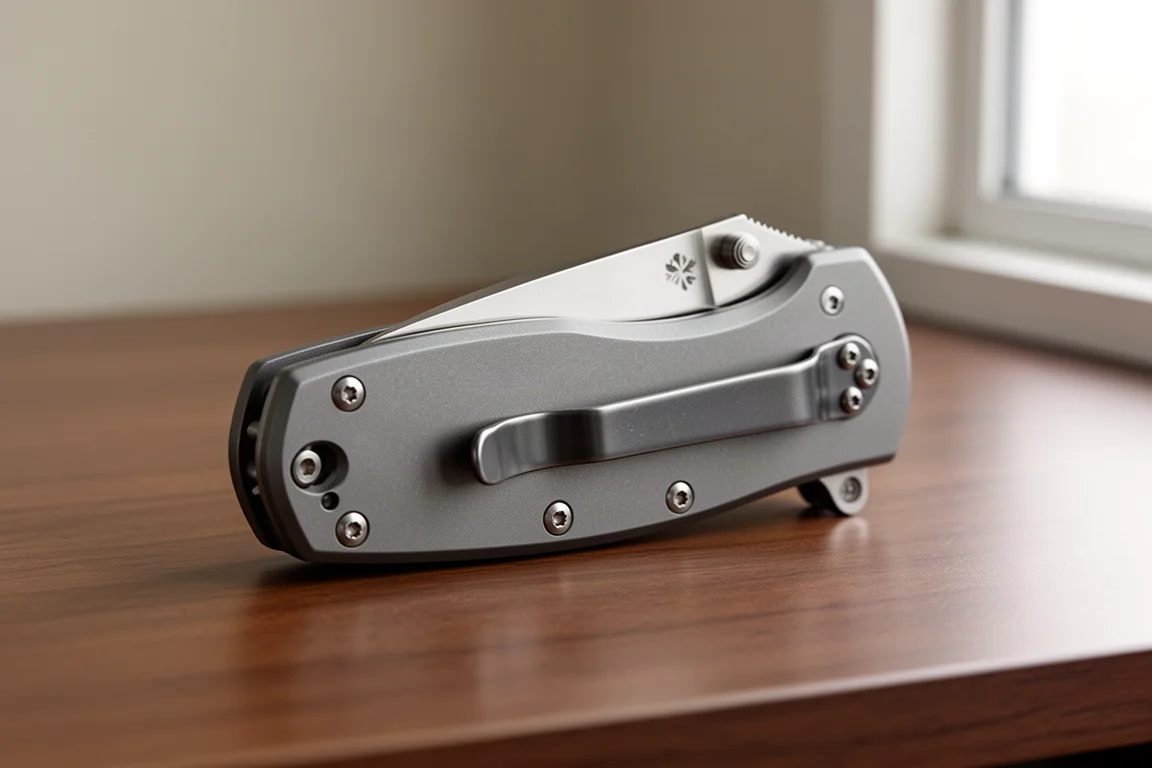
The hardware details are solid across the board: flush screws, a deep-carry pocket clip with a decent angle, and while the clip is not completely flush with the handle scales, it is reversible, which helps. Lock bar access is generous, the matte aluminum handle scales feel secure rather than slippery like cheaper glossy aluminum, and the whole knife disappears comfortably in hand. At right around a hundred dollars, it is a strong indicator of what Kaiser can do.
Which One Should You Buy?
These two knives are almost opposites. The Mystic chases maximum wear resistance at the cost of toughness, demands diamond sharpening tools, and rewards collectors and enthusiasts who want an edge that holds essentially forever. The Clipper chases toughness with solid, field-serviceable edge retention, a friendlier price point around a hundred dollars, and a design that seems built for actual carry. Neither leans on corrosion resistance as a selling point; that is more of an environmental consideration than a performance category here.
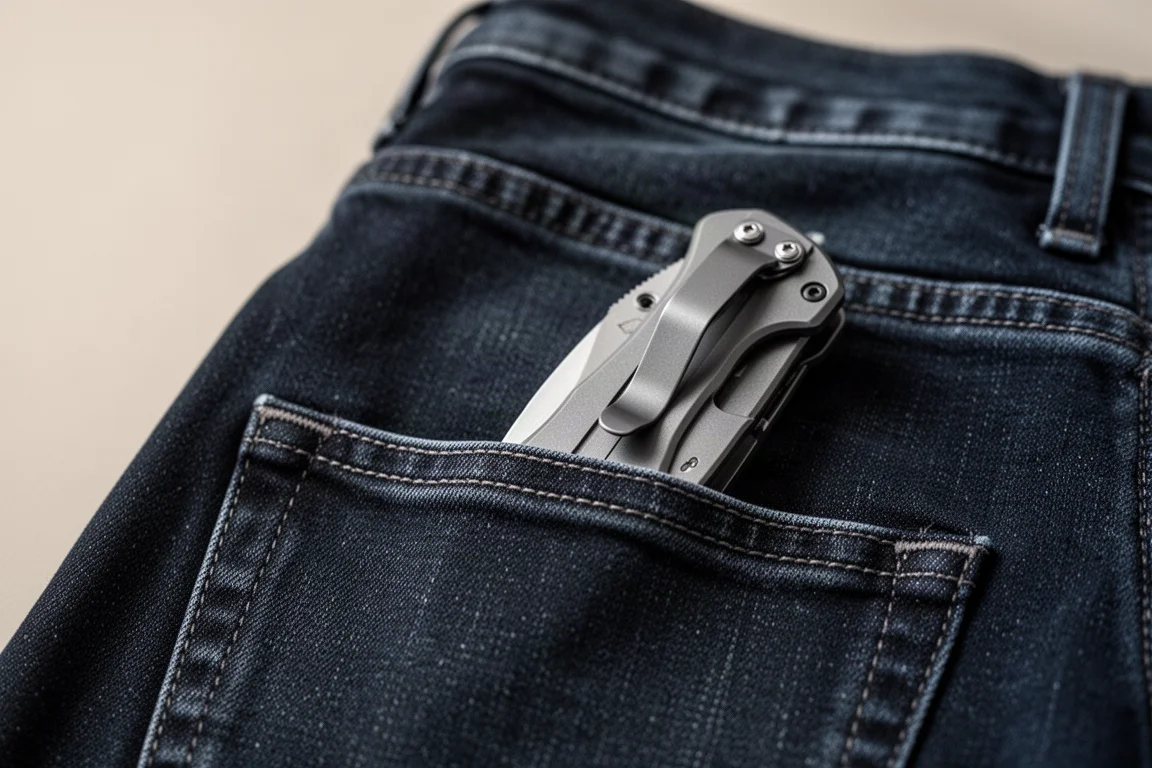
If you carry a knife hard and want something forgiving and fun to flip, the Clipper is the easier recommendation. If you are drawn to exotic ultra-hard steels and a premium bolster-lock build, the Mystic is the more special object of the two.
Conclusion
Kaiser covered two very different ends of the knife performance spectrum with these releases, and both executions are strong. The Mystic delivers a premium bolster-lock experience in Rex 45 with near-zero sharpening frequency, while the Clipper makes a compelling case for CPM 3V in a folder with excellent fit, finish, and flipper design. The real question is which performance trade-off suits you: extreme wear resistance or extreme toughness.
Further reading
Related Reviews

Knives
Benchmade Mini Narrows Review: A Pocket Knife That Disappears in Your Pocket
The Benchmade Mini Narrows is a remarkably thin and light pocket knife with impressive engineering, but a high price and dull factory edge make it a tough recommendation for most buyers.
Knives
Best Knives Under $1,000: Premium Folders Worth the Investment
A look at premium folding knives around the $1,000 mark, from upgraded classics to purpose-built masterpieces, and what actually justifies the price.
Knives
Best Outdoor and EDC Knives: 8 Blades Worth Carrying
A practical lineup of eight fixed-blade and folding knives for hiking, backpacking, and everyday carry, with honest notes on what each one does best.