Trail Running Shoes
Kailis Fuga EX2 vs Fuga Pro 4: Which Trail Shoe Makes More Sense?
Two trail shoes from Kailis with very different prices and personalities. Here is how they compare on fit, cushioning, grip and value.
Introduction
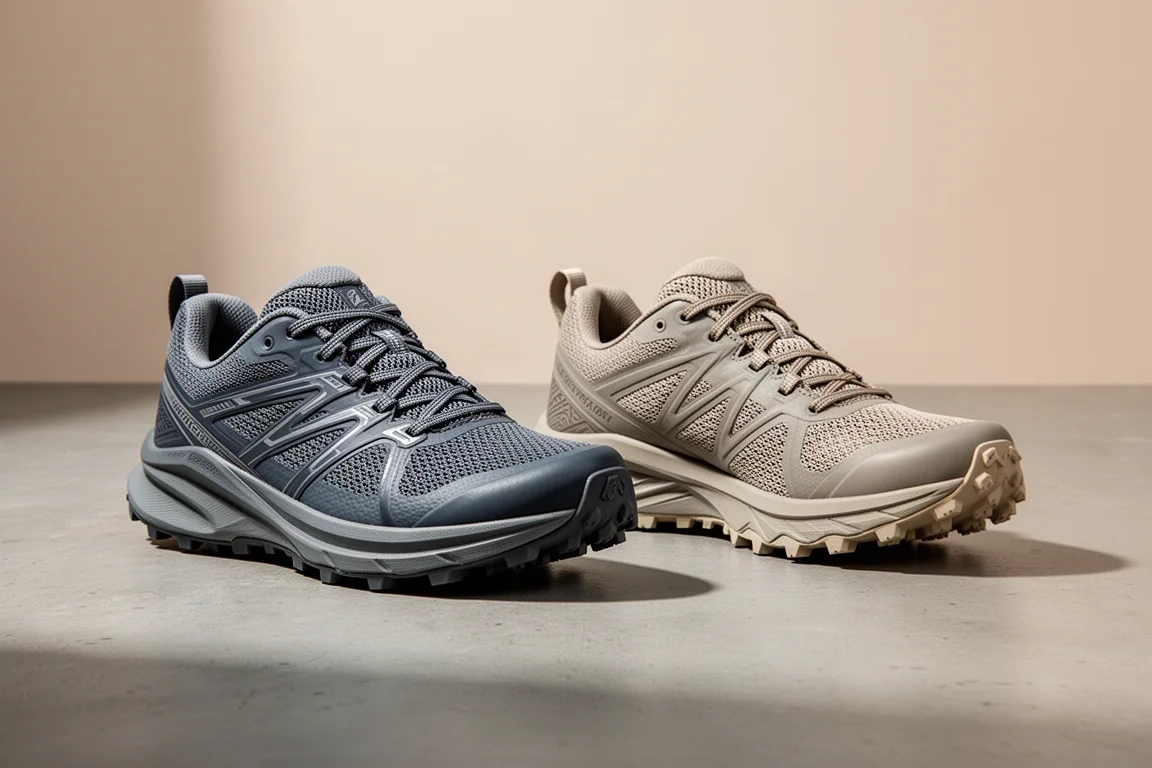
Kailis first appeared on our radar with the Fuga Pro 4, a trail shoe that fitted beautifully and ran well on the trails but carried a hefty price tag of around $260, or roughly £220 in the UK. The brand is back with the Fuga EX2, a newer model that looks similar on paper but costs considerably less at $160, around £140 in the UK.
The interesting question is not just whether the cheaper shoe is good. It is whether paying more for the Fuga Pro 4 actually gets you a better run. After putting the EX2 through a solid first outing of 7.2 miles on mixed coastal trails, the answer turned out to be less obvious than expected.
Kailis Fuga EX2: The More Affordable Option
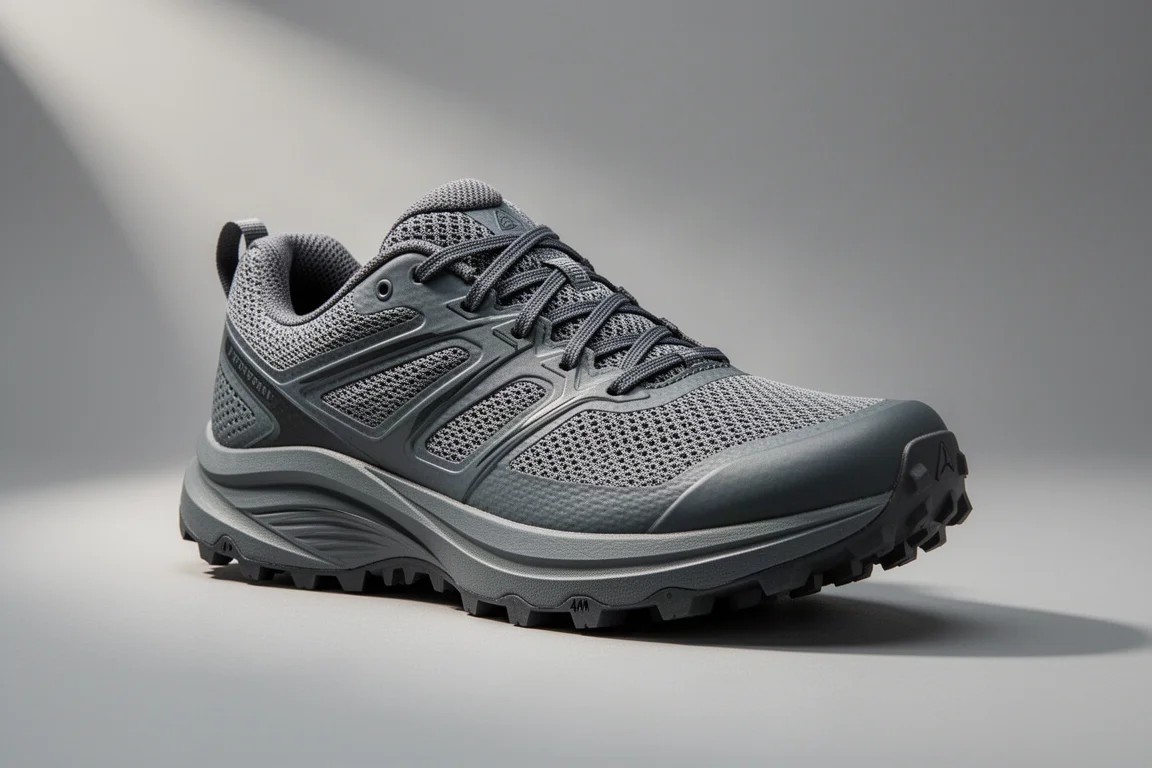
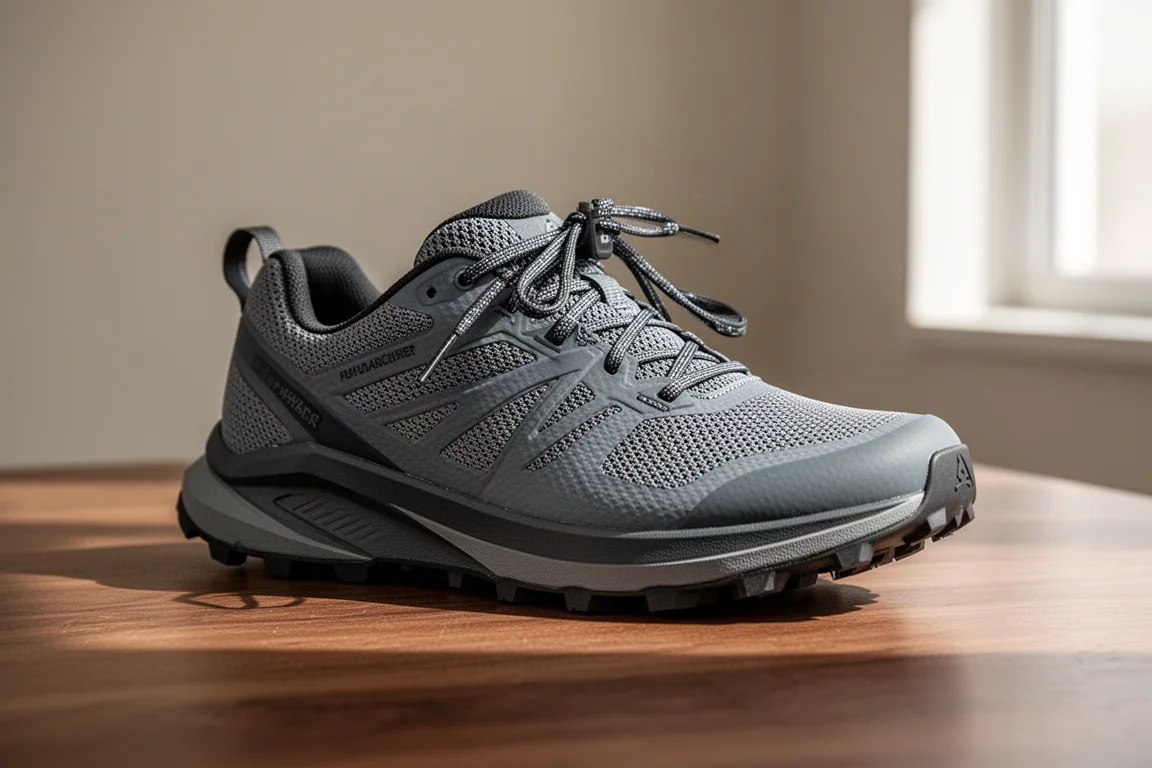
The Fuga EX2 is the more budget-friendly entry in Kailis’ trail running range, and it is built with some genuinely thoughtful details. The upper uses engineered mesh with an internal liner designed to keep debris out while staying breathable, and there are plenty of TPU overlays running from the heel around the midfoot and wrapping the toe box for lockdown and durability. A substantial toe bumper and moderate padding in the gusseted tongue, ankle collar and heel cup round out the construction.
Weight comes in at 380 grams in a UK nine, and the midsole gets a deeper stack of cushioning than the Fuga Pro 4, with 36mm at the heel and 28mm at the forefoot. More aggressive rocker geometry is worked in as well, which gives the shoe a distinctly different feel underfoot: plush but still responsive.

Kailis has also designed a four-point gaiter attachment system, with matching gaiters built to work with the shoe. It looks well thought out and stays fitted without working loose, which addresses a common frustration for runners who have struggled with gaiters in the past.
Fit and Lockdown: Where the EX2 Surprised Us
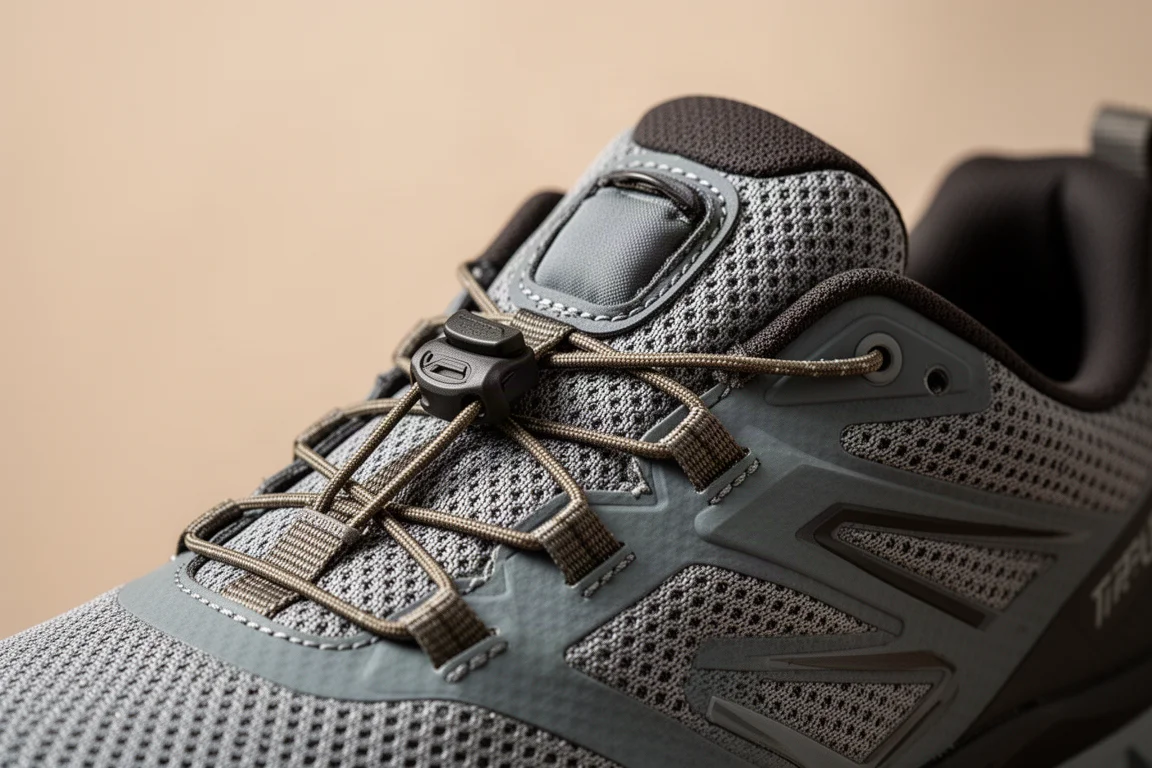
One of the biggest talking points is the lacing system. Instead of conventional laces, Kailis uses a nylon quick-lace setup similar in spirit to Salomon’s Quicklace, but with two locking mechanisms rather than one. That gives you more scope for personalised fit adjustment, and a small lace hook makes getting in and out of the shoes easier.
On sizing, the earlier experience with the Fuga Pro 4 suggested Kailis shoes run small, so a UK ten was chosen back then. It proved slightly too big. The EX2 was tested in a UK nine, and it fit like a glove: perfect length in the toe box, strong midfoot hold and a secure heel. The takeaway is that Kailis shoes actually size up a little large, so expect the shoe to feel true to a slightly smaller standard size. Note that half sizes are not offered.
During the test run, the fit felt like a comfortable hug around the foot. The contoured midsole shape offered good support under the arch, and the shoe felt fast and nimble in technical sections while staying comfortable on firmer trails and tarmac. There is one small annoyance worth flagging: the tongue pocket for stowing excess laces gets blocked when you pull the laces tight, which makes stowing them awkward and slightly undermines the whole quick-lace concept.
Outsole and Grip: Vibram Megagrip Does the Job
Flip the shoe over and you find Vibram Megagrip rubber, a compound with a strong reputation for wet and rocky terrain. Kailis pairs it with a 4mm multidirectional lug pattern designed for grip uphill and down steep descents across terrain types and weather conditions, plus flex grooves that let the midsole adapt to uneven ground.
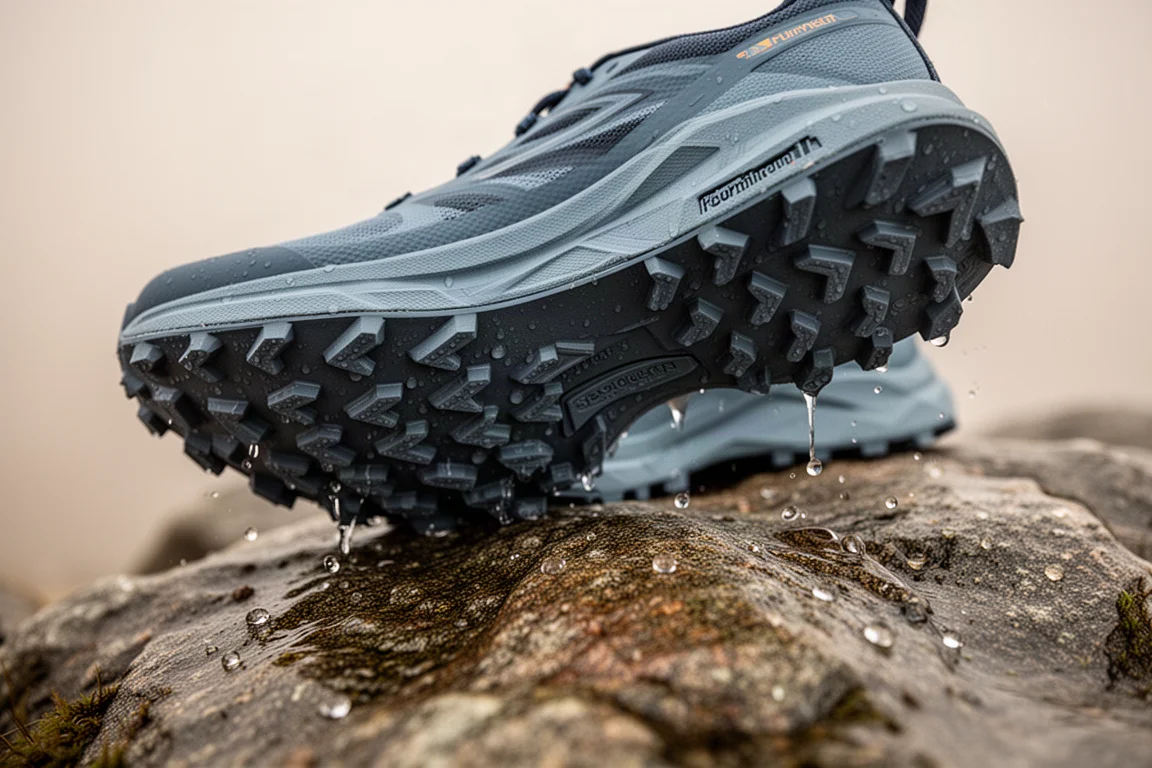
On the test run across soft sand, grass and rocky sections, grip and traction were consistently good. Mud was not encountered during this outing, but the lug pattern looks well thought through, so all-round traction should hold up, with only the very boggiest, muddiest conditions likely to be a stretch.
Kailis Fuga Pro 4: The Premium Original
The Fuga Pro 4 is the shoe that introduced us to the brand, and it remains the premium option at around $260, or roughly £220 in the UK. It shares a similar visual design language with the EX2 and delivered a really nice fit and a good trail experience, drawing comparisons with Salomon trail shoes from the past.
The main differences lie underfoot. The Pro 4 has a shallower midsole stack than the EX2, with less of that deep, wrapping cushioning, and its rocker geometry is less aggressive. Its quick-lace system uses a single locking mechanism rather than two. On sizing, the Pro 4 ran slightly large for the tester in the size chosen, which is worth factoring in given the absence of half sizes.
Buying Advice: Which One Should You Pick?
The honest conclusion from testing is that the more expensive shoe is not automatically the better one. The Fuga EX2 felt better on foot than the Fuga Pro 4, partly because the sizing worked out right, but also because the deeper midsole cushioning, more pronounced rocker and dual-lock lacing genuinely improve the ride.

The EX2 strikes an impressive balance of comfort, connection and responsiveness, with good support under the instep and a ride that encourages quicker turnover rather than sinking into soft foam. Unless you specifically want the Pro 4’s firmer, shallower platform, the EX2 looks like the more sensible buy at its price point.
Conclusion
The Kailis Fuga EX2 delivers most of what made the Fuga Pro 4 appealing, adds deeper cushioning and a more responsive rocker, and costs $100 less. The awkward lace-stowage pocket is a minor niggle rather than a dealbreaker, and full long-term testing will confirm how the Vibram Megagrip outsole holds up in mud. For most trail runners, though, the EX2 is the shoe in this pair that makes the most sense.
Further reading
Related Reviews
Trail Running Shoes
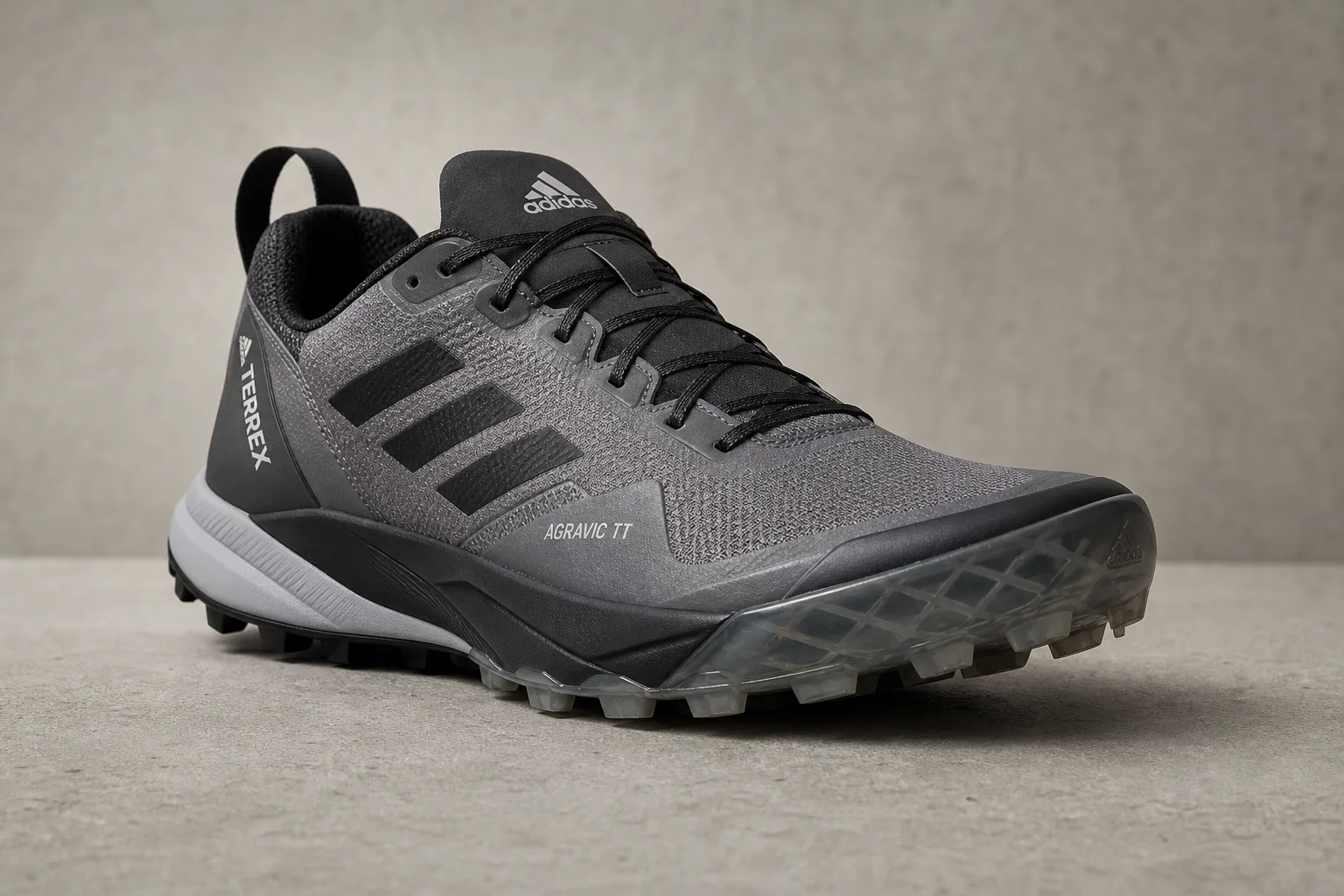
Adidas Terrex Agravic TT Review: A Technical Trail Shoe Built for Rocky Terrain
The Adidas Terrex Agravic TT combines a full-coverage rock plate with a firmer midsole to deliver protection and stability on technical, rocky trails. A capable choice for runners who prioritize underfoot defense over lightweight cushioning.
Trail Running Shoes
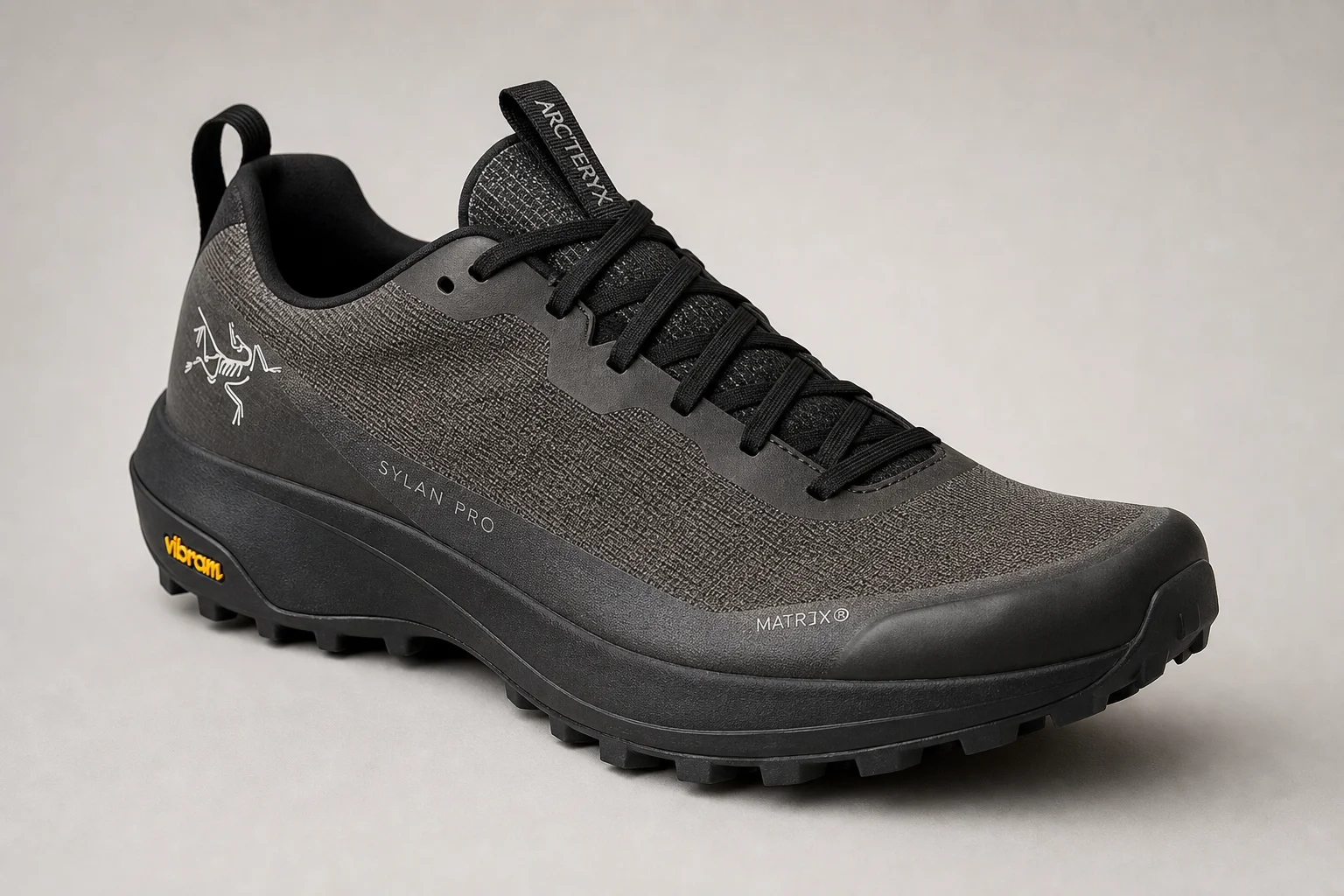
Arc'teryx Sylan Pro Review: A Rocker-Focused Mountain Running Shoe Tested on 20 Miles
The Arc'teryx Sylan Pro brings a pronounced rocker geometry and secure fit to mountain terrain. We tested it on a 20-mile Sawtooth loop to evaluate its climbing efficiency, protection, and handling of technical descents.
Trail Running Shoes
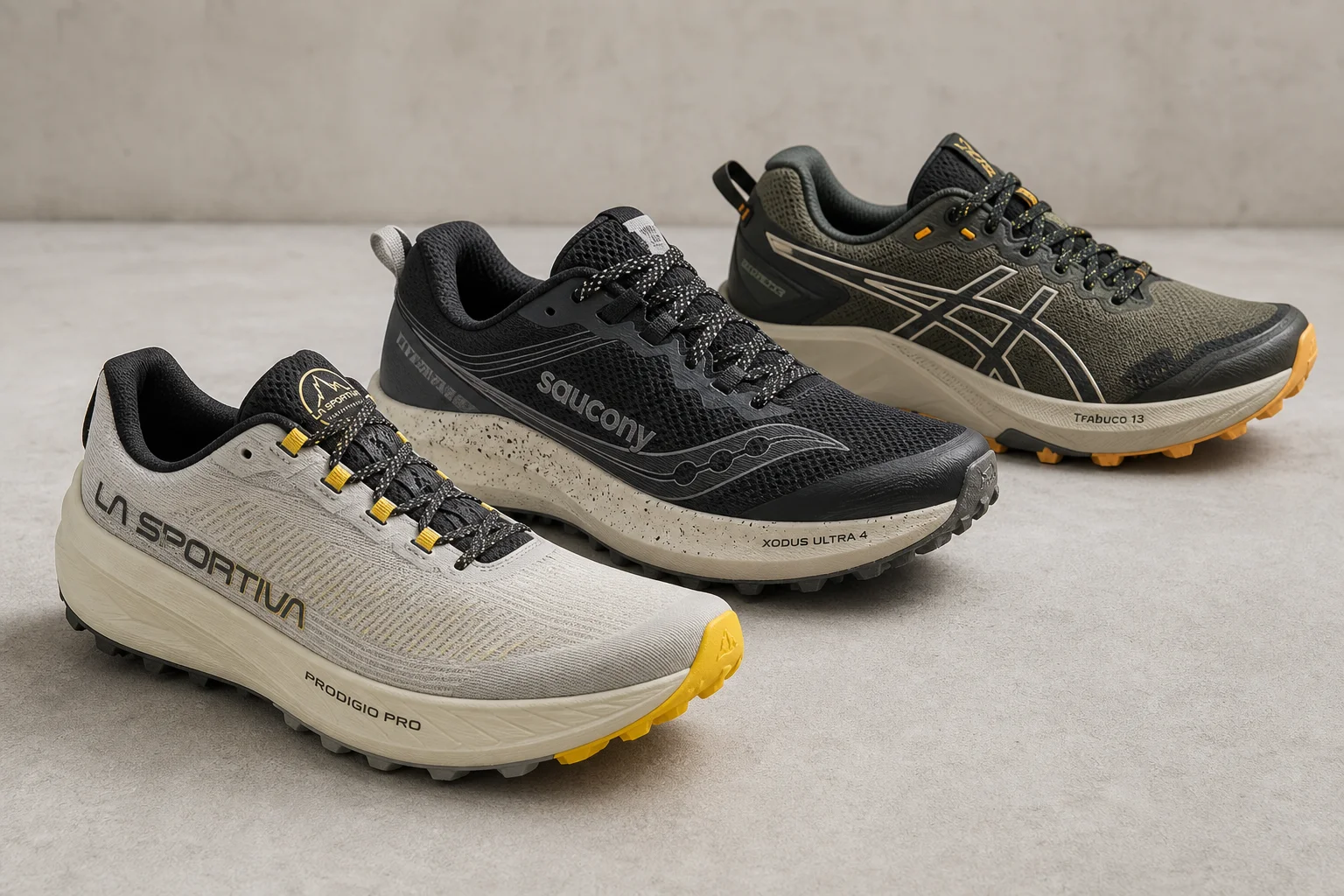
Best All-Mountain Trail Running Shoes: Three Versatile Options for Any Trail
A focused roundup of three all-mountain trail running shoes that handle technical terrain, long distances, and variable conditions with real strengths and practical trade-offs.