Snowboards
K2 World Peace Review: A Soft, Playful Jib and Butter Snowboard
A close look at the K2 World Peace, a camber-dominant freestyle snowboard built for jibbing, buttering, and low-speed play, plus the trade-offs to weigh before buying.
Introduction
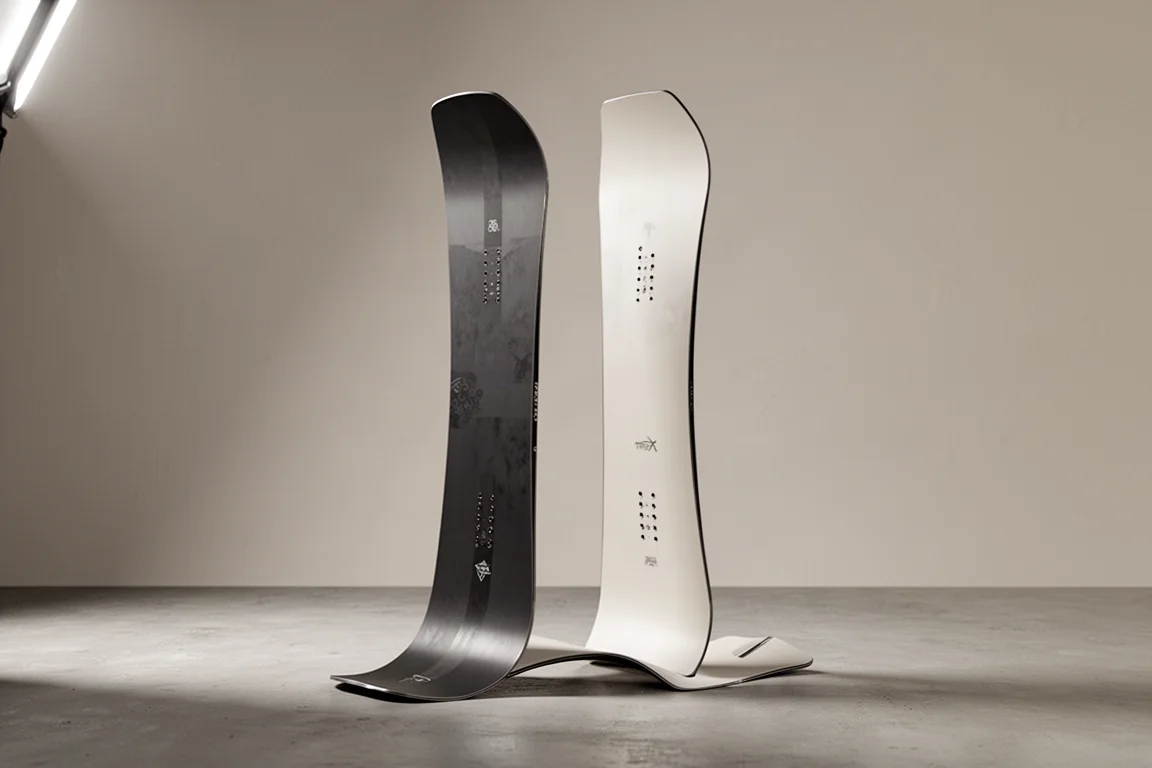
The K2 World Peace is a soft-flexing freestyle snowboard built for riders who want to play with the mountain rather than charge down it. Its defining feature is K2’s combination camber profile, which pairs a mostly traditional camber section, roughly 95 percent of the running length, with a small rocker zone at the tip and tail. That touch of rocker makes the board easier to load while keeping the snap, pop, and drive that camber is known for.
The board comes in 148, 151, 154, 157, 152W, 155W, and 158W, so there is a size for a broad range of riders and stances.
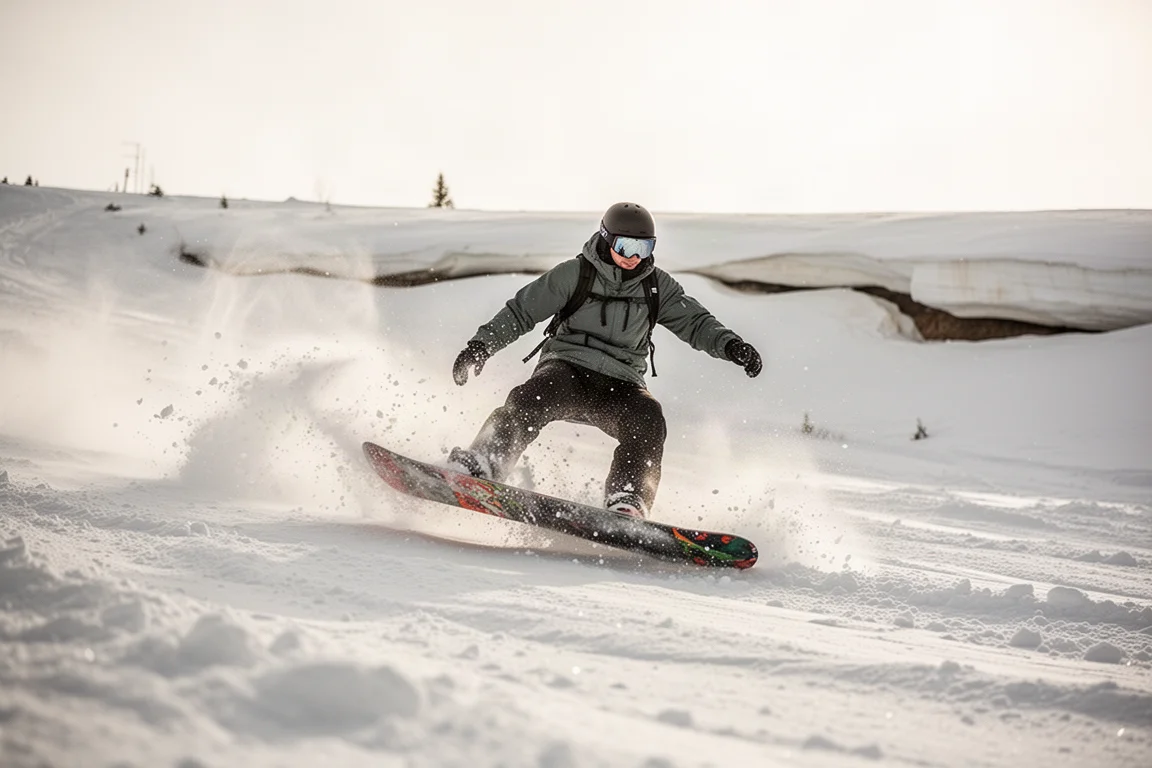
Across spring conditions that ranged from soft, creamy snow to slush, lumpy chunder, and ice, the World Peace showed a clear personality: playful, forgiving, and happiest at lower speeds on smaller features.
Who this product is for
This board suits the slightly loose, surfy freestyle rider. It is loose on edge by design, and that looseness is exactly what gives it a skate-like feel when you approach features and work through ground tricks.
It also rewards a laid-back approach. You do not have to bring your best riding to get along with it, which makes it a friendly choice for riders who want to butter, press, and jib without fighting the board.
It is not aimed at riders who want to rail a hard turn in the park or hold an aggressive edge at speed. If that is your priority, a stiffer, more calculated board makes more sense.
Main strengths
The World Peace sits below a middle-of-the-road park flex but above a full jib noodle. Softer tips meet a stiffer midsection with a lot of torsional flex, which is the combination that makes presses and butters feel secure.
Pop comes easily. Because the board feels close to pre-loaded, you do not have to wind it up hard to get it to release. It is not the snappiest deck out there, and what you put in is roughly what you get out, but when you load up and roll back off the tail, it engages and gets the job done.
Small to medium features are its strong suit. It pops off the lip, and it stays composed when you keep things low to the ground.
Buttering and Jibbing Performance
Buttering is where the combination camber pays off. Right where the camber ends, the small rocker section in the nose and tail gives you a place to press into. The board holds without fighting you, so you can swivel, get sideways, and work through variations. It is relatively easy to butter, though a rider who really tries to manhandle it can still overpower it.
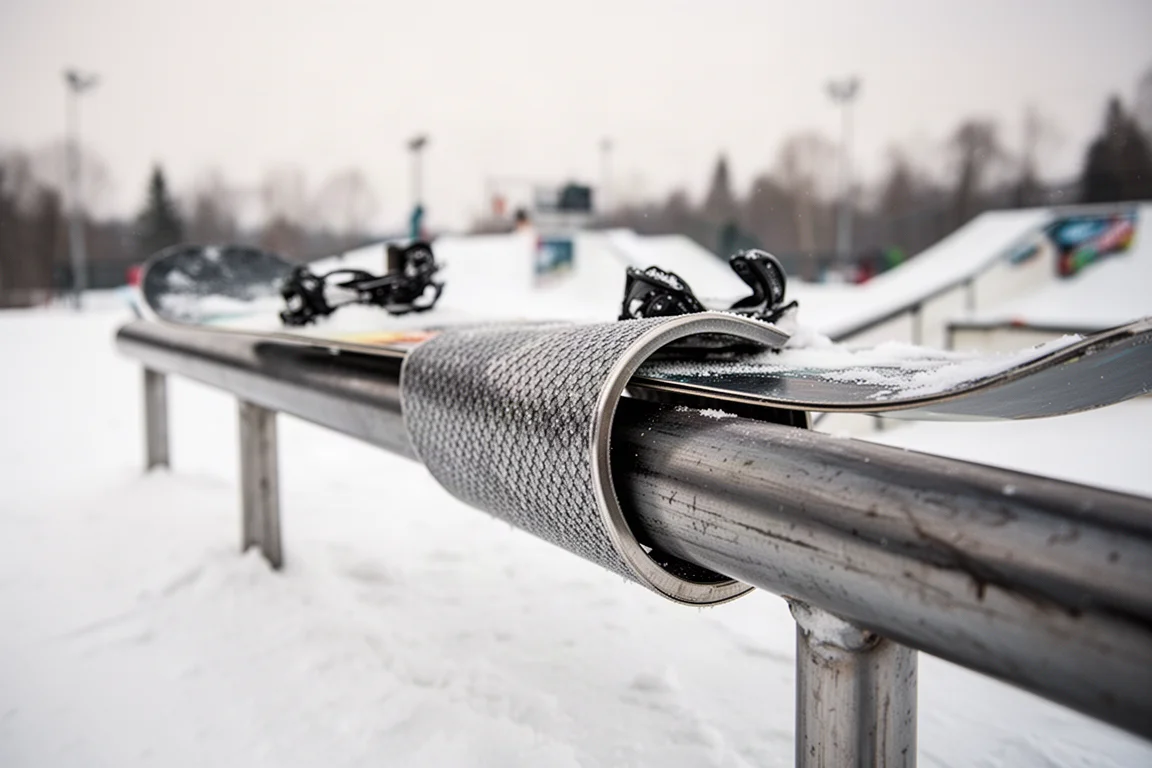
Jibbing is the board’s clear strength. It locks into presses, and the moment you land on the tail or nose you feel secure. The press holds while still offering a little rebound to pop out of, and when you get sideways the board does not clap out. Instead it cradles the feature, wrapping around it so it hugs the rail through the slide while keeping enough pop to get you out at the end.
Things to consider before buying
Stability at high speed is largely off the table. Expect flap that resonates back underfoot, and expect to get knocked around in lumpy, chundery terrain. You feel everything through the board, and your knees and ankles take the abuse.
Carving is not this board’s strong suit either. It rolls fluidly from edge to edge and you notice the energy transmission, but once it is up on edge it never feels fully locked down. The micro rocker means it lacks bite at the contact points, so it feels a little loose, and it gets chattery as speed builds.
Short, quick setup carves and mellow turns are fine. Push harder, try to lay it over, and the tail washes out. The board simply does not have the power for aggressive, railed turns.
Stability, Edge Hold, and Carving
If your riding revolves around edge hold, the World Peace will ask for compromises. The looseness on edge is a deliberate trade for playfulness, and it is what makes the board feel more skate-like in how it approaches features and ground tricks.
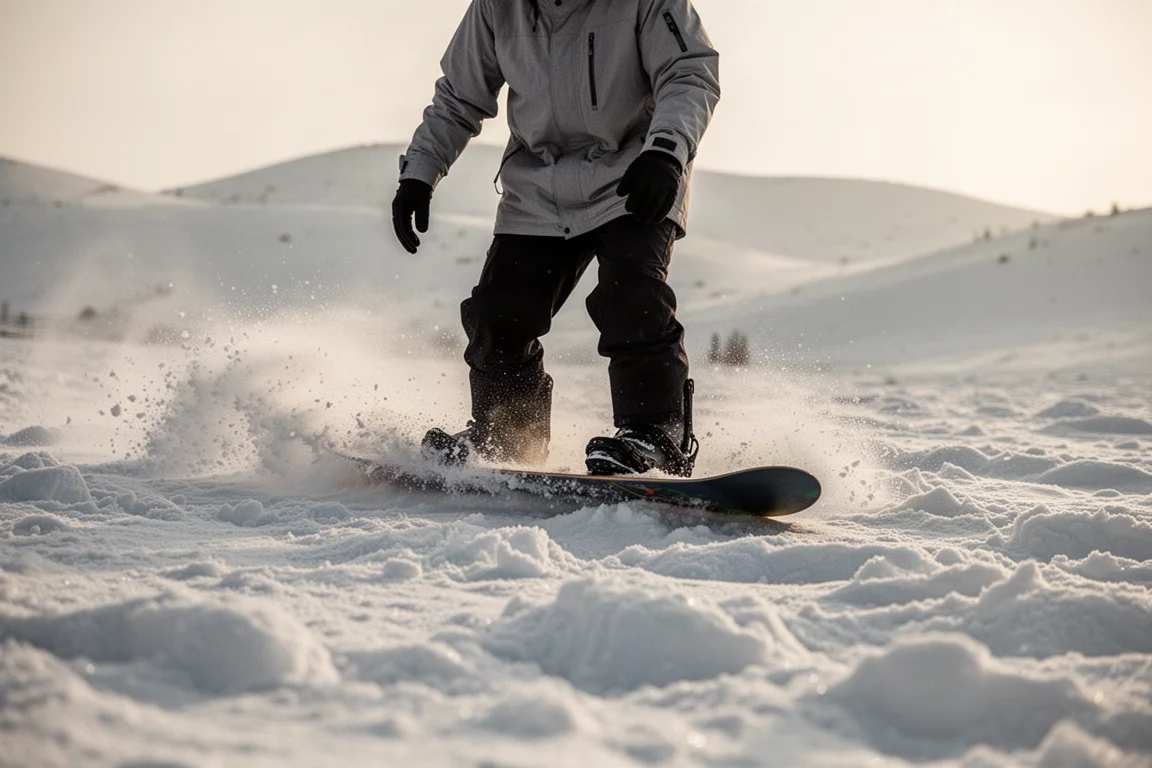
For riders who only need a board to set up a turn and hold an edge when absolutely necessary, that is an acceptable deal. For riders chasing locked-in grip through a carved turn, it is not, and a stiffer board will serve them better.
Binding and Setup Recommendations
The board pairs naturally with mid-flex freestyle bindings. K2 Indy, Burton Mission, and Union Contact Pro are all reasonable matches for this flex profile.
If you are cross-shopping, the Battalion Global Warmer, Rome Gang Plank, and Arbor Draft occupy similar territory as loose, playful freestyle decks.
Buying advice
Buy the World Peace if your riding is built around jibbing, buttering, and playing on small to medium features, and if you like a board that lets you be laid back rather than demanding your A game every run.
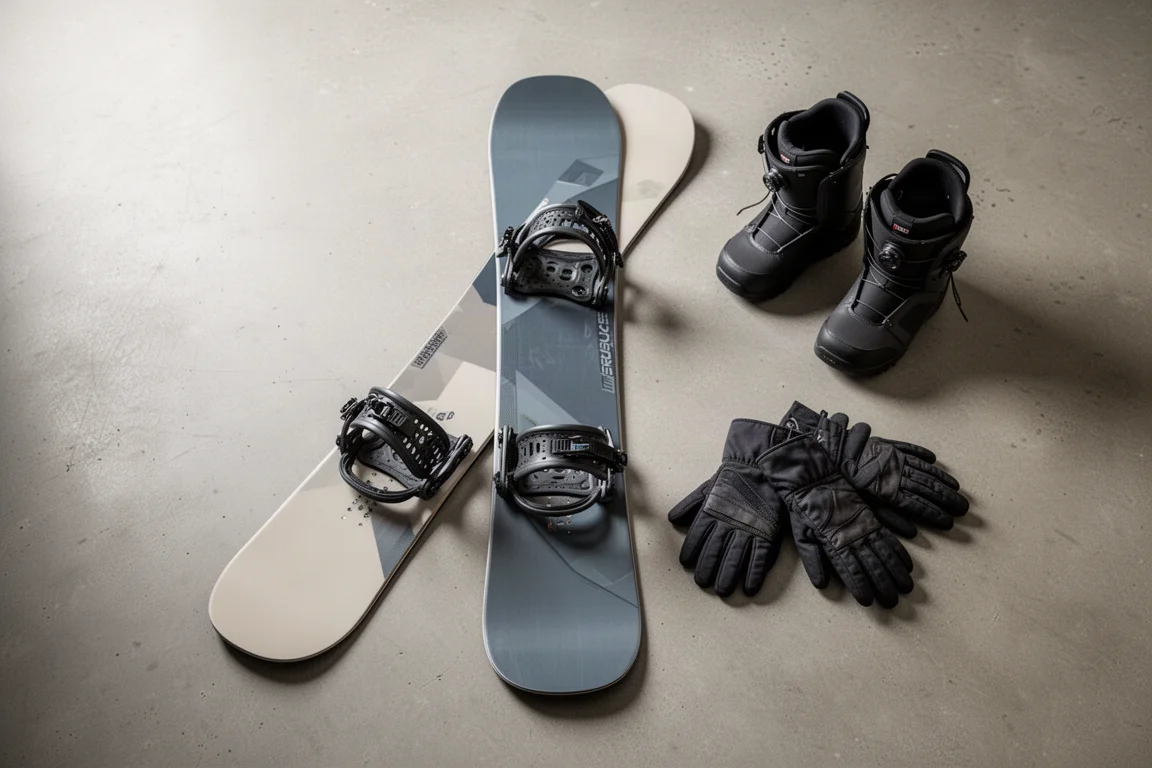
Skip it if you want stability at speed, confident edge hold, or the ability to rail a turn in the park. Riders in that camp should look at a stiffer, more aggressive option instead, including a mid-flex board in K2’s own range. Matching the board to the way you actually ride is the whole decision here.
Conclusion
The K2 World Peace is a focused freestyle snowboard. It excels at presses, butters, and jibbing, it pops easily on small features, and it forgives a relaxed riding style. It gives up high-speed stability and edge grip to get there, and for the right rider that is a fair trade rather than a flaw.
Product link
View more details for K2 World Peace
This product is mentioned in the review. Check the specifications, options, and compatibility before buying.
View more details for K2 World PeaceFurther reading
Related Reviews

Snowboards
32 Middle Earth Scott Stevens Pro Model Snowboard Review: A Park Board With a Reversed Flex
A medium traditional camber park board with carbon V reinforcement that is stiffer in the tips and more playful between the feet. Here is how it rides and who it suits.

Snowboards
32 Snafu Review: A Directional All-Mountain Freestyle Board with Serious Pop
The 32 Snafu pairs a directional camber-rocker profile with a stiffening tail for powerful carves, big ollies, and a surprisingly damp ride.

Snowboards
32 XXX Pat Fava Pro Snowboard Review: A Stiff Camber Beast for Hard-Charging Riders
A full-width traditional camber deck that rewards aggression with stability and edge power, but demands effort everywhere else.