Snowboard Bindings
K2 This Grips Baseplate Review: Grip and Dampening Underfoot
A practical look at K2's proprietary rubberized baseplate pad, what it does for grip and dampening, and who genuinely benefits from it.
Introduction
Snowboard bindings are usually judged on straps, highbacks, and flex, while the interface between binding and board quietly does its own work. K2’s This Grips baseplate is aimed squarely at that interface.
This review covers what the This Grips baseplate is, how the rubberized pad behaves in practice, the benefits it brings, and the limitations worth knowing before you decide whether it matters for your riding.
What the This Grips Baseplate Actually Is
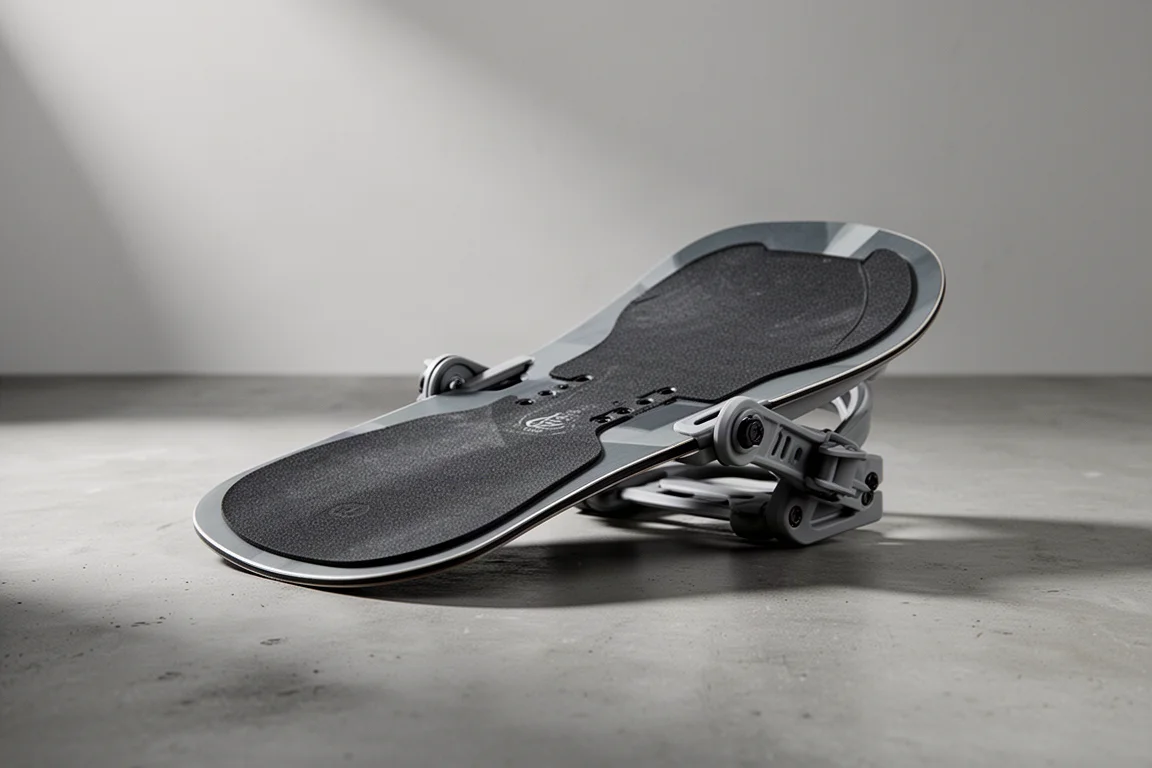
This Grips is proprietary to K2. It is a rubberized pad on the bottom of the binding, the surface that contacts the snowboard’s topsheet when the binding is mounted.
The pad serves two purposes. The first is grip: the rubber texture holds the binding in place against the board instead of letting it slide around. The second is dampening: the rubber layer sits between your feet and the board, adding a small amount of cushioning to the ride.
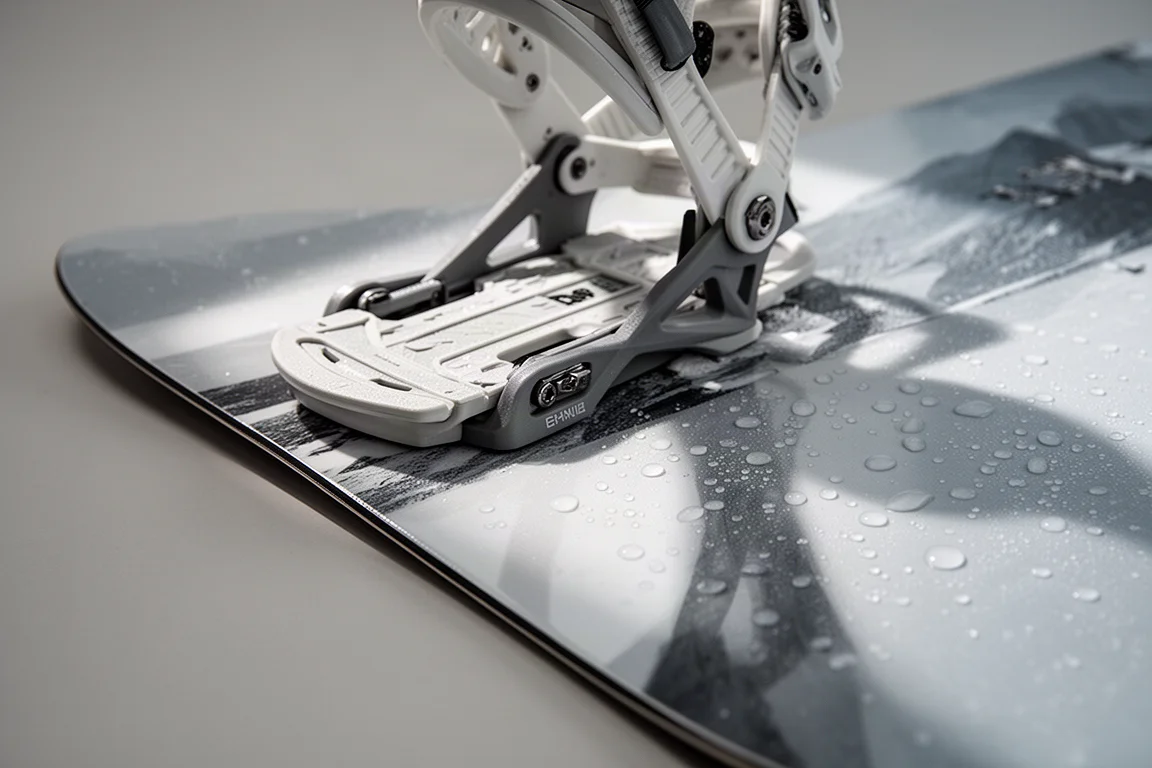
Because the pad is part of the baseplate itself, there is nothing separate to install, adjust, or replace. It is simply present every time you mount the binding.
Who This Product Is For
This Grips is most relevant to riders who move bindings between boards. Swapping a binding often means setting it down on a topsheet that is still wet, and that is exactly the situation where a rubberized pad earns its place: the binding grips rather than slides.
It also suits riders who want a little more dampening underfoot, and anyone who has dealt with a foot shifting around inside a binding mid-run. For riders who set up one board and leave it alone, the benefit is subtler, though still present.
Main Strengths
Grip on a wet board is the headline. When a board is wet from being swapped around, the pad holds the binding in position instead of letting it skate across the surface. Set the binding down and it stays where you put it.
Dampening is the second benefit. The rubber layer between binding and board softens the connection slightly, which is the kind of small comfort that adds up over a full day of riding.
Extra traction when hardware loosens rounds things out. If binding screws work loose over a session, the pad gives the binding more traction against the board, helping it stay in place rather than shifting freely underfoot.
Dampening and Grip in Real Use
In everyday riding, this is technology you notice mainly when it is missing. A binding that stays planted means less shuffling, fewer mid-run adjustments, and less time wondering whether your foot has drifted.
The rider-facing benefit is confidence. When the binding does not creep, you can put your attention on the terrain instead of on your stance. Riders who have experienced a foot working loose will recognize the value immediately, because a secure foot removes one small source of distraction from every run.
Things to Consider Before Buying
It is not essential. This Grips is an added benefit rather than a requirement, and riders who are happy with their current setup are not missing a fundamental feature.
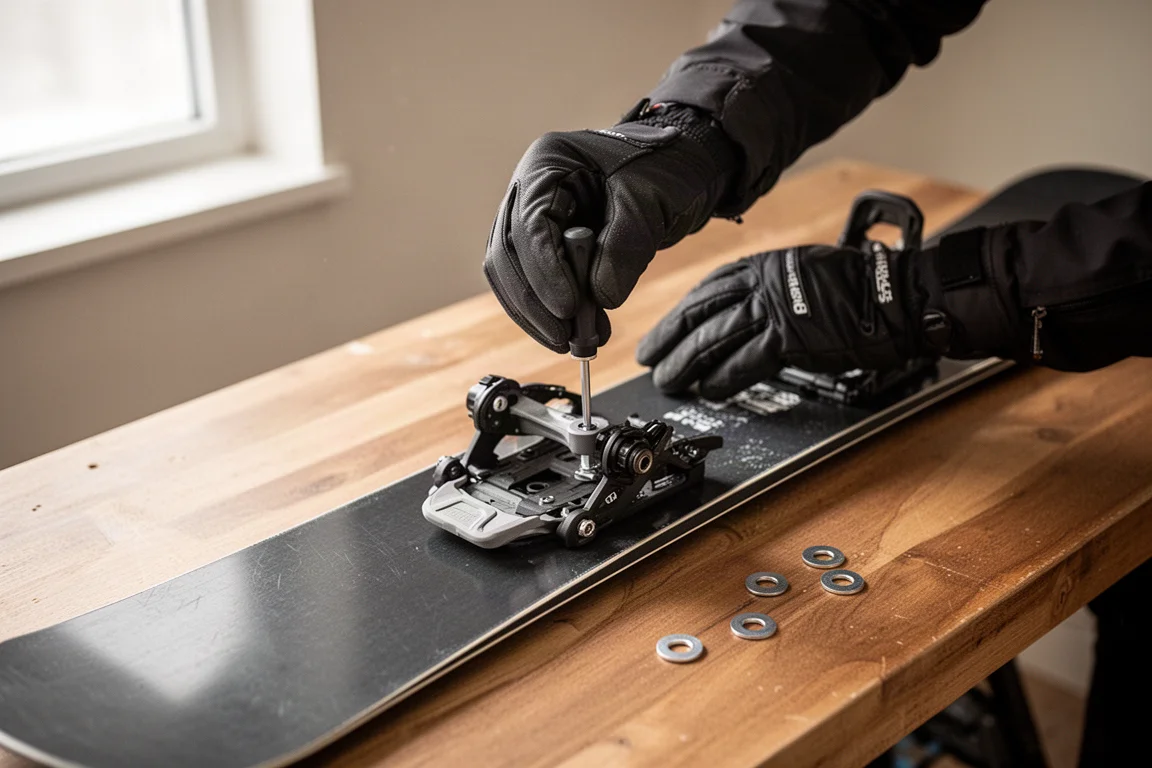
It is not a substitute for maintenance. The extra traction helps when screws loosen, but hardware should still be checked and tightened as part of normal setup. The pad reduces movement, it does not remove the need to inspect your gear.
It is K2-specific. Because This Grips is proprietary to K2, it is not something you can add to bindings from other brands.
Setup and Compatibility Notes
Since the pad lives on the baseplate, there is no separate installation step. Mount your bindings as you normally would and the pad does its work underneath.
The practical difference shows up most clearly when you swap bindings between boards, particularly when the topsheet is wet from a previous setup. There is nothing to configure, which is part of the appeal: the technology is simply there when you need it.
Buying Advice
If you are already shopping K2 bindings, This Grips is a genuine bonus rather than a marketing line. It adds grip and a layer of dampening without any extra effort on your part, and riders who move bindings between boards or who have dealt with a shifting foot will notice the benefit most.
If you ride a different brand, or your current bindings stay planted and feel comfortable, there is no urgent reason to change setups for this feature alone. Treat it as a well-executed detail that makes a good binding a little better, not as a standalone upgrade worth chasing.
Conclusion
The K2 This Grips baseplate is a small, sensible piece of design: a rubberized pad that grips the board, adds dampening, and gives the binding extra traction when hardware loosens. It is not essential, but it is the kind of quiet detail that improves a setup without asking anything of the rider.
Product link
View more details for K2 This Grips Baseplate
This product is mentioned in the review. Check the specifications, options, and compatibility before buying.
View more details for K2 This Grips BaseplateFurther reading
Related Reviews

Snowboard Bindings
2024 Union Ultra Snowboard Bindings Review: A Cushy, Freestyle-Focused Favorite
Two seasons on the 2024 Union Ultra: a lightweight, tweakable freestyle binding with standout comfort, a damp molecular bushing, and thoughtful hardware fixes.

Snowboard Bindings
32 Team Phase Binding Review: A Fast Entry Binding Built for Freestyle Laps
The first binding from 32 uses the Phase chassis for quick step-in entry with a softer, freestyle-leaning flex. Here's how it performed on the snow.

Snowboard Bindings
Arbor Cypress Snowboard Binding Review: A Laid-Back Cruiser That Can Charge
A closer look at the Arbor Cypress binding's adjustability, strap feel, and that oddly tall highback before you decide to buy.