Snowboard Boots
K2 Orton Snowboard Boots Review: A Stiffer, Backcountry-Ready Boa Boot Worth a Close Look
A detailed look at the K2 Orton: dual Boa H4 system, heat-moldable Intuition Pro Foam liner, Vibram outsole, and a fit that runs a little different from the rest of the K2 lineup.
Introduction
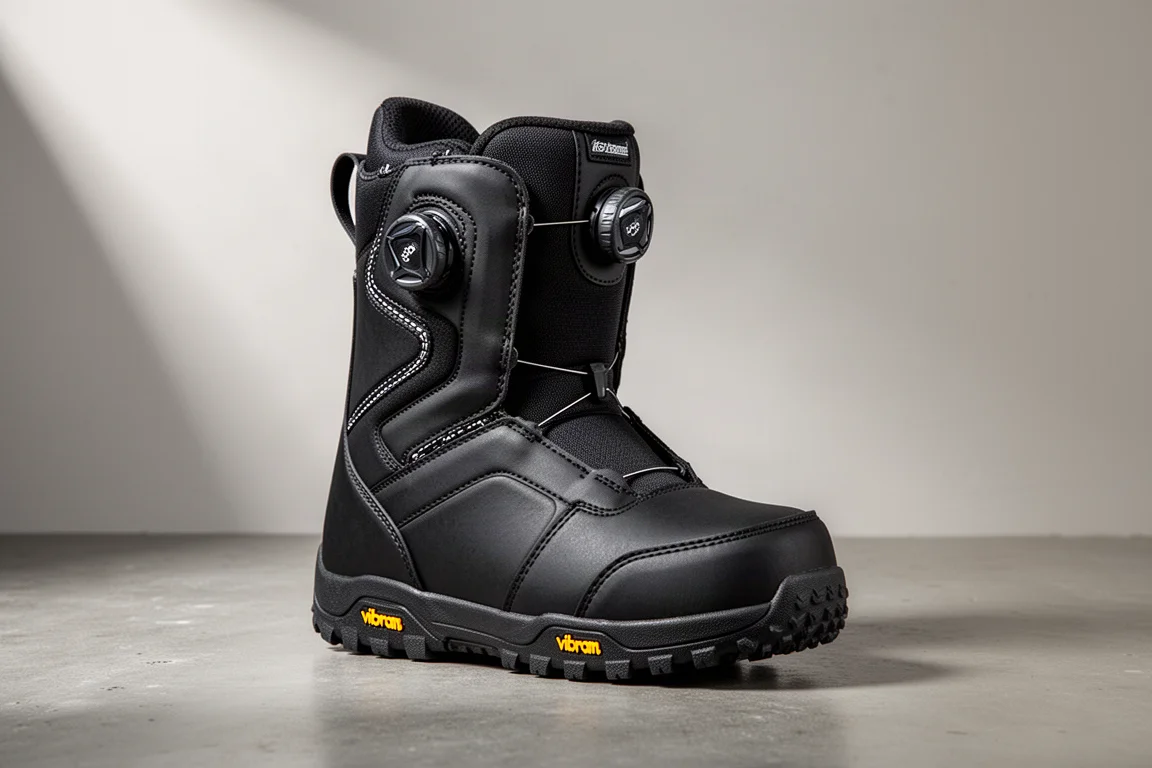
The K2 Orton sits on the stiffer side of the K2 boot lineup, and it is aimed squarely at riders who want a performance-driven boot rather than a casual cruising feel. It is a dual Boa boot with a heat-moldable Intuition liner, a Vibram outsole, and a shell design that clearly prioritizes durability and impact management. This review breaks down the shell, liner, fit, and who this boot actually makes sense for.
Shell Construction: Built to Resist Blowouts and Pinch Points
The standout detail on the shell is a single TPU section that extends much further back toward the toes than most boots. On the inside, the same approach reduces excess material and seams that could blow out over time. Because that area is rigid, cranking your toe strap down does not push into the boot and crush your small toe the way softer constructions can.
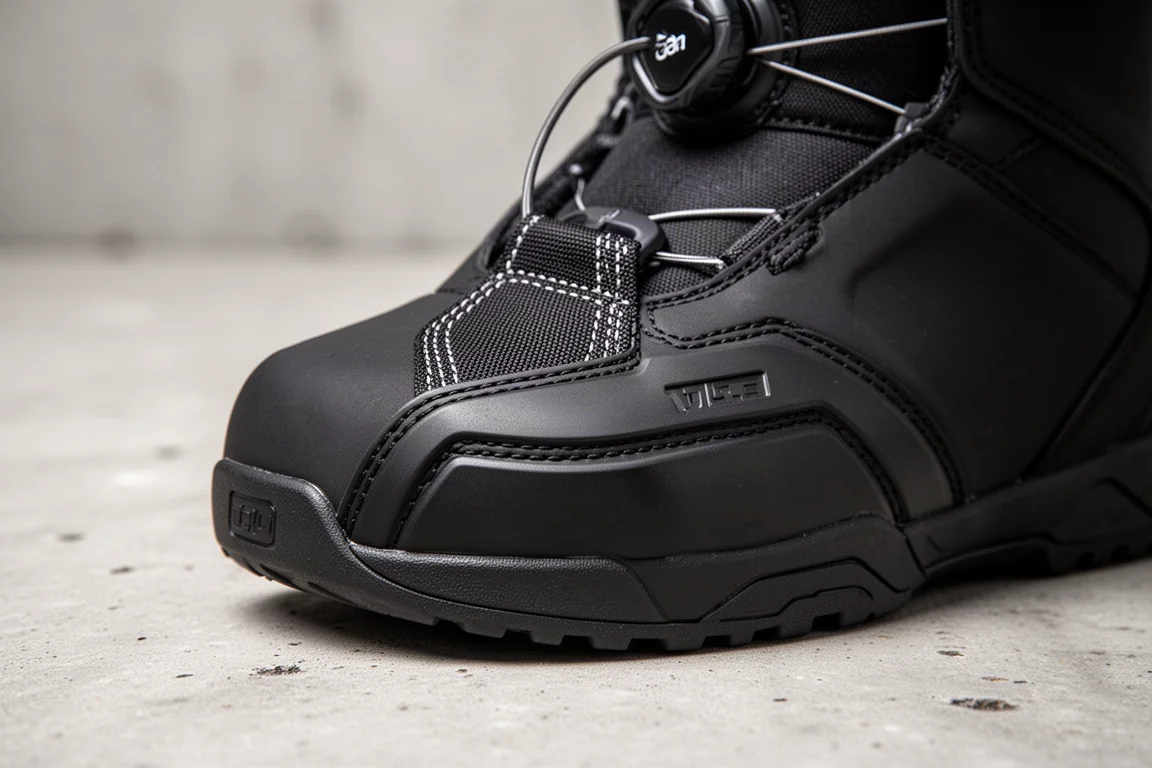
There is also a double-stitched seam on the gusset that protects the Boa cable, made from a more durable, scratch-resistant fabric. At the back, a urethane backspine provides rebound and prevents the boot from creasing and pinching your Achilles. It does not extend as high as some competing boots, so there is a little more play at the cuff, but the trade-off is durability and a more forgiving flex point.
Lacing and Fit System: Dual Boa H4 With a Free-Floating Liner
The Orton uses a dual Boa setup: the upper knob controls the top of the boot, and the side knob controls the lower zone. That lets you dial in the forefoot and cuff independently, tightening or loosening each area to taste. The H4 knobs are among the most current Boa hardware available, and they feel robust enough to crank hard when conditions demand it.
The inner harness is sewn into the shell, which leaves the liner free-floating. When you tighten the boot, it clamps evenly around the liner for a more precise fit, and the harness comes up higher than many boots, so you can really lock it down. The tongue itself has no eyelets, which means no pressure points from crisscrossing laces, and it carries a decent amount of rigidity, though it is not the stiffest tongue in the K2 range.
Liner: Intuition Pro Foam With Heat Molding Recommended
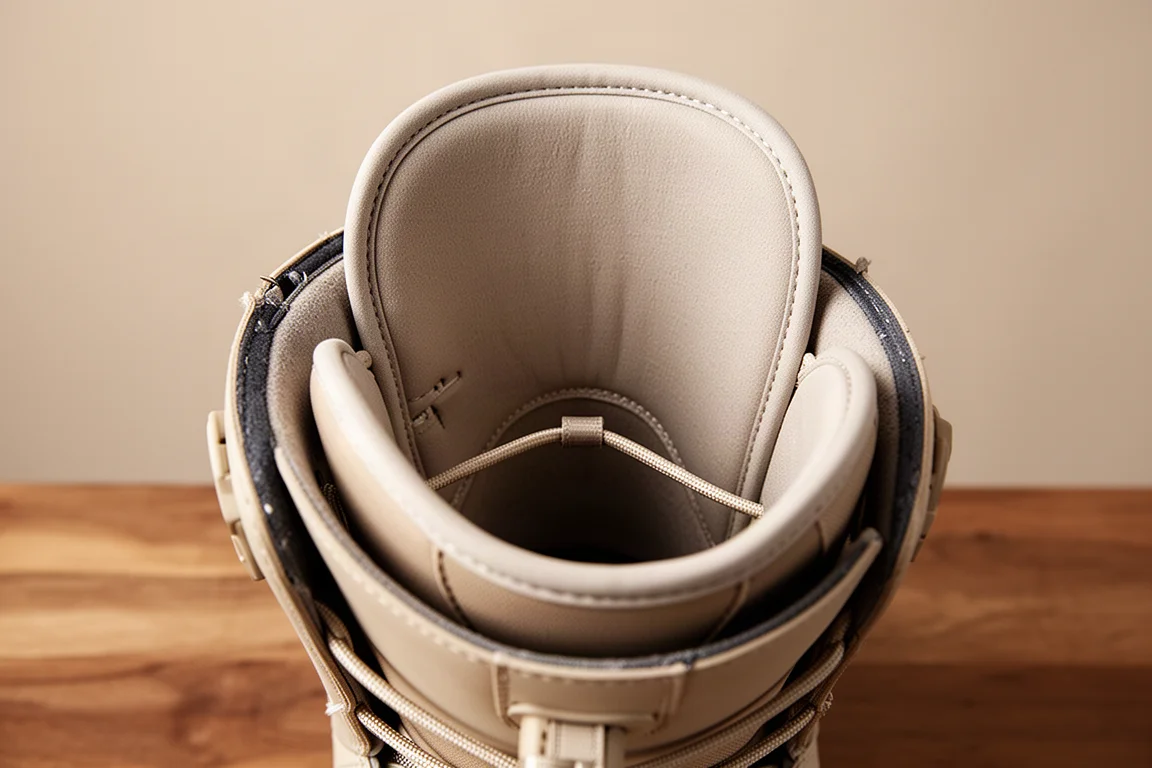
Inside is the Intuition Pro Foam liner, a full heat-moldable multi-density liner. Heat molding is strongly recommended out of the box because it speeds up the break-in process considerably. The foam holds heat and shape well, and a Velcro power strap plus a Velcro tongue lock keep everything secured. The multi-density construction is more malleable at the top for riders with bigger calves, and firmer through the ankle area for added support.
The heel pocket uses a Conda-style design that can bulge outward if you have a protruding ankle bone, and an internal spine similar to a C bar keeps the liner from collapsing, adding support. Internal J bars protrude noticeably, which helps if you have ankle issues, and the heel sits slightly on the narrower side, which should suit bony ankles. One honest caveat: the big side seam can be felt by some riders, and whether it bothers you is very much a foot-by-foot matter.
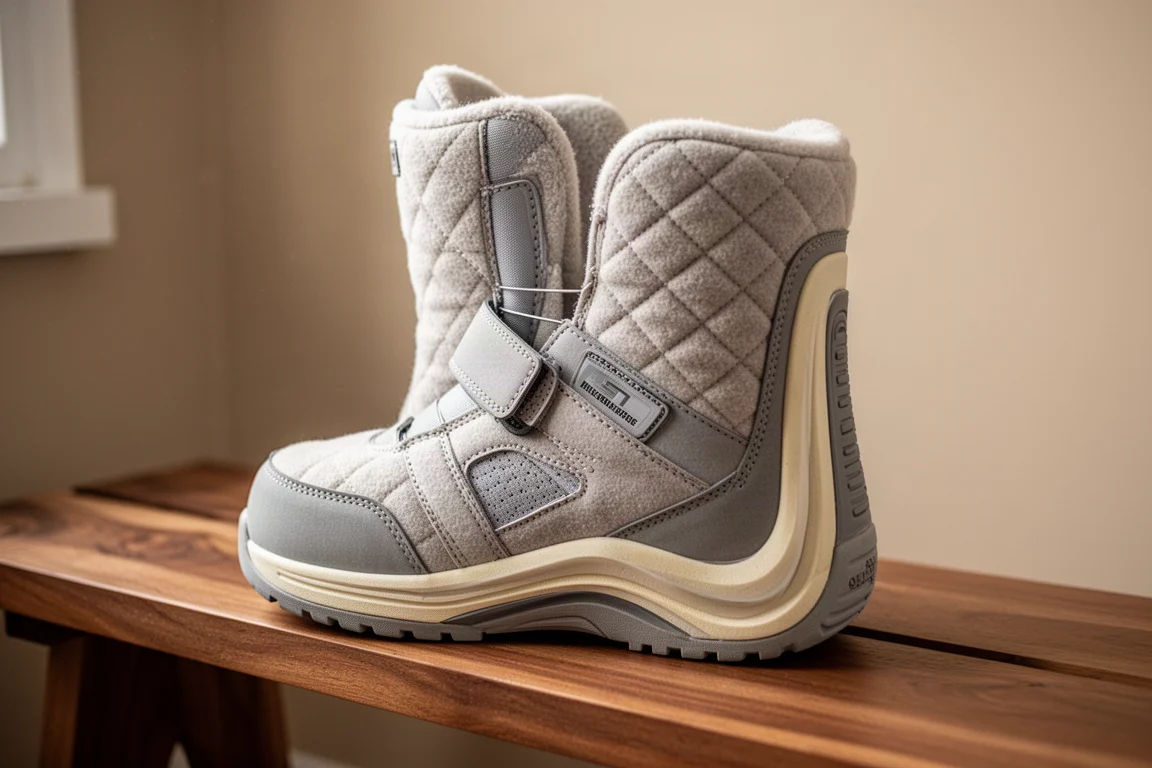
The stock Eco Harshmallow Pro insole is described as the best footbed K2 has made, with actual rigid posting and a deeper heel pocket for genuine support. If you ride roughly 5 to 10 days a season, it should serve you fine. If your feet need extra help, an aftermarket footbed is still the smarter long-term move.
Fit and Measurements: A Different Fit Within the K2 Lineup
Measured at size 10 (Mondo 28), the shell width comes to about 5.25 inches at the widest point, with a forefoot that runs wider than typical. With the liner in, the boot measures around 10.5 inches at the back and 10 inches at the front, and the cuff height sits around 12 inches at the back, a touch higher than average. The sole length is just over 12 inches, so the shell runs a little long.
Importantly, the Orton fits differently from boots like the 3axis Max in the K2 lineup. The heel is more of a U shape than a V shape, wider at the forefoot, and some testers found the heel floating slightly until the foot was centered in the heel pocket. This is not a flaw, but it does mean you should try them on and compare against other K2 models rather than assuming a familiar fit.
Durability, Warmth, and the Outsole
Underfoot, the Vibram sole delivers strong grip in cold temperatures with a well-designed tread pattern. A layer of heat-reflective tape under the foot bounces warmth back into the liner, a genuine benefit for riders with chronically cold feet. K2’s proprietary eco-friendly foam dampens impacts, and a small rubber piece helps integrate the backspine into the sole, dissipating kinetic energy and micro vibrations that travel up through your bindings into your ankles.
Who the K2 Orton Is For
This boot is for riders who want something performance-oriented but not the stiffest boot on the wall. It suits backcountry touring, where the covered gusset keeps moisture out of the lacing system, and it rewards riders who prefer a U-shaped heel and a wider forefoot. If you ride 50-plus days a year, it is built well enough to match that workload.

Buying Advice
The Orton is well built and well designed, but the deciding factor is fit. Get sized properly, try them on, and really flex into them to see if the feel matches what you want. Heat mold the liner early, and consider an aftermarket footbed if your feet need more support than the stock insole provides. If the fit does not work for your foot, K2’s other models may be a better match, and trying boots in person at a local shop is always worth the trip.
Conclusion
The K2 Orton is a thoughtfully built, stiffer-flexing dual Boa boot with a heat-moldable Intuition liner, cold-weather grip, and durability details that show real design intent. Its main quirk is the fit, which diverges from other K2 boots with a wider forefoot and U-shaped heel, so confirming the fit before buying is the single most important step. For high-mileage riders and backcountry tourers who match its shape, it is a confident pick.
Product link
View more details for K2 Orton
This product is mentioned in the review. Check the specifications, options, and compatibility before buying.
View more details for K2 OrtonFurther reading
Related Reviews
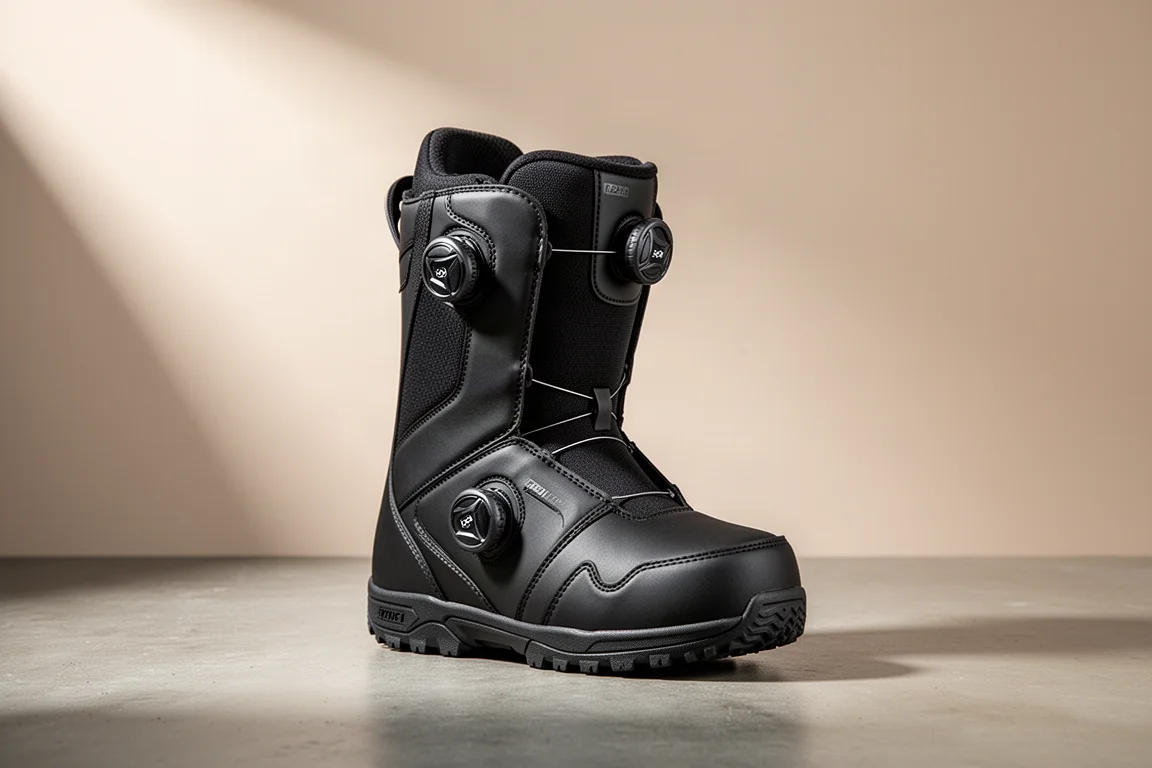
Snowboard Boots
32 Team Two Double Boa Review: 32's Highest-End Women's Snowboard Boot
A closer look at 32's top-tier women's snowboard boot, from the 3D molded toe box and double Boa lacing to the Performance Fit liner and heat-reflective footbed.
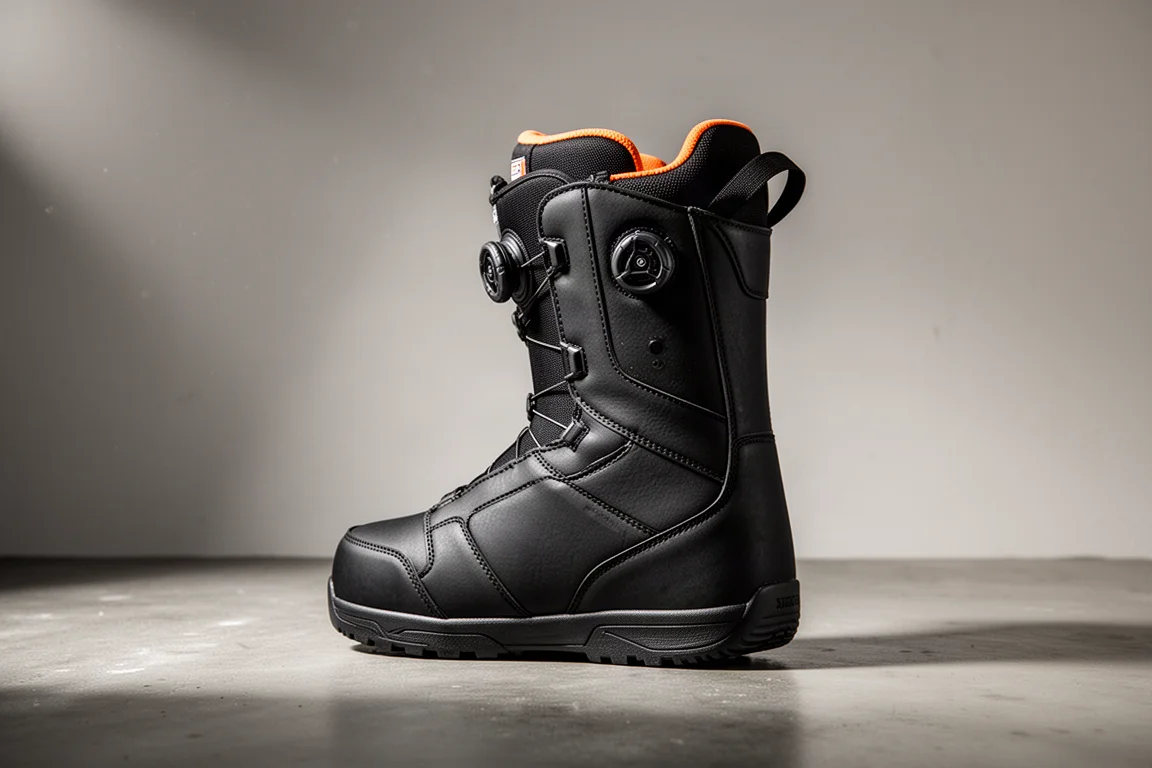
Snowboard Boots
Bataleon Acid BOA Snowboard Boot Review: A Serious First Entry from a Board Brand
Bataleon's first snowboard boot, designed by a former Burton boot designer, brings a stiff flex, dual BOA closure, and a heel hold system worth a closer look.
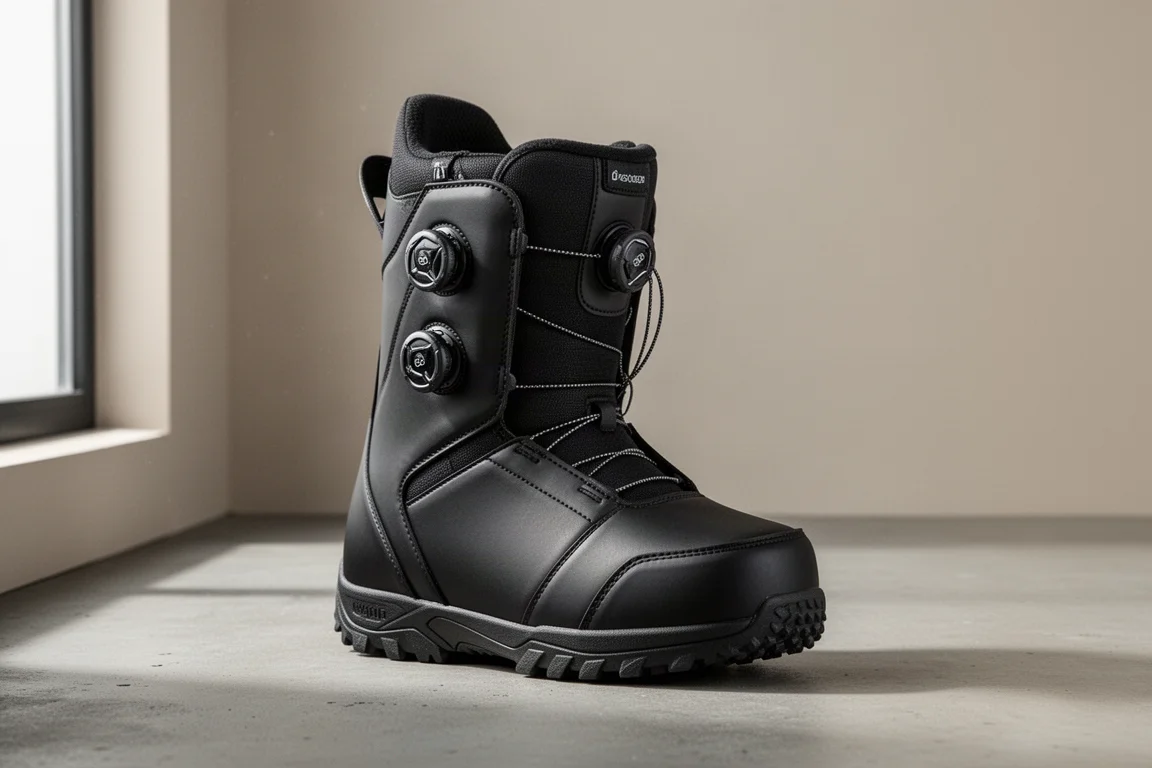
Snowboard Boots
Battalion Acid Boot Review: A Stiff, Aggressive Boot Built to Last
The Battalion Acid Boot is the brand's highest-end offering, built with seamless construction, TPU reinforcement, dual BOA lacing, and a heat-moldable liner. Here is what to know before buying.