Snowboard Bindings
K2 Module Chassis Review: What It Changes Under Your Feet
K2 rebuilt its binding platform around the Module Chassis, aiming for better board feel without giving up power and drive.
Introduction
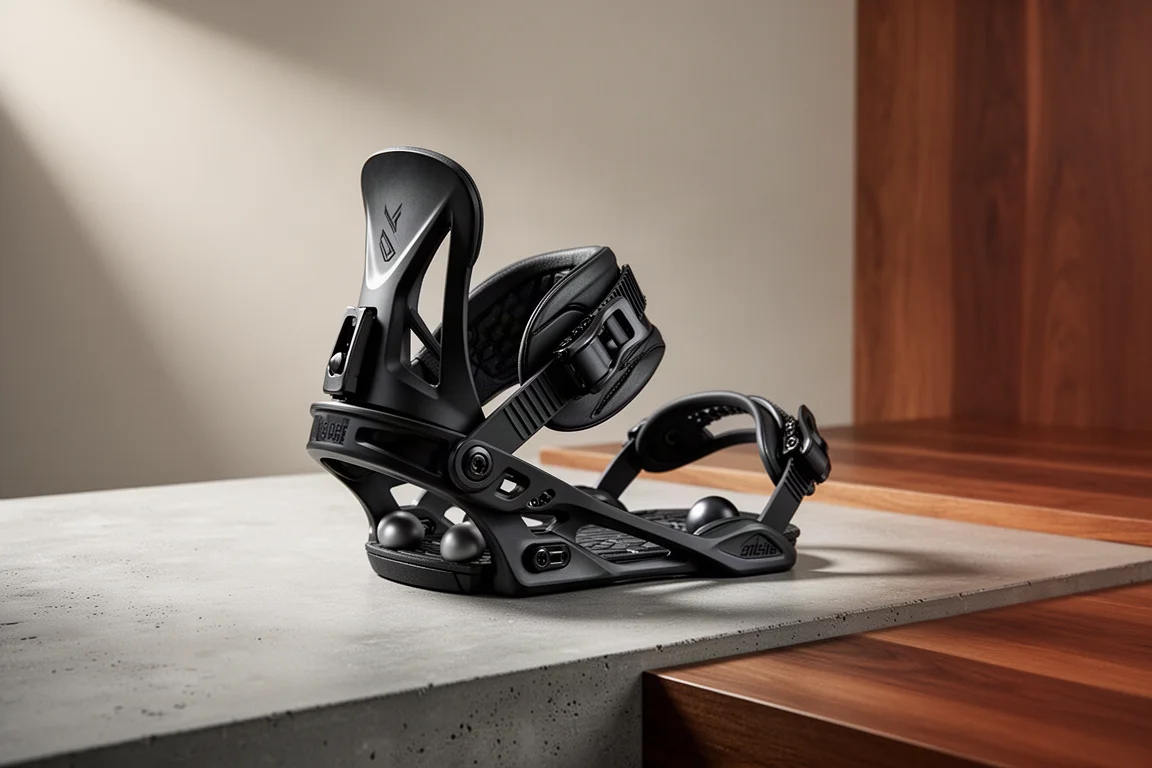
K2 overhauled its entire binding line this season, and every binding in the new lineup carries the Module Chassis. That makes it worth understanding: if you are buying any new K2 binding this year, this is the platform under your feet. Here is what it is, how it works, and whether it matters for the way you ride.
What the Module Chassis Actually Is
The Module Chassis is essentially the next generation of K2’s old Lean AT Chassis with the power pods. It brings a whole new binding design along with it: a this grips base on top, and underneath, a pod system that works together with the Harshmellow foam in the footbed.
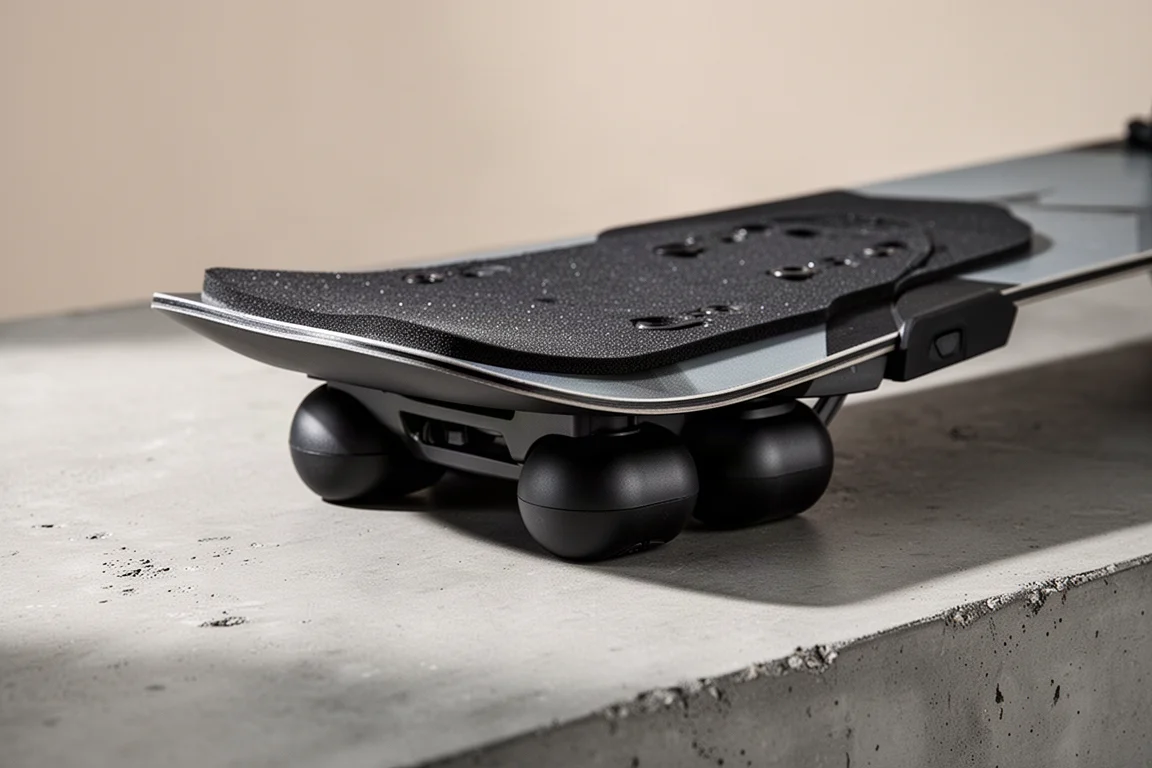
The goal is simple: optimize board feel underfoot by lessening the dead spot between the binding and the board. The result is a binding with a little more natural flex beneath it, while still holding on to the power and drive that pod designs were built for.
How It Rides: Board Feel Versus Power
The balance is the interesting part. Traditional stiffer bindings tend to trade board feel for response, while softer setups give feel at the expense of drive. The Module Chassis tries to split the difference by letting the pod system flex naturally while keeping the structure to deliver power when you push hard.

In practice, it works. On snow, the platform provides noticeably better board feel and still gives you that power when you absolutely need it. For riders who liked the old Lean AT, this is a straightforward upgrade.
The Materials: Sugarcane-Based Harshmellow
One quieter update is in the footbed. The Harshmellow damping foam is now made with sugarcane, making it a little more environmentally friendly than before. The damping role stays the same: absorbing harsh feedback so the ride feels smoother without turning mushy.
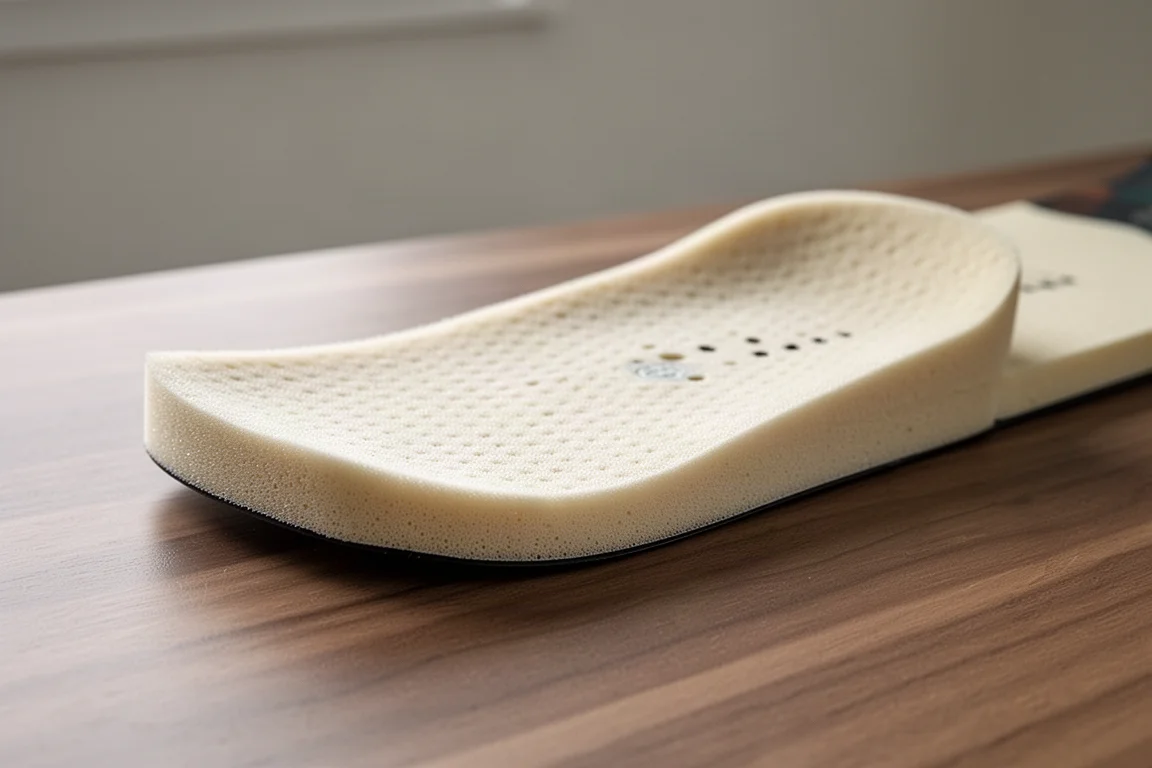
It is a small detail, but it shows the chassis is not just a flex-tuning exercise. Materials, base design, and the pod system are all being revised together.
Should You Buy Bindings With the Module Chassis?
The honest answer depends on your history. If you liked the old Lean AT, yes, you will want this. If you have never ridden the Lean AT, you may not know what you are missing, but the improved board feel is still a real benefit worth considering.
One open question is long-term durability. With any new chassis design, it takes time to see how the construction holds up over seasons and whether stress points develop. There is not much long-term feedback available yet, so riders who prefer proven multi-season durability may want to keep that in mind.
Conclusion
The K2 Module Chassis does what it sets out to do: more natural flex and better board feel underfoot, without losing power and drive when you need them. If the old Lean AT was on your shortlist, the new generation is an easy call. If you are new to K2’s pod-based platform, it is a solid binding foundation worth a closer look the next time you are shopping for bindings.
Product link
View more details for K2 Module Chassis
This product is mentioned in the review. Check the specifications, options, and compatibility before buying.
View more details for K2 Module ChassisFurther reading
Related Reviews
Snowboard Bindings
2024 Union Ultra Snowboard Bindings Review: A Cushy, Freestyle-Focused Favorite
Two seasons on the 2024 Union Ultra: a lightweight, tweakable freestyle binding with standout comfort, a damp molecular bushing, and thoughtful hardware fixes.
Snowboard Bindings
32 Team Phase Binding Review: A Fast Entry Binding Built for Freestyle Laps
The first binding from 32 uses the Phase chassis for quick step-in entry with a softer, freestyle-leaning flex. Here's how it performed on the snow.
Snowboard Bindings
Arbor Cypress Snowboard Binding Review: A Laid-Back Cruiser That Can Charge
A closer look at the Arbor Cypress binding's adjustability, strap feel, and that oddly tall highback before you decide to buy.