Ski Gear
K2 Mindbender 2027 Line Reviewed: Six All-Mountain Skis Compared
A model-by-model look at the 2027 K2 Mindbender collection, from the carryover 85 and 90 to the redesigned 88, 96, 101, and 111.
Introduction
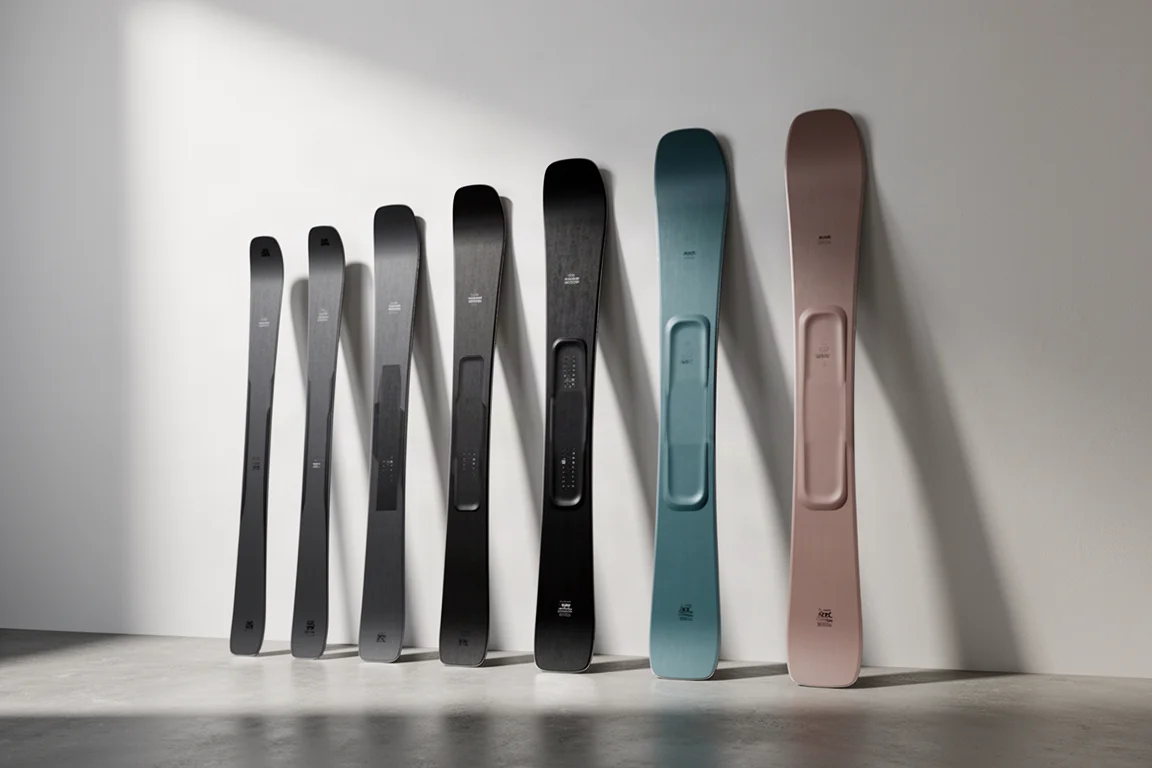
The 2027 K2 Mindbender collection spans six models, from an 85 mm waist to a 111 mm waist, and it is more varied than the naming suggests. Four of the six, the 88, the 96, the 101, and the 111, are new skis with a new core blend, a new metal layup, and repositioned damping. The other two, the 85 and the 90, carry over unchanged in shape, construction, and design, with new graphics and, in the case of the 90, a shorter name.
This guide works through the line narrowest to widest. The 101 gets the most attention here, partly because it sits near the middle of the range and partly because the differences between it and its closest sibling, the 96, explain how the new generation behaves.
What Changed Across the 2027 Mindbender Line
The redesigned models are designed in the United States and built in Germany, which is a change from previous seasons. The two carryover models, the 85 and the 90, are not affected by any of the construction updates below.
The wood core now blends aspen with paulownia. K2 has used aspen throughout this line in the past, and adding paulownia is intended to bring a little more pop, a little more stiffness, and a little more rebound to the mix. The previous generation was smooth, solid, and powerful but not especially peppy, and the new core blend addresses that.
The metal has changed as well. The Titanal Y-beam is replaced by a Titanal I-beam, a strip that runs a little wider than the binding platform without spanning the full width of the ski. Each new model carries two of these partial metal laminates.
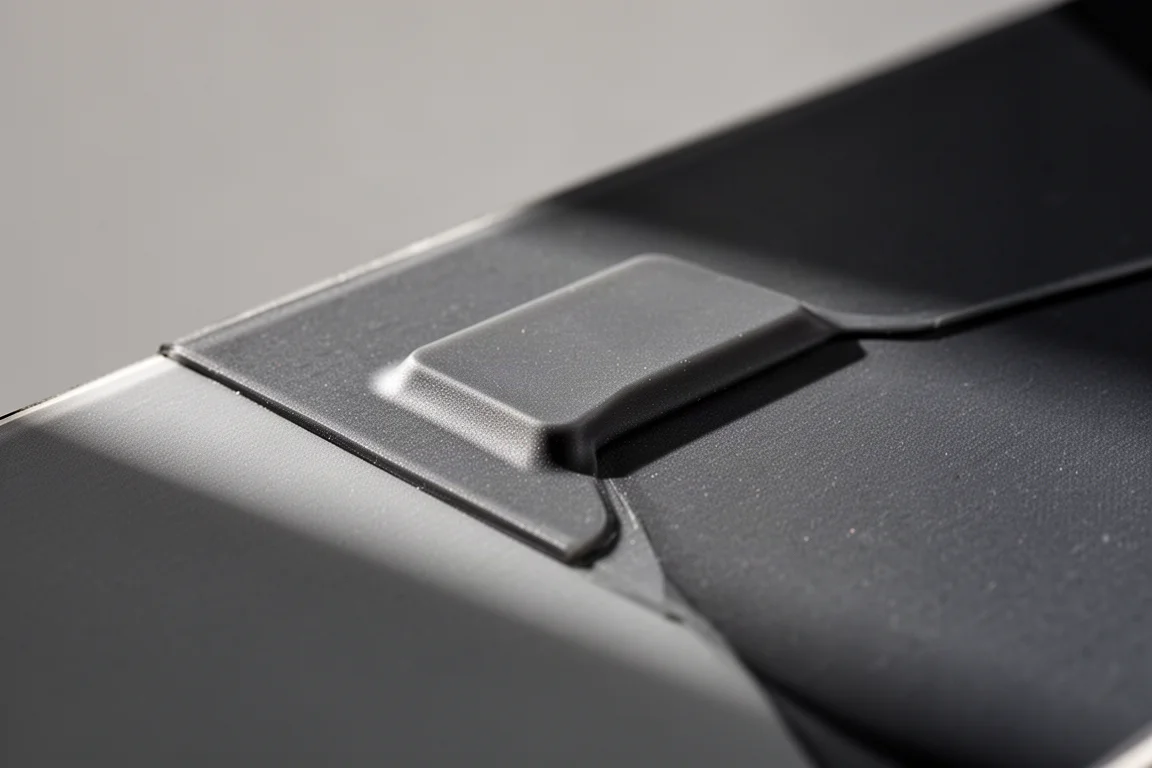
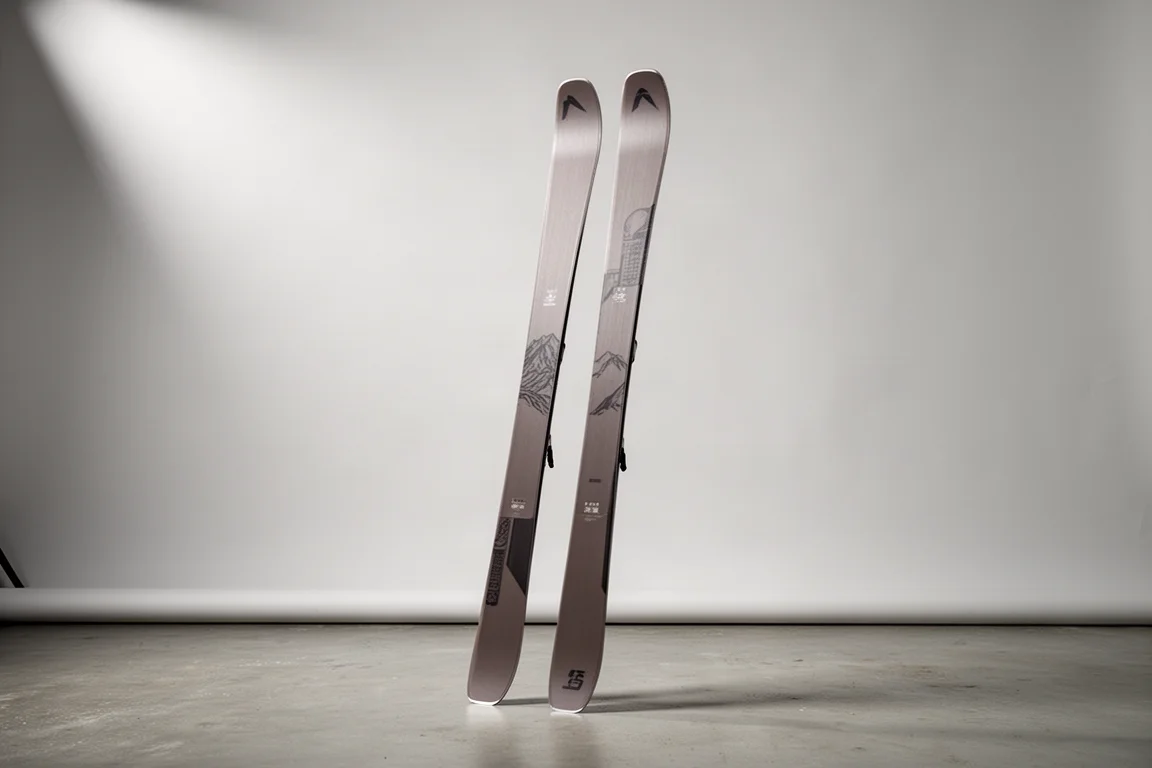
The third update is the dark matter damping, an elastomer material that appears as two raised sections on the topsheet. On frontside skis this material sits near the tips and tails. On the Mindbender models it is moved closer to the middle, to the points where each width and build vibrates most. Placement varies by model rather than scaling neatly with width: the 88 and the 101 do not overlap at all, the 96 moves it further toward the tip, and the 111 brings it furthest back toward the foot.
The raised sections look unusual at first, and the material feels heavier in the hand than it appears on the ski. The reasoning behind it is practical: mass is positioned where each ski needs it rather than applied uniformly across the range.
K2 Mindbender 85
The 85 is the narrowest ski in the collection and the most straightforward. It keeps the same shape, the same construction, and the same design as before, and the change for 2027 is the graphics package. It has always carried the simple Mindbender 85 name.
That makes it the option for skiers who want the narrowest waist in the line and are content with a proven build rather than the new core blend and metal layup found further up the range.
K2 Mindbender 88
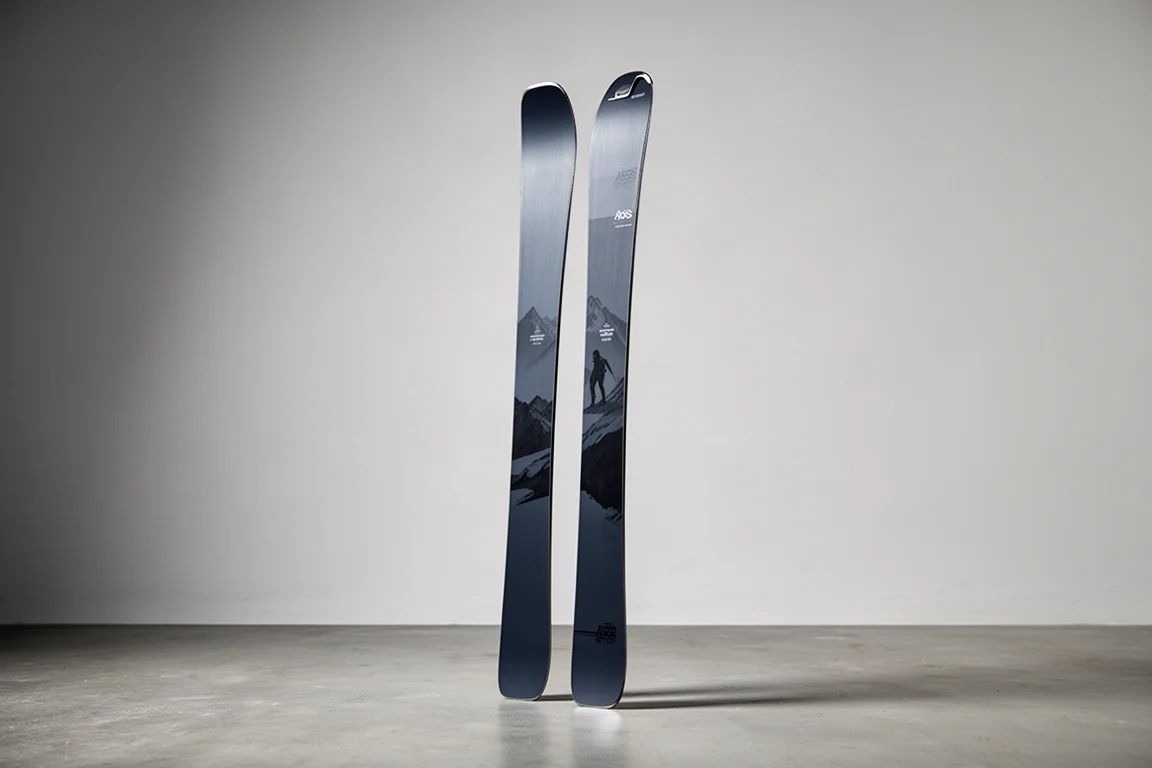
The 88 is one of the four new skis and shares the full new construction. In the hand it feels slightly stiffer than the 101, with a stiffer shovel and a flex pattern that is a little less consistent from tip to tail. The partial metal laminate is easiest to see on this model because the topsheet is black, though it still takes a close look in angled light to pick it out.
It sits at the narrower end of the redesigned group, which makes it a natural choice for a skier who wants the new build in a width that still feels quick edge to edge.
K2 Mindbender 90
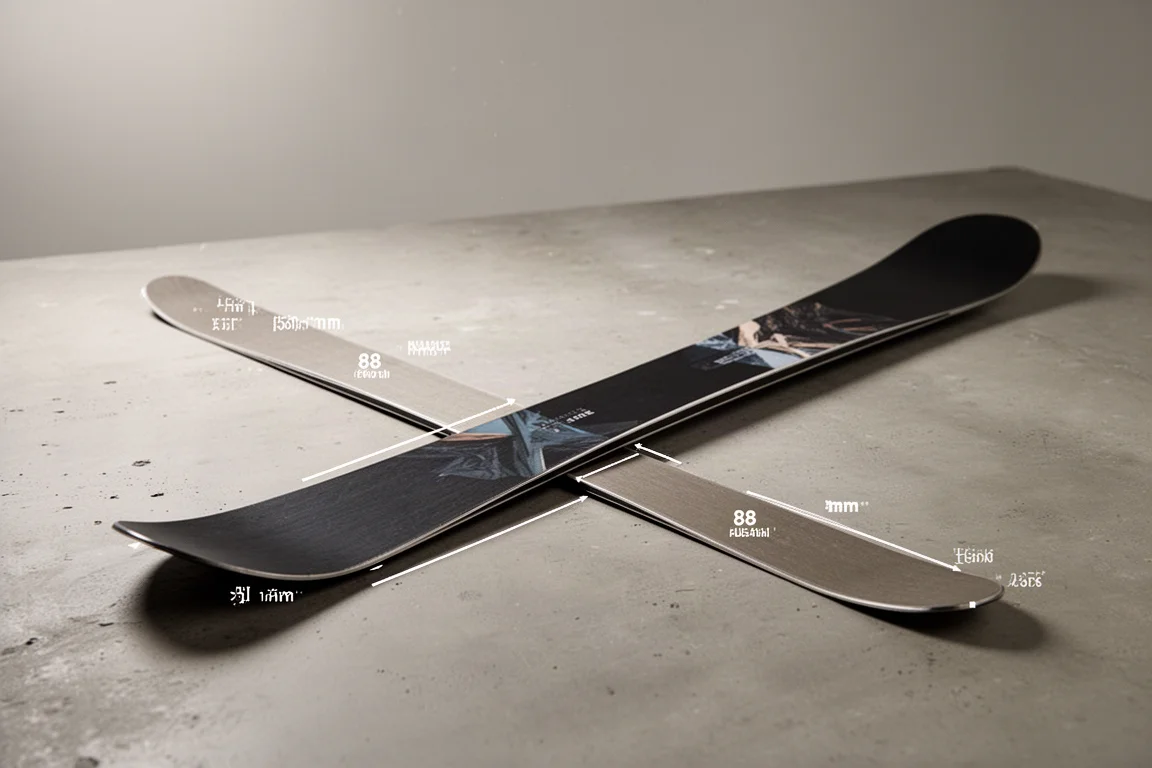
The 90 is the second carryover model. It was previously sold as the 90C, and the naming change for 2027 is that the C has been dropped. Shape, construction, and design are unchanged, and the graphics are new.
In practice that means a familiar ski in a familiar width, positioned between the 85 and the redesigned 88. Skiers who liked the previous version will find the same platform underneath them.
K2 Mindbender 96
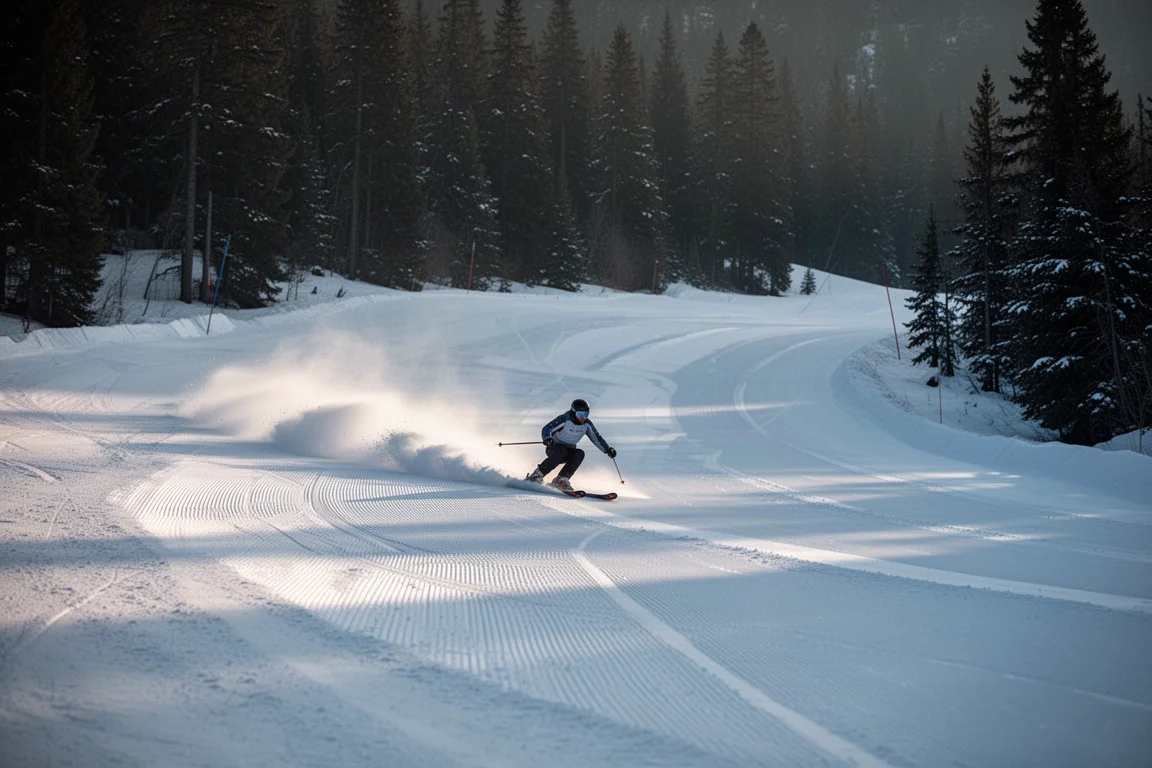
If groomer performance is the priority, the 96 is the most convincing ski in the line. Its flex is the stiffest of the models compared side by side, and it is the most powerful and most direct of the group on trail. It pulls across the fall line with more vigor than its siblings, and on a groomer it needs almost no input before it starts doing the work for you.
Its shape explains much of that. The 96 measures 135/96/123, with a tip that is wider than the 101’s and a waist that is narrower. Its tip rocker is considerably shorter than the 101’s and rises more quickly, with a more abrupt splay at the end. The widest point of the ski sits far out toward the tip.
Both the 96 and the 101 are listed with a 20 m turn radius, which is a useful reminder that a single number does not describe how a ski turns. In the middle of a turn, the 96 can feel closer to 14 m, while the 101 can feel closer to 24 m. Turn radius is not printed anywhere on these skis, and given how differently the two shapes behave, that seems deliberate.
Off-piste, the 96 asks for more effort and more care than the 101. It rewards a direct, powerful style, but it is not the model in this line to choose if soft snow is where you spend most of your day.
K2 Mindbender 101
The 101 is the model that best shows what the new generation is trying to do, and it behaves quite differently from the 96 despite sharing a stated turn radius.
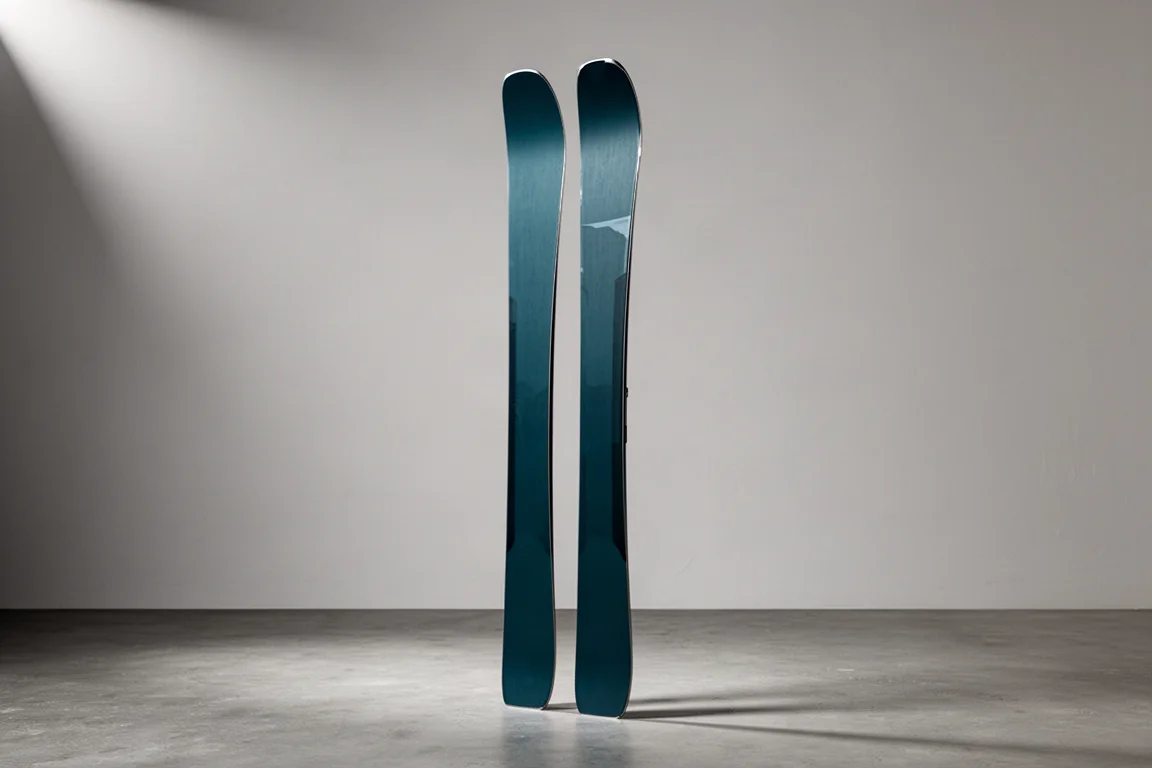
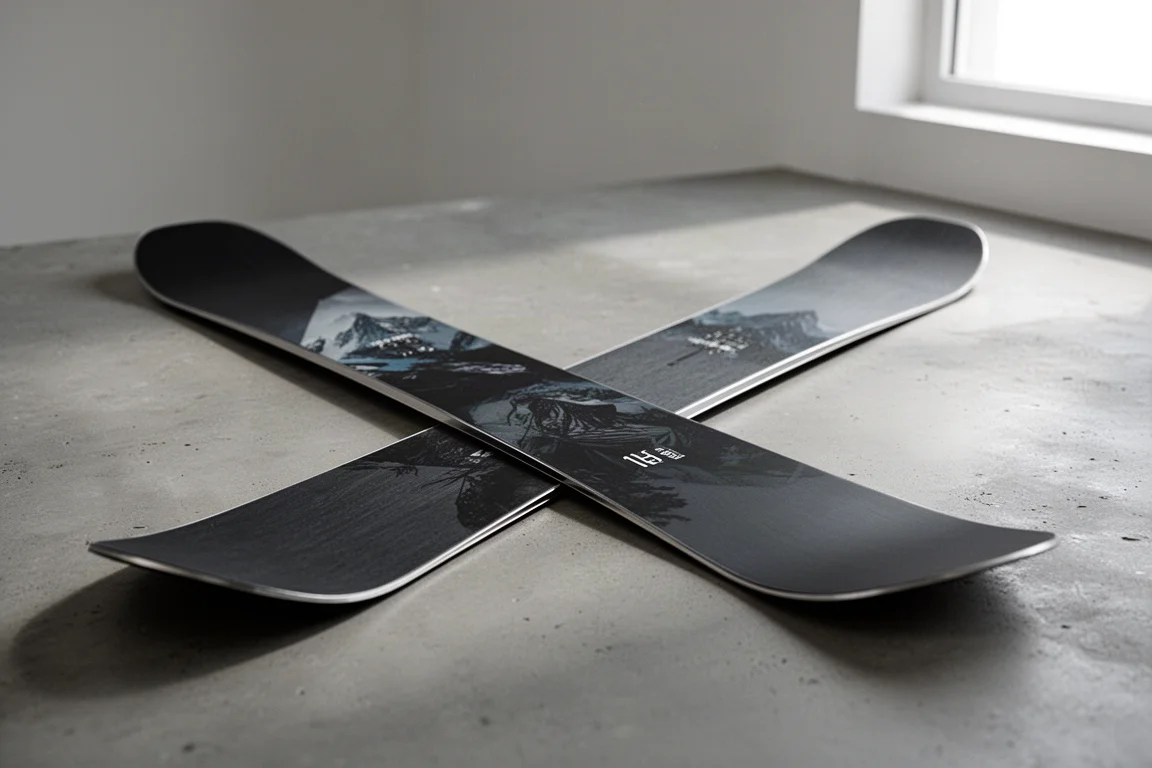
On paper it measures 131/101/122. In a 185 cm length, a measured pair averaged roughly 1,900 g per ski, with about 50 g of variance between the two skis, which is normal. The flex is even and round, and the profile is long and low: a long, low-rise tip rocker, a long, low-rise tail rocker, and very little camber in between. The tail has slightly more splay than the 96’s at the very end, but this is not a twin tip.
On groomers the 101 does not behave like a carver. At low speed it does not do much when you put it on edge. Once you are past the tip flex and into the middle two-thirds of the ski, the metal starts to come alive, and it rewards speed. It is not a tip-to-tail carving ski, and bending it into a shorter radius takes a high level of skier input. The easier way to shorten the turn is to lower the edge angle and ski it with a more playful, skidded approach. Skilled skiers can manipulate it either way, but it asks for a specific set of skills rather than doing the work on its own.
Off-piste is where it makes the most sense. In day-old and two-day-old chalky snow it is quick, easy to swivel, and relatively light, and the flat profile means it breaks free and slides sideways without fighting you. The metal shows up mainly at speed, where the damping gives it a composure that lighter skis in this width cannot match. It prefers more angular, Z-shaped turns at flatter edge angles over round, steered arcs.
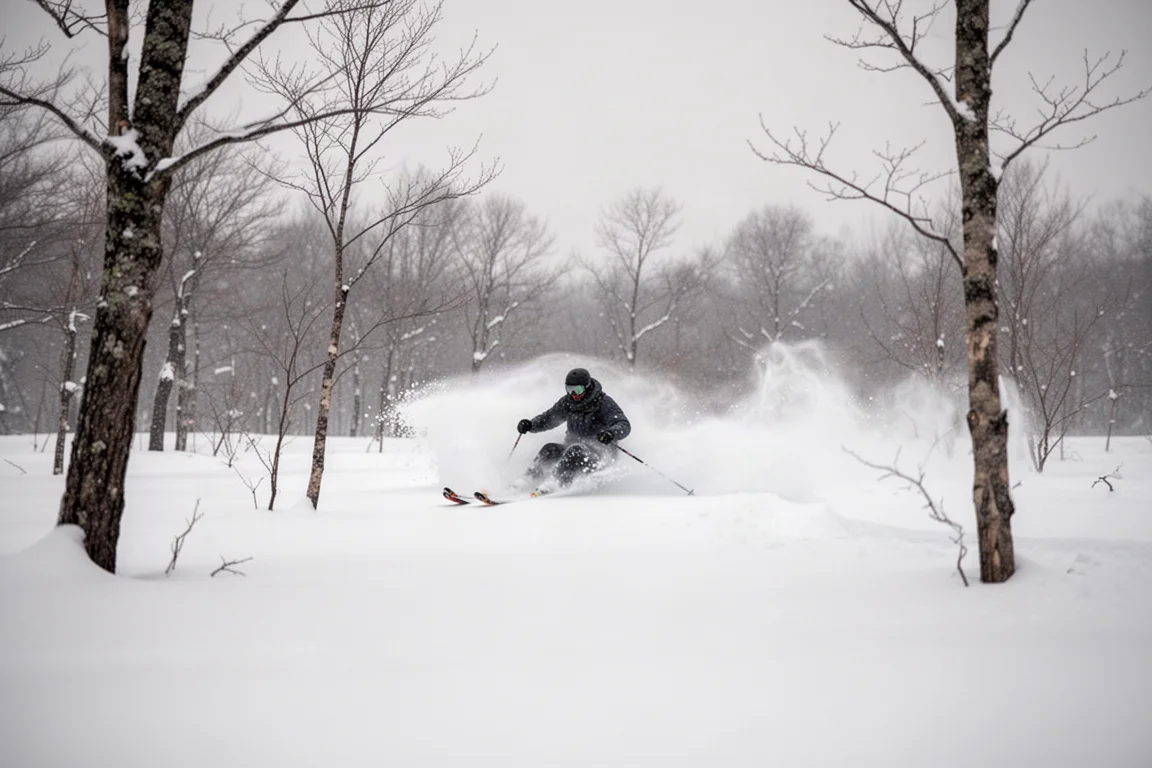
In deeper snow the 101 floats better than its width suggests. The long rocker and the straighter cut through the shovel keep it from grabbing or pulling across the hill, and it comes across as genuinely surfy, which is not what the sound and feel of the ski on hardpack would lead you to expect. For a 101, the flotation is impressive, and the low profile keeps you in the snow rather than on top of it.
The combination is unusual: composure and vibration damping in one direction, and the freedom to throw the ski sideways in the other. It sits between the lighter, more mobile skis in this width and the heavier, more planted chargers. The lighter options are quicker in a round turn and easier to steer; the heavier options feel more composed on groomers. The 101 trades a little of that groomer satisfaction for its off-trail performance, and for many skiers that is the right trade.
The 101 was skied here in a 185 cm length, and a 192 cm is the longest length offered. Given how much rocker the ski carries, the longer length is not necessary for most skiers.
K2 Mindbender 111
The 111 is the widest ski in the collection and one of the four new models. Its dark matter damping is placed furthest back toward the foot of any model in the line, which fits a ski built for the softer end of the mountain.
One detail worth noting for anyone shopping the range: the 111 does not receive a dedicated women’s graphic.
Choosing the Right Width for Your Skiing
The line does not scale linearly, so the width number alone will not tell you which ski suits you.
If your priority is groomer performance, the 96 is the most rewarding of the group, with the stiffest flex, the most direct feel, and the shortest tip rocker. If you split your time between groomers and soft snow, the 101 gives up some carving sharpness in exchange for a much looser, more surfy ride and better flotation than its width suggests. If you want the narrowest option and a build that has not changed, the 85 and the 90 both carry over with new graphics only. If you want the widest platform in the line, the 111 is the one.
It is also worth treating stated turn radius with caution on skis this wide. The 96 and the 101 are both listed at 20 m, and they do not ski remotely the same turn. The rocker profile, the length of the tip splay, and where the widest point of the ski sits all matter more than that single figure. If you are choosing between two models in this range, the shape is the more useful comparison.
Conclusion
The 2027 Mindbender line covers a lot of ground in six models, and the differences between them are more interesting than a simple progression from narrow to wide. The 88, 96, 101, and 111 bring a new aspen and paulownia core, a Titanal I-beam, and repositioned dark matter damping, while the 85 and the 90 stay exactly as they were apart from graphics.
The clearest split in the range is between the 96 and the 101. The 96 is the sharper, more powerful groomer ski. The 101 is the looser, more surfy option that gives up a little carving satisfaction in exchange for confidence and float off-piste. Matching that difference to how and where you actually ski is the decision that matters most.
Further reading
Related Reviews

Ski Gear
2023 Blizzard Hustle vs Rustler: Six Freeride Skis Compared
Blizzard's 2023 Hustle collection rebuilds the Rustler shape with a lighter core and no metal. Here is how all six skis differ, and which one suits your riding.

Ski Gear
2023 Skis of the Year: Atomic Maverick 88 TI, Salomon QST 106, and Look SPX 12 Pro
Three standout ski picks for all-mountain carving, powder days, and reliable binding performance, with practical buying notes for 2023 models.

Ski Gear
2025 Nordica Enforcer 104 Review: A Directional Charger Replaces the 104 Free
The 2025 Nordica Enforcer 104 drops the Free name and the twin-tip personality, gaining weight, stiffness and composure in rough snow. Here is what changed and who it suits.