Snowboards
K2 Geometric Review: A Playful Park Snowboard for Rails and Butters
A close look at the K2 Geometric snowboard, from its Twin Combination Camber profile and soft flex to its park strengths and the trade-offs to weigh before buying.
Introduction
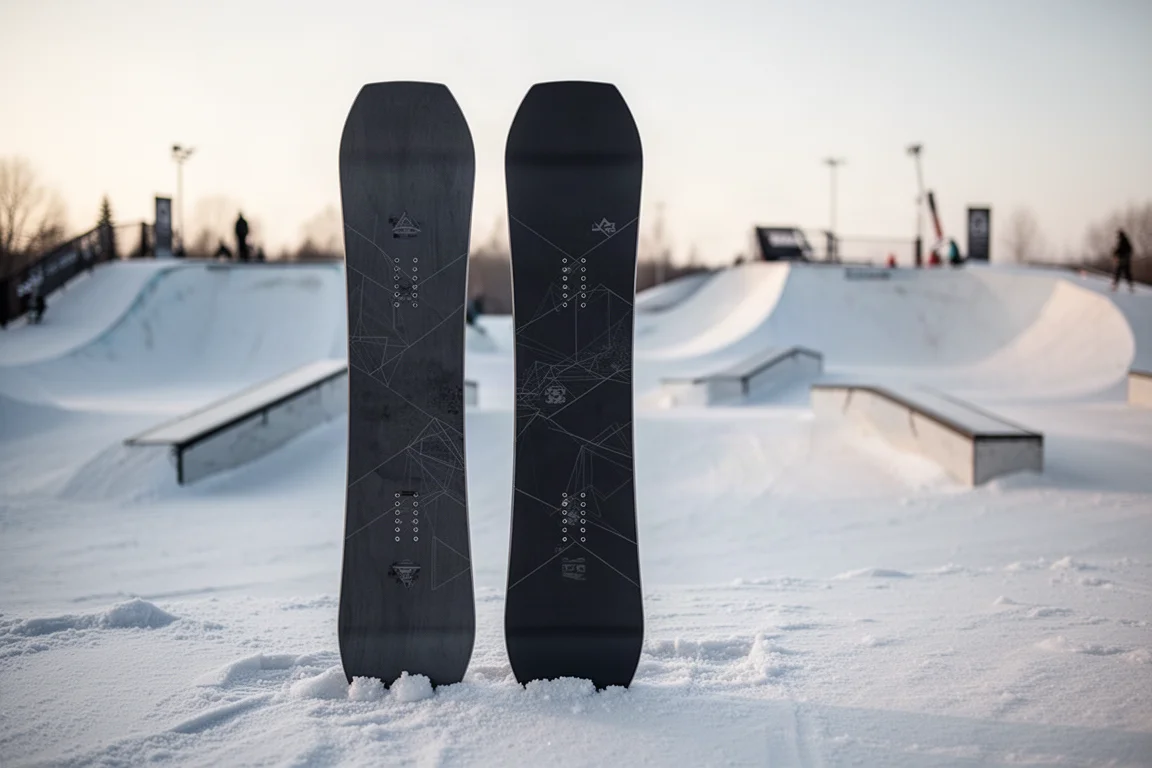
The K2 Geometric is a twin-tip freestyle snowboard built around K2’s Twin Combination Camber profile, which pairs roughly 95 percent traditional camber with a small micro-rocker section at the nose and tail. The thinking behind it is straightforward: you keep the load and pop of camber underfoot, while the shallow rocker zones make presses, butters, and turn entry easier to manage. The board is offered in 144, 148, 152, and 156, along with wide versions at 151, 154, and 157.
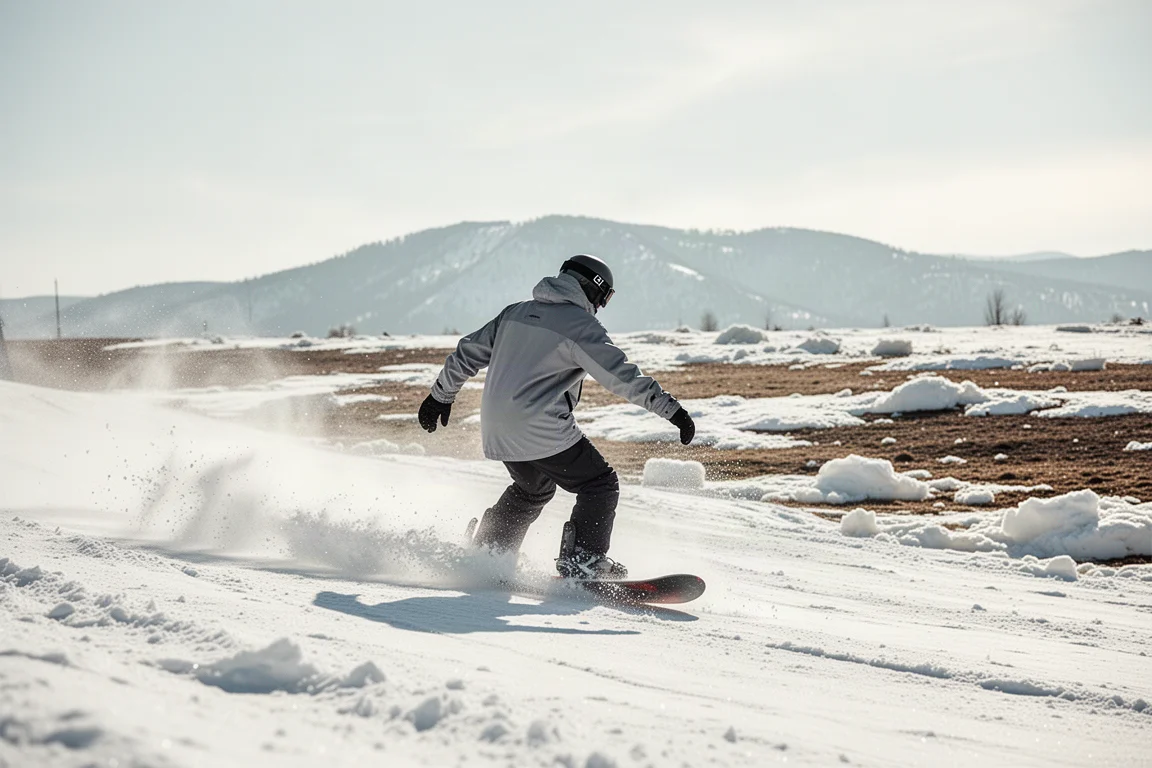
Time on snow took place in spring conditions at Arapahoe Basin, in a mix of slush, firm patches, and creamy snow, with Rome Black Label bindings and K2 Thraxis boots. What stands out immediately is how soft the 152 flexes, and how smooth and consistent that flex feels from tip to tail.
Who this product is for
This is a board for the rail-focused park rider. It is essentially the successor to the model it replaces in the line, with a slightly more playful ride and a little more snap on tap.
Riders who spend their days on boxes, rails, and smaller features, and who want a deck that butters easily, will get the most out of it. It also suits anyone after an easy-going park board that handles setup carves into a feature or quick, nimble turns when you need to get around other people in the park.
If your riding revolves around high-speed carving or large jumps, this is not what the board was designed to do, and there are better-matched shapes for that work.
Main strengths
The defining trait is a soft, smooth, consistent flex from tip to tail. The only noticeably stiffer zones sit directly underfoot at the insert packs, which leaves plenty of torsional flex through the middle of the board. The result is a ride that never fights you.
Because the profile is predominantly camber, the board still delivers pop, and it is easy and predictable to access. With the softer flex, it feels close to loaded the moment you are strapped in, so there is a small amount of rebound available and very little effort required to engage it.
Pop and Playfulness
Consistency matters more than peak snap in a board like this, and the pop here is consistent. You can boost and snap off features in your path without wondering whether the board will deliver, and the soft flex means it is already loaded before you ask anything of it.
No jump line was available on the day, but given how softly the board flexes, small jumps are the realistic range, with medium ones for riders who are feeling confident. The pop stays predictable, so there are no surprises in the takeoff.
Buttering and Jibbing
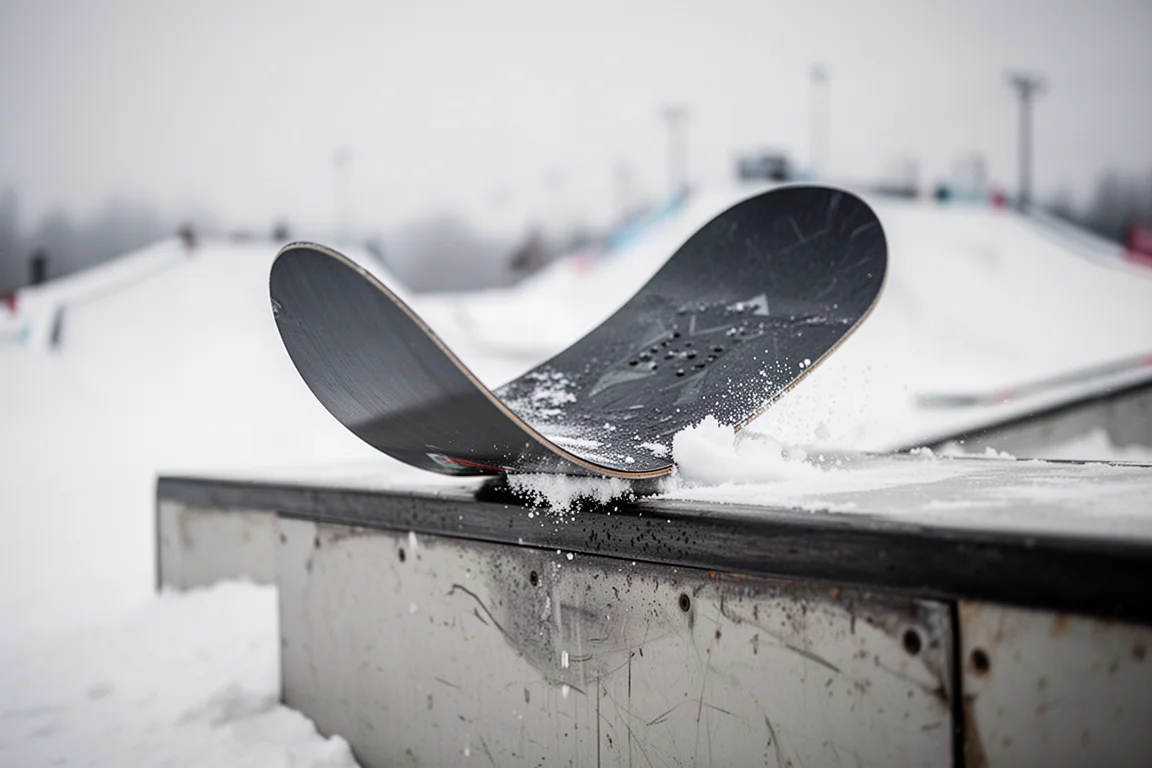
This is where the board genuinely shines. The micro-rocker at the tip and tail is the sweet spot to load your weight onto: you can feel it lock in, and while the camber adds a little resistance, it never overwhelms the press. You can swivel and spin off the nose or tail and still get a small amount of pop from the camber on release.
Nose and tail presses feel effortless, soft enough that you may wonder whether you are pressing at all, yet the board still retains a bit of pop at the end of the feature. On rails it does everything it can to avoid fully clapping out, wrapping around the feature and hugging it aggressively while keeping the pop needed to exit.
Edge-to-edge transmission is quick and nimble, which makes the board a strong choice for setup carves into a feature or for railing a turn when the park is crowded.
Things to consider before buying
This board gives up grip and power when you drive it hard. Lay it over and push into a carve, and the tail folds; the edge hold and response simply are not there for aggressive, heavily loaded turns. Keep your carves light and mellow and it behaves well.
Size is worth thinking about as well. The 152 ridden here was soft, and a longer length would likely feel stiffer underfoot, which may suit heavier riders or anyone who wants a little more support from the board.
Bigger features sit outside its remit. If your season is built around large jumps or steep, fast terrain, this is not the shape to build it on.
Stability and Chatter
Stability is the clear trade-off. Expect chatter in the tips, feedback underfoot, and a board that gets kicked and bucked when you run out terrain through the middle. Staying on top of it means keeping your knees bent and your inputs deliberate.
Buying advice
Buy the K2 Geometric if you are a park rider who wants to butter, press, and jib, and you value a soft, forgiving flex over edge hold and high-speed composure. It rewards a relaxed, playful approach rather than a charging one.
For bindings, the K2 lineup is the natural pairing, and the Burton Mission is another option that suits this style of riding. On sizing, match the length to how much park you ride and how much support you want underfoot.
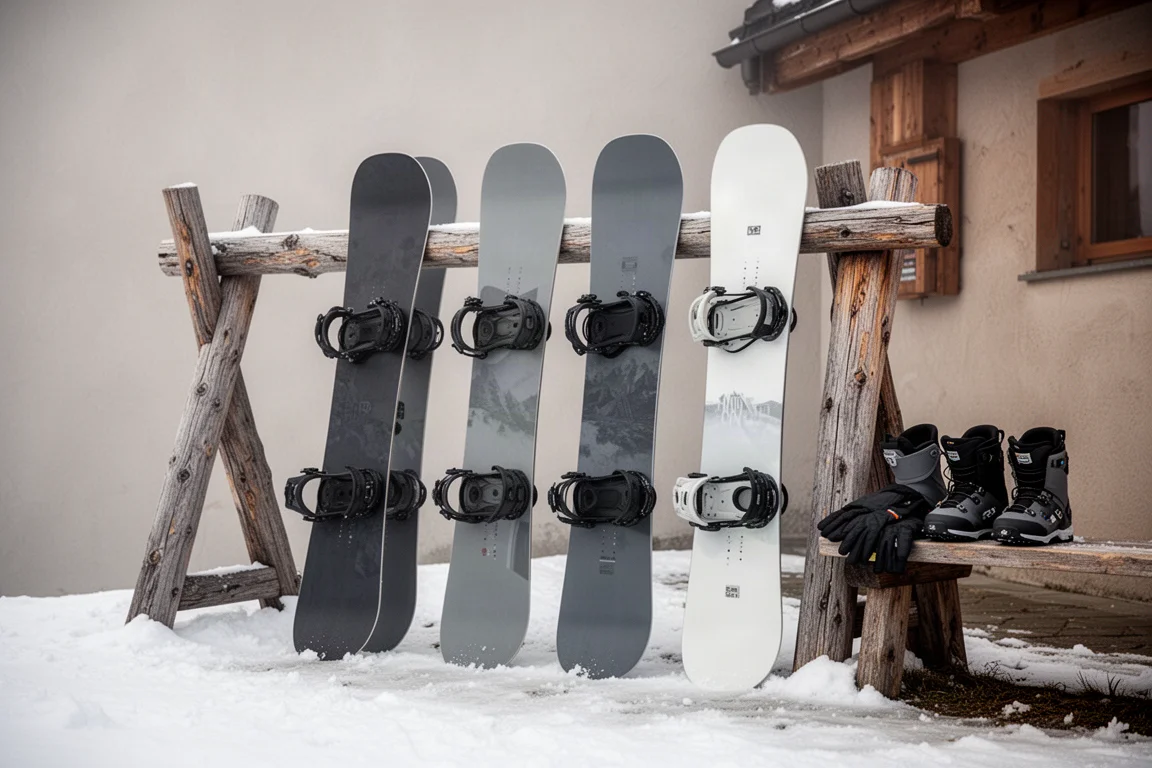
If you are cross-shopping, the Salomon Sleepwalker, Rome Gangplank, and Rossignol Retox cover similar ground. Compare them on flex feel and feature mix, but if playful presses and rails are the priority, the Geometric is a confident pick.
Conclusion
The K2 Geometric is honest about what it is: a soft, playful, predominantly cambered park board that excels at butters, presses, and rails, with predictable pop and quick edge-to-edge response. It is not a stable board at speed, and it does not have the power for hard carving or large features. For the rail-focused rider, that trade-off is exactly the point.
Product link
View more details for K2 Geometric
This product is mentioned in the review. Check the specifications, options, and compatibility before buying.
View more details for K2 GeometricFurther reading
Related Reviews
Snowboards
32 Middle Earth Scott Stevens Pro Model Snowboard Review: A Park Board With a Reversed Flex
A medium traditional camber park board with carbon V reinforcement that is stiffer in the tips and more playful between the feet. Here is how it rides and who it suits.
Snowboards
32 Snafu Review: A Directional All-Mountain Freestyle Board with Serious Pop
The 32 Snafu pairs a directional camber-rocker profile with a stiffening tail for powerful carves, big ollies, and a surprisingly damp ride.
Snowboards
32 XXX Pat Fava Pro Snowboard Review: A Stiff Camber Beast for Hard-Charging Riders
A full-width traditional camber deck that rewards aggression with stability and edge power, but demands effort everywhere else.