Snowboards
K2 Gateway Snowboard Review: A Forgiving Entry-Level Directional Board
A practical look at the K2 Gateway, an entry-level directional snowboard with a flat profile, setback stance, extruded base, and a three-year warranty.
Introduction
The K2 Gateway is an entry-level snowboard built for riders who want a stable, forgiving board without spending a lot to get started. It uses a directional shape with a setback stance, a BX glass layup, and an extruded base, and it is backed by a three-year warranty. Pricing sits in the entry-level bracket at under $450, and the model is offered in a range of sizes, including wide versions for riders with larger boots.

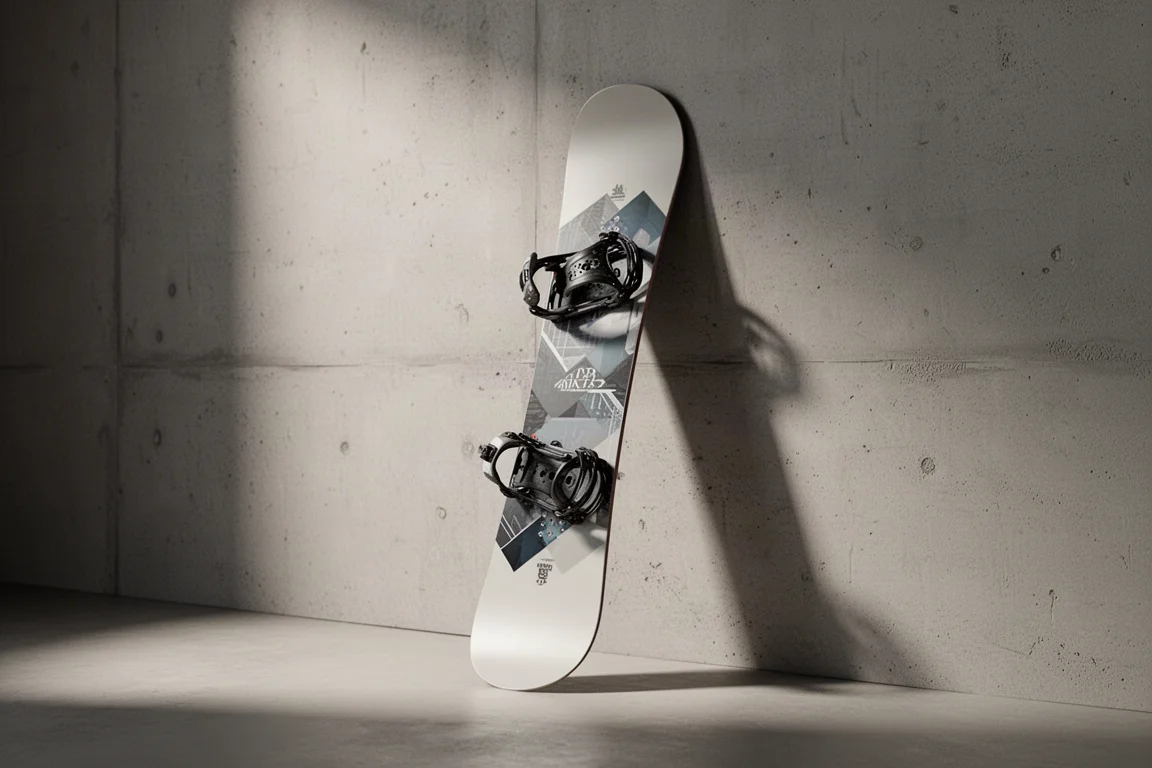
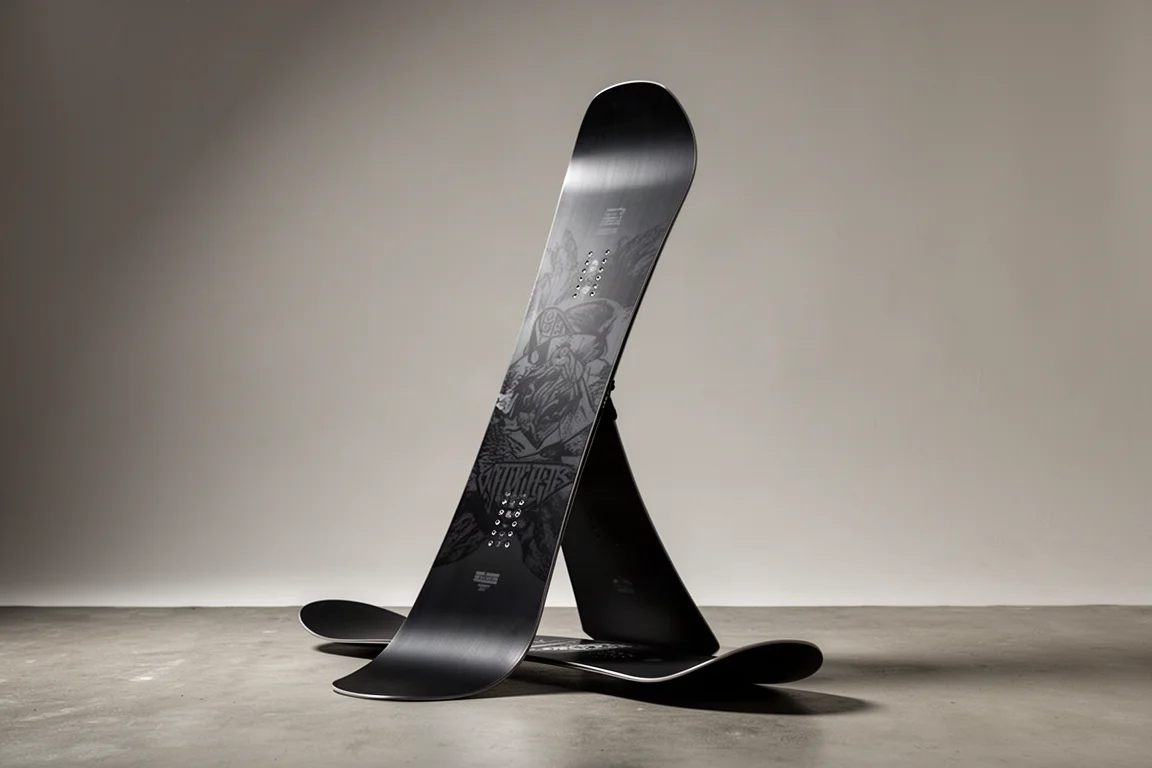
The first thing that stands out is how clean the board looks. The graphic and the construction both come across as considered rather than cost-cut, and the flat profile sits flush when you set it down, which is a good indication of how it behaves on snow. For a board in this price range, that combination of finish and ride character is the main reason it is worth a closer look.
Who the K2 Gateway Is For
This is a board that makes sense as a first snowboard, and it holds up just as well as a second or third board for riders who want something easy and dependable in the quiver. The flat profile is forgiving, so it does not demand a lot of energy or precision from the rider. You can ride it at a relaxed pace, let it flex through the turn, and still get solid edge grip without fighting the board.
It is also a reasonable choice for riders who spend time in new snow and soft snow, where a forgiving, stable platform matters more than a stiff, aggressive feel.
The wide versions of the model are aimed at riders with larger boots, roughly size 11 through 14 and up, because those riders need extra width to avoid toe and heel drag. That makes the Gateway relevant to a broader range of body types and boot sizes than a narrow, single-width board would be.
Main Strengths
The Gateway’s strongest quality is how little it asks of the rider. The flat profile flexes through the turn and grips the snow well without requiring a lot of energy or effort, which is exactly the behaviour that helps newer riders build confidence and helps experienced riders enjoy a more relaxed day.
- Forgiving flat profile that is easy to ride
- Stable, solid feel underfoot
- Three-year warranty
- Entry-level price under $450
- Clean graphic and clean construction

That forgiving character does not come at the cost of stability. The board feels planted and solid, which is the quality most riders notice first when they step onto something easier to manage than a stiff, demanding deck. It is a board you can grow into rather than one you have to fight from day one.
Shape, Base, and Construction
The Gateway uses a directional shape with a setback stance, which places the rider slightly back on the board and gives it a natural, easy-rolling feel. It is built with a BX glass layup and an extruded base, and the model carries a three-year warranty.
The flat profile is a deliberate part of the design rather than an absence of features. Because the board sits flat, it flexes through the turn and maintains edge contact without the rider having to load it heavily. That is what makes it good in new snow and soft snow, and it is also what makes the ride feel low-effort across a wide range of conditions.
For anyone stepping into the sport, this is the kind of construction that keeps the learning curve reasonable: enough structure to stay stable, but not so much that the board punishes small mistakes.
Things to Consider Before Buying
The Gateway is a directional board, not a twin. If your riding is heavily focused on switch riding and you want a perfectly symmetrical deck, this particular shape is worth thinking about carefully. There are other models in this price range with twin and directional twin shapes, so the Gateway is best understood as the directional option in that group.
Sizing also deserves attention. Waist width needs to line up with your boot size, and the bindings you choose need to match both the board and the boots. Getting that combination right matters more than any single number on a spec sheet, because a board that is too narrow for your boots will produce drag regardless of how well it rides otherwise.
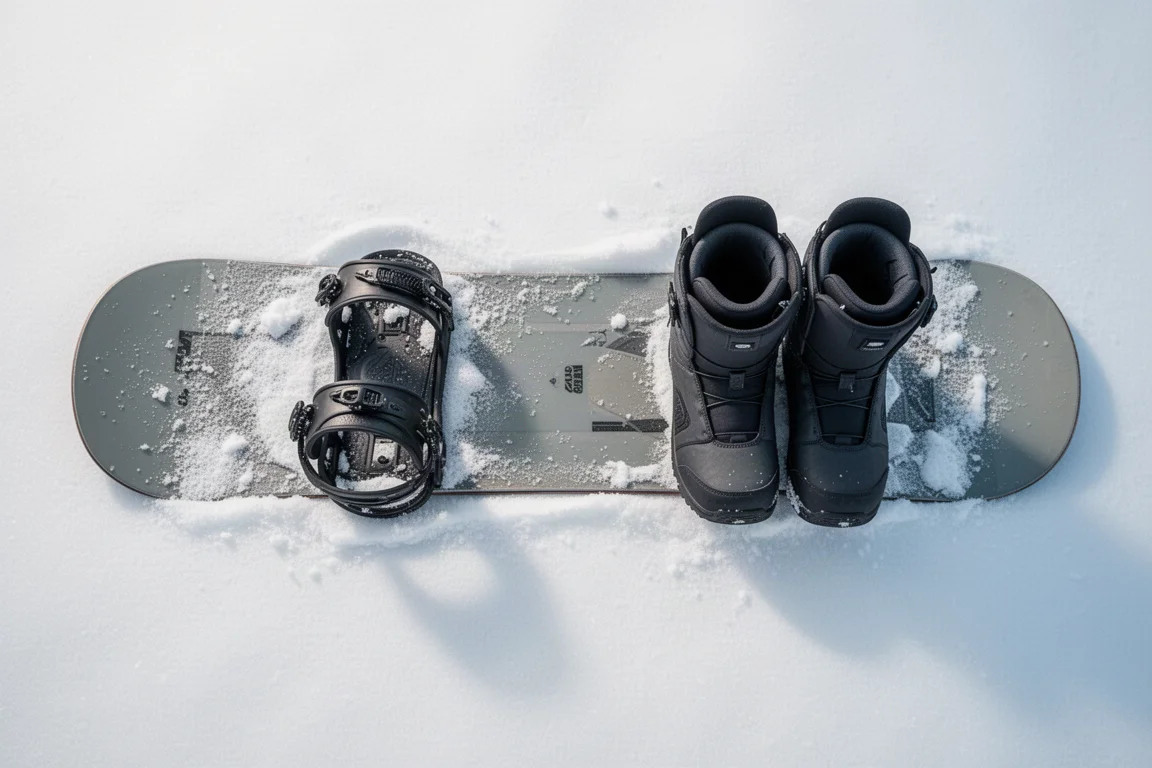
None of this is a flaw in the board itself. It simply means the Gateway rewards a buyer who takes two minutes to confirm the width and binding size before ordering, rather than picking a length at random.
Sizing and Binding Match
The model comes in a range of sizes, and wide versions are available for riders who need more platform underfoot. As a reference point, the 160 wide sits at the larger end of that range and is intended for riders with boot sizes around 11, 12, 13, 14 and up.
If you are in that boot size bracket, start with the wide version of whichever length suits your height, weight, and riding style, then check the waist width against your boots. From there, match the binding size to both the board width and the boots, since bindings that are too narrow will pull your boots inward and reintroduce the drag you were trying to avoid.
Buying Advice
At under $450, the Gateway sits in the entry-level price bracket, and it carries a three-year warranty. For a first snowboard, that is a sensible combination: a forgiving flat profile, a stable and solid ride, and a clean build that does not look or feel like a compromise.

It is equally reasonable as a second or third board for riders who want something easy to ride in soft snow and new snow without spending a premium. If you already know you want a twin shape for switch-focused riding, look at the other models in this price range first. If you want a directional board that keeps the effort low and the stability high, the Gateway is a straightforward, confident pick, provided you confirm the size and width for your boots before you buy.
Conclusion
The K2 Gateway is an entry-level directional snowboard with a setback stance, a BX glass layup, an extruded base, and a flat profile, priced under $450 and covered by a three-year warranty. Its case rests on being easy to ride, stable underfoot, and forgiving enough for a first season while still being a board you can keep using afterwards. Choose the right width for your boots, pair it with correctly sized bindings, and it is a low-risk way to get onto the snow.
Product link
View more details for K2 Gateway
This product is mentioned in the review. Check the specifications, options, and compatibility before buying.
View more details for K2 GatewayFurther reading
Related Reviews
Snowboards
32 Middle Earth Scott Stevens Pro Model Snowboard Review: A Park Board With a Reversed Flex
A medium traditional camber park board with carbon V reinforcement that is stiffer in the tips and more playful between the feet. Here is how it rides and who it suits.
Snowboards
32 Snafu Review: A Directional All-Mountain Freestyle Board with Serious Pop
The 32 Snafu pairs a directional camber-rocker profile with a stiffening tail for powerful carves, big ollies, and a surprisingly damp ride.
Snowboards
32 XXX Pat Fava Pro Snowboard Review: A Stiff Camber Beast for Hard-Charging Riders
A full-width traditional camber deck that rewards aggression with stability and edge power, but demands effort everywhere else.