Snowboard Bindings
K2 Formula Snowboard Binding Review: A Predictable All-Mountain Workhorse
A practical look at the K2 Formula binding, from its tool-free adjustability and hinged heel strap to the three degrees of canting riders should weigh before buying.
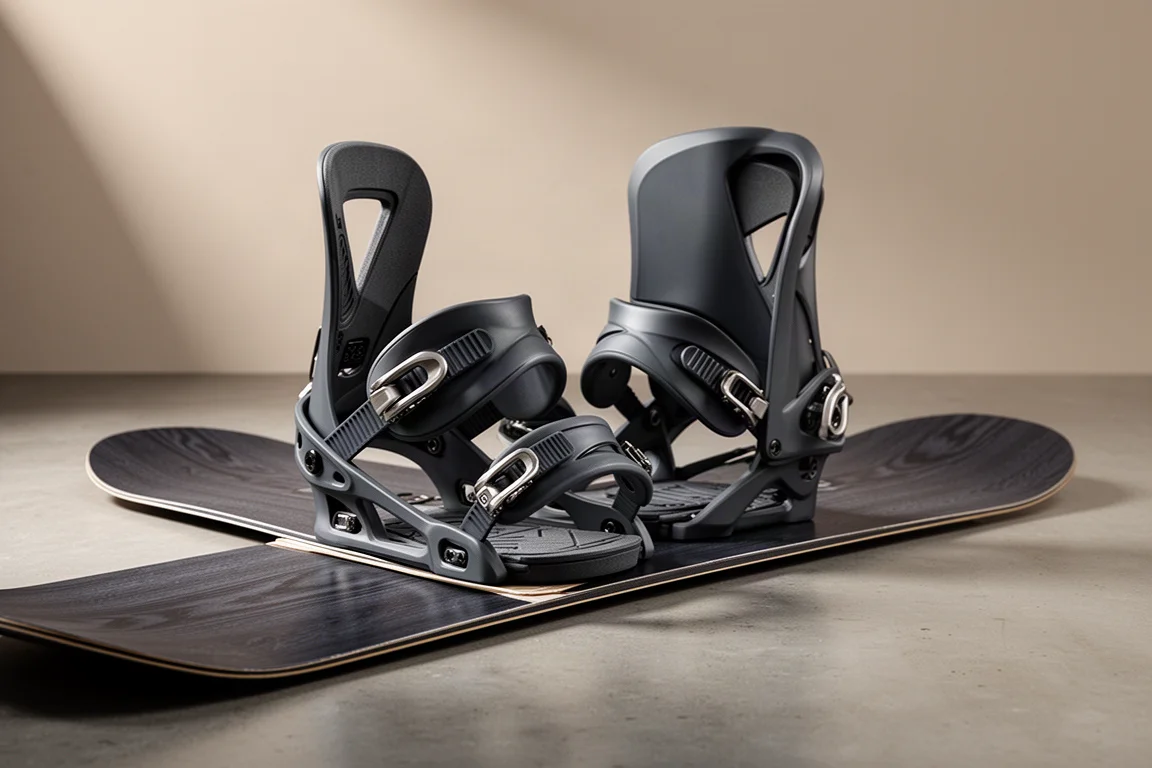
Introduction
The K2 Formula is an all-mountain snowboard binding with a straightforward pitch: it should work the same way on every run, in every condition, without asking the rider to think about it. It was ridden at Arapahoe Basin on a sunny bluebird day, in warm temperatures with moderate to high sustained winds, across ice, chopped chunder, and perfect hero snow on the groomers. That spread of conditions matters, because a binding that only feels right on freshly groomed corduroy stops being useful by early afternoon.
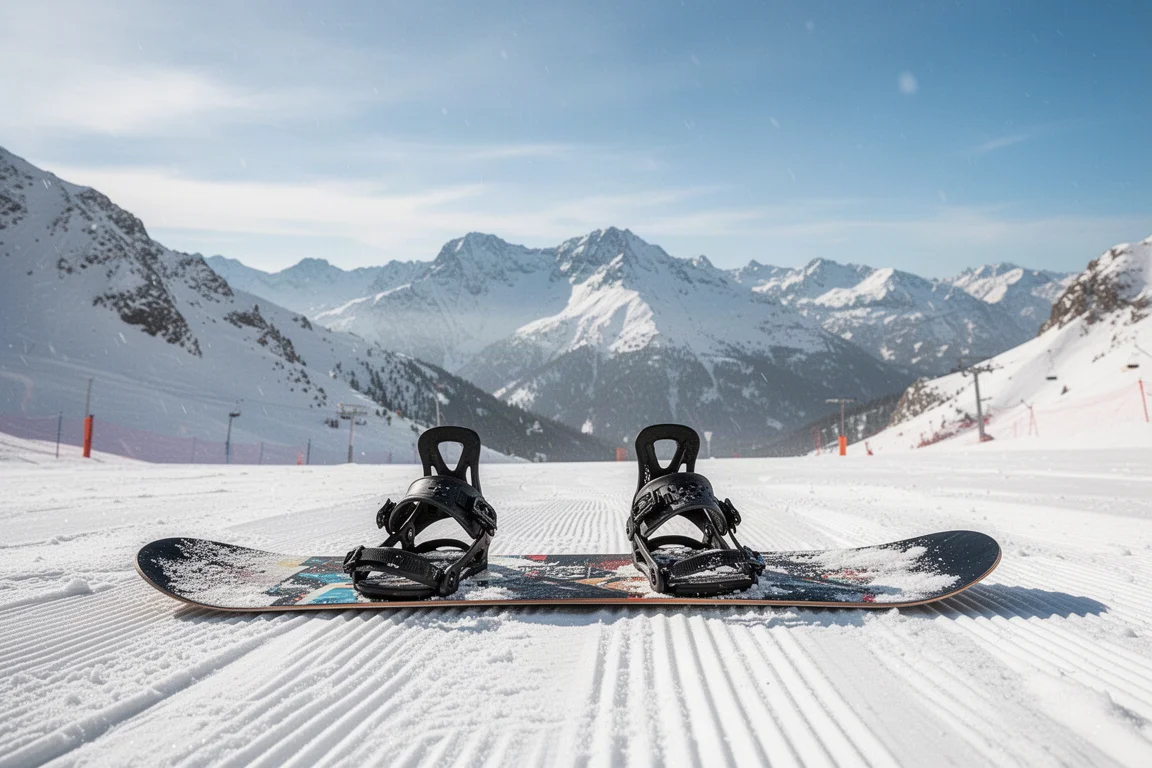
Through that range the Formula behaved the way a well-sorted binding should. Nothing about it demanded attention while riding, which is precisely the quality that makes it easy to recommend to riders who would rather concentrate on their line than on their hardware. It was paired with a Telos Mike Ranquet snowboard during testing.
Who the K2 Formula Is For
This is a binding aimed at the all-mountain freestyle rider. It suits someone who wants one setup that handles groomers, chopped-up terrain, and park laps without a change in behaviour, and who values predictability over a sharply specialised flex.
Riders cross-shopping in this category will likely weigh it against the Rome DOD, the Burton Cartel, and the Now Select Pro. All four sit in the same broad conversation about versatile, durable all-mountain bindings, and the Formula’s argument is that it removes complication rather than adding features.
It is also a reasonable fit for someone who has ridden the Formula before and wants a familiar feel. Riders who keep coming back to it tend to do so for the same reason: it straps in, it holds, and it behaves.
Adjustability That Centers the Boot
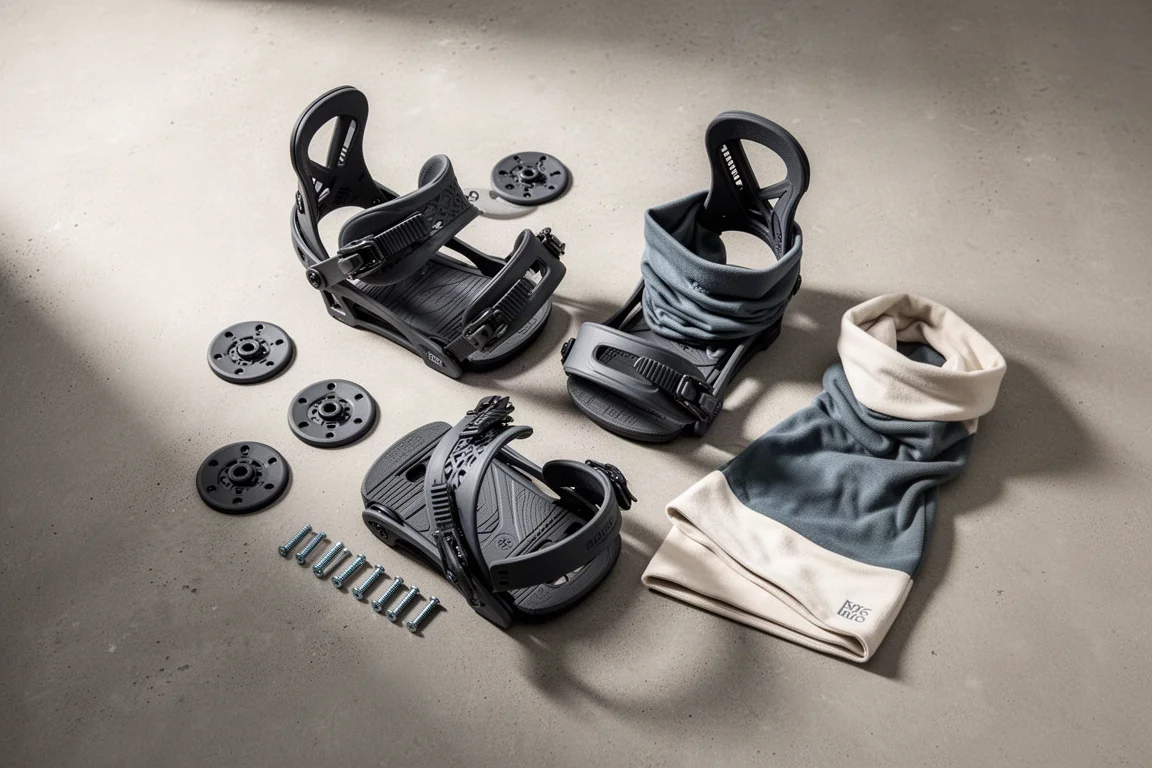
The Formula puts a lot of its adjustment into flip tabs rather than tools. On the heel and the toe, you pop the tab up, slide the strap forward or backward, and centre it over the boot. The toe strap adds a three-pin placement system: push it down, centre it, then pull it back up to lock it in place. There is also a separate adjustment on the toe strap that lengthens or shortens the lower section of the cutout, so the strap wraps a boot’s shape more accurately, whether that shape is blunt or pointed.
On the footbed, pop tabs let you slide the toe ramp forward or backward to centre it under the boot. On the side of the binding, twist tabs handle highback rotation and forward lean together, which combines two adjustments into one control.
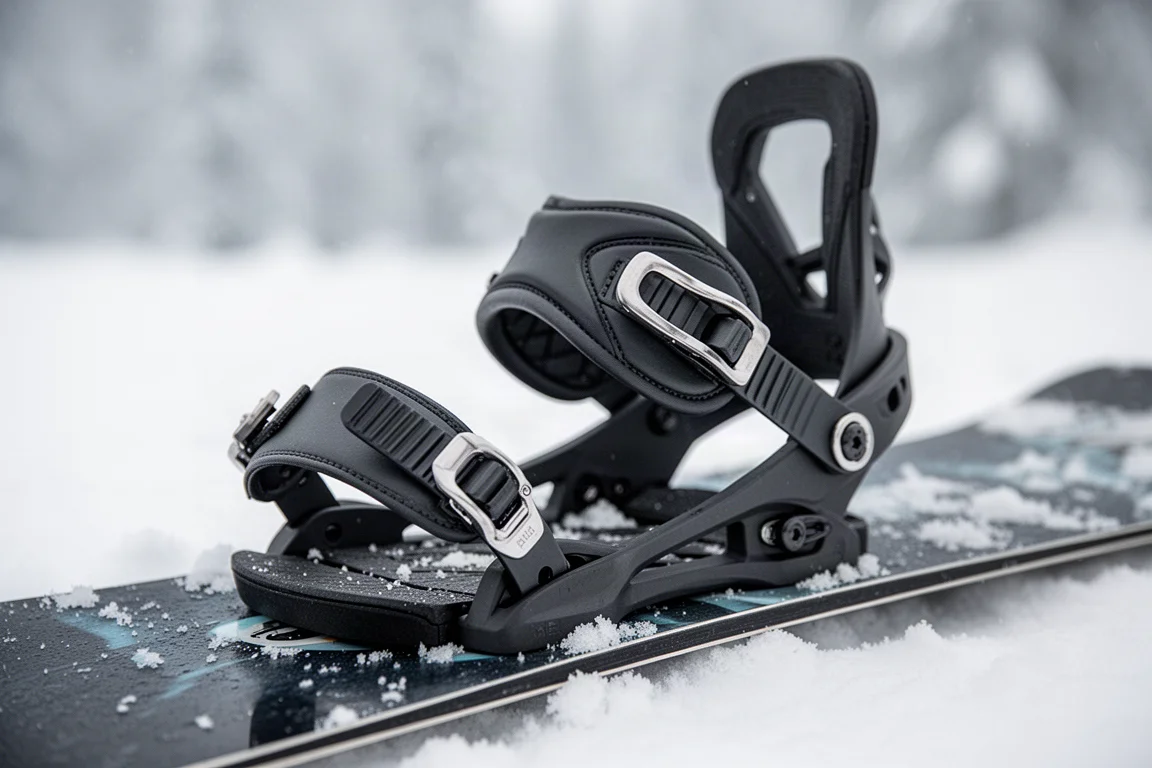
The practical benefit is that centring the straps and the ramp takes less trial and error than a fixed-position design. Getting the strap sitting exactly where it should over the boot is the difference between pressure points and a clean, even hold, and the Formula makes that easier to dial in.
Strap Design and the Hinged Heel Strap
The toe strap is a deliberately minimal design that uses less material than a conventional strap. Its lower section adjusts to lengthen or shorten the cutout so it follows the boot’s shape, which keeps the strap wrapping where it should instead of bunching or leaving a gap.
The heel strap is a multi-piece build with extra plushness worked into it, so it does not rely on the boot to supply all of the padding. Worth knowing: it will stretch and break in over time, so plan on readjusting it after the first stretch. The other notable detail is a hinge piece that lets the heel strap fall out of the way when you are strapping in. It sounds like a small thing, but it is the kind of feature you notice on every single run.
The ratchets use a one-finger quick release and work exactly as you would hope. They are easy to engage, they climb well, they stay locked in, and overall they feel solid.
Flex, Ride Feel, and Predictability
The Formula sits in the middle of the road as a workhorse flex. It can do a bit of everything. There is some lateral play built in, but not an excessive amount, and that measured give helps generate lateral drive rather than feeling vague. The straps flex where you need them to and still let you drive power into the binding.
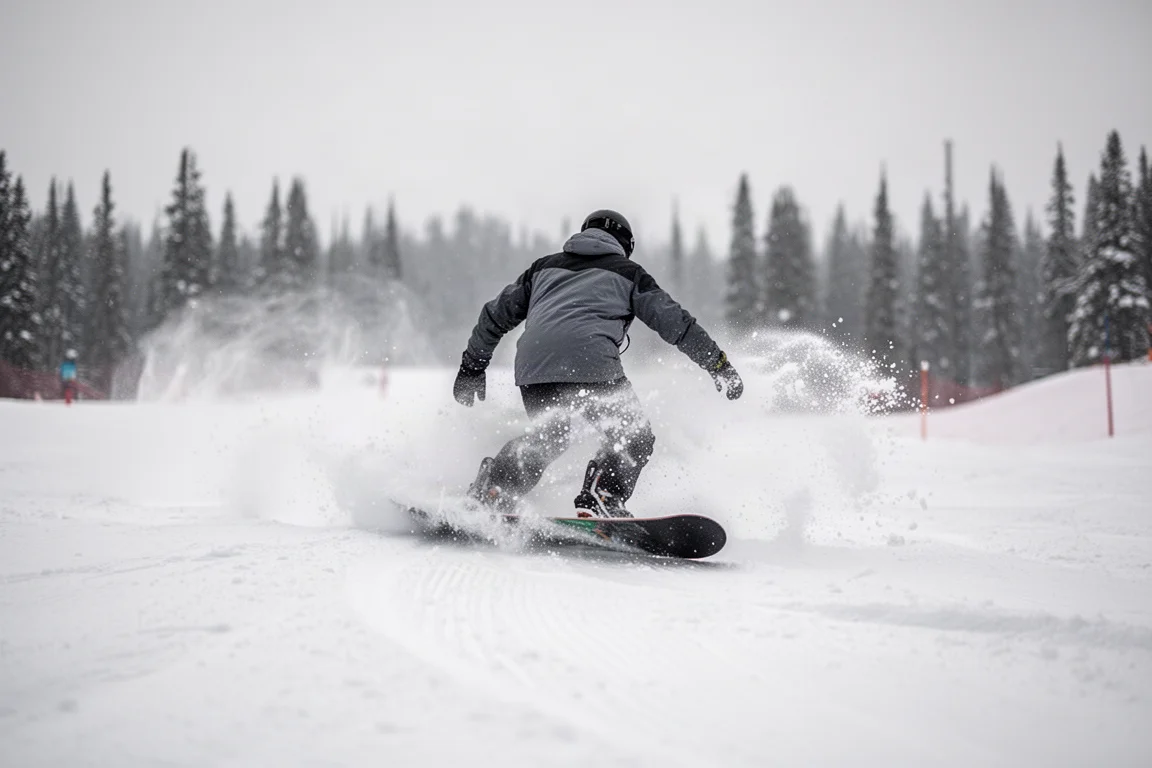
The ride is highly predictable. On a groomer it feels smooth. Point it into rougher, chopped terrain and you will pick up some vibration underfoot, but the binding stays consistent and you know what you are going to get from it. That consistency is the Formula’s strongest argument.
The highback is softer and slightly thinner on the outside toward the ratchet, and thicker and stiffer on the inside, which supports the drive of the binding. Forward lean has been moved off the back of the highback and onto the sides, combined with rotation. That two-in-one layout cuts weight and consolidates adjustments into fewer places, so there is less that can go wrong in multiple areas. The trade-off is that there is no on-the-fly forward lean change at the rear.
Things to Consider Before Buying
The most important consideration is canting. The Formula carries three degrees of canting in the footbed, and for some riders that is too much. It can push the knees inward, which is the single reason long-term fans have stepped away from the binding. A rider who is sensitive to canting, or who prefers a flat, zero-degree footbed, should weigh that carefully before committing.
Second, the heel strap will break in and stretch. Expect to readjust it once it has settled, and factor that into your first few days on snow.
Third, forward lean is adjusted on the sides rather than at the back of the highback. That is a deliberate simplification rather than an oversight, but riders who like to tweak lean mid-run will notice the change.
Finally, the ride is not completely isolated. On chundery, chopped-up snow you will feel some vibration through the footbed. It stays predictable, but it is not a damped, plush ride.
Buying Advice
Buy the K2 Formula if you want an all-mountain freestyle binding that straps in easily, holds securely, and behaves the same way regardless of what the mountain throws at you. It rewards riders who prefer to set a binding up once and then stop thinking about it.
If you are cross-shopping, the Rome DOD, Burton Cartel, and Now Select Pro are the natural comparisons in this space, and the right choice will come down to which flex profile and adjustment philosophy suits your riding. If you already know you dislike canting, or you have had knee issues that a flat footbed helped resolve, look carefully at that three-degree footbed before buying. For everyone else, this is a binding that does its job quietly and consistently.
Conclusion
The K2 Formula is not a binding that tries to win an argument with features. It wins by being predictable. The flip-tab strap centring, the three-pin toe placement, the hinged heel strap, and the solid one-finger ratchets all feed into the same idea: fewer things to think about, fewer things to go wrong. The three degrees of canting is the one genuine sticking point, and it is worth an honest look at your own preferences before you commit. Riders who get along with it tend to keep coming back to it for years, and that is about the clearest endorsement a workhorse binding can earn.
Product link
View more details for K2 Formula
This product is mentioned in the review. Check the specifications, options, and compatibility before buying.
View more details for K2 FormulaFurther reading
Related Reviews
Snowboard Bindings
2024 Union Ultra Snowboard Bindings Review: A Cushy, Freestyle-Focused Favorite
Two seasons on the 2024 Union Ultra: a lightweight, tweakable freestyle binding with standout comfort, a damp molecular bushing, and thoughtful hardware fixes.
Snowboard Bindings
32 Team Phase Binding Review: A Fast Entry Binding Built for Freestyle Laps
The first binding from 32 uses the Phase chassis for quick step-in entry with a softer, freestyle-leaning flex. Here's how it performed on the snow.
Snowboard Bindings
Arbor Cypress Snowboard Binding Review: A Laid-Back Cruiser That Can Charge
A closer look at the Arbor Cypress binding's adjustability, strap feel, and that oddly tall highback before you decide to buy.