Snowboard Bindings
K2 Formula Binding Review: A Solid Step Up for Progressing Riders
A forgiving, flex-friendly binding that suits intermediate snowboarders upgrading from entry-level gear, with easy setup and a damp, playful ride.
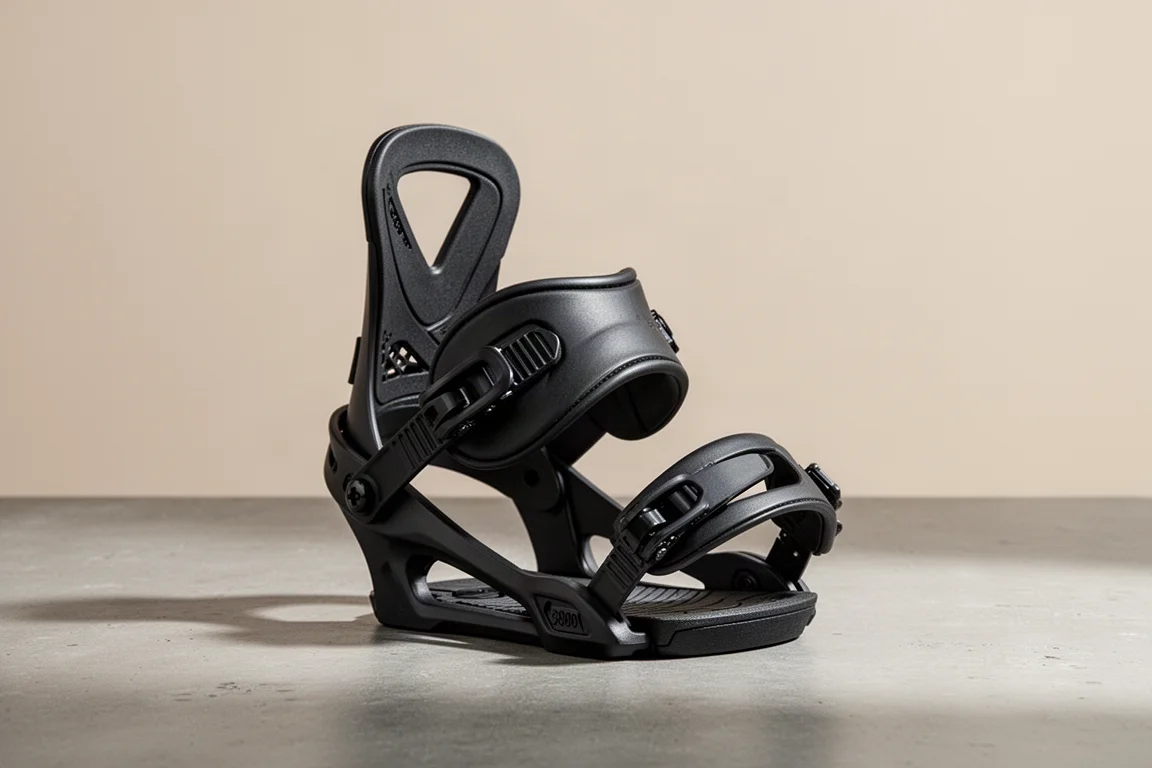
Introduction
The K2 Formula sits in that sweet spot most snowboarders eventually hit: past the hand-me-down beginner stage, but not yet ready or willing to pay premium prices for a stiff, aggressive binding. It is a straightforward, intermediate-focused binding with fewer moving parts than most, and that simplicity turns out to be one of its biggest strengths.
We rode it on a day that started as a frozen, brick-hard sheet of ice and softened into slushy mashed potatoes by noon. That range gave a good read on how it handles both crusty firm snow and soft, playful turns.
Who This Binding Is For
K2 positions this binding clearly: it is for the rider who is not a total beginner but needs to step up their setup. If you are progressing, riding a few days a month or a couple of days a weekend, and want something a bit more rigid than a classic floppy beginner binding, this fits. It gives you enough response to actually control a more capable board while keeping a playful, forgiving character so you are not locked in.
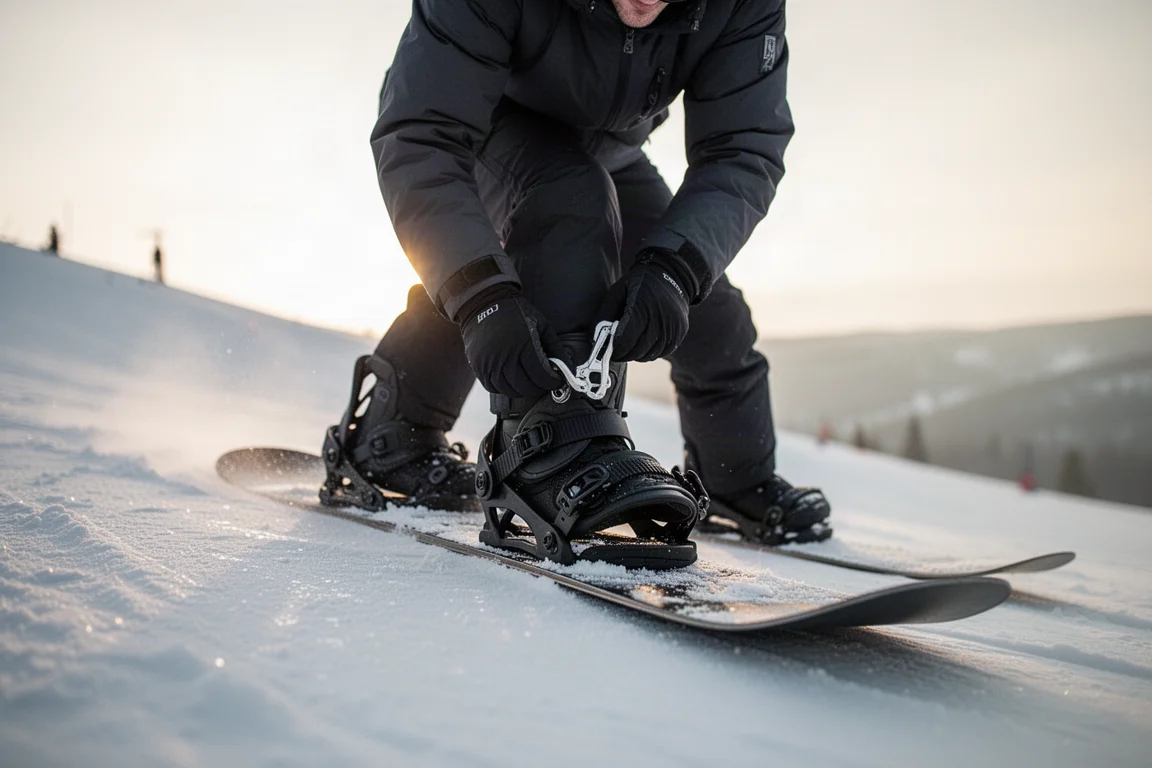
If your current bindings came from a friend’s closet or feel like they are holding your riding back, the Formula is aimed squarely at that upgrade moment.
Setup and Adjustability
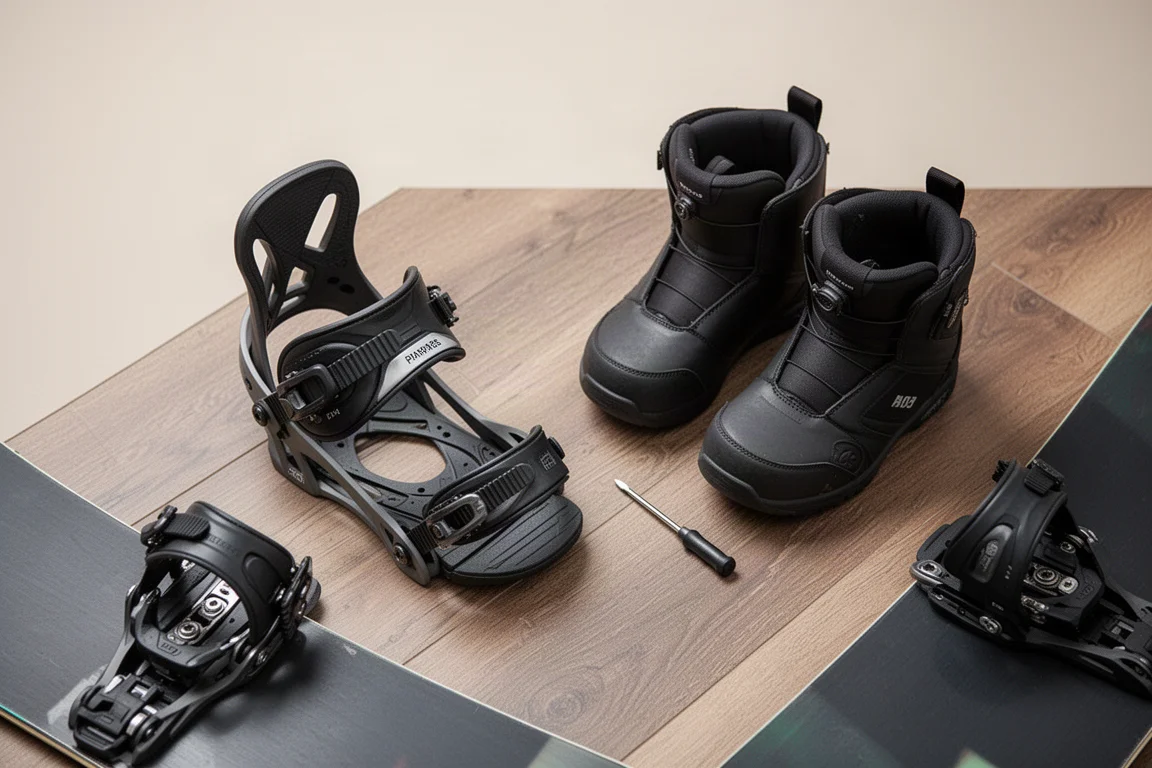
Setup was genuinely fast. Four screws per binding, and that is it. The whole process took under five minutes from unboxing to dialed, which is refreshing for anyone intimidated by a screwdriver.
Adjustability is self-explanatory and low on moving parts, which is a good thing. Both straps use a flip tab system: push down, slide, pull back up. The toe strap placement can move between over-the-toe and on-top positions depending on your boot. The ankle strap has a hinge that keeps the binding hanging open, so getting in and out is never a fumble.
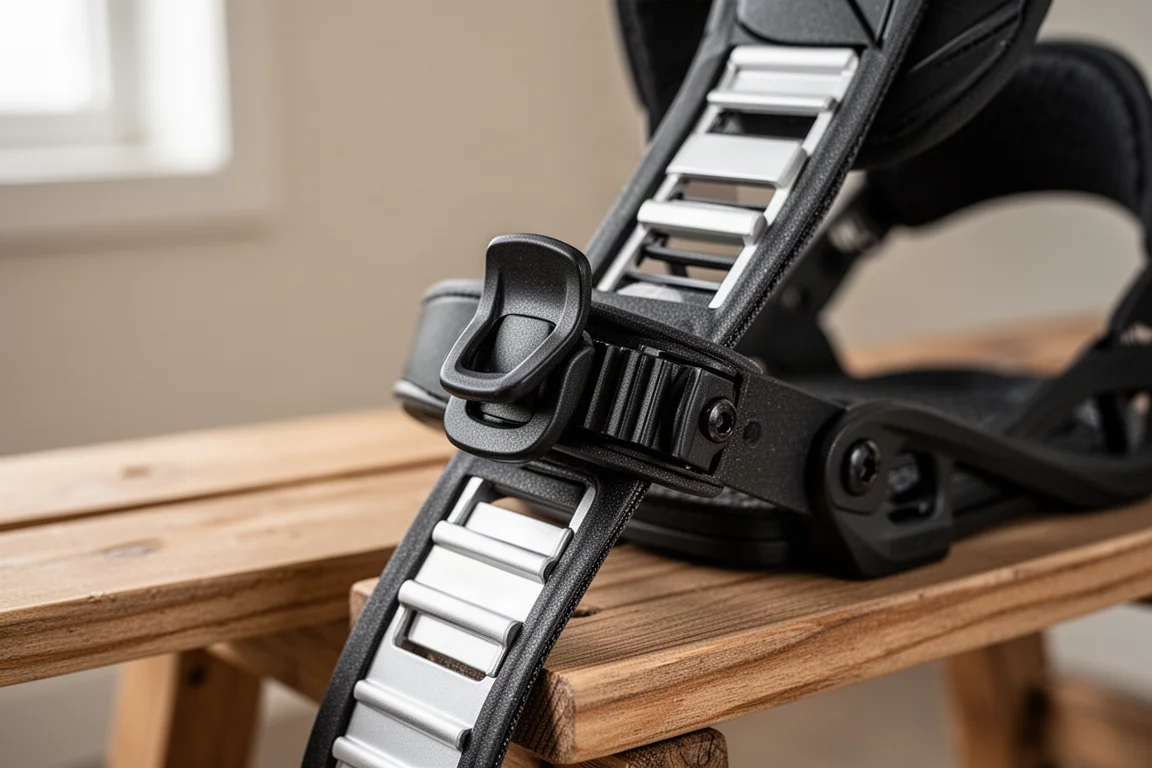
Centering happens via the disc underneath, with a bit of guess-and-check work; once you dial one side, just mirror it to the other. The forward toe ramp slides forward if you want to adjust it, though realistically you may never touch it. The highback offers three forward lean positions via flip tabs, and it can also be rotated, though the flat-at-stock setup is what most riders will want.
One quirk worth knowing: on the first run, ratcheting the ankle strap as tight as possible made it slightly sticky to release. After a few runs, that loosened up completely and there was no play in the ratchets afterward. Crank it down hard and you will get some pressure points from the narrow ankle strap; keep it in a comfortable cruisy setting and it is comfortable all day.
Straps and Highback
The ankle strap is notably low profile, tiny and narrow, molded and minimalist with no extra padding. It provides some support but rewards a moderate ratchet. The toe strap is the opposite: massive, molded, and grabby. It swallowed a square toe box with no issue and would likely work just as well over rounded boots.
The highback is a quiet highlight. It is not overly tall, has minimal padding, but sits flat against the boot, which pays off in butters, presses, and tweaked grabs. There is a bit of foam up top, so even if it sits slightly high on a shorter boot, it did not bite into the calf at any point. You do get some lateral play in the highback, so it is not a stiff, locked-in feel. If you need extra forward lean, the flip tabs handle it.
Flex and Ride Feel
The Formula leans toward flex rather than stiffness. The lower-profile straps and lateral play in the highback let you shift weight around, and the boot digs into a healthy amount of foam underfoot as you flex side to side. It is by no means the loosest binding out there, but it clearly favors a lively, playful character.
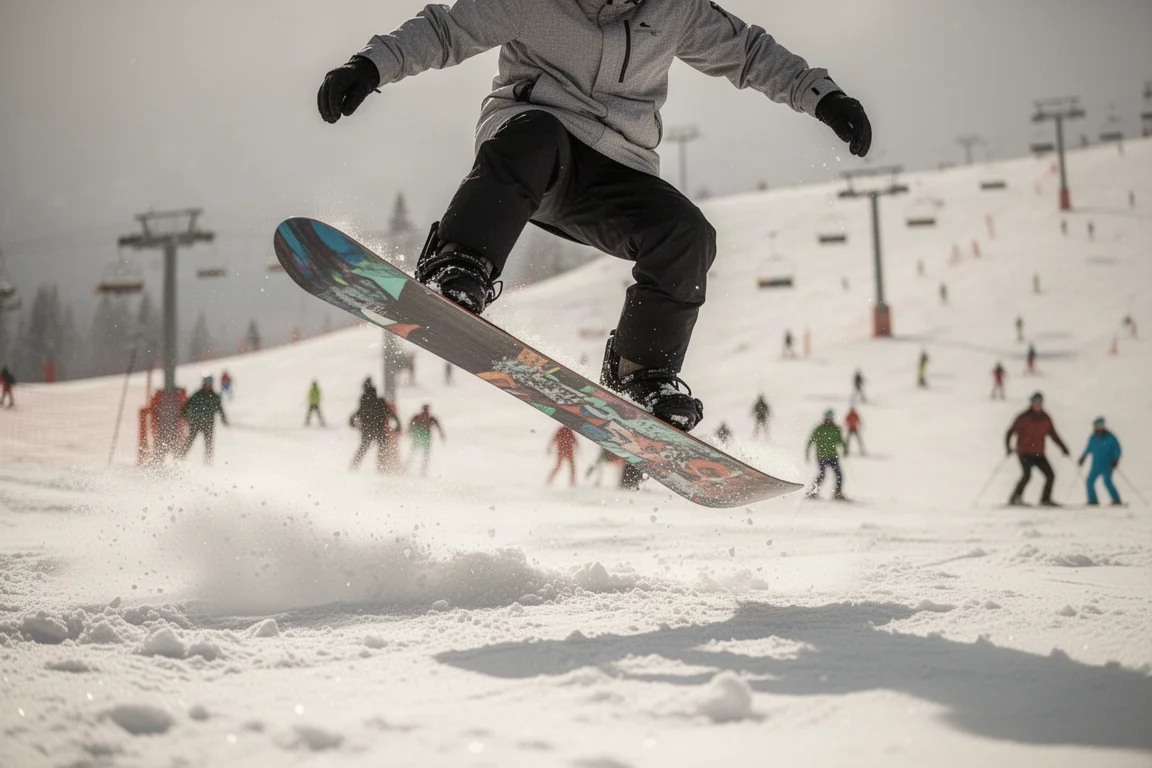
On dampness, there is plenty of foam underfoot but very little under the binding itself, just a bit at the heel. Flat landings get some help from that underfoot foam, and on the firm, crusty upper-mountain sections the binding did a genuinely good job of muting the chatter. You still feel the rough patches, just enough to know conditions are not great, not enough to make them punishing.
Buying Advice
If you are upgrading from baseline or hand-me-down bindings, the Formula makes a strong case. You get real response, a damp-enough ride for the price point, and a playful flex that keeps the fun intact. It is not the binding for aggressive experts who want a locked-in, stiff platform, but that is not who it is built for.
Comparable options worth researching include the Nitro 1, the Union Strata, and the Rome 390 Plus asymmetric. If none of those sound quite right, a little side-by-side comparison shopping will land you exactly the fit you want.
And if you would rather support a local shop, that route works too. Just know what you want when you walk in: an intermediate binding that is easy to set up, forgiving enough to grow with you, and priced so you are not breaking the bank.
Conclusion
The K2 Formula is a solid intermediate binding that surprised with how easy it was to set up and how well it balanced response with playfulness. The narrow ankle strap can create pressure points when over-tightened, and the ratchets need a run or two to loosen up, but neither is a dealbreaker. For progressing riders who want to stop fighting their gear and start riding more precisely without overspending, it hits the mark.
Product link
View more details for K2 Formula Binding
This product is mentioned in the review. Check the specifications, options, and compatibility before buying.
View more details for K2 Formula BindingFurther reading
Related Reviews
Snowboard Bindings
2024 Union Ultra Snowboard Bindings Review: A Cushy, Freestyle-Focused Favorite
Two seasons on the 2024 Union Ultra: a lightweight, tweakable freestyle binding with standout comfort, a damp molecular bushing, and thoughtful hardware fixes.
Snowboard Bindings
32 Team Phase Binding Review: A Fast Entry Binding Built for Freestyle Laps
The first binding from 32 uses the Phase chassis for quick step-in entry with a softer, freestyle-leaning flex. Here's how it performed on the snow.
Snowboard Bindings
Arbor Cypress Snowboard Binding Review: A Laid-Back Cruiser That Can Charge
A closer look at the Arbor Cypress binding's adjustability, strap feel, and that oddly tall highback before you decide to buy.