Snowboards
K2 First Light Review: A Soft, Forgiving Snowboard for New Riders
A women specific snowboard with a twin shape, flat camber, and a very soft flex. Here is who it suits, what it does well, and what to check before buying.
Introduction
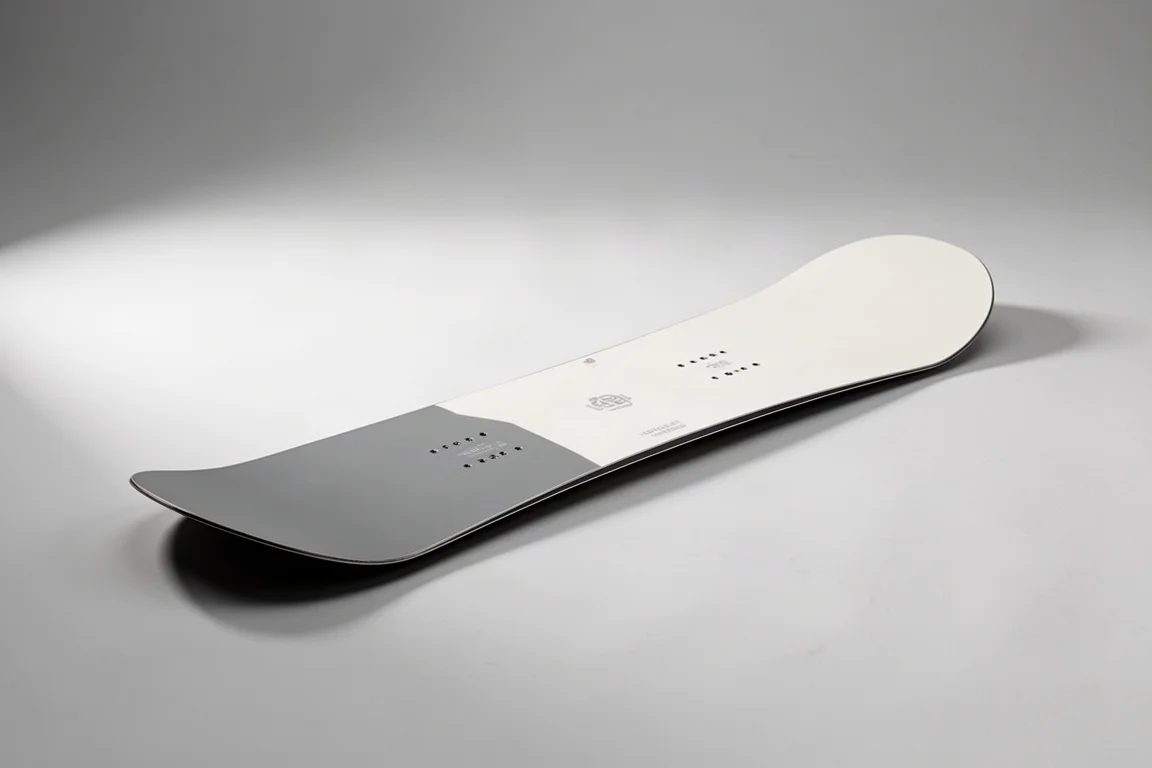
The K2 First Light is a women specific snowboard built around one clear goal: making the first seasons on a board feel easy rather than intimidating. It uses a twin shape with a centered stance, a flat camber profile with a flat base, and a gentle rise lifting the tip and tail off the snow. The flex is rated at 3 out of 10, which places it firmly in the soft end of the range.
That combination points to a board designed for comfort and quick progress, not for charging hard or chasing high speeds. If you are stepping into snowboarding for the first time, or you are a newer rider looking for something predictable to learn on, this is the kind of shape that lets you focus on technique instead of fighting the board.
Who the K2 First Light Is For
This board is aimed at women who are buying a first snowboard, or a second board after renting. The soft flex and forgiving profile mean it does not demand precise input. You can ride it at lower speeds, learn to turn, and build confidence without the board snapping back at you when your technique is still forming.
It also suits riders who want a clean, uncomplicated look. The topsheet design is restrained rather than loud, which is a small detail but one that matters if you plan to keep the board for several seasons.
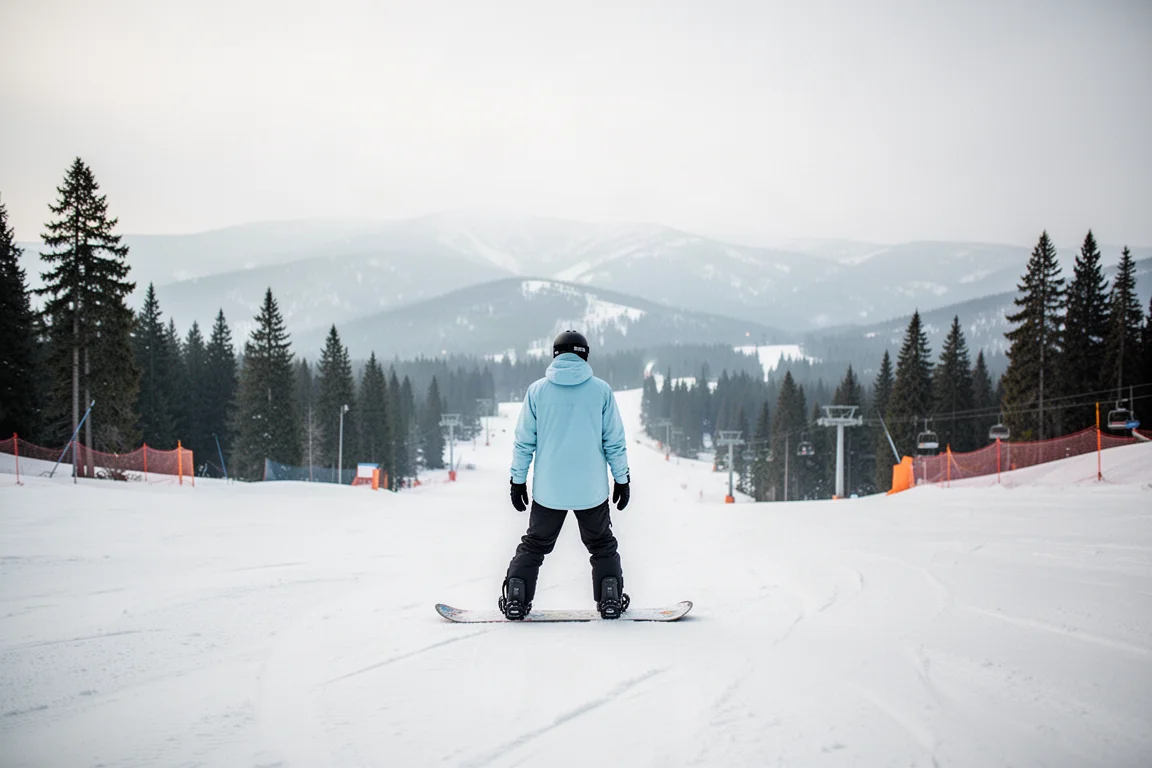
Because the flex is so soft, the board is most rewarding for lighter riders and for anyone who prioritizes ease over aggression. Riders who already ride at speed, hit jumps, or spend most of their time in deep powder will likely want something stiffer and more demanding.
Main Strengths
The standout quality is how approachable the ride feels. A soft flex combined with a flat profile means the board stays stable and predictable underfoot, which is exactly what you want while learning edge control and basic turns. It is not a board that punishes small mistakes.
The construction uses a glass layup, which keeps the board light enough to handle on lifts and in lift lines without feeling fragile. Paired with the soft flex, it gives the board a lively but manageable character that stays comfortable across a full day on the hill.
The twin shape and centered stance also mean the board rides the same in both directions, which simplifies things if you are still working out whether you prefer regular or goofy. There is no wrong way to point it.
Finally, the price point is reasonable for a dedicated women specific model. At around $429, it sits in a range that makes sense for a first serious purchase rather than a throwaway rental alternative.
Shape, Camber, and Flex
The profile is flat camber with a flat base and a slight rise out of the tip and tail. In practice, that means the board sits flat on the snow through the middle for stability, while the lifted contact points reduce the chance of catching an edge when you are not perfectly balanced. For a newer rider, that is a meaningful safety margin.
The flex rating is listed as 3, though the board feels slightly firmer than that when flexed by hand. That small gap is worth knowing: it suggests the board is soft but not lifeless, and it should still hold up as your skills improve rather than feeling like a noodle after one season.
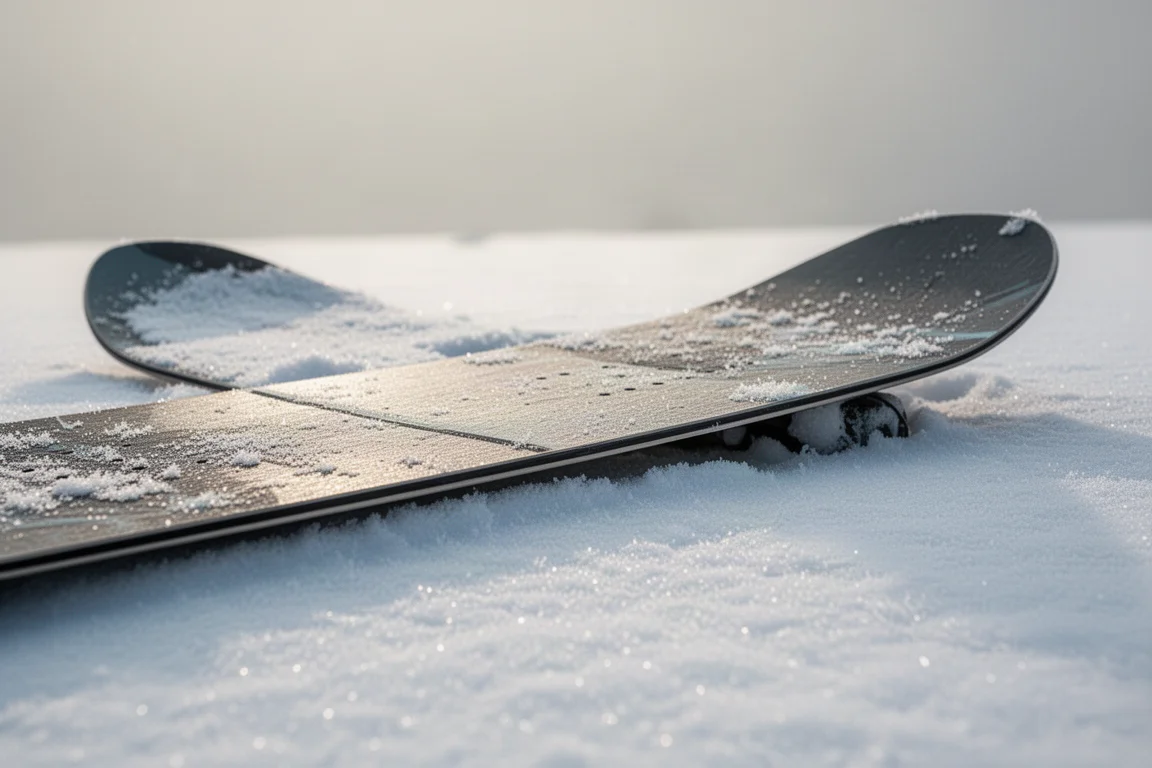
The twin shape keeps the nose and tail symmetrical, which supports the centered stance. That centered setup is a design choice rather than a limitation, because the board can be adjusted to suit a different riding style.
Things to Consider Before Buying
The centered stance is the detail most worth thinking about before you commit. A centered position is neutral and easy to ride, but it is not the only option, and some riders prefer a slightly setback stance for better float and a more directional feel.
The good news is that this is adjustable. Moving your bindings back by one full insert pattern changes the board’s character noticeably, giving it a different balance point and a more directional ride. If you find the centered setup does not suit you, you have a straightforward fix without buying a different board.
The other consideration is flex. A soft board is excellent for learning, but it offers less support at higher speeds and less pop for freestyle riding. If your goals lean toward aggressive riding, this is a board to grow out of rather than grow into.
Terrain and Conditions
This board is at its best on groomed runs and softer snow at moderate speeds. The flat profile and soft flex make it easy to roll from edge to edge, which is ideal for the wide, gentle terrain where most riders spend their first seasons.
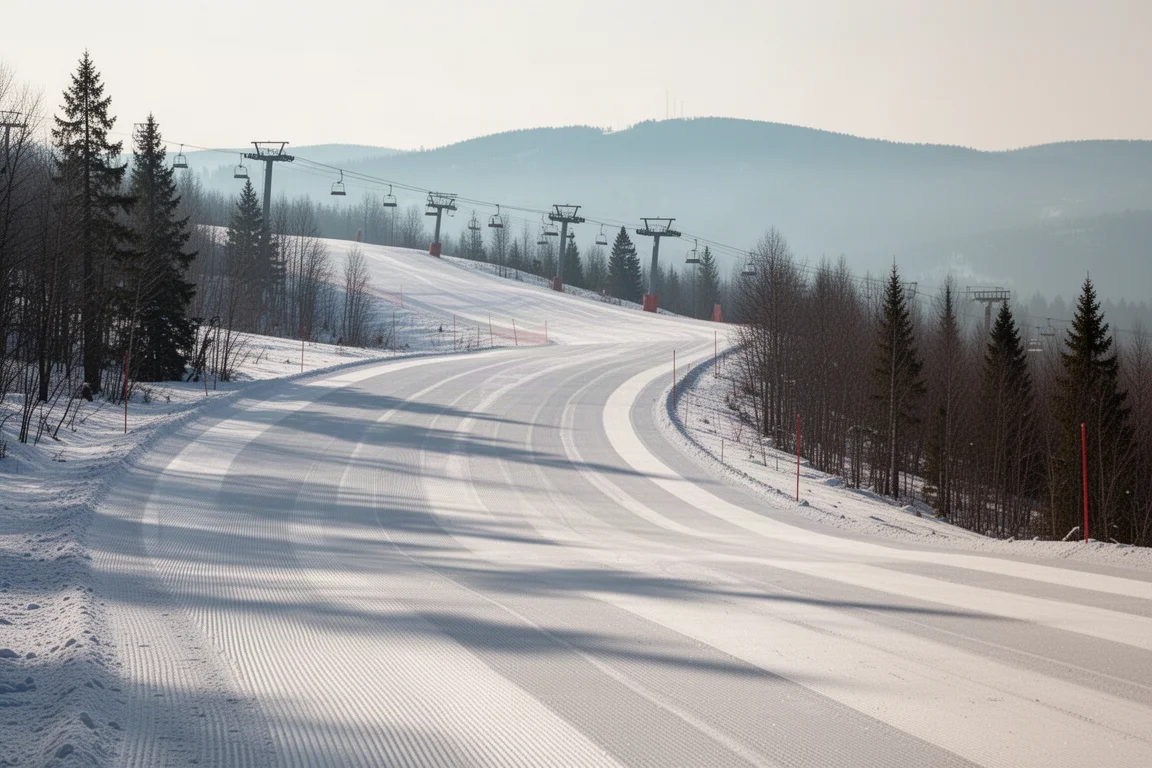
In firmer or icier conditions, the soft flex and flat profile give up some grip compared with a stiffer, more cambered board, so it is not the tool for chasing precision on hardpack. In deeper snow, the twin shape and centered stance offer less float than a directional board, though setting the stance back helps.
For a rider whose days are mostly spent on groomers, learning turns, and building mileage, the trade-offs are minor and the ease of use is the bigger story.
Who Might Want a Different Board
If you are an experienced rider looking for something to charge on, a stiff directional board will serve you better. The same applies if you ride mostly in powder, where a tapered or setback shape makes a real difference, or if you spend your time in the park and need more pop and rebound.
The First Light is not trying to be everything. It is a soft, friendly board with a clean look, and it does that job well. Knowing that upfront makes the decision easier.
Buying Advice
At around $429, the K2 First Light is priced as a genuine first board rather than a compromise purchase. If you are coming off rentals and want something you can learn on without worrying about the board fighting you, this is a sensible place to start.
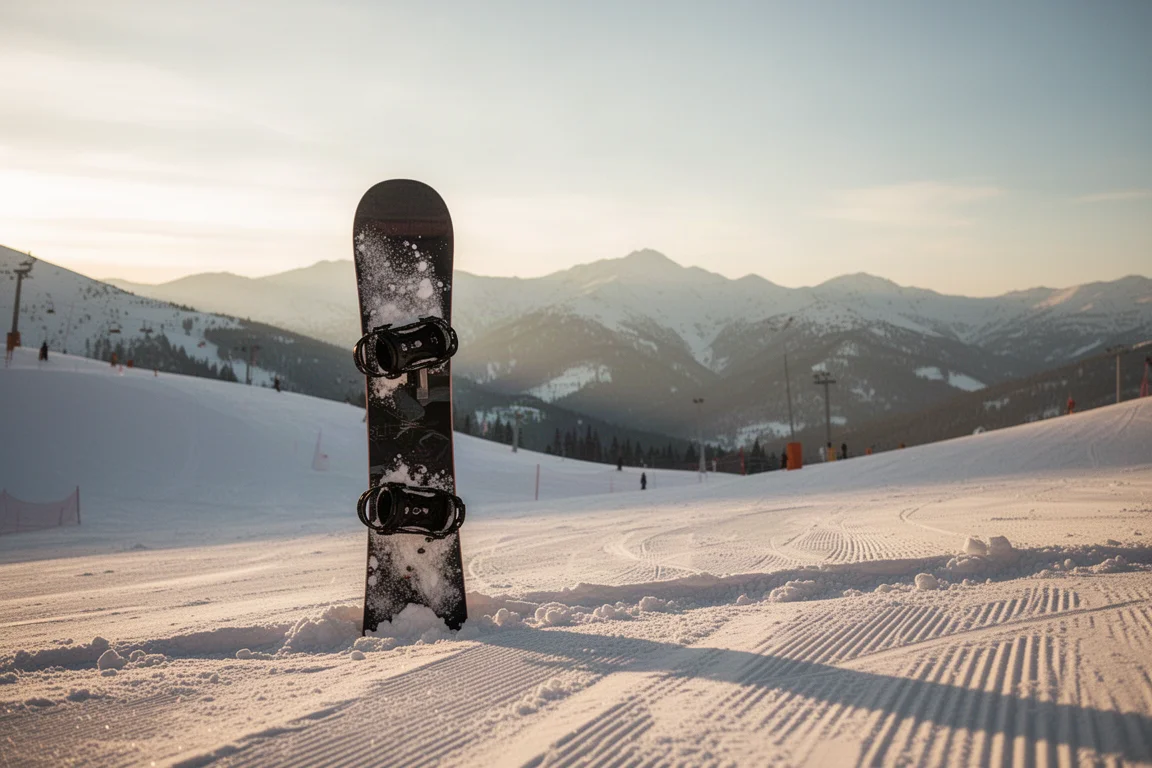
Two practical points before you buy. First, choose a size that matches your weight and boot size rather than guessing, since a soft board that is too long will feel sluggish and one that is too short will feel unstable. Second, plan on experimenting with your stance. Start centered, then try moving back one insert pattern if you want a more directional feel. That single adjustment can reshape how the board rides.
Conclusion
The K2 First Light is a soft, twin shaped, women specific snowboard with flat camber and a clean, understated look. Its strengths are ease of use, predictable behavior, and an accessible price. Its limits are the same as any soft board: less support at speed, less float in powder, and less pop for freestyle.
If you are a newer rider who wants to build confidence on groomed runs, it is a straightforward and low risk choice. If you already ride hard, look at something stiffer and more directional instead.
Product link
View more details for K2 First Light
This product is mentioned in the review. Check the specifications, options, and compatibility before buying.
View more details for K2 First LightFurther reading
Related Reviews
Snowboards
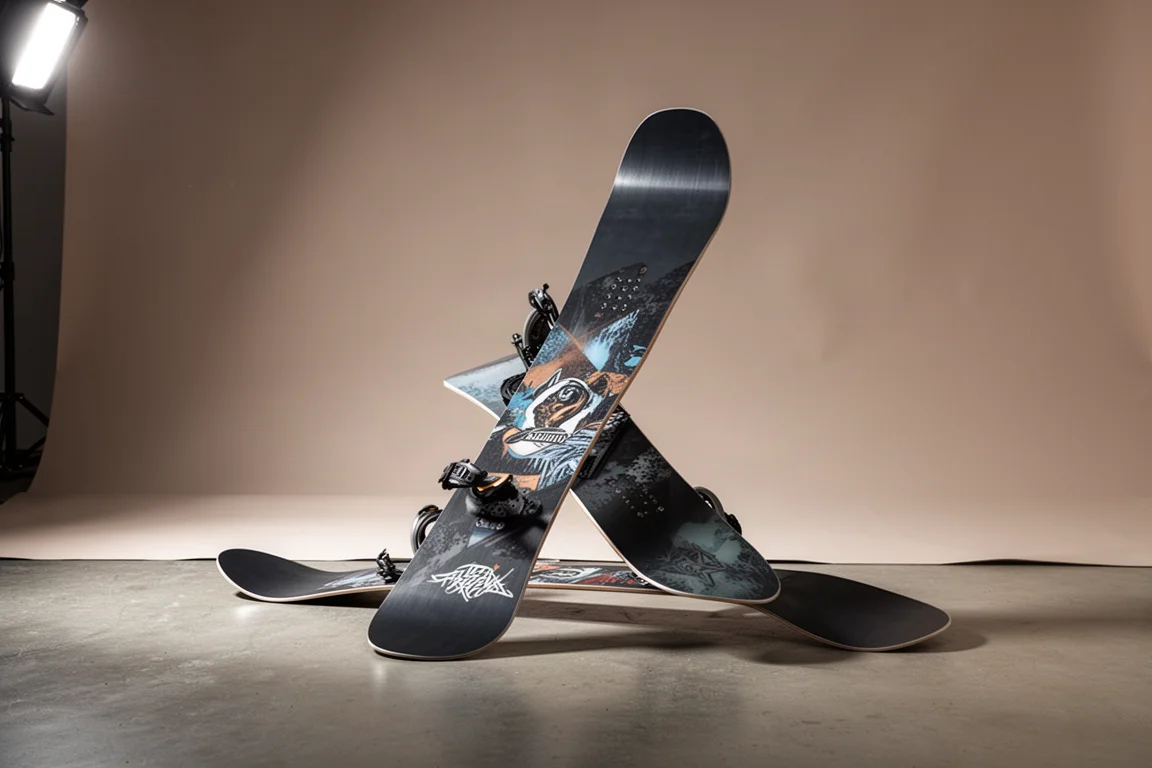
32 Middle Earth Scott Stevens Pro Model Snowboard Review: A Park Board With a Reversed Flex
A medium traditional camber park board with carbon V reinforcement that is stiffer in the tips and more playful between the feet. Here is how it rides and who it suits.
Snowboards
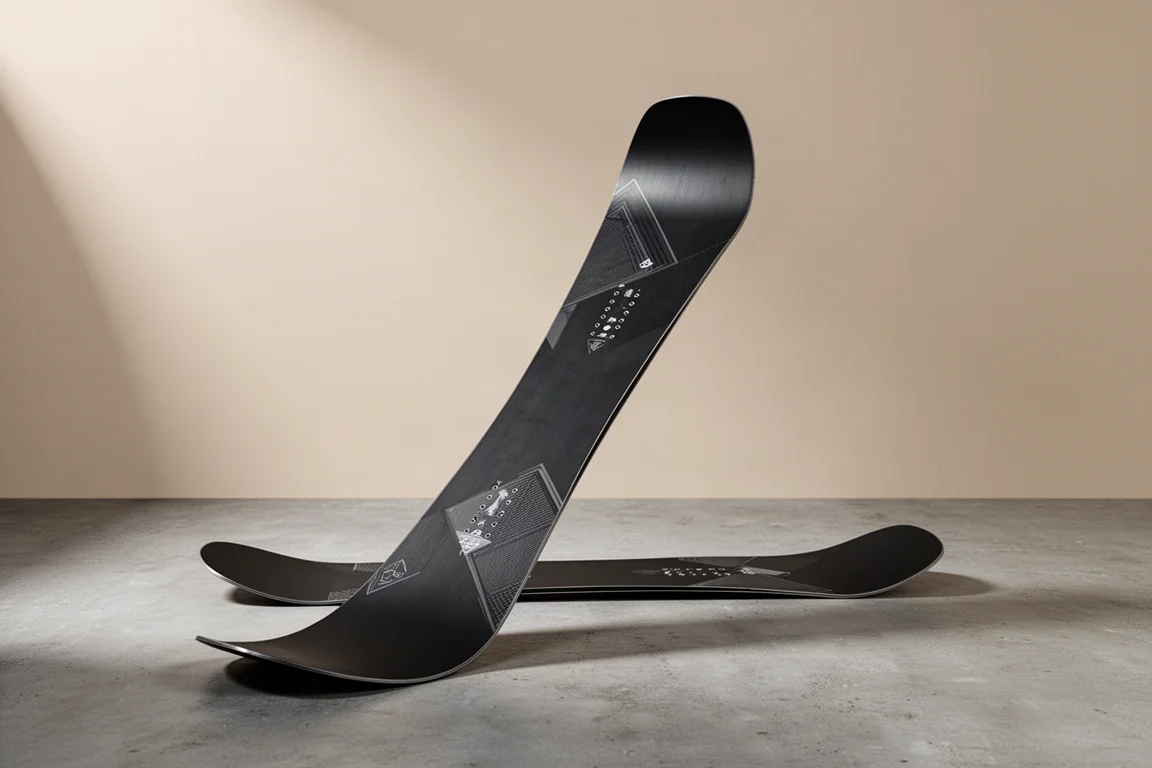
32 Snafu Review: A Directional All-Mountain Freestyle Board with Serious Pop
The 32 Snafu pairs a directional camber-rocker profile with a stiffening tail for powerful carves, big ollies, and a surprisingly damp ride.
Snowboards
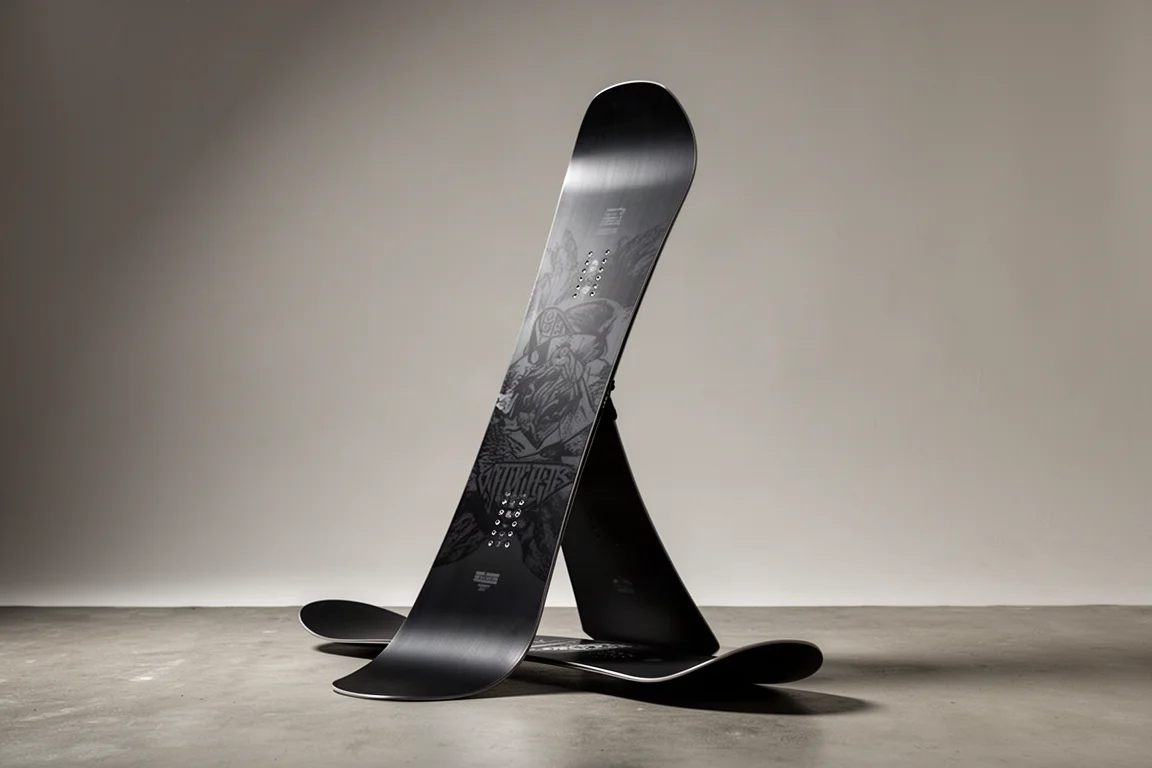
32 XXX Pat Fava Pro Snowboard Review: A Stiff Camber Beast for Hard-Charging Riders
A full-width traditional camber deck that rewards aggression with stability and edge power, but demands effort everywhere else.