Snowboard Bindings
K2 Bond Binding Review: A Do-It-All Binding That Keeps Things Simple
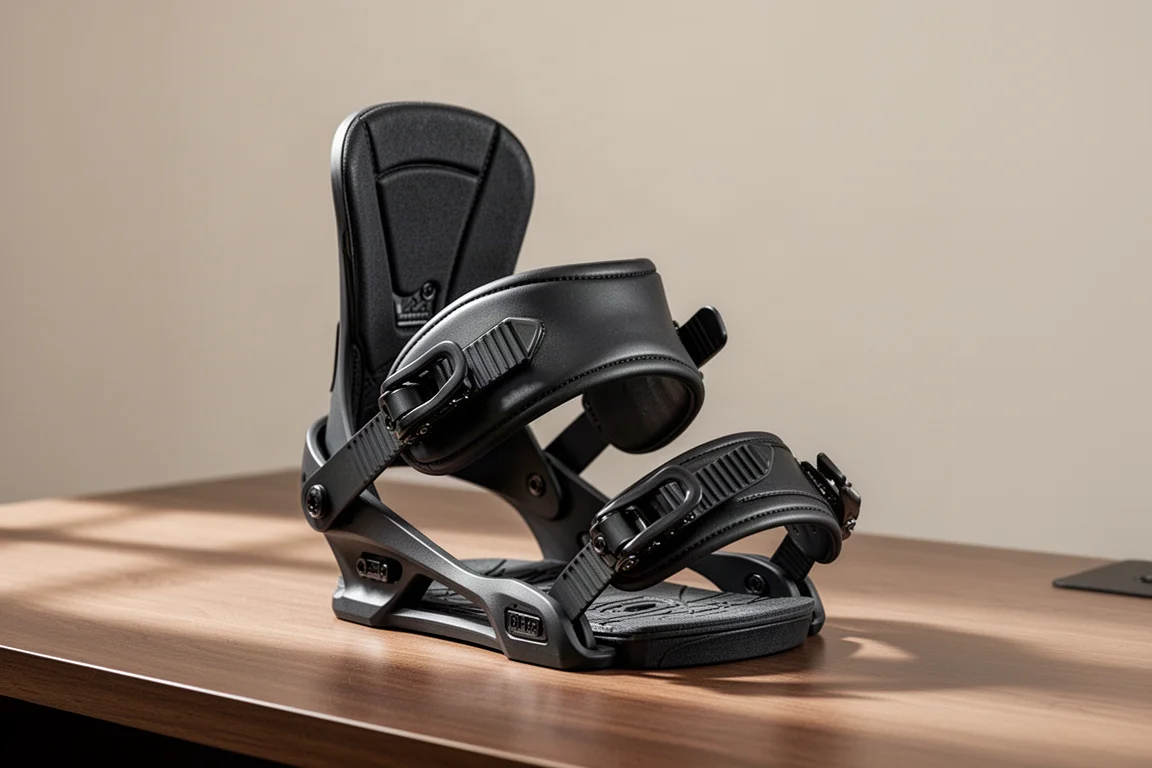
The K2 Bond is a medium-flex, all-mountain binding with solid straps, good dampening, and wide adjustability without a pile of extra bells and whistles.
Introduction
The K2 Bond sits in a familiar spot in the binding market: it is not flashy, it is not stuffed with carbon or exotic materials, and it does not pretend to be. What it offers instead is a well-rounded, medium-flex binding with genuinely useful adjustability, solid straps, and a damp, comfortable ride. Riding it on everything from soft morning snow to firm, wind-scoured groomers, it proved to be exactly what it aims to be: a dependable all-rounder you can move between boards without a second thought.
Who This Binding Is For
The obvious buyer for the Bond is someone with an extensive quiver of boards who wants one binding to do everything. If you want a single binding that fits a freeride deck and then moves down to something more playful, swapping across many different board styles while staying fun, this is the kind of binding that handles that job. It is a solid “meat and potatoes” binding: no wild claims, just consistent performance across setups.

Adjustability
This is where the Bond quietly earns its keep. Everything is straightforward and self-explanatory, so setup does not take long:
- The straps use a flip tab system: flip it, set it, forget it.
- The toe strap is push-pull adjustable. Push down, slide it forward or back, pop the foam pad back in, and you can run it over the toe or on top.
- The heel strap position can be changed by unscrewing the anchors, no screwdriver needed, and sliding it into the rear position if you want it to sit slightly higher.
- The highback rotation is adjustable if you like a rotated stance, though it requires loosening both sides and re-centering.
- The forward lean adjustment sits at the back of the highback: flip it down, slide it, pop it back in. One warning worth repeating: do not spin it, or it will break.
- Centering is handled through the regular-size disc underneath, with plenty of hole positions. If the binding sits heel heavy, slide it forward and you are done.
- There is also a toe ramp adjustment: pop out both sides, slide it forward or back.
Straps and Entry
The straps are one of the stronger points here. The ankle strap is not molded, but it uses a firmer rubber that provides plenty of support, with an added exoskeleton on the outside for extra rigidity. That means you get a decent amount of lateral play, but heel-to-toe you are extremely locked in.
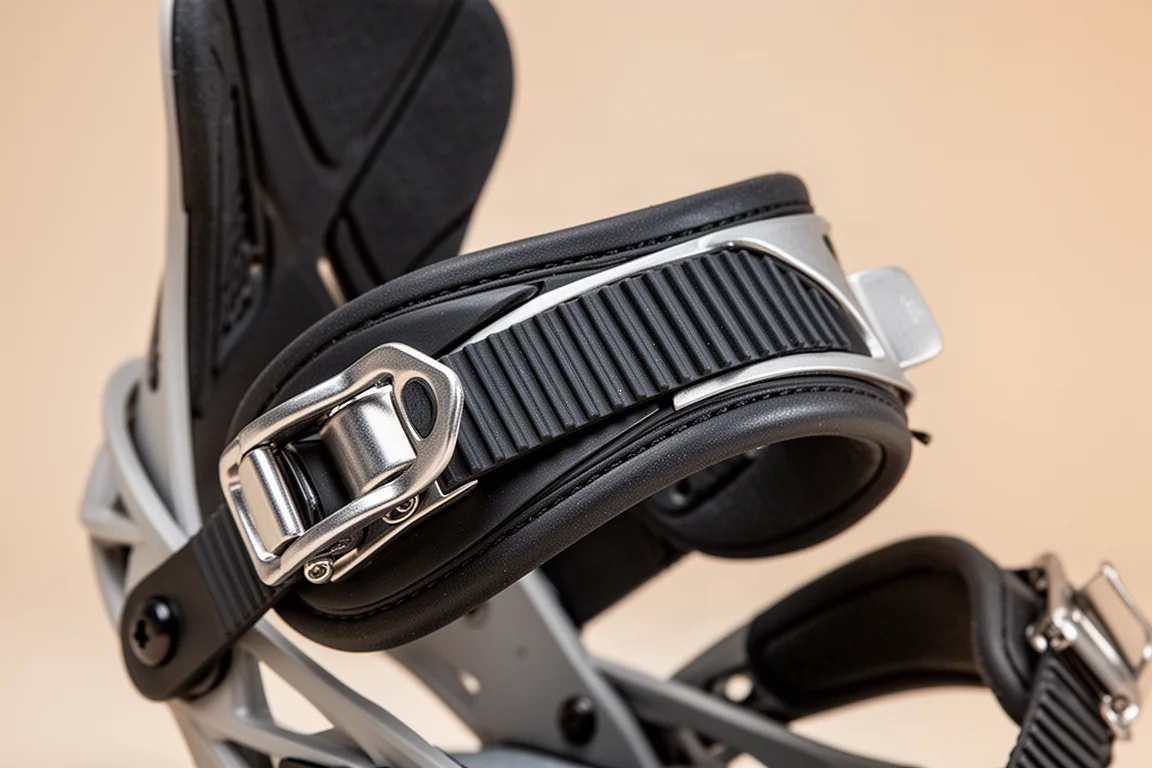
A small hinge system lets the straps hang wide open when you are getting in and out, which makes entry easier. The toe strap is a large, fairly separated piece that fit a square toe box well with zero slippage, and if it does not suit a rounded toe box, you can simply flip it up over the toe instead.
The ratchets feel solid, with zero side-to-side play, so none of the energy you put into cranking them down is wasted. One honest caveat: the release levers are on the shorter end, so fresh out of the box the bindings can feel a bit sticky and slightly hard to release, especially if you crank them down as tight as possible. The good news is that as they wear in over the day, they release noticeably easier and the stickiness largely goes away.
Highback and Response
There is not much padding on the highback, and honestly you do not need it. It sits short enough that there was no boot bite, and it cradles the boot nicely. A bit of padding lower down protects your boot as you slide in and out. Expect a little wear at the back over time, but nothing significant.
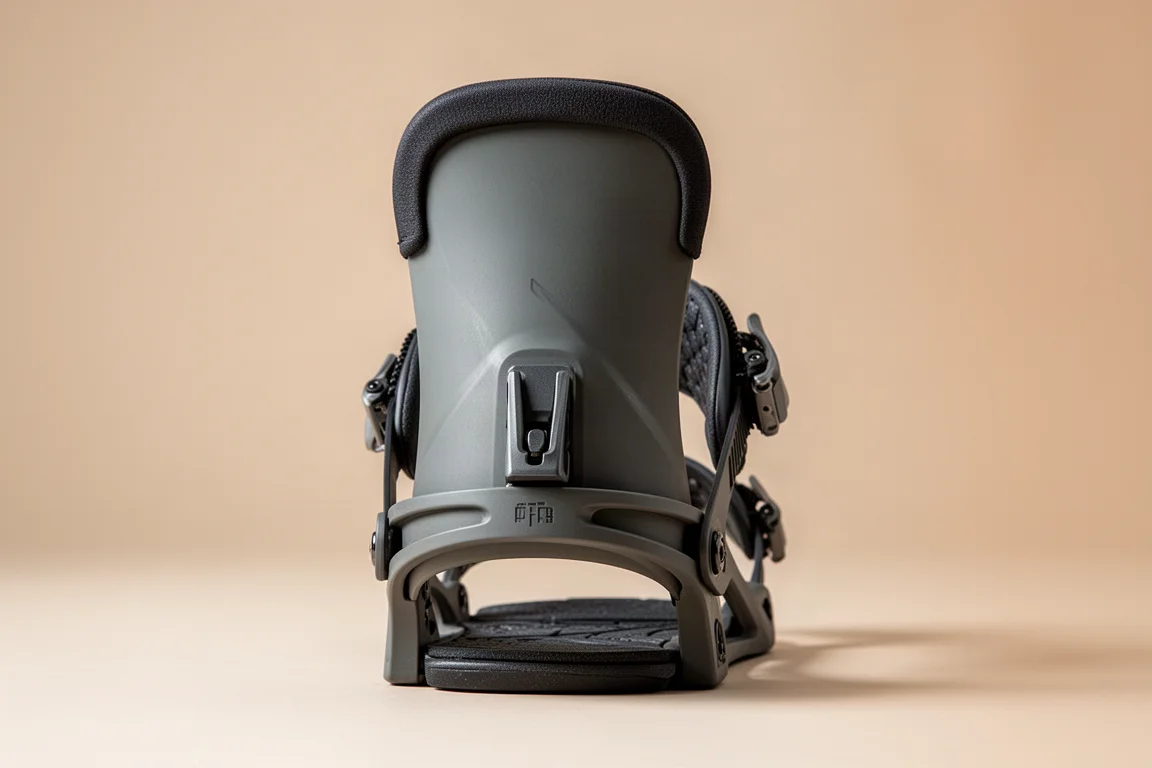
In terms of rigidity, torsionally the highback allows some play, so you are not working hard to tweak or grab. Heel to toe, though, it provides a nice, responsive feel. Combined with the forward lean adjustment, that gives the Bond more authority than its unassuming look suggests.
Overall Flex
The Bond feels more rigid than it used to. Where the earlier impression was soft and loose, the current version has a medium side flex: you feel locked in, but you still get lateral tweak and play for presses and jibbing. The foam underneath the binding lets the board flex fairly freely. It is not quite the freedom you get with a mini disc setup, but it is a good board flex for a binding at this level.
Ride Feel and Dampening
The ride is noticeably damp. It will not be the dampest binding on the market, but it cuts chatter down really well. On firm, wind-blasted groomers at the top of the mountain, the frozen snow and crust were audible through the board, but that vibration was not reverberating up through the feet. It is a comfortable ride: not dead, not crazy lively, just well controlled.
Things to Consider Before Buying
- The release levers are short and can be sticky when the bindings are new or when cranked extremely tight. They break in quickly.
- There are no high-end extras like carbon construction here. If you want premium materials and gimmicks, look elsewhere.
- The highback rotation is adjustable, but if you are not already committed to a rotated stance, you will not miss it.
Comparable Bindings
If the Bond does not fully convince you, comparable options to research include the Union Force Team, the Battalion Blaster Phase, and the Nitro Team binding. All sit in a similar all-mountain, do-everything space.

Buying Advice
For most riders, the Bond makes sense because it costs less than a lot of the flashier options without giving up real response or performance. It has good straps, solid dampening underfoot, and lets the board flex naturally. If your plan is to buy one binding and put it on any board you own, this is an easy recommendation.
Conclusion
The K2 Bond is better than it needs to be. It is more responsive and more damp than earlier versions, it adjusts in every way a normal rider will ever need, and it works across an entire board quiver. It does not have fancy bells and whistles, and that is the point: a dependable binding that gets the job done, at a price that leaves some money in your pocket.
Product link
View more details for K2 Bond
This product is mentioned in the review. Check the specifications, options, and compatibility before buying.
View more details for K2 BondFurther reading
Related Reviews
Snowboard Bindings
2024 Union Ultra Snowboard Bindings Review: A Cushy, Freestyle-Focused Favorite
Two seasons on the 2024 Union Ultra: a lightweight, tweakable freestyle binding with standout comfort, a damp molecular bushing, and thoughtful hardware fixes.
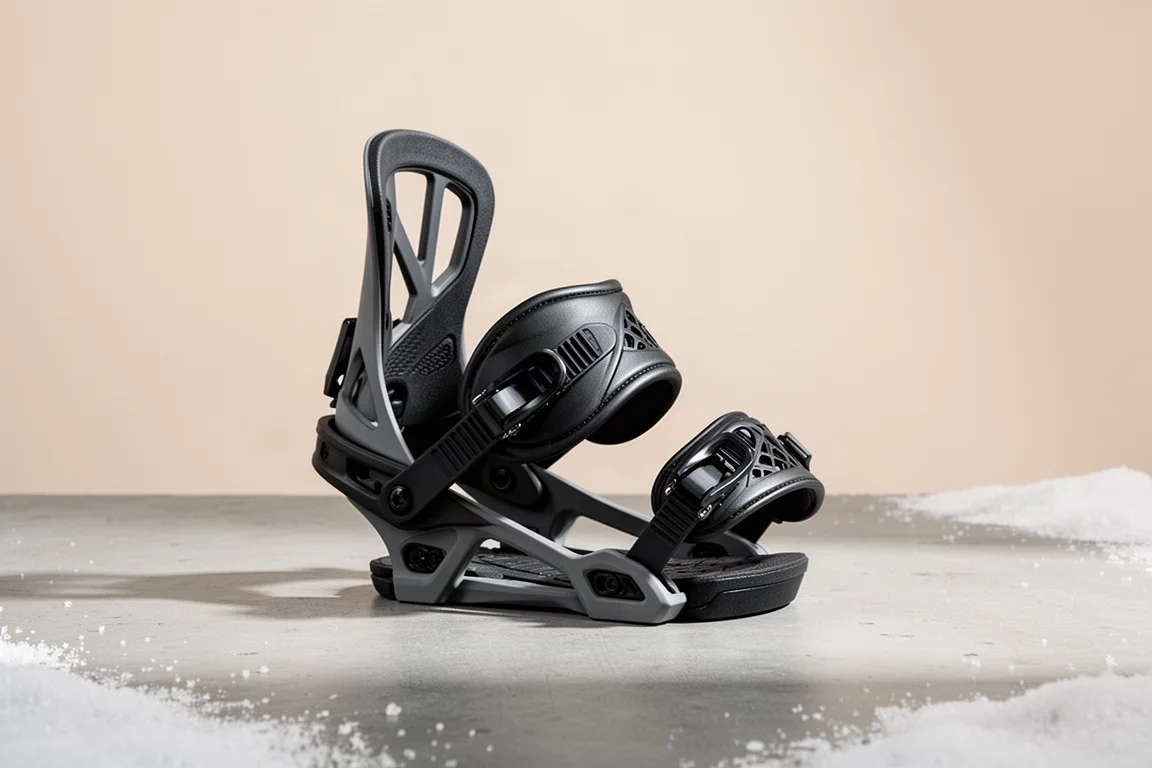
Snowboard Bindings
32 Team Phase Binding Review: A Fast Entry Binding Built for Freestyle Laps
The first binding from 32 uses the Phase chassis for quick step-in entry with a softer, freestyle-leaning flex. Here's how it performed on the snow.
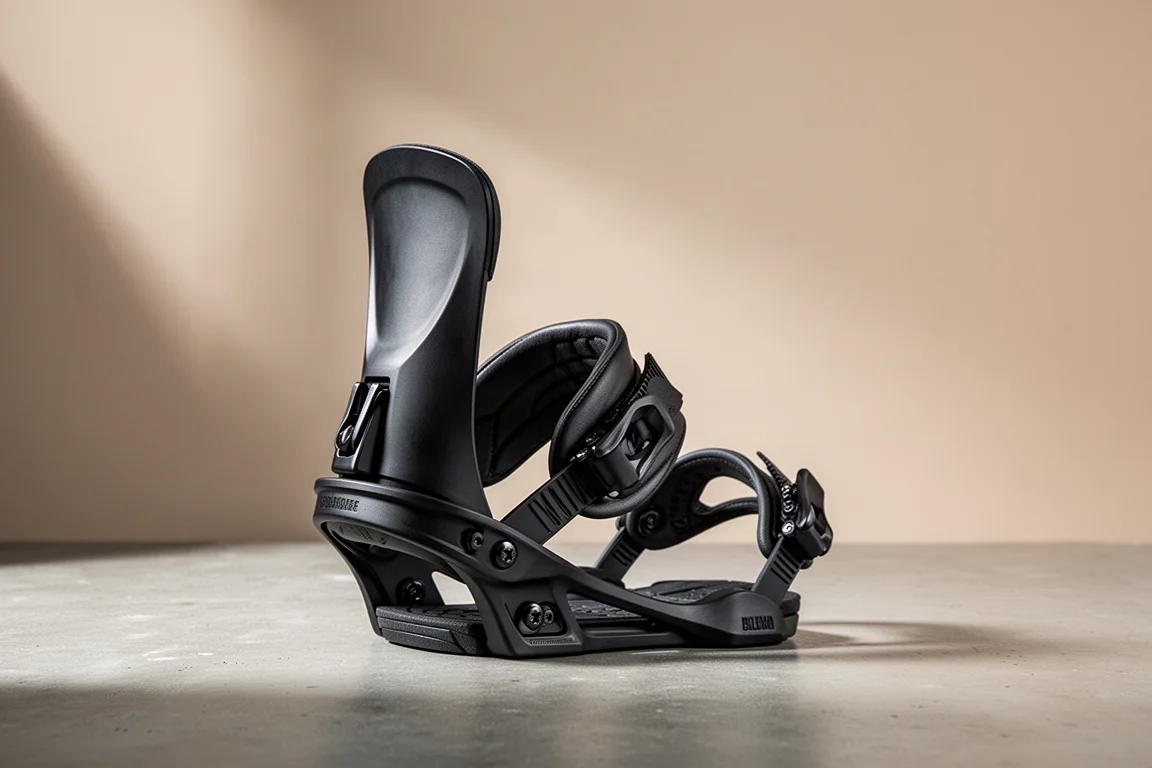
Snowboard Bindings
Arbor Cypress Snowboard Binding Review: A Laid-Back Cruiser That Can Charge
A closer look at the Arbor Cypress binding's adjustability, strap feel, and that oddly tall highback before you decide to buy.