All-Mountain Skis
K2 Blur XT Review: A Carving-Focused All-Mountain Ski for Firm Snow
The K2 Blur XT pairs an 83 mm waist with an aspen core and K2's H-shaped metal frame. Here is how it carves, where it works best, and what to weigh before buying.
Introduction
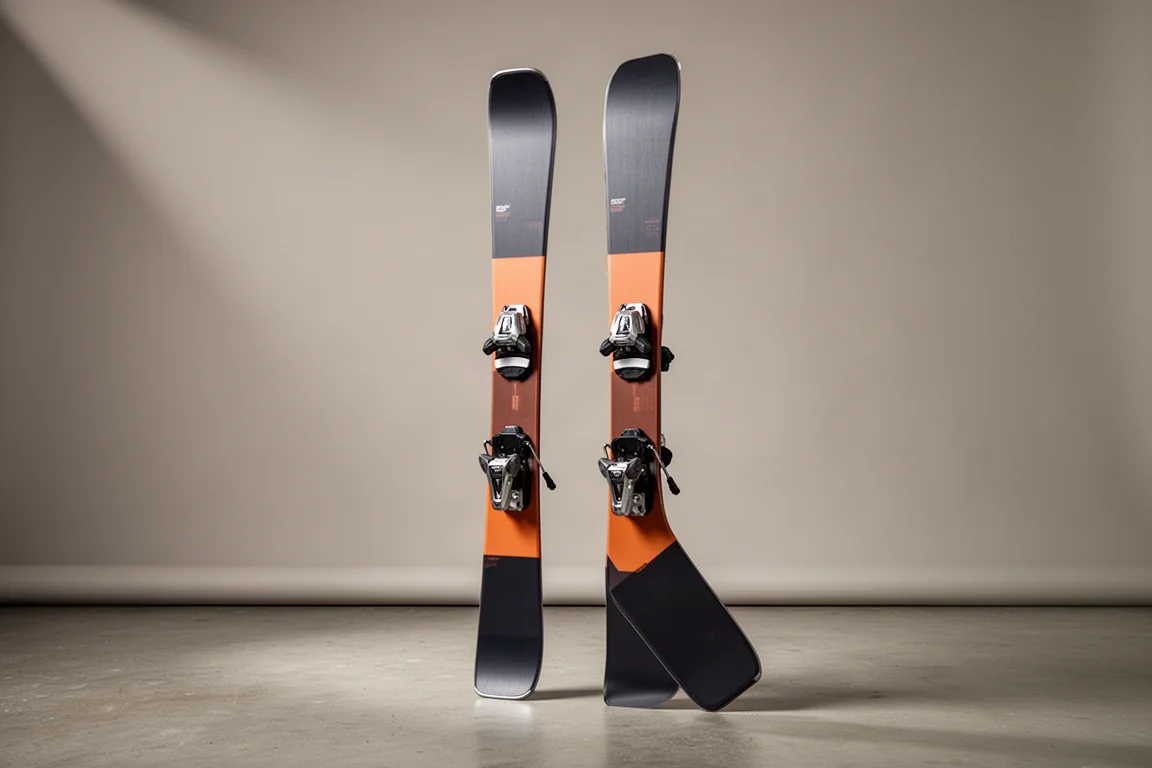
The K2 Blur XT arrives as part of a new Blur series in K2’s line, and it slots into the space the Disruption models have occupied. At 83 mm underfoot, it is an all-mountain ski with a clear carving bias: shapely, energetic, and built to spend most of its time on the snow rather than floating above it.
That combination lands in familiar territory. It calls to mind the rounder, quicker-turning 84 mm all-mountain skis that earned a following for carving extraordinarily well while still handling the rest of the mountain. For skiers in firm-snow regions such as Stowe, Vermont and across New England, that is a meaningful brief.
Who the K2 Blur XT Is For
This ski is aimed at the skier whose season is dominated by firm groomers and variable conditions rather than deep powder. In New England and similar regions, snow is firm much of the time, but terrain and surface change through the day, and a ski that can move between a carved turn and a bumped-up trail without complaint has real value.
It also makes a strong case as a single-quiver all-mountain ski. If you would rather own one pair that covers most days out, the Blur XT is designed around exactly that use case, with a carving-oriented focus rather than a soft-snow one.
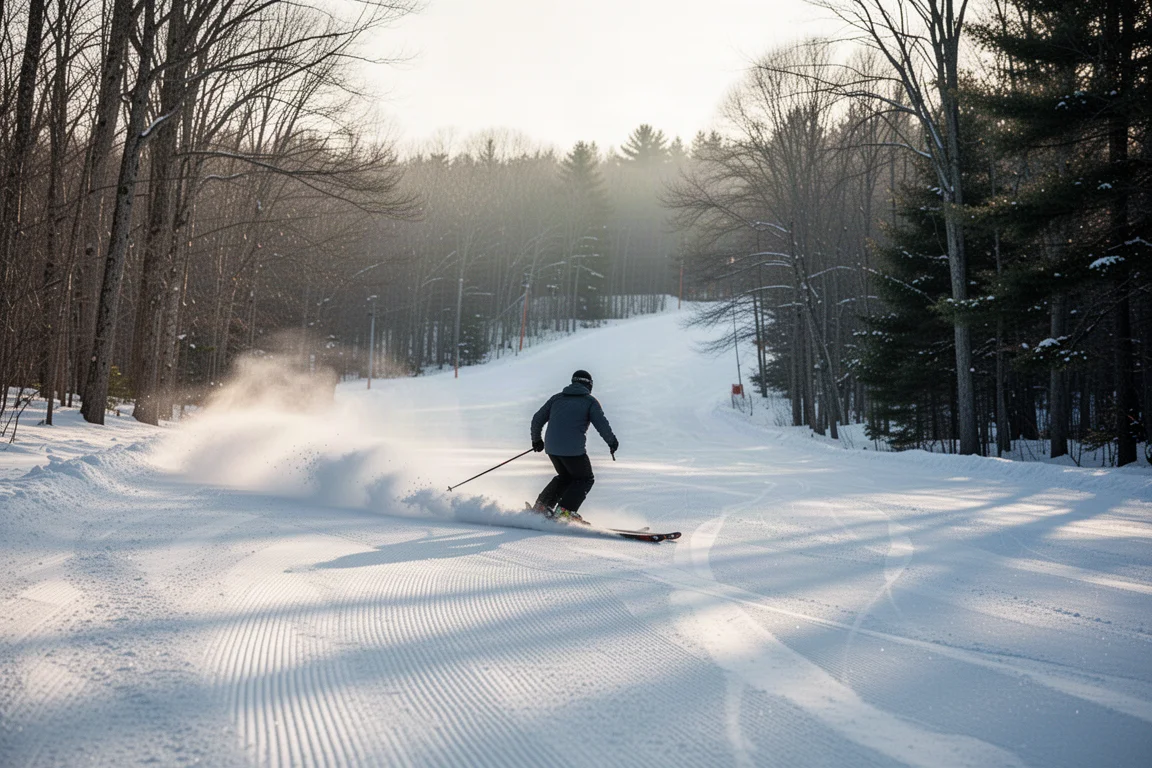
Skiers who spend their time on trails and groomed terrain will get the most from it. Those chasing deep snow should look at a wider, more rockered shape instead.
Construction and Flex Pattern
The Blur XT is built on an aspen wood core with K2’s H-shaped metal frame. Full metal runs underfoot, then tapers into arms along the sides of the ski. That layout puts more emphasis on the edge, where the metal is continuous, while allowing torsional flexion in the areas the metal does not reach.
The result is a smooth feel from tip to tail with a little more pop in the tips and tails, where the metal stops short. It makes the ski feel energetic and engaging in bumps and trees rather than locked down and lifeless.
Underfoot, the ski is not overly stiff. A thicker sidewall and a system binding platform sit in the middle of the ski, raising the binding height for better leverage and adding heft in the zone that drives the edge. The full-width metal section underfoot is where much of the power comes from, while the lighter tips and tails keep turn entry easy.
Carving Performance and On-Snow Feel
In the 177 cm length, the Blur XT carries a 14.9 m turn radius, just under 15 m. Combined with a generous side cut and a long effective edge, the shape is dramatic: plenty of curvature to work with, but a lot of edge in contact with the snow.
There is positive camber underfoot, minimal rocker, and very little splay. The tail is frontside-oriented, flat and squared off, with no taper. This is a ski that likes to be on the snow, and it rewards a pilot who rolls it onto edge and lets the side cut do the work.
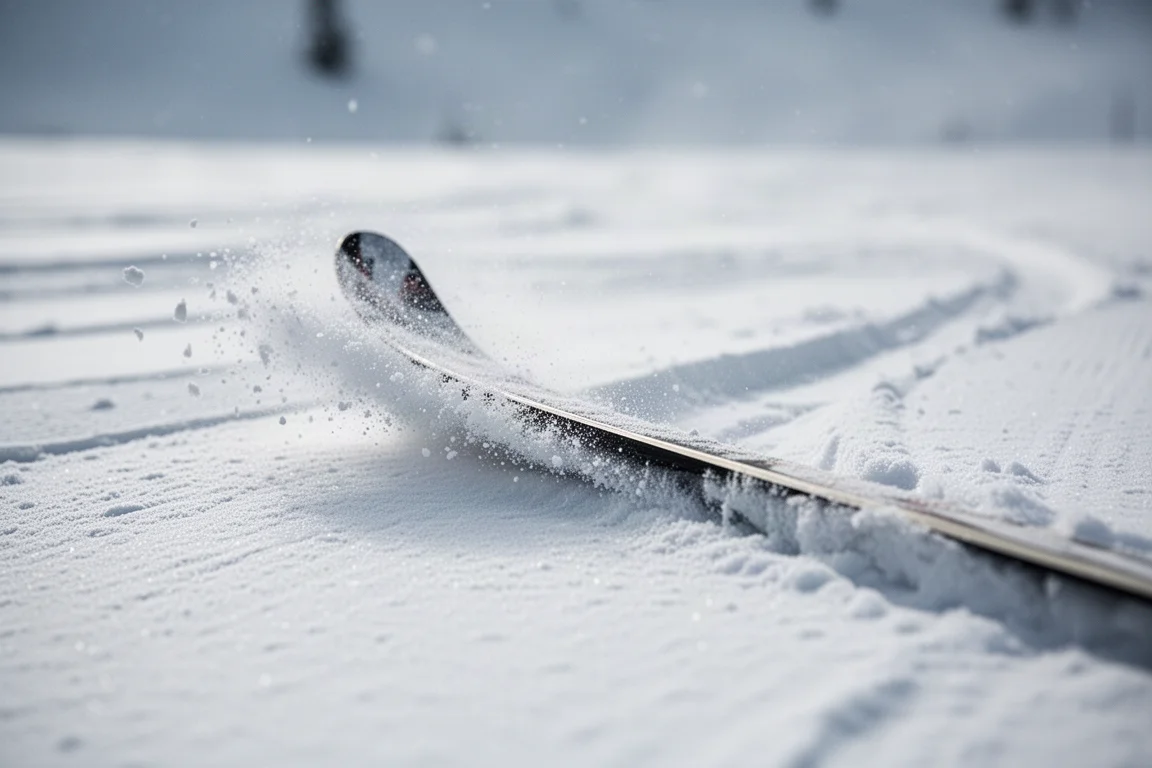
The shorter radius keeps turns quick and round rather than long and drawn out, which is a deliberate departure from the straighter, more aggressive feel of the Disruption 82 Ti. Everything about the Blur XT is a little rounder and a little softer, which brings it closer to that earlier 84 mm era of turn shapes.
Versatility Across Variable Conditions
The 83 mm waist does not limit the Blur XT to hardpack. On a cold, soft-snow day it handled conditions that would normally favor wider, more metal-heavy shapes, holding its own alongside a 99 Ti-style ski. That says a lot about how much range the shape has for a carving-focused design.
That versatility is what makes it a credible one-ski option. It is solid and stable at speed, pliable enough to stay friendly in mixed terrain, and it holds its edge in a carve. For a resort that serves up firm mornings and softer afternoons, that balance is the point.
Things to Consider Before Buying
Weight is worth thinking about. In the 177 cm length, ski and binding together come in at 3,300 g, with most of that mass concentrated in the middle third. The ends stay slightly lighter and more mobile, which is what keeps the ski easy to pivot, but this is not an ultralight build.
The minimal rocker and splay mean the ski wants contact with the snow. That is a benefit on firm groomers, and a limitation if your days revolve around deep snow.
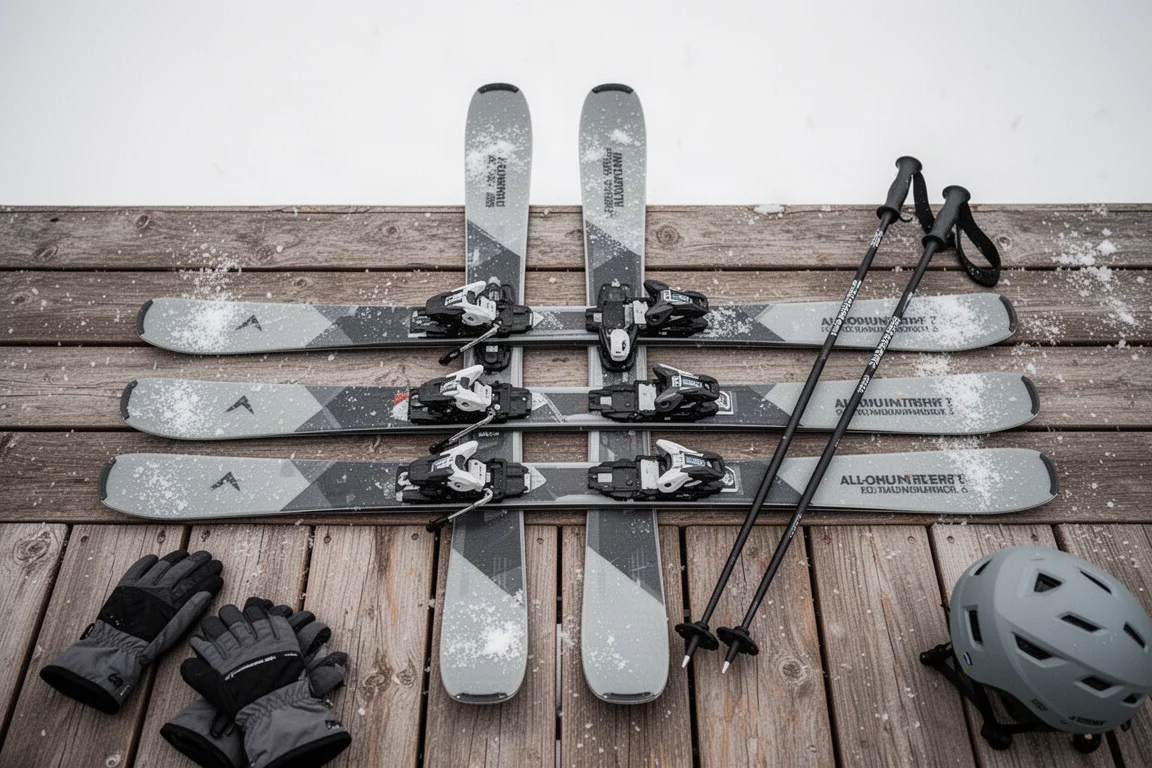
It is also worth being honest about the flex profile. The Blur XT is not overly stiff underfoot, but it is still a carving-oriented all-mountain ski with a frontside-leaning tail. Skiers who want a loose, surfy feel in soft snow will find a different shape better suited to that style.
Sizing, Weight, and Turn Radius Notes
The 177 cm model is the reference point here: 14.9 m turn radius and 3,300 g for ski and binding together. The weight distribution matters as much as the number, since concentrating mass underfoot while keeping the extremities light is what gives the ski its combination of stability through the middle and quick, easy turn access at the tips and tails.
The system binding platform contributes to that feel as well. It sits the boot higher on the ski, which improves leverage over the edge and adds substance in the power zone without loading up the ends.
Buying Advice
If your home mountain is firm more often than not, and your days are spent mostly on trails with a mix of groomed and variable surfaces, the Blur XT is a sensible single-ski choice. The 83 mm waist, long effective edge, and short turn radius are all pointed at confident carving, and the rounder flex keeps it manageable when conditions get messy.
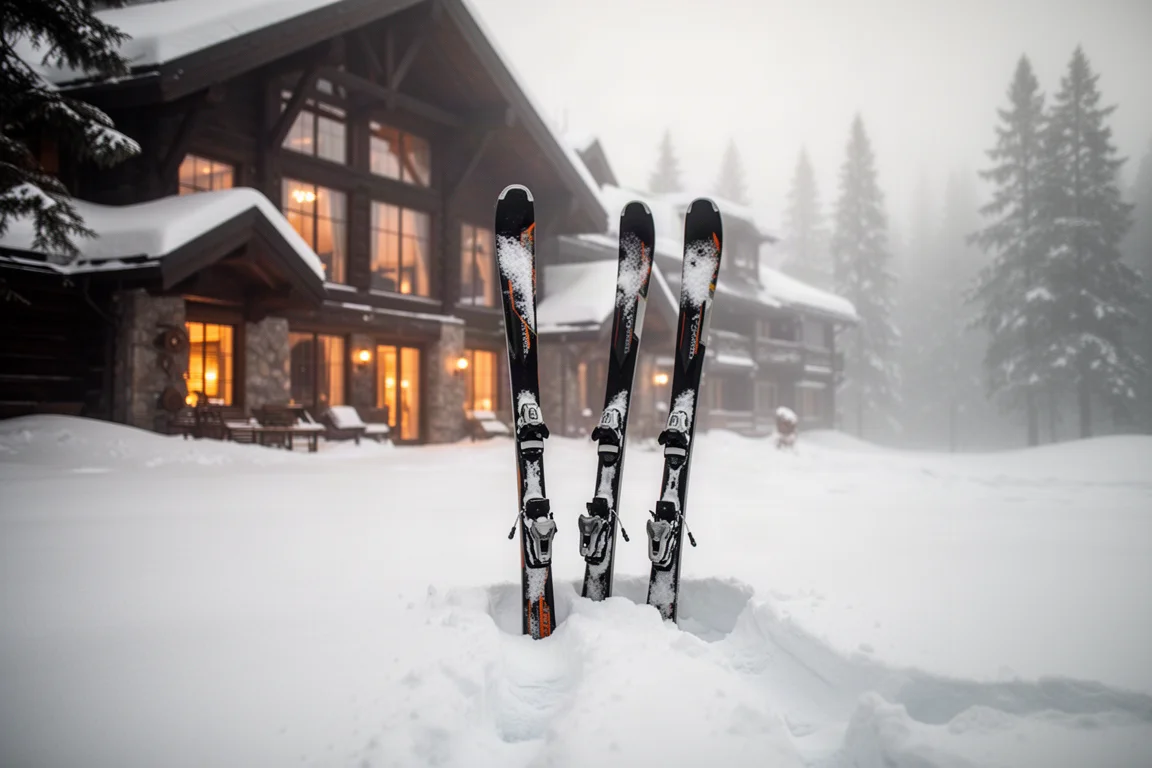
Pair it with the system binding platform it is designed around, and think of it as one ski that covers the majority of your days rather than a specialist for the deepest ones. Skiers who split their time between firm groomers and occasional soft snow will find the compromise lands in a useful place.
Conclusion
The K2 Blur XT is a new entry in K2’s line, and it reads as a direct successor in spirit to the Disruption family: an 83 mm all-mountain ski with a carving-first personality. An aspen core and H-shaped metal frame deliver a smooth, energetic ride, while the 14.9 m radius in the 177 cm keeps turns round and quick. For firm-snow regions like Stowe and the wider New England resort scene, it is a strong candidate for a one-ski quiver.
Product link
View more details for K2 Blur XT
This product is mentioned in the review. Check the specifications, options, and compatibility before buying.
View more details for K2 Blur XTFurther reading
Related Reviews
All-Mountain Skis
100mm All-Mountain Skis Compared: 23 Versatile Models Worth Knowing
A practical walkthrough of 23 all-mountain skis around 100mm underfoot, covering weight, rocker, metal construction, and the rider each model suits best.
All-Mountain Skis
2026 Black Crows Camox Review: A More Stable, More Versatile All-Mountain Twin Tip
The 2026 Black Crows Camox adds an ash layer underfoot, wider tips and tails, and a revised rocker profile. Here is what those changes mean on snow.
All-Mountain Skis
Armada Antimatter 88 Review: A Light, Lively All-Mountain Ski That Rewards Any Style
The Antimatter 88 pairs a poplar core with carbon stringers for a surprisingly energetic ride that suits intermediates and experts alike.