Snowboards
K2 Afterblack Review: A Freestyle Twin That Still Rides the Whole Mountain
A practical look at the K2 Afterblack, a freestyle-first twin snowboard with a camber profile, centered stance, and carbon Dark Web inlay.
Introduction
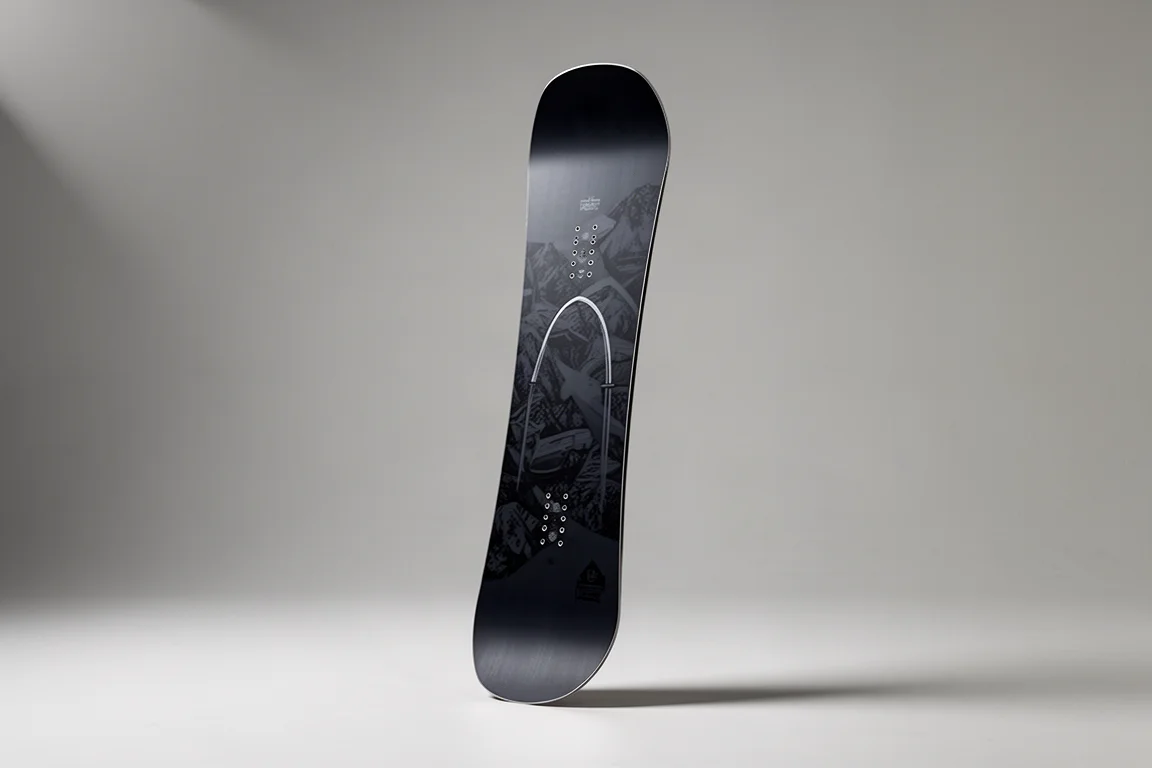
The K2 Afterblack is a twin-shaped all-mountain snowboard with a clear freestyle bias. It pairs a camber profile with a centered stance and a centered base, which places the board’s balance point directly under the rider rather than setting it back toward the tail. That single design decision shapes nearly everything else about how it rides.
If your version of a good day involves park laps, side hits, and treating every roller and lip as an opportunity, the Afterblack sits in a familiar and well-populated category. It can cover the whole mountain, but it is not pretending to be anything other than a freestyle board.
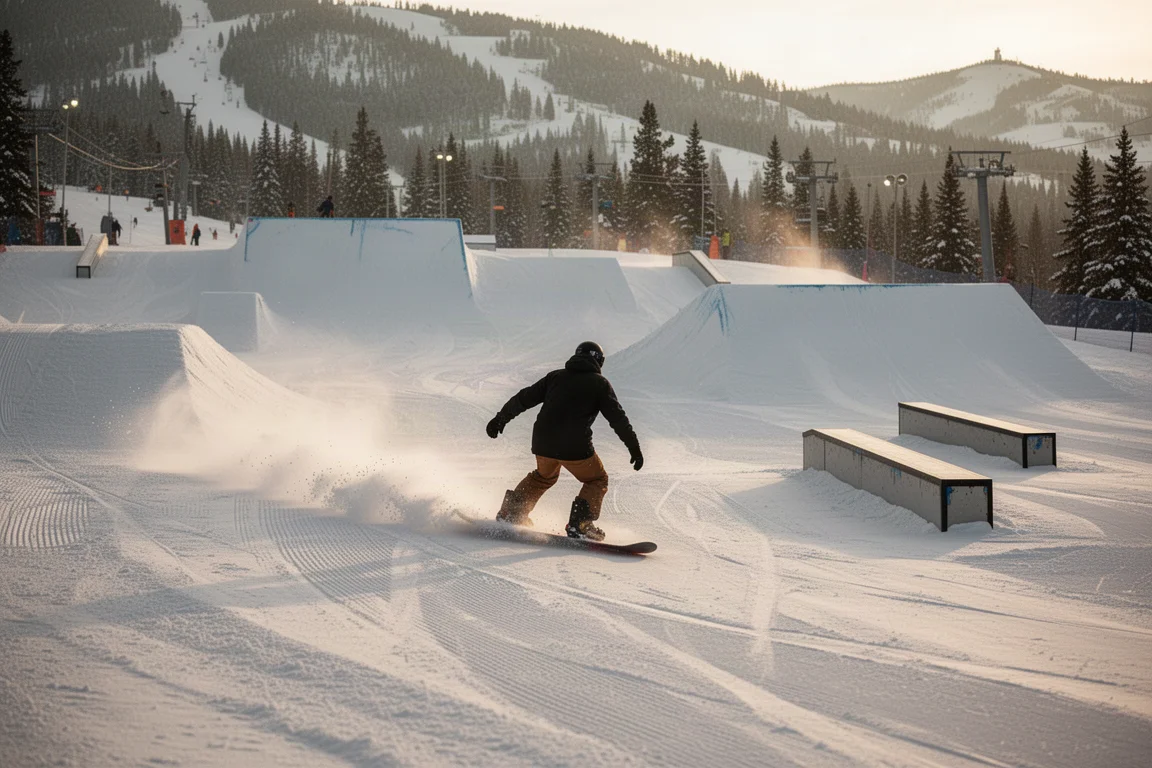
This overview walks through who the board suits, where it performs best, and what is worth weighing before you commit to it.
Who the K2 Afterblack Is For
The Afterblack is aimed squarely at freestyle riders. Riders who spend their time in the park, hunting side hits, and riding switch will find the twin shape and centered stance immediately familiar. The board’s geometry is symmetrical front to back, so switch riding feels the same as riding regular.
It is also a reasonable choice for riders who want a single board that handles the rest of the mountain without giving up freestyle character. The Afterblack can ride the whole hill, it simply prioritizes freestyle riding over everything else.
Riders whose seasons revolve around directional freeride lines or deep powder laps are the least likely to be served by this shape. That is not a flaw, it is a matter of matching the board to the riding you actually do.
There is also a women’s counterpart worth knowing about. The K2 Spellcaster follows the same freestyle-first brief, which makes it the natural starting point for riders looking for the equivalent board in a different size range.
Shape, Camber, and Construction
Three details define the Afterblack’s ride. The first is the twin shape, which keeps the nose and tail effectively interchangeable and makes switch riding effortless. The second is the camber profile, described as a combo camber that gives the board its pop and edge engagement. The third is the centered stance and centered base, which keeps the rider’s weight balanced between the feet.
Under the surface sits a carbon Dark Web inlay. Because it is built into the board rather than applied on top, you will not see it, but it contributes to the way the board loads and releases energy.
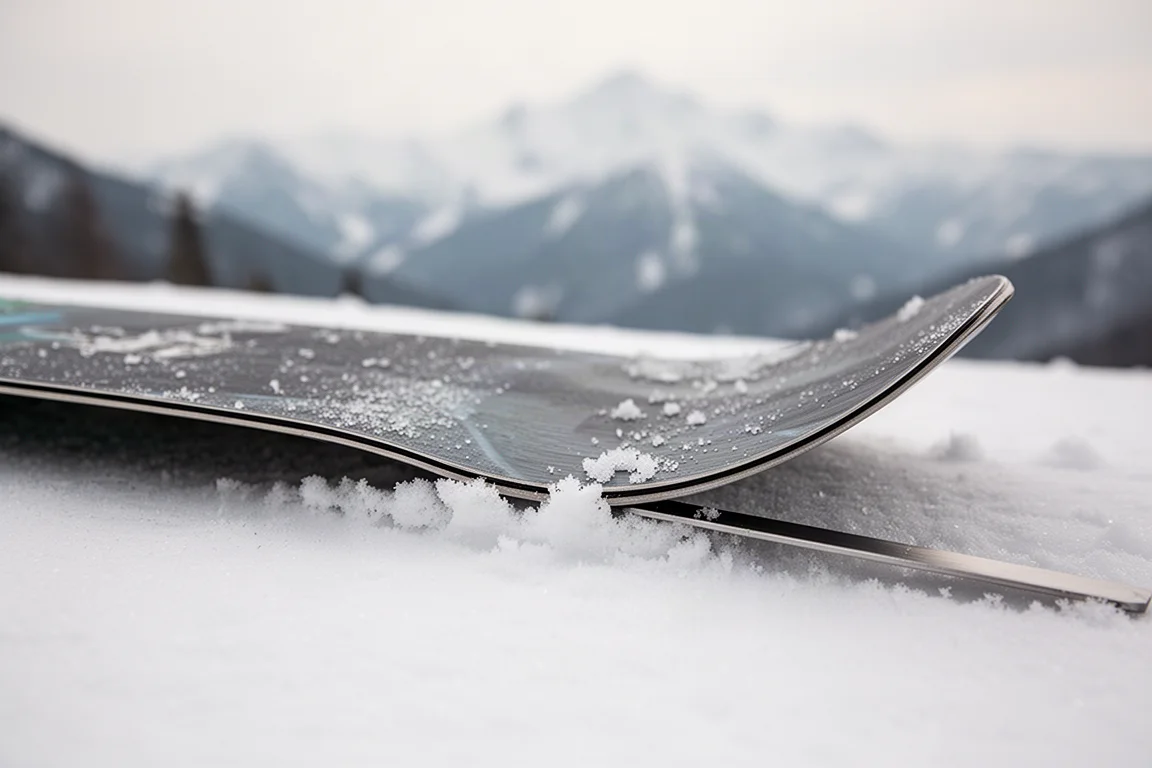
Durability is another part of the story. The Afterblack has a following among park riders for holding up to regular park use, which matters when a board spends its life on rails, boxes, and hard-packed landings.
Main Strengths: Freestyle Feel and All-Mountain Range
The clearest strength is how naturally the Afterblack handles freestyle riding. The twin shape, centered stance, and centered base combine to make the board feel balanced underfoot, whether you are lining up a jump, spinning off a side hit, or riding away switch.
The camber profile adds a lively, responsive character that translates into solid pop and reliable edge hold on groomed runs. It also keeps the board from feeling vague when you are riding at speed between features.
Then there is the range. The Afterblack can ride the entire mountain, so it works as a one-board quiver for riders whose priorities are freestyle first and everything else second. It is not a specialist that only makes sense inside the park boundary.
Finally, the build quality stands out. Riders who put their boards through heavy park use tend to value durability, and the Afterblack has earned its place for exactly that reason.
Things to Consider Before Buying
The most important consideration is fit rather than quality. The Afterblack scored 7 out of 10 overall in on-snow testing, a genuinely solid result that also suggests it is not a universal favorite. Boards tend to score highest with the riders whose style they match, and this one is unmistakably freestyle-leaning.
That means riders with freeride or powder-focused priorities should think carefully before choosing it. A centered stance and twin shape are not designed around directional float, so the Afterblack is unlikely to be the board that makes deep days feel effortless.
It is also worth being honest about how much park riding you actually do. If freestyle features are a small part of your season, the board’s strongest traits will spend most of the year unused.
Sizing and Setup Notes
Because the stance and base are centered, the Afterblack is designed to be ridden in a balanced, symmetrical position. There is no setback to plan around, which simplifies setup and keeps the ride consistent in both directions.
Riders coming from directional boards may notice the difference immediately. The centered position puts you over the middle of the board rather than behind it, which is exactly what makes switch riding and freestyle tricks feel natural.
Choosing the right length still matters. A board that is too long or too short will change how the camber and the carbon Dark Web inlay feel underfoot, so it is worth matching the size to your weight and the terrain you ride most.
Buying Advice
If freestyle riding is the center of your snowboarding, the Afterblack is an easy recommendation. It delivers the twin shape, centered stance, and camber profile that park and side-hit riding rewards, and it backs that up with a durable build that survives regular abuse.
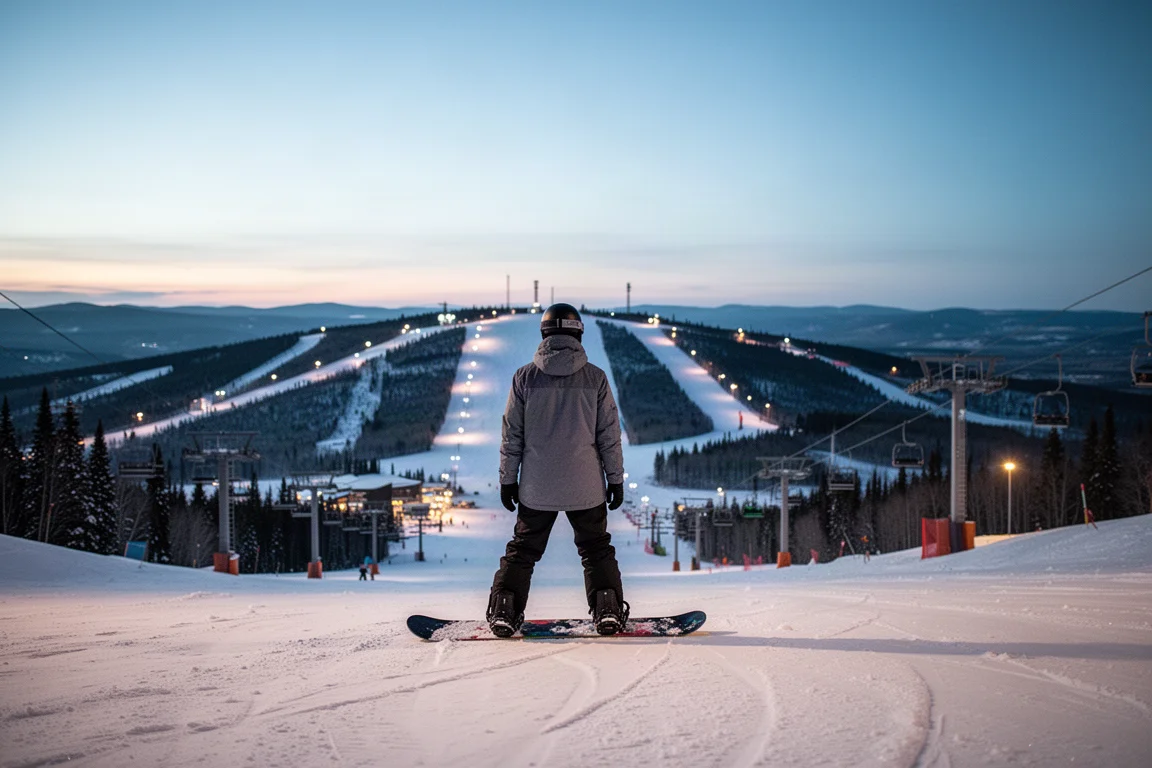
If you are shopping for a rider who splits time evenly between the park and the rest of the mountain, the Afterblack still makes sense as a one-board solution. It covers groomers and natural terrain well enough that you will not feel limited outside the park.
If your riding is built around directional freeride or powder, look elsewhere. That is the clearest signal in the board’s design, and no amount of all-mountain versatility changes the fact that it is built freestyle first.
Conclusion
The K2 Afterblack is a focused, well-built freestyle twin that happens to be capable across the whole mountain. Its centered stance, centered base, camber profile, and carbon Dark Web inlay all point in the same direction, and riders who live in the park will recognize the intent immediately. If that describes your riding, this is a board that makes a great deal of sense.
Product link
View more details for K2 Afterblack
This product is mentioned in the review. Check the specifications, options, and compatibility before buying.
View more details for K2 AfterblackFurther reading
Related Reviews
Snowboards
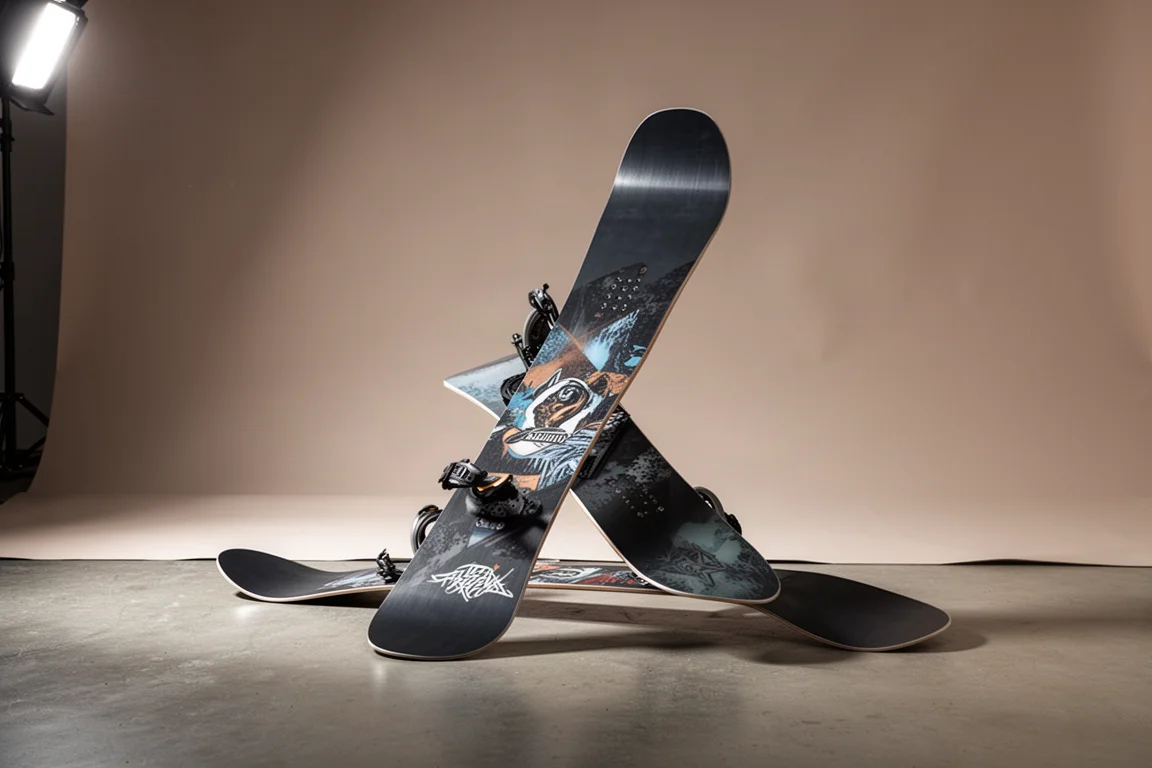
32 Middle Earth Scott Stevens Pro Model Snowboard Review: A Park Board With a Reversed Flex
A medium traditional camber park board with carbon V reinforcement that is stiffer in the tips and more playful between the feet. Here is how it rides and who it suits.
Snowboards
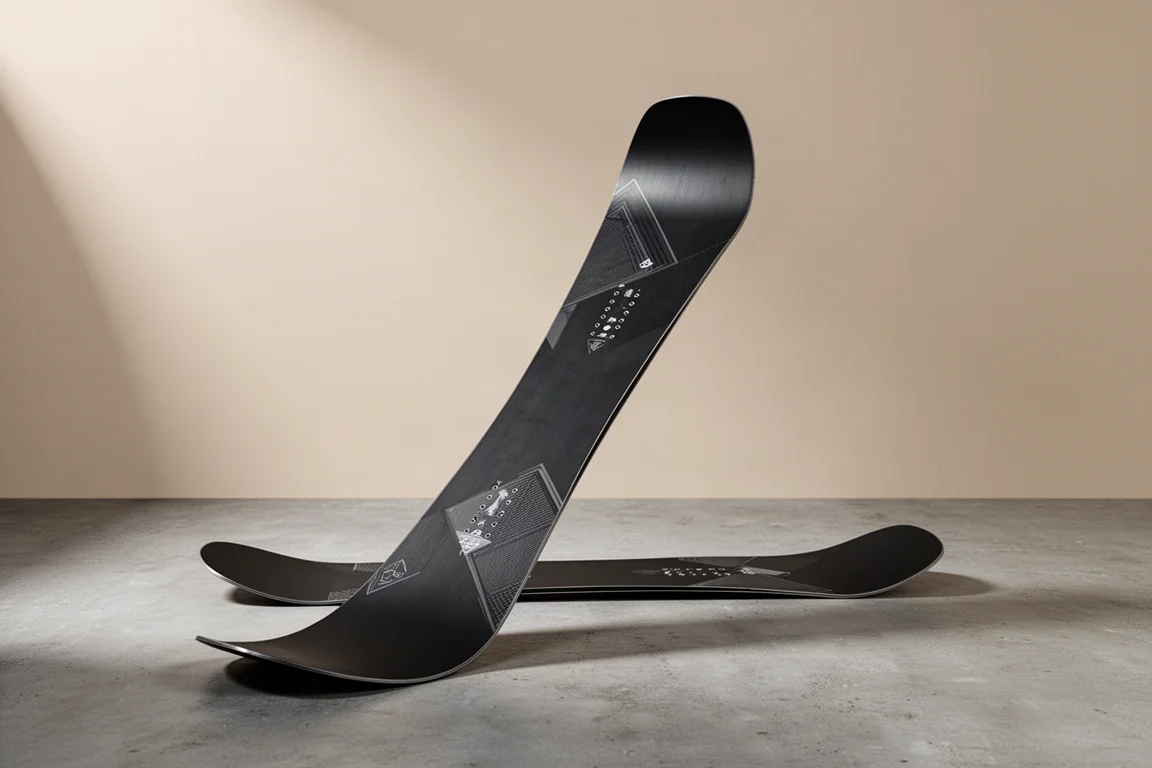
32 Snafu Review: A Directional All-Mountain Freestyle Board with Serious Pop
The 32 Snafu pairs a directional camber-rocker profile with a stiffening tail for powerful carves, big ollies, and a surprisingly damp ride.
Snowboards
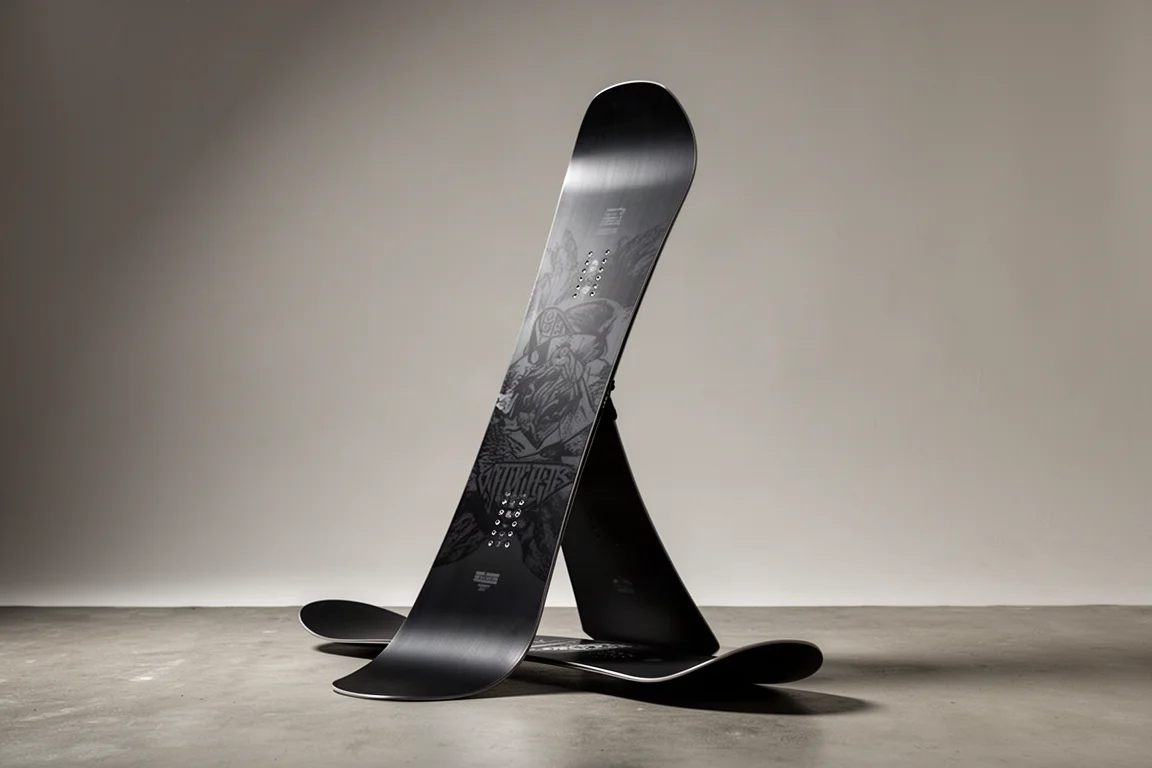
32 XXX Pat Fava Pro Snowboard Review: A Stiff Camber Beast for Hard-Charging Riders
A full-width traditional camber deck that rewards aggression with stability and edge power, but demands effort everywhere else.