Snowboard Bindings
K2 80 Opti Highback Review: Minimalist Support With Fewer Moving Parts
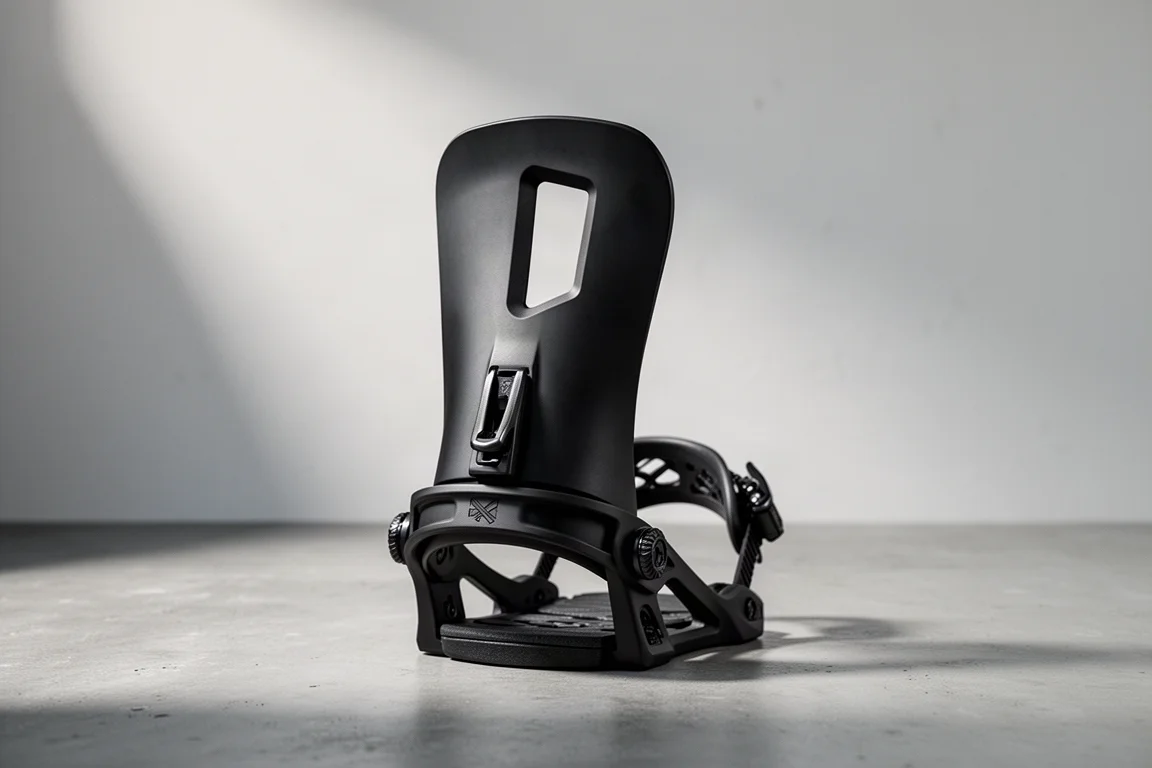
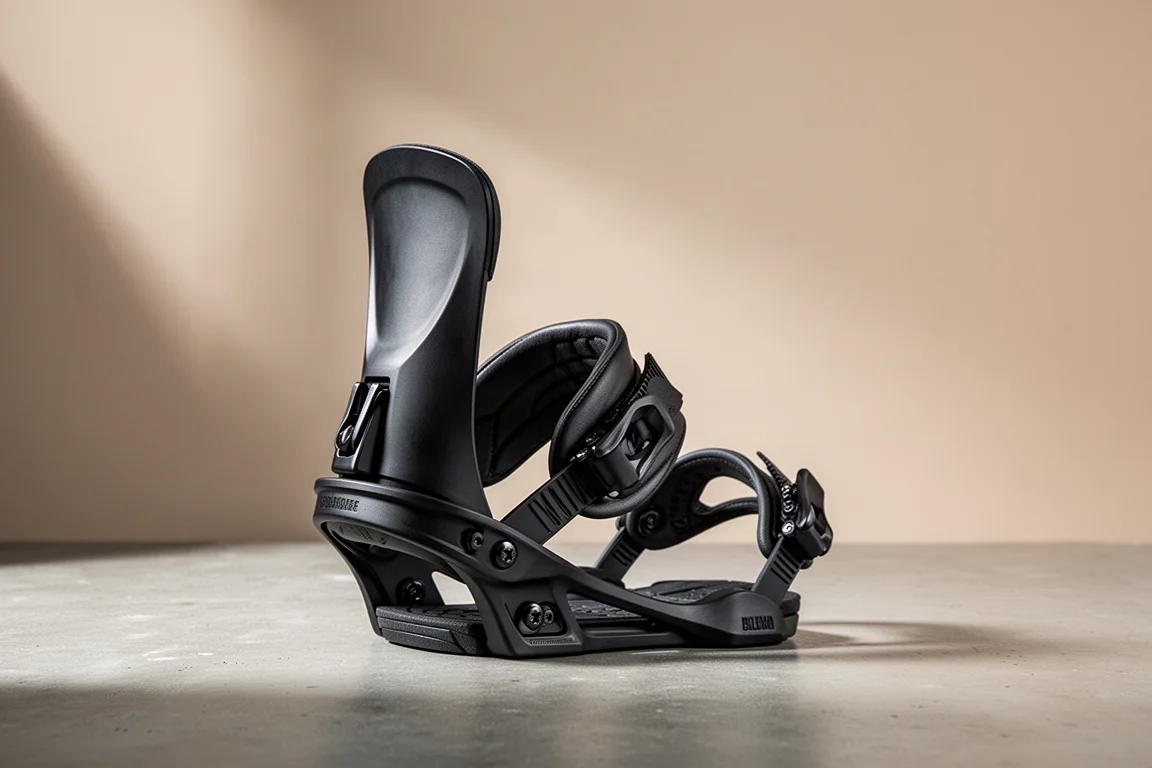
A close look at the K2 80 Opti Highback, its weight-saving cutout, and the combined forward lean and rotation adjustment that replaces two separate mechanisms.
Introduction
The K2 80 Opti Highback is K2’s take on a minimalist highback: a design that trims weight while keeping the strength a rider actually leans into. Rather than adding hardware, it removes a piece and reorganizes what remains.
The central idea is simple. Fewer parts, less material in the middle, and one place to make the adjustments that most riders touch only a handful of times per season. If you have ever resented juggling two separate controls to dial in the same corner of your binding, this approach will feel immediately familiar.

This review covers what the Opti highback changes, how the combined adjustment works, and which riders get the most out of it.
What Makes the Opti Highback Different
Most highbacks carry a forward lean adjuster mounted in the centre of the binding. K2 removed that component and replaced it with a cutout. Taking material out of the middle of the part reduces weight, and the structure that remains is still substantial enough to handle the load a rider puts through it.
The strength of the highback was moved to the outside instead. That means when you drive into the binding, the load travels through the outer edges of the part, where the structure is thickest. The result is a highback that stays firm under pressure while carrying less material overall.
It is a straightforward engineering trade: less in the centre, more at the perimeter, and a simpler assembly as a result.
Who This Product Is For
This highback suits riders who want a lighter binding setup and are not interested in maintaining a lot of hardware. If you set your stance once at the start of the season and rarely touch it again, the combined adjustment is a benefit rather than a compromise.
It also makes sense for riders who value a clean, uncluttered binding. Fewer moving parts means fewer things to loosen, lose, or re-tighten in cold conditions.
It is not aimed at everyone. Riders who like to fine-tune forward lean and rotation independently, with a dedicated control for each, may prefer a more conventional layout. That is a preference rather than a shortcoming, and it is worth knowing before you buy.
How the Forward Lean and Rotation Adjustment Works
Forward lean has been relocated to the same point as highback rotation, at the twist cams. Loosen the twist cams and the highback slides forward or backward, which sets your forward lean. The same interface also lets you rotate the highback left to right to match your stance angle.
Two adjustments, one location. There is no separate dial to hunt for and no second mechanism to keep aligned with the first.
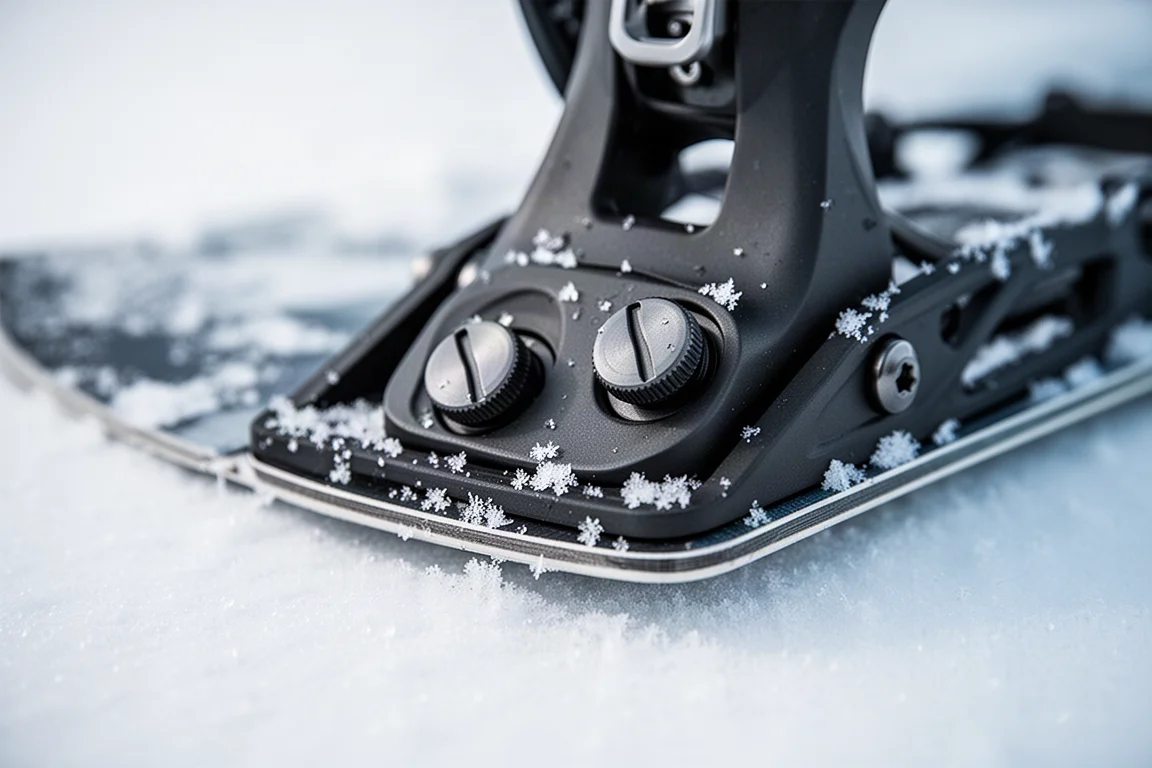
Because both settings share a single interface, they are established together in one motion. You loosen, set, and tighten, and both values land where you want them. On the hill, that means less time crouched over your board and more time riding.
Build Quality and Ride Feel
Moving the structural strength to the outside of the highback gives the part a purposeful, load-bearing feel. When you push into the binding, the resistance comes from the outer edges rather than a central spine, and the response stays direct.
The absence of a centre adjuster also removes a common point of rattle and wear. With fewer components in the middle of the part, there is less to work loose over a season of riding.
The finish and hardware feel consistent with a binding designed around durability rather than feature count. Nothing about the highback feels fragile, and nothing about it feels overbuilt either.
Main Strengths
Weight reduction is the headline. Replacing a centre forward lean adjuster with a cutout takes material out of the part without removing the structure that supports your riding.
Consolidation is the second strength. Two separate adjustments become one section that works in conjunction with itself, which reduces the number of moving parts and simplifies setup.
Retained strength is the third. By concentrating material on the outside, the highback keeps the stiffness you rely on when you drive into it.

For riders who count grams and dislike fiddling, those three points reinforce each other. The highback is lighter, simpler, and still firm where it counts.
Things to Consider Before Buying
The main thing to understand is that forward lean and rotation are set through the same interface. That is efficient, but it is a different workflow from a binding with two independent controls. If you change one value often and want the other to stay untouched, you will be adjusting both together.
The minimalist approach also means a deliberately small feature set. Riders who enjoy a busier binding with more hardware to tune may find the Opti highback too pared back for their taste.
Finally, this is a design choice rather than a universal improvement. It works well, and it is not for everyone. Matching it to how you actually ride matters more than the spec sheet.
Buying Advice
Buy the K2 80 Opti Highback if your priorities are a lighter binding, a shorter list of parts to maintain, and a setup you configure once and then forget. The combined forward lean and rotation adjustment is genuinely convenient for that style of riding.
Look elsewhere if you want independent, granular control over forward lean and rotation, or if you prefer a binding with a more elaborate feature set. There is no wrong answer here, only a mismatch.

Before you commit, think about how often you actually touch your forward lean during a season. If the honest answer is rarely, the consolidated design will cost you nothing and save you weight. If the answer is often, weigh that against the simplicity on offer.
Conclusion
The K2 80 Opti Highback is a focused piece of design. It removes a centre forward lean adjuster, replaces it with a weight-saving cutout, moves structural strength to the outside of the part, and consolidates forward lean and rotation into a single twist cam interface.
For riders who want less weight and fewer moving parts, that combination makes a lot of sense. For riders who want two independent controls and a busier feature set, it will not. Knowing which group you fall into is the whole decision.
Product link
View more details for K2 80 Opti Highback
This product is mentioned in the review. Check the specifications, options, and compatibility before buying.
View more details for K2 80 Opti HighbackFurther reading
Related Reviews
Snowboard Bindings
2024 Union Ultra Snowboard Bindings Review: A Cushy, Freestyle-Focused Favorite
Two seasons on the 2024 Union Ultra: a lightweight, tweakable freestyle binding with standout comfort, a damp molecular bushing, and thoughtful hardware fixes.
Snowboard Bindings
32 Team Phase Binding Review: A Fast Entry Binding Built for Freestyle Laps
The first binding from 32 uses the Phase chassis for quick step-in entry with a softer, freestyle-leaning flex. Here's how it performed on the snow.
Snowboard Bindings
Arbor Cypress Snowboard Binding Review: A Laid-Back Cruiser That Can Charge
A closer look at the Arbor Cypress binding's adjustability, strap feel, and that oddly tall highback before you decide to buy.