Fountain Pens
Junailine 930 vs Jinhao 9019: Two Big Fountain Pens With Seriously Big Nibs
Two oversized fountain pens go head to head: the Junailine 930 with its rare number 9 nib and the budget-friendly Jinhao 9019 with a number 8 nib.
Introduction
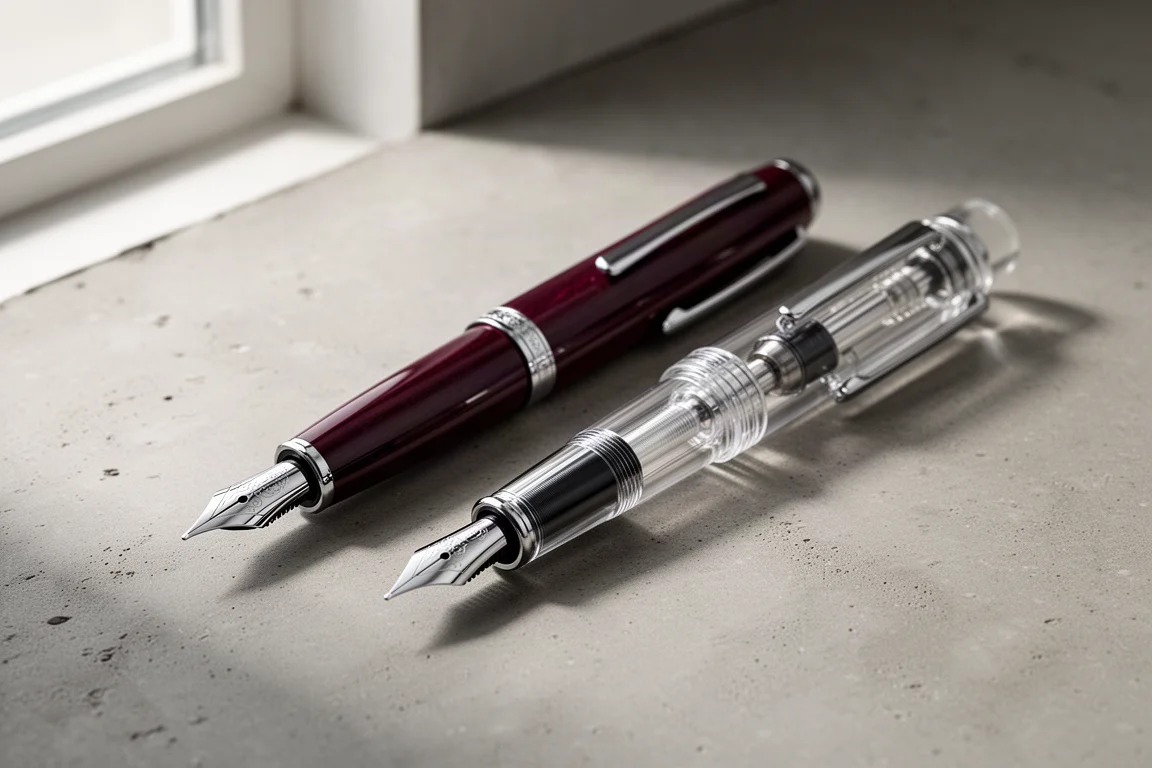
Big fountain pens have a devoted following, and two models keep coming up in the conversation: the Junailine 930 and the Jinhao 9019. Both are oversized, both carry unusually large nibs, and both borrow more than a little of their silhouette from classic flagship pens of this style. The 930 is currently very popular in the pen community, and the 9019 has been around longer at a remarkably low price.
This comparison looks at what each pen offers, how they differ in day-to-day use, and which one makes more sense depending on your budget and your appetite for a truly massive pen.
Why Nib Size Numbers Matter
Before diving in, a quick explainer: the numbers tossed around with these pens refer to the diameter of the feed in millimeters. A number 6 nib has a 6mm feed, a number 8 has an 8mm feed, and so on. It is not a measure of nib length, so a number 9 nib could theoretically be as long or as short as a number 6.
Most modern pens ship with number 6 nibs, number 8 nibs are now a sought-after step up, and number 9 nibs are genuinely rare. Number 9 feeds are massive, and that translates into a wet, generous ink flow on paper.
Jinhao 9019: Big Ink Capacity for Little Money
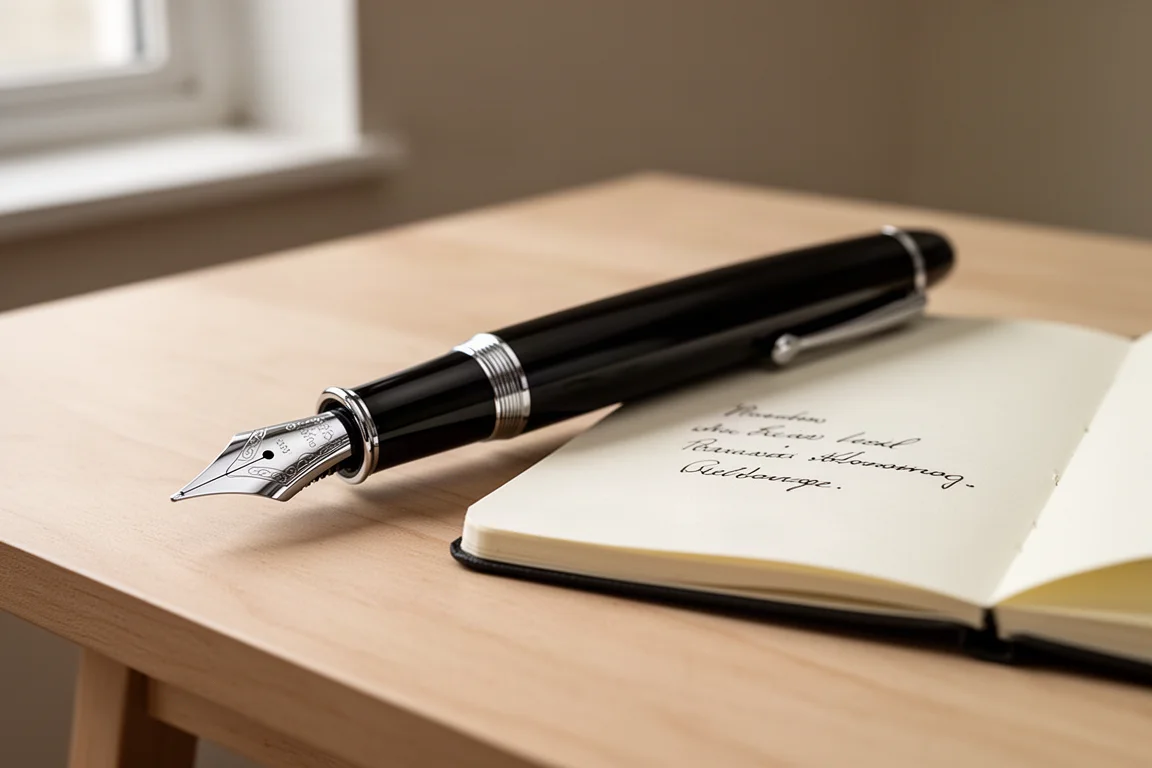
The Jinhao 9019 is the older of the two and the more affordable by a wide margin, with listings around $21 on AliExpress. It is a huge pen with branding on the clip and center band, available in a range of colors including black and burgundy, though the clear demonstrator version is especially appealing because you can see every component inside.
The headline feature is the number 8 nib, a two-tone design with gold and rhodium-colored accents. The feed is plastic rather than ebonite as far as it is possible to tell, and the nib is noticeably larger than a standard number 6. The other selling point is the oversized cartridge converter, which is far bigger and girthier than a standard converter and holds a very generous amount of ink. Big nib plus big capacity is exactly what draws many buyers to this pen.
There is a small O-ring to keep the barrel screwed in place, the section has some metal that could interact with certain inks if you try eyedropper conversion, and the pen posts into a very large, solid-feeling package. In use, the medium nib has a noticeable but not unpleasant amount of feedback, and the pen feels a little cheaper in the hand than its rival, which is unsurprising given the price gap.
Junailine 930: A Number 9 Nib and a Piston Filler
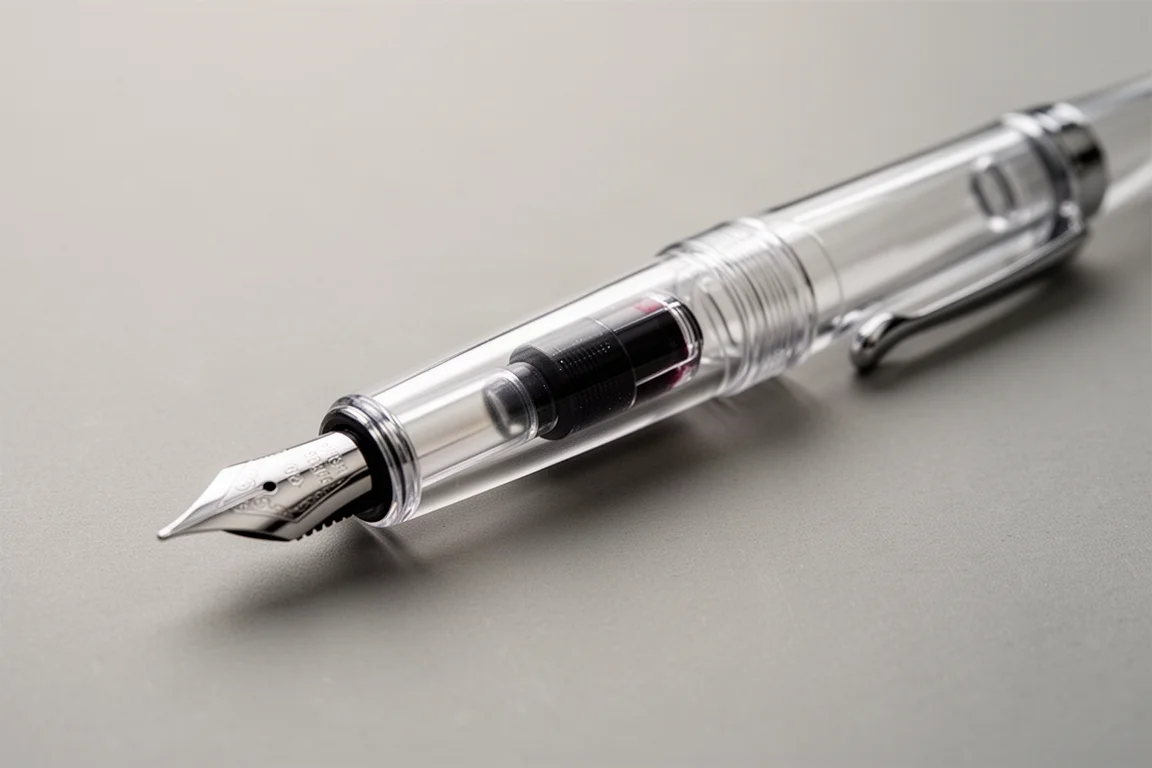
The Junailine family comes in several sizes, including 910 and 920 models that shrink progressively, and the 930 is the biggest of the range. The shape is reminiscent of classic large flagship pens, just bigger, and it is genuinely enormous, to the point that some people find it a bit too much to handle. There is a Montblanc-style clip and center band, markings reading Junailine 930 and made in Shanghai, and a huge chrome-colored nib.
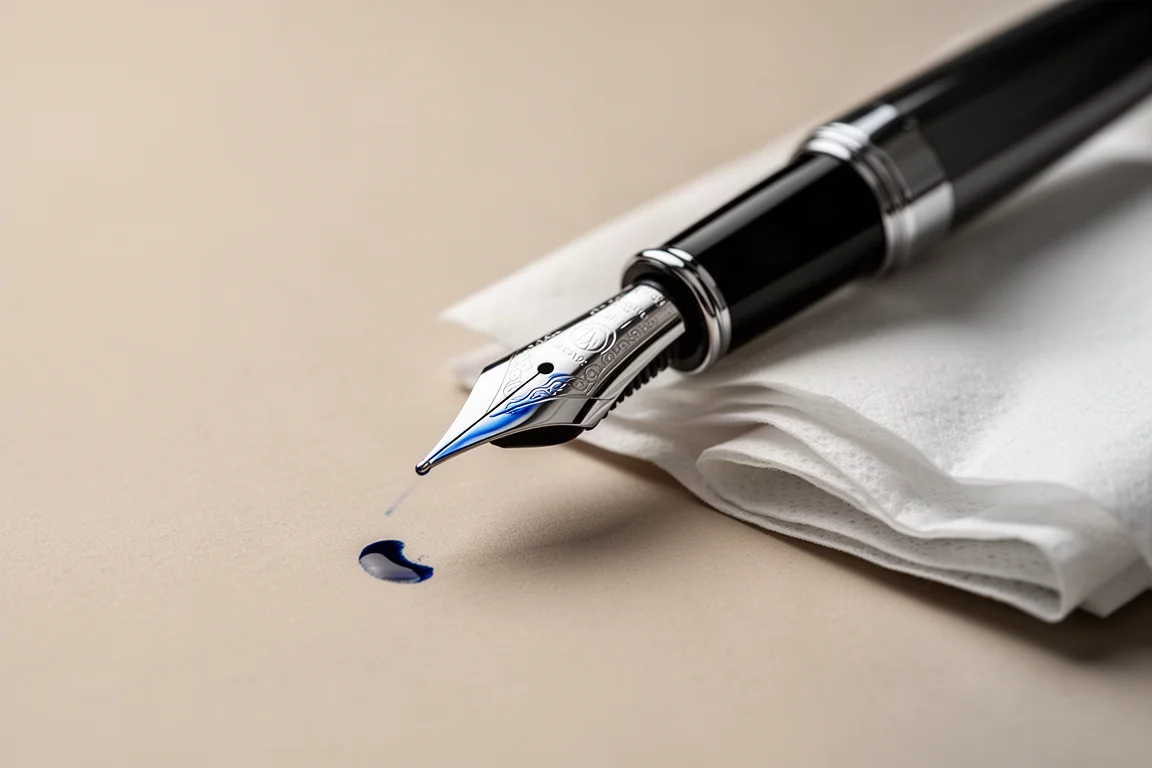
The 930 test unit here is a broad nib with a massive feed that supplies a steady, wet ink flow. One practical note: with a broad nib this size, expect excess ink on the nib after filling, so keep a tissue handy. Be aware that some owners have reported ink leakage where the nib unit meets the barrel. The fix is straightforward if you buy the pen with the included wrench: a two-prong pen wrench to tighten the section, or unscrew the whole nib unit, apply silicone grease, and screw it back in. That resolved the problem completely.
Unlike the Jinhao, the 930 is a piston filler with a turning knob and an ink window. In effect, it is a really big converter built permanently into the barrel, and it feels more luxurious overall, closer to $57 Canadian or roughly five times the price of the Jinhao. It can be posted, though the result is a pen that looks almost comically huge.
Writing Comparison and Which One to Pick
Writing side by side with a nice blue ink, the differences become clear. The Jinhao 9019 with its medium nib is girthy and comfortable to hold, with definite nib feedback that some will enjoy and others will not. The Junailine 930 with its broad nib writes noticeably smoother. Part of that is physics: broader nibs carry larger tipping, which gives more surface to polish, so broad nibs often feel smoother than mediums.
Beyond smoothness, the 930 simply feels more refined. The wet, massive nib looks striking and writes beautifully, and the steady ink flow from the big feed is a pleasure. Overall, the 930 is the stronger pick if the budget allows and the size suits you. If the 930 is simply too big, the smaller Junailine models come in sizes closer to classic mid-size and large flagship dimensions, so size down to what feels comfortable.
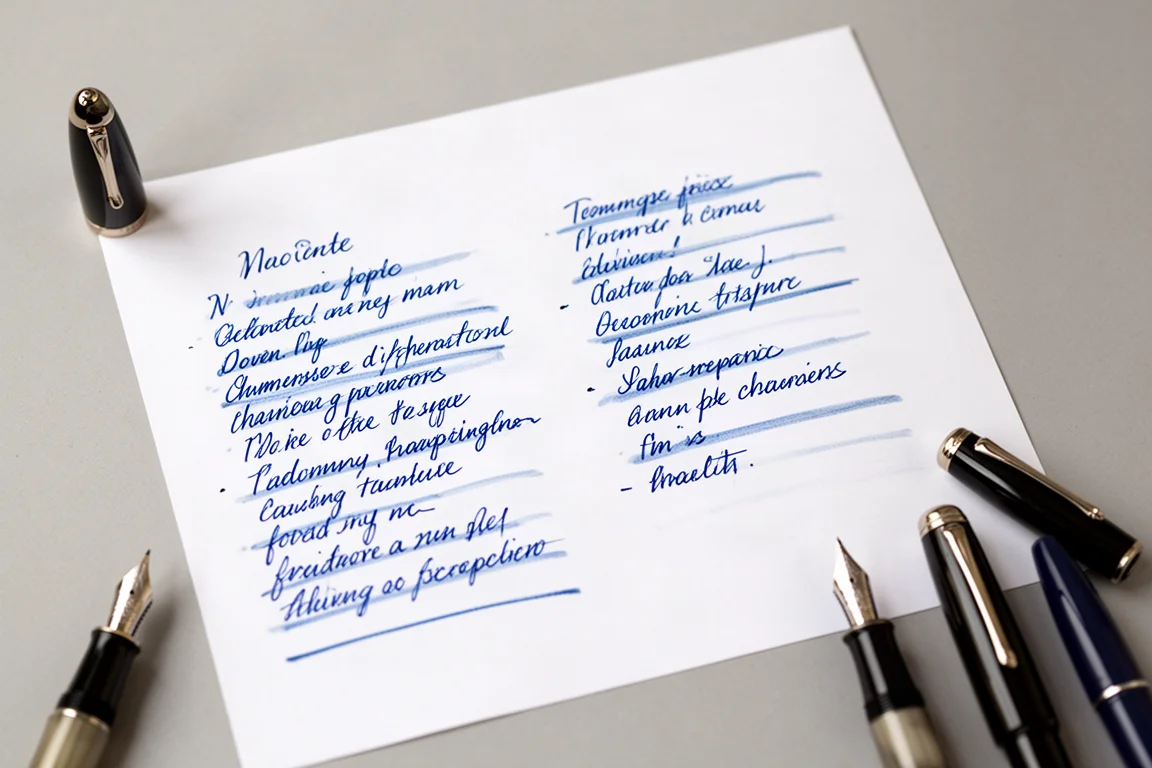
That said, there is nothing wrong with the Jinhao 9019. If you want a big pen with a big nib and money is tight, it is a beautiful, pleasant writer, and that oversized converter works very well and delivers genuinely useful capacity.
Conclusion
Both pens deliver the oversized, big-nib experience, just at different levels. The Junailine 930 earns its higher price with a rare number 9 nib, smoother broad writing, a piston filler, and a more luxurious feel, while the Jinhao 9019 remains one of the most affordable ways to get a huge pen with a number 8 nib and large ink capacity. Pick the 930 if you want the best writing experience of the two; pick the 9019 if you want most of the fun for a fifth of the price.
Product link
View more details for Junailine 930
This product is mentioned in the review. Check the specifications, options, and compatibility before buying.
View more details for Junailine 930Further reading
Related Reviews
Fountain Pens
Best Budget Fountain Pens Tested: 9 Pens, One Clear Winner
A hands-on comparison of nine affordable fountain pens for everyday writing, calligraphy, and sketching, with a clear standout for flexible nib fans.
Fountain Pens
Aurora Optima Review: An Italian Piston Filler That Punches Above Its Price
A 14k gold nib, ebonite feed, and a beautifully deep oraloid body make the Aurora Optima one of the most rewarding piston fillers around.
Fountain Pens
Cross Bailey Light Review: The Entry-Level Fountain Pen Worth Keeping at the Office
A plastic-bodied Cross with a metal clip, snap cap, and famously smooth extra fine steel nib. Around $15, available almost everywhere, and easy to recommend.