Studio Monitors
JS Labs Studio Monitor Review: A Hand-Built Active Monitor With Beryllium Tweeters
A close look at a hand-built active studio monitor from a small Korean brand: sealed cabinet, low-distortion drivers, beryllium tweeter and Hypex amplification, plus what to check before buying.
Introduction
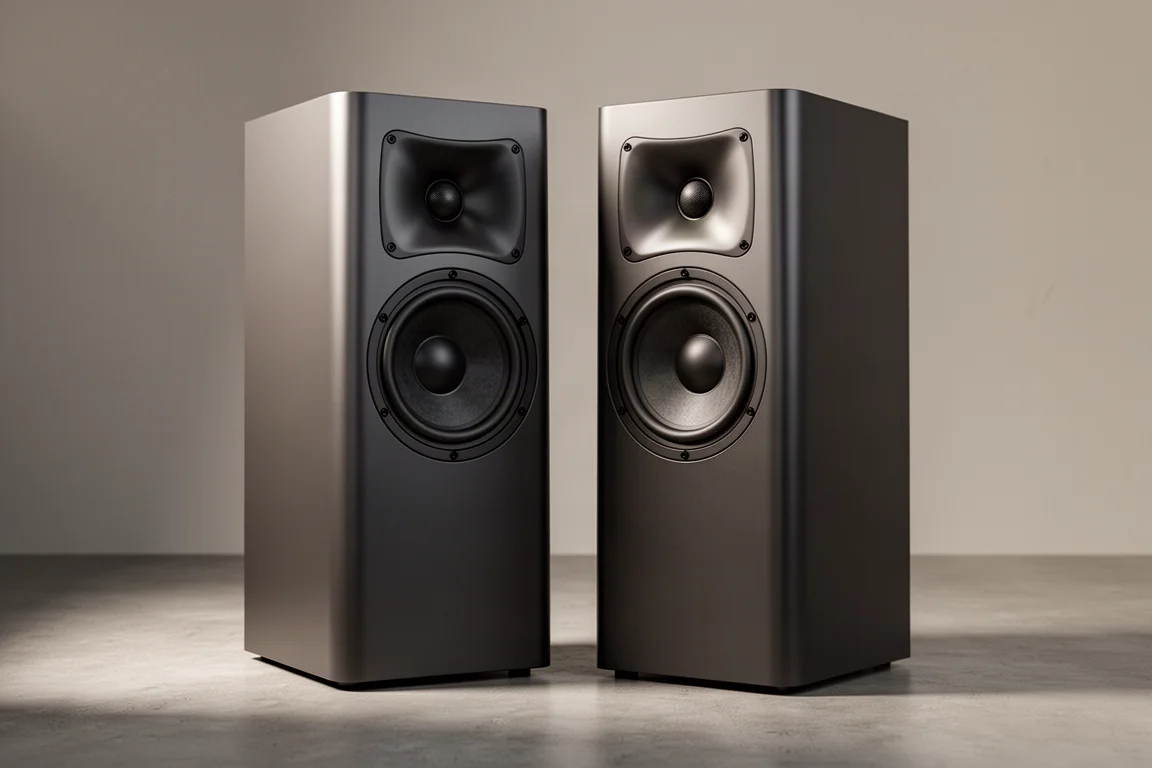
JS Labs is a small, newly formed speaker brand based in Korea. Its active studio monitor is a hand-built design that has not yet been released in its home market, which makes it an unusual find: a monitor built around premium driver and amplification choices and finished to a standard that holds up against far more established high-end designs.
The cabinet is sealed, each driver was selected for low distortion in its own working band, and the front baffle combines a shaped waveguide with a horizontal woofer and midrange layout. The result is a monitor that stays neutral while remaining genuinely musical.
That combination is rare at any price. Within seconds of music playback the character of the speaker is clear: open, clean and free of the hardness that often comes with metal dome tweeters. This review looks at what the design gets right, where it stands out technically, and what a buyer should confirm before planning a purchase.
Who This Monitor Is For
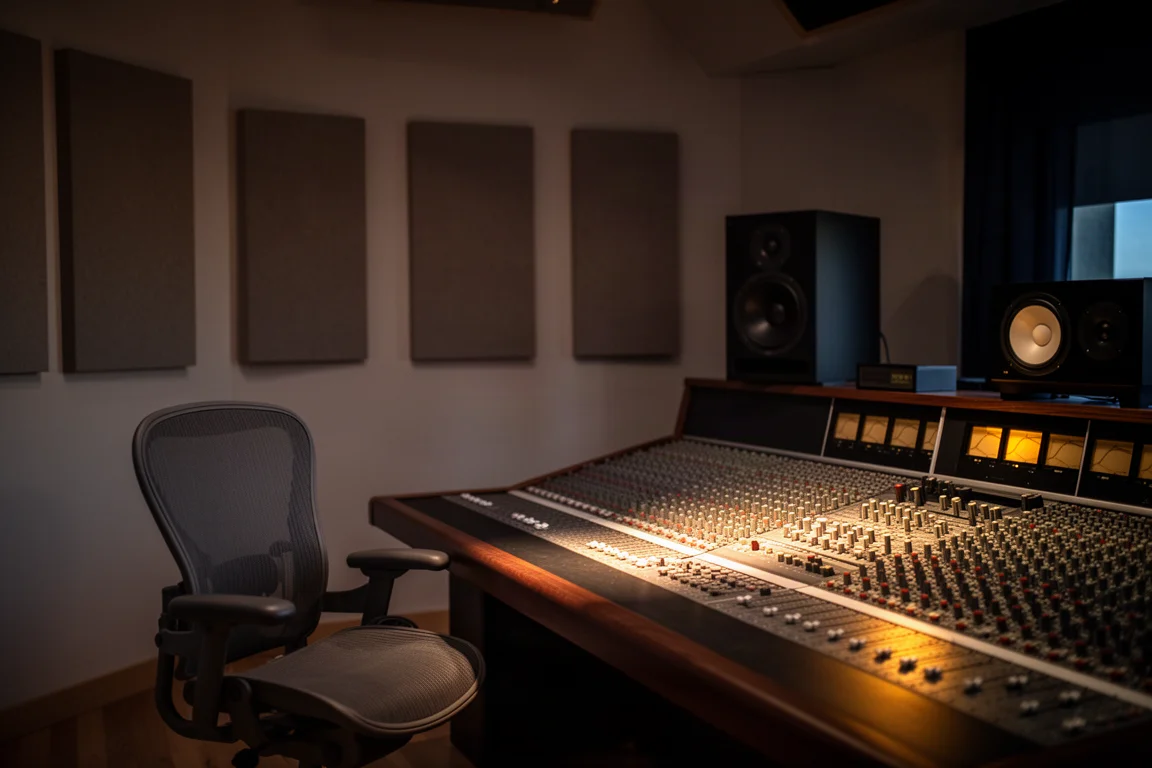
This is first and foremost a working tool. The studio that commissioned the design is used mainly for vocal work, mixing and mastering, and the owner reports that it has become the reference he trusts for fast, accurate decisions during sessions.
It also suits listeners who want a neutral speaker for enjoyment rather than work. The presentation stays transparent without stripping the life out of music, which is often the trade-off with studio-first designs.
The background is worth knowing. The owner originally planned to buy a well-known reference monitor, but local pricing rose sharply with exchange rates and pushed it out of reach. He then tried the builder’s first model, the Panda MK1, found it far better than expected for the money, and commissioned a custom design instead. That path will be familiar to anyone shopping in this corner of the market: a small maker with deep technical knowledge, aiming at performance that normally costs considerably more.
Main Strengths: Neutral Sound With Real Musicality
The first thing that stands out is tonal balance. The monitor is neutral, but it avoids the clinical, brittle quality that some studio speakers have. Low frequencies extend well for a sealed cabinet, and the bass is textured, punchy and dynamic rather than bloated.
Under the hood the design uses a Hypex amplification module with DSP control, and each driver was chosen for the lowest distortion in its own band: a Satori woofer, an SB Acoustics midrange and a Bliesma beryllium tweeter. That is a serious component set for a monitor from a small brand.
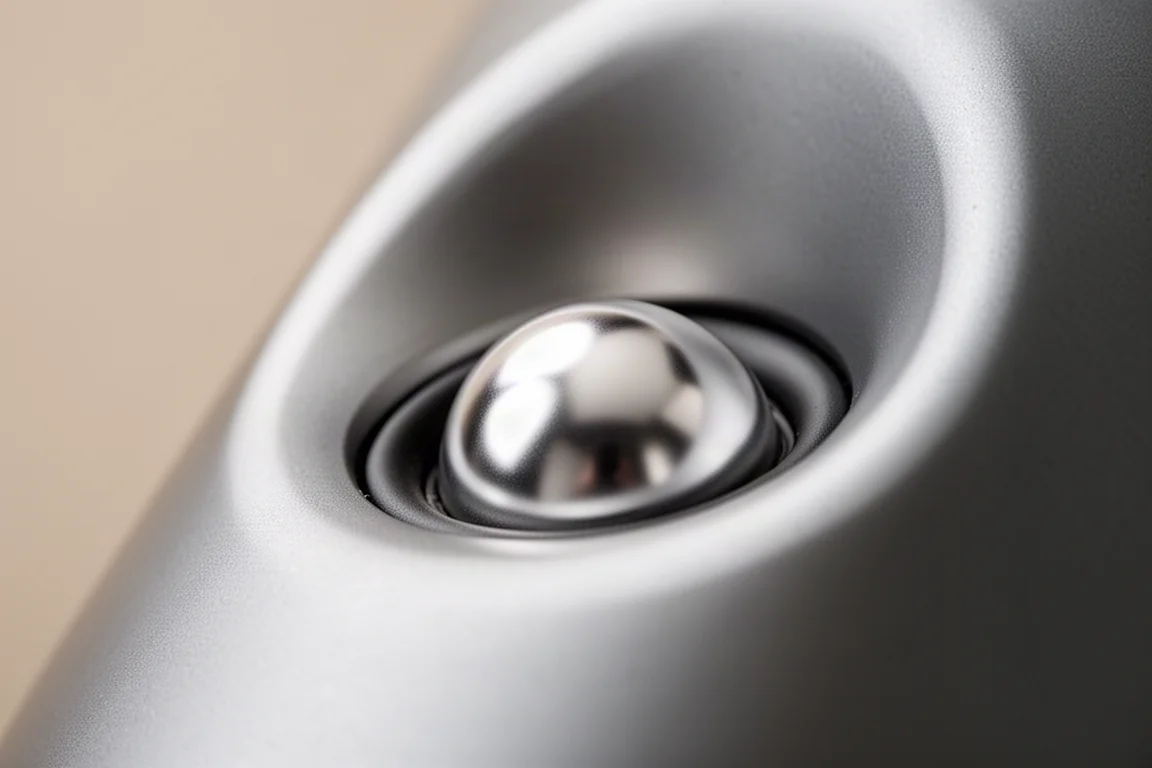
Bass roll-off is even, which matters in a small room. On demanding low-frequency material the speaker holds its composure and keeps notes separate instead of blurring them together. The tweeter stays detailed without harshness, and the midrange is clear and uncoloured, so long sessions do not turn fatiguing.
For a sealed design, reaching this low is unusual, and it is one of the reasons the monitor works as well for listening as it does for critical work.
Driver Array, Waveguide and Cabinet Design
The front baffle is where this monitor differs from a typical design. Instead of a vertical stack, the woofer and midrange sit side by side in a horizontal arrangement, paired with a shaped waveguide around the tweeter. That layout controls directivity lower in frequency than a conventional vertical array, which helps the speaker stay consistent off axis.
The woofer and midrange cross over in the region of 300 Hz, and horizontal directivity stays wide down to roughly 200 Hz. In a treated room or a nearfield setup, that translates into a more stable image and a listening window that does not collapse as soon as you move your head.
Getting the cabinet right took a long development process. The waveguide was originally 3D printed and painted, but the finish never came out smooth enough, and the paint quality on the rest of the cabinet fell short as well. The builder eventually sanded everything back and moved the work to an automotive paint shop, where the cabinets received a matte automotive finish that delivered the intended texture and colour.
Measurement was equally involved. Midrange and tweeter response could be captured cleanly at one metre in a large space, but low-frequency behaviour required an outdoor ground-plane measurement on a rotating platform to confirm directivity in the lower midrange. That level of verification is unusual for a maker of this size.
Things to Consider Before Buying
Availability is the main practical issue. JS Labs is a startup, and the monitor is not currently sold in the Korean market. Work to bring the design to the North American market is under way, but launch timing, pricing and distribution have not been confirmed.
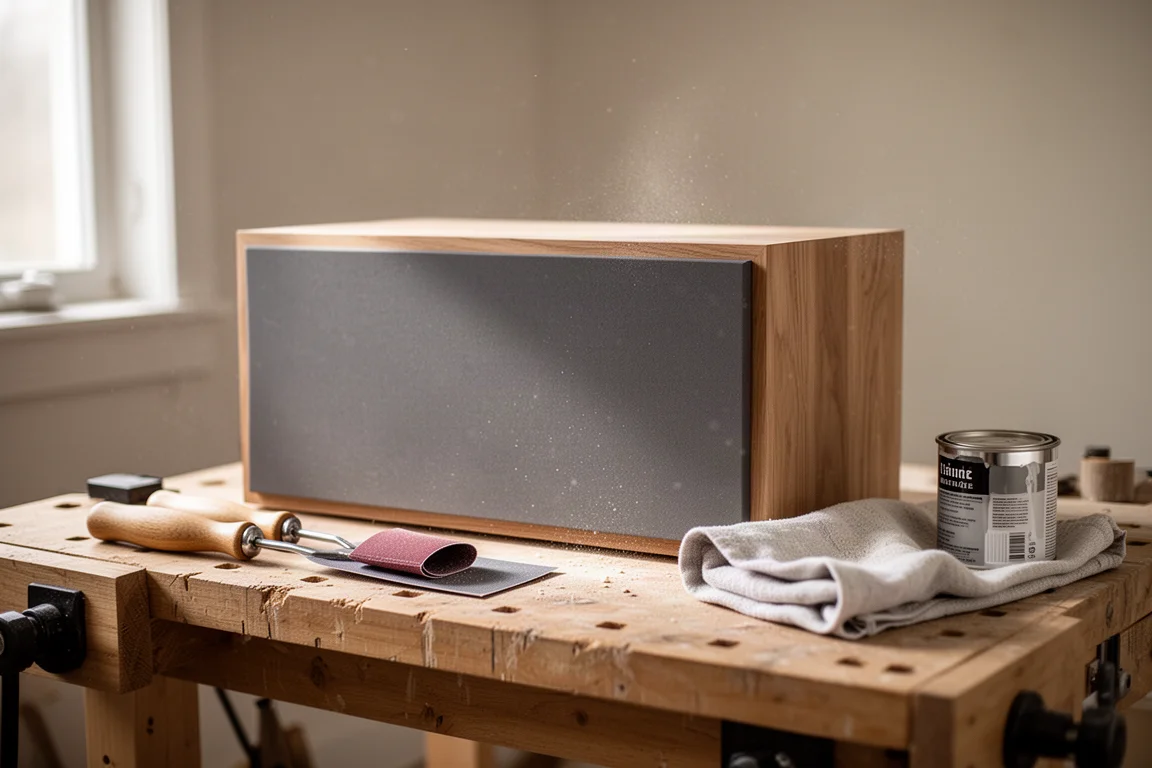
Because the speakers are hand-built in small numbers, buyers should expect limited supply and a lead time rather than off-the-shelf availability. The finishing process alone involves automotive painting, which is not a fast or high-volume method.
It is also worth treating this as a specialist purchase. If you need a widely supported brand with local service networks, an established monitor line will be easier to live with day to day. If you want maximum performance for the money and can work with a small maker, the trade-off looks considerably more attractive.
Buying Advice
For mixing and mastering work, the case for this monitor is strong. The studio owner reports that bass recording sessions that used to take around an hour and a half now finish in under forty minutes, because players hear their own instrument more accurately. Producers returning to the room with familiar material have noted better separation, and the owner describes the monitor as fully satisfying for daily work.

For listening at home, the appeal is different but real. The speaker is neutral enough for critical use and musical enough to enjoy after a long day, with bass that reaches low without the usual sealed-cabinet compromise.
Before committing, confirm three things directly with the maker: the exact driver complement, the crossover and DSP configuration, and the available finish options. Then match the monitor to your room. Directivity control and a sealed cabinet both reward careful placement, and a nearfield to midfield setup is the natural fit.
Conclusion
The JS Labs studio monitor is a serious piece of engineering from a very small brand: a sealed cabinet, low-distortion drivers, a beryllium tweeter, Hypex amplification with DSP control, and a directivity strategy normally found further up the market. Its biggest limitation is simply that it is not easy to buy yet. If the brand reaches wider availability at the kind of value its owner is targeting, it deserves a place on the shortlist of anyone shopping for a high-end active monitor.
Product link
View more details for JS Labs Studio Monitor
This product is mentioned in the review. Check the specifications, options, and compatibility before buying.
View more details for JS Labs Studio MonitorFurther reading
Related Reviews
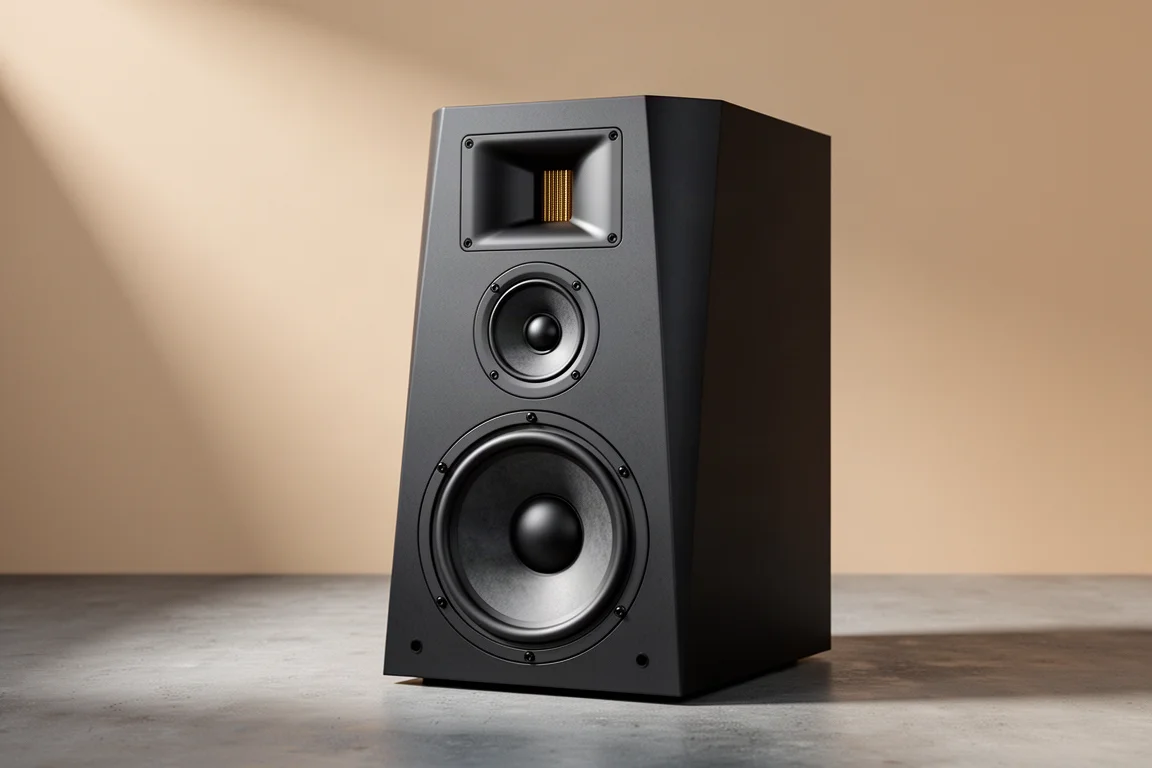
Studio Monitors
ADAM Audio A8H Review: A Three-Way Studio Monitor That Also Knows How to Have Fun
A three-way active studio monitor with an 8-inch woofer, a handmade AMT tweeter, and two distinct tunings, the ADAM Audio A8H aims to satisfy both critical work and everyday listening.

Studio Monitors
Best Studio Monitors 2026: Six High-End Options Compared
We tested six premium studio monitors in a real studio space to see which ones deliver the best mix of accuracy, musicality, and value.
Studio Monitors
Focal Alpha 65 Evo Review: An Honest Studio Monitor With Real Bass
A bi-amplified active studio monitor with deep bass, useful tone controls and a truthful, uncoloured voicing, assessed for small studios and home setups.