Snowboards
Jones Ultra Light Project X Review: A Lightweight Freeride Snowboard Built for Speed
A detailed look at the Jones Ultra Light Project X, a lightweight directional freeride snowboard with a rocker-camber-rocker profile, a reactive flex, and a clear appetite for speed.
Introduction
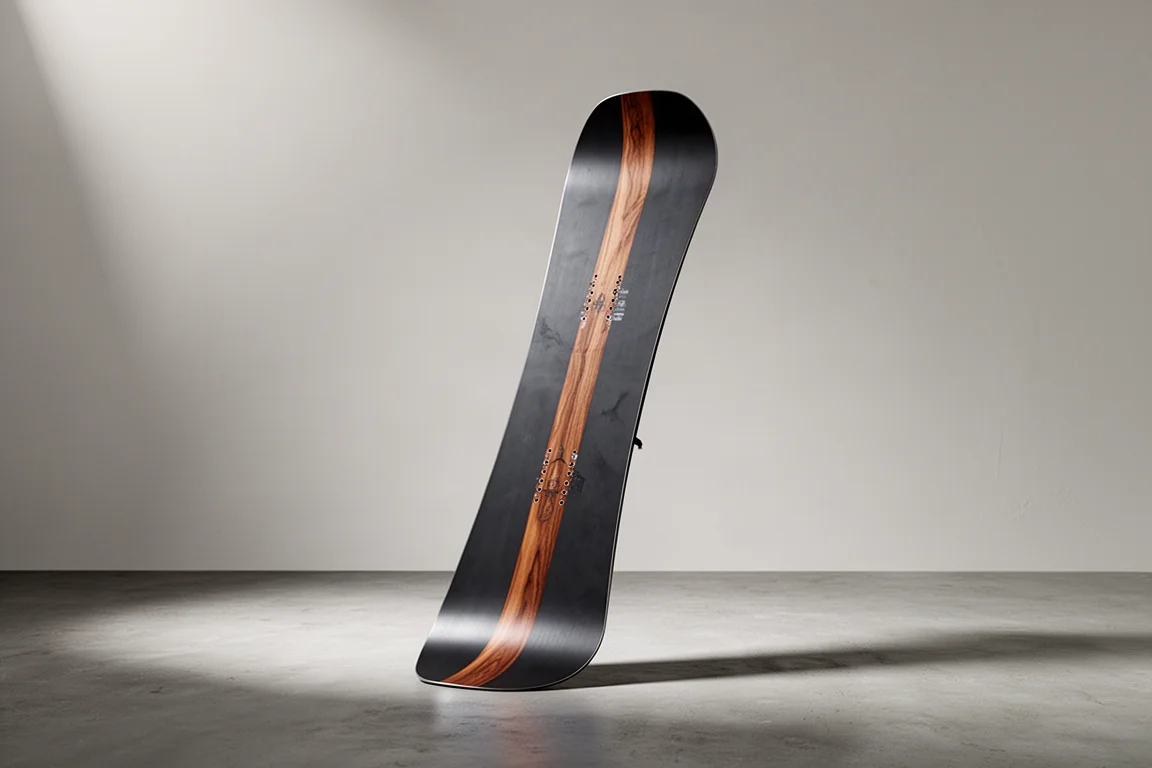
The Jones Ultra Light Project X is a directional freeride snowboard built around a lightweight construction and a camber profile that shifts along the length of the board. It is offered in 156 and 159, and it sits on the stiffer side of the freeride spectrum without tipping over into full death plank territory.
The defining trait of this board is how much it changes with speed. What some riders read as excessive stiffness is really reactivity, and that reactivity scales up as the board accelerates. It was ridden across a mix of mid season conditions, including hard death cookies, chopped chunder, creamy snow and pockets of wind loaded snow, on a bright sunny day.

Underfoot it stays composed, and on edge it holds a line without feeling like it will kick out. That combination of low weight and dependable edge hold is what gives the Project X its particular character.
Who This Snowboard Is For
This board is aimed at the weight conscious freeride rider who wants a strong technical story behind their setup. The lightweight build means less fatigue over a full day and less of a full body workout than a heavier freeride deck of similar stiffness.
It is not designed to be everyone’s cup of tea. Riders who want a playful, forgiving board for slow speed tricks and buttery turns will find it does not play along. Riders who want a directional freeride board that gets more powerful the faster they push it will find much more to like.
Directional Camber and Ride Feel
The Project X uses a directional camber profile: a longer rocker section in the nose, camber underfoot, and a shorter rocker in the tail. That layout delivers the load, pop, snap and drive associated with traditional camber underfoot, while the nose rocker makes turn entry and exit easier and improves float in powder.
The flex runs from a slightly softer nose progressively stiffening toward the tail. Torsional flex is very rigid and responsive, which is what gives the board its precise feel on edge. Overall the flex sits in the middle of the freeride spectrum, not a full death plank but not leaning toward a mellow all mountain ride either.
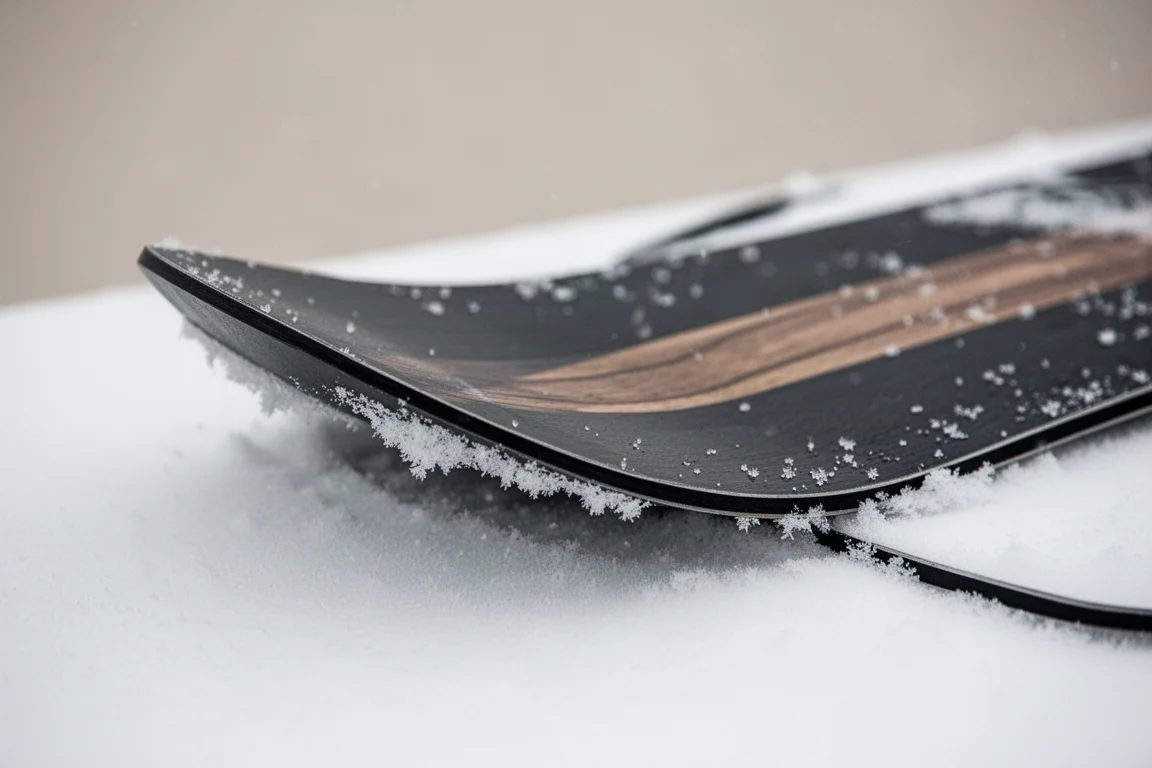
Stability is unusual on this board. Chatter resonates along the length and works its way out through the tail, so the nose can visibly flap and look far more alarming than the ride actually feels. A small amount of that chatter reaches the rider underfoot, but the board still dampens well enough to feel solid, with only minimal micro vibrations coming through.
Main Strengths
Damping and stability are the headline strengths. Even when the board looks like it is flapping itself to death, it stays composed and does not punish the rider. On heavily rutted terrain you feel a little more of that feedback, but the ride remains solid rather than harsh.
Pop is generous. Even without actively loading the board you get a dependable spring, and at speed the effect multiplies: load the camber section, roll back onto the tail rocker, and the board releases with real force. Because it grows more reactive as speed increases, it rewards riders who carry momentum and gives back more power and response the harder it is pushed.
Carving and High-Speed Performance
Carving on the Project X is deliberate rather than immediate. Engagement outside the front foot is slower, delayed and calculated, but once the board locks in with Traction Tech 3.0 it can be steered with ankle input alone. You can feel how much power is going into the board through ankle flexion, and kicking the knee toward the centre of the board to press the camber and drive off the tail adds a substantial amount more.
That split personality changes how the board carves. Quicker engagement under the front foot helps with short, tight, rapid turns, while laying it over sends power from inside the front foot all the way back through the tail. It grips, rips and lays trenches, and it is happiest when ridden fast around the mountain.

Despite the low weight, the board still dampens enough on edge that kicking out is not a concern. That is the balance the Project X strikes: light enough to reduce fatigue, stable enough to trust when you commit to a hard edge.
Things to Consider Before Buying
Buttering is not a strength. The tail tends to do high speed wheelies, and pressing into the nose to pop a 180 means fighting the rocker right where it meets the camber, because the board wants to set back down. It is not a fun experience on this deck, and riders who prioritise ground trick play should look elsewhere.
Rutted terrain transmits a little more feedback than smooth groomers, which is a natural consequence of how reactive the board is. The price tag is also likely to give some buyers pause. It is worth being honest about whether the lightweight freeride package matches how you actually ride.
Buying Advice
Pairing this board with the right bindings matters. The Jones Mercury, Rome Katana and Union Atlas are all sensible matches for its freeride character and its stiffness. If you are cross shopping, the Capita Mega Death, Korua Pencil Plus and Nitro Highlander occupy comparable ground in the freeride category.
It is worth noting that the Project X is actually softer than the new Stratus, so riders who assumed it would be the stiffer of the two may be surprised. If you want a lightweight freeride board with real technical pedigree and you are comfortable paying for it, the Project X delivers on that promise.
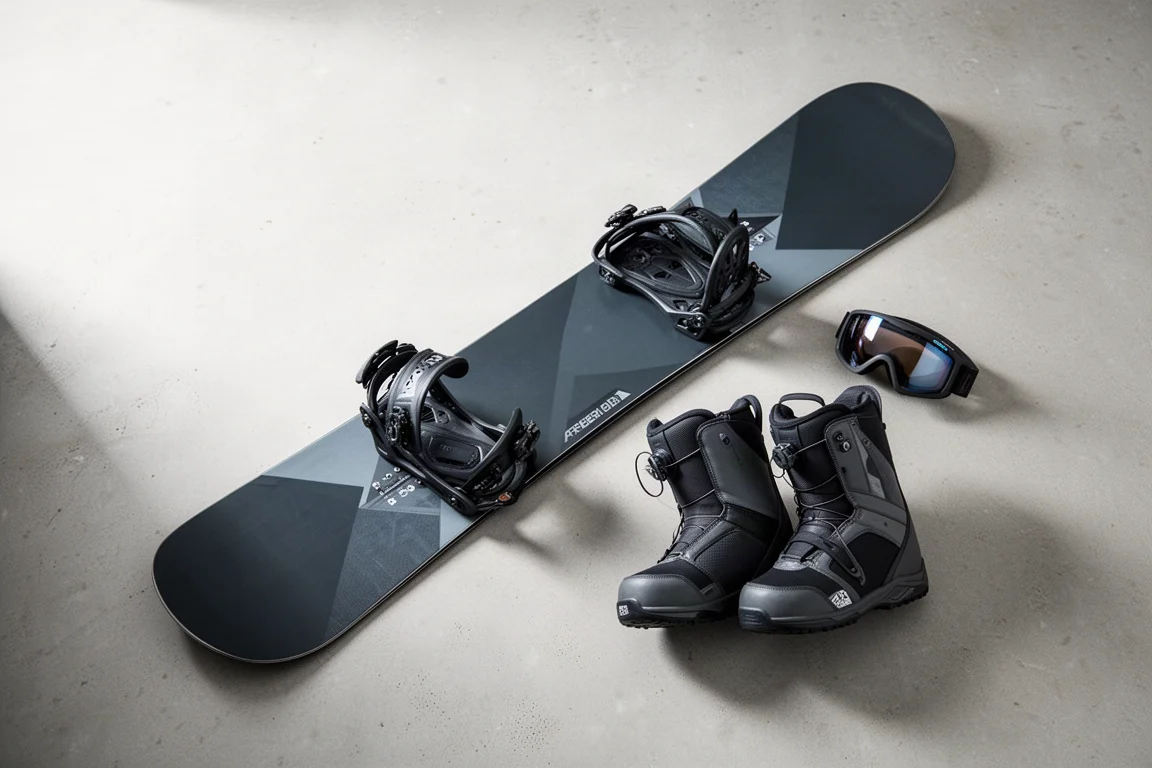
The right buyer here is someone who rides fast, values low weight, and wants a board that gets better the harder it is pushed. Match it to that riding style and it rides exceptionally well.
Conclusion
The Jones Ultra Light Project X is a reactive, lightweight directional freeride snowboard with a distinctive rocker-camber-rocker profile, a rigid torsional flex and a clear appetite for speed. It is not a playful board and it will not suit every rider, but for the weight conscious freeride rider who wants a strong technical story and a deck that rewards commitment, it makes a compelling case.
Product link
View more details for Jones Ultra Light Project X
This product is mentioned in the review. Check the specifications, options, and compatibility before buying.
View more details for Jones Ultra Light Project XFurther reading
Related Reviews
Snowboards
32 Middle Earth Scott Stevens Pro Model Snowboard Review: A Park Board With a Reversed Flex
A medium traditional camber park board with carbon V reinforcement that is stiffer in the tips and more playful between the feet. Here is how it rides and who it suits.
Snowboards
32 Snafu Review: A Directional All-Mountain Freestyle Board with Serious Pop
The 32 Snafu pairs a directional camber-rocker profile with a stiffening tail for powerful carves, big ollies, and a surprisingly damp ride.
Snowboards
32 XXX Pat Fava Pro Snowboard Review: A Stiff Camber Beast for Hard-Charging Riders
A full-width traditional camber deck that rewards aggression with stability and edge power, but demands effort everywhere else.