Snowboards
Jones Ultra Flagship 2022 Review: A Stiff Freeride Snowboard That Stays Manageable
A closer look at the 2022 Jones Ultra Flagship, the stiffer freeride build in the Flagship line, covering its directional camrocker profile, power plates, edge hold, powder float, and who should consider it.
Introduction
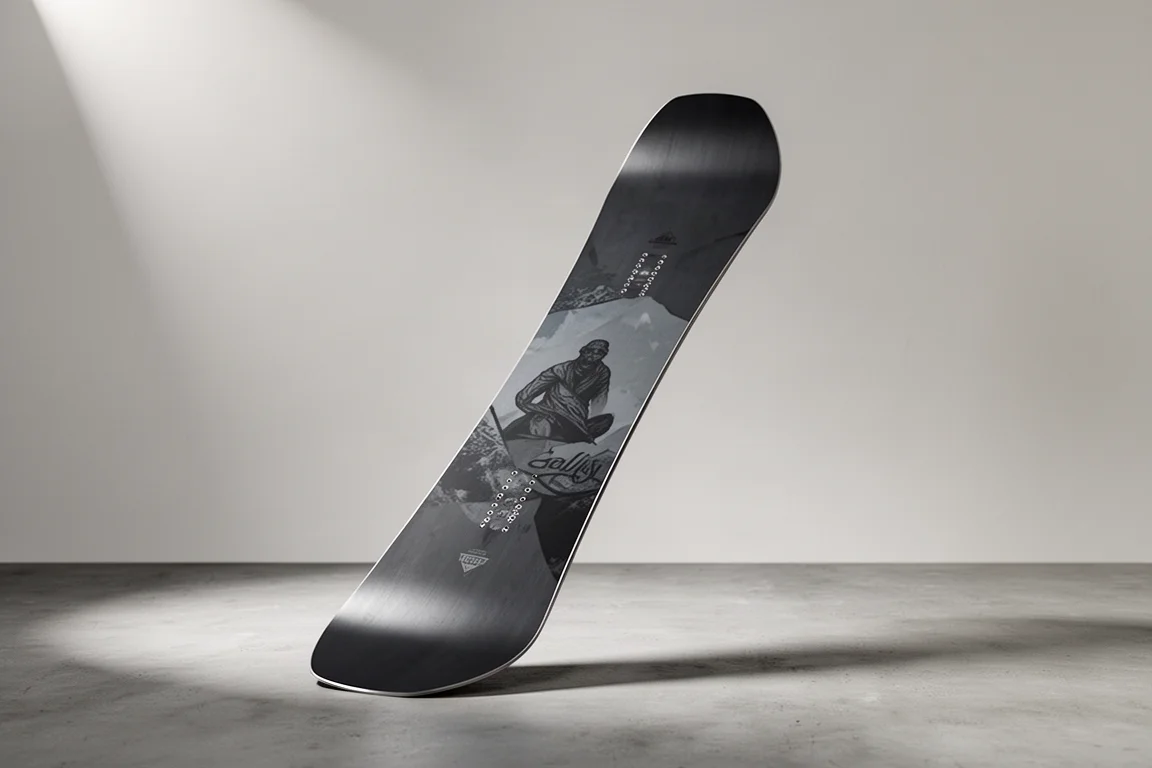
The Jones Ultra Flagship is the firmer of the two boards in the Flagship line, and that single design decision shapes nearly everything about how it rides. Where the standard Flagship leans toward all-terrain versatility, the Ultra version is built around a full directional freeride flex that sits squarely on the stiff side of the spectrum.
It is offered in 158, 161, 162 wide, 164, and 165 wide, which gives riders a reasonable spread of lengths and two wide options for larger boots. For anyone weighing up a dedicated freeride deck, the interesting question is not whether the Ultra Flagship is stiff, because it clearly is, but whether that stiffness translates into a board that still feels controllable over a full day.
Who the Jones Ultra Flagship Is For
This board is aimed at the pure freeride rider who wants a single snowboard that can handle all types of terrain. Steep tracked lines, churned resort snow, and powder days all fall inside its remit, and the stiff directional flex rewards a rider who is willing to put weight into the board rather than steer it from a neutral stance.
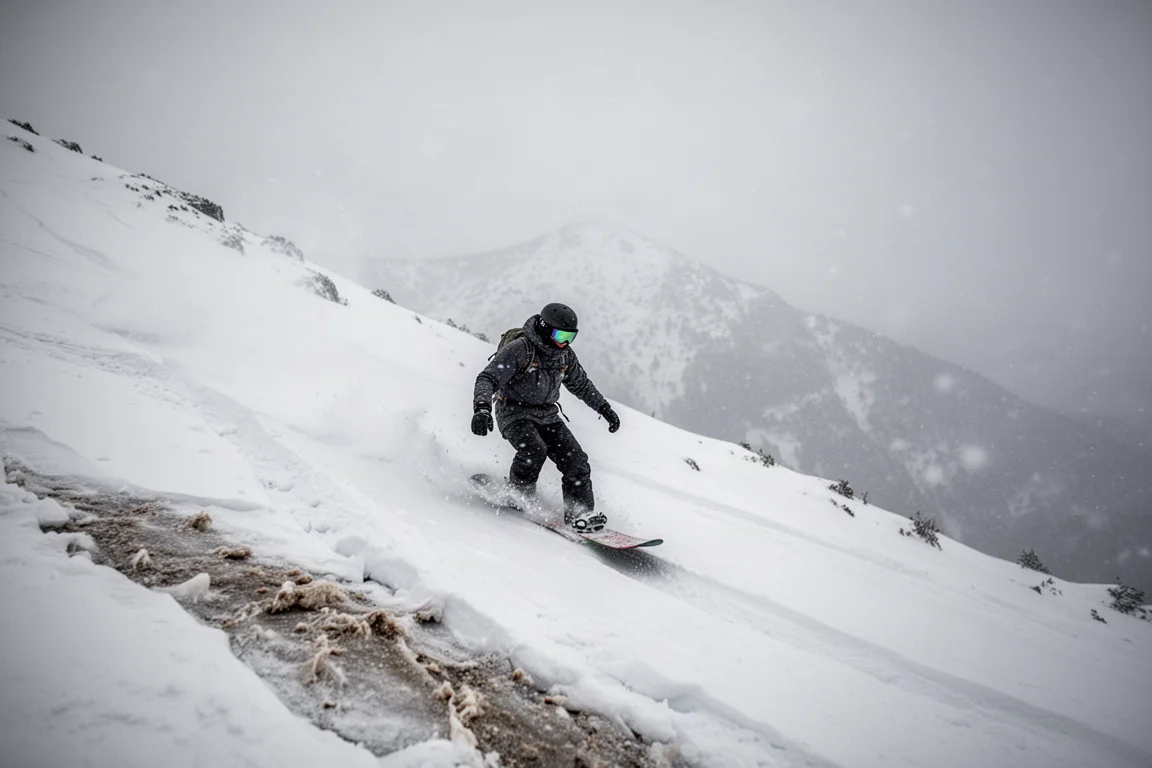
What makes the Ultra Flagship more approachable than its flex rating suggests is that it does not demand constant correction. It is not one of those freeride boards that has to be manhandled from the first turn to the last. A rider can be a little laid-back on it, which is a notable shift for this line, since earlier generations tended to require full attention at all times.
Shape, Flex, and Construction
The profile is Jones’ directional camrocker, which means more rocker in the nose, camber through the midsection, and rocker in the tail. The camber section delivers the spring and load associated with traditional camber underfoot, while the rocker at either end makes turn entry and exit easier and improves powder float.
Flex is progressive rather than uniform. The nose is ever so slightly softer right up to where it meets the camber zone, and from there back through the tail the board stiffens gradually. There is a small amount of torsional flex, enough to let the board twist during ankle steering without feeling loose.
The 2022 build also adds power plates along the sidewall. These are the main reason the board feels as damped as it does, and they change where the big flex points land when the terrain gets rutted and the hits start coming through the feet.
Stability and Damping in Chunder and Ruts
Stability is the headline characteristic here. The power plates dissipate the micro vibrations that normally travel up through a stiff board, and they shift the major flex points to inside the front foot, inside the back foot, and just outside the tail. In practice that means the board plows through chunder and difficult snow without being knocked off line, and it stays on top of things when the surface is cut up.
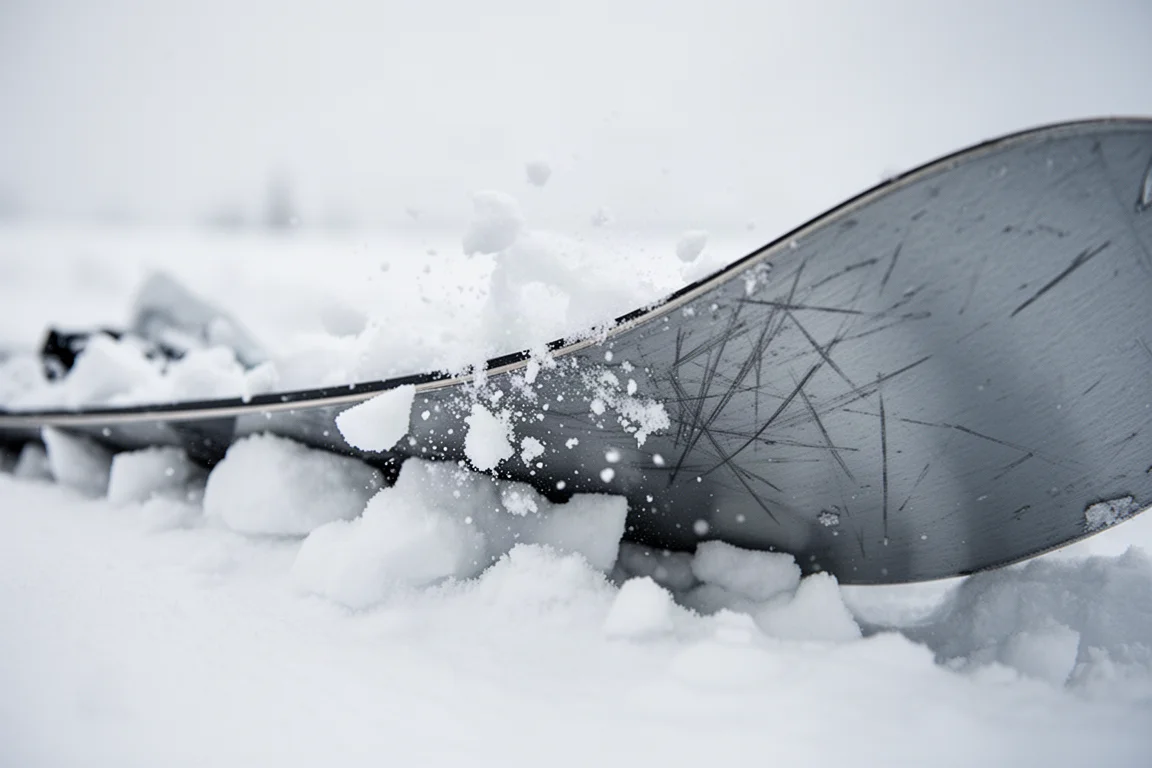
The nose is the one area where some chatter appears, which is a natural consequence of running more rocker up front, but it largely dissipates by the time the vibration reaches the front foot. On a day with heavy wet snow sitting on top of frozen, crusted corduroy, the board handled the contrast between soft surface and hard base without becoming unpredictable.
Turning, Carving, and Edge Control
This is a genuinely enjoyable board to turn. The 3D shaping in the nose reduces the effort needed to get it on edge, while also bringing steering back to just outside the front foot. The result is a fluid, nimble roll into the turn, engagement just outside the front foot, and then drive from inside the front foot back through the tail. That rear section stays locked in once it is loaded.
It will lay over on edge when asked. Euro carves are well within reach, short quick turns are no problem, and medium mellow carves feel just as natural. The board wants to turn in essentially all conditions, and the power plates underfoot help when steering input comes from directly beneath the feet, smoothing out vibration on edge in rough or rutted terrain.
Powder Float and Nose Butters
The immense rocker in the nose, combined with the slightly softer flex there, creates a usable platform for powder butters, swivels, and spins. Engaging that rocker takes commitment: the rider has to get weight well out over the nose and effectively sit in that section of the board to flex it and stay locked in.
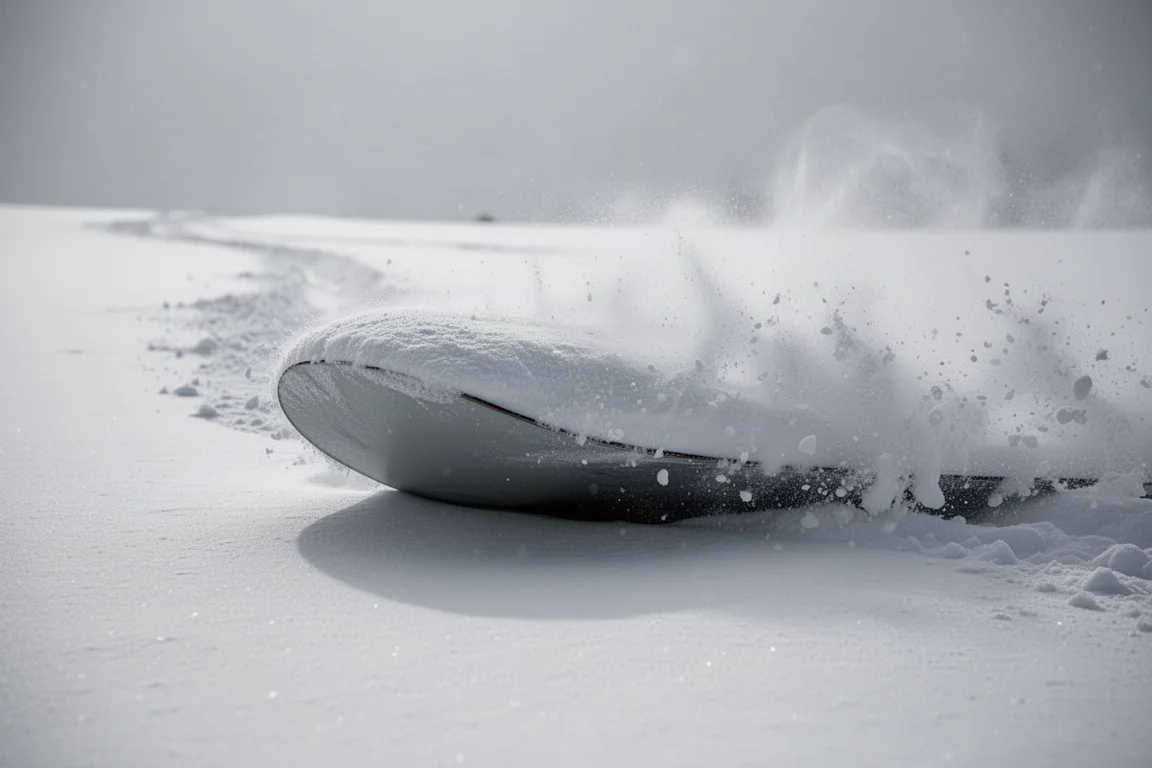
The board does push back. Because of the camber section, the nose wants to pop back out rather than stay compressed. The tail behaves similarly. Tail wheelies and sideways slides off the tail are possible, but they take noticeably more work than most riders will want to invest. In deep, heavy snow the float is excellent, and the nose planes up on top of the surface without effort. When the board does sink through to hard, icy layers underneath, the edge engages and locks in.
Pop, Ollies, and Playfulness
Loading the camber section takes real effort on the Ultra Flagship. A rider has to drive weight down into the board to activate the tail rocker and create a springboard effect. When that happens, the board has more than enough pop to clear whatever is in front of it and to send a jump as far or as high as the rider is capable of going.
It is not, however, an exceptionally snappy board. This is not the deck for rapid-fire ollies, popping off one feature, landing, popping again, and chaining that rhythm together. It delivers committed, single-purpose pop rather than playful, repeated pop.
Things to Consider Before Buying
The stiffness is the first thing to weigh up. This is the stiffer of the two Flagship models, and it takes deliberate input to load. Riders who prefer a board that flexes easily under a lighter touch may find it demanding.
Nose chatter is present because of the rocker profile, even though it dissipates before reaching the front foot. Tail wheelies and manual-style riding require more work than the shape might suggest. And anyone shopping for a park or jib-focused board should look elsewhere, because this is a directional freeride build with a clear brief.
Buying Advice and Setup
Binding pairing matters on a board this stiff. Jones Apollo, Ride A-10, and Union Atlas are sensible matches for the flex and the freeride intent. Riders cross-shopping should also look at the Nitro Superteam, the Capita Black Snowboard of Death, and the Ride Berzerker, which occupy similar freeride territory.
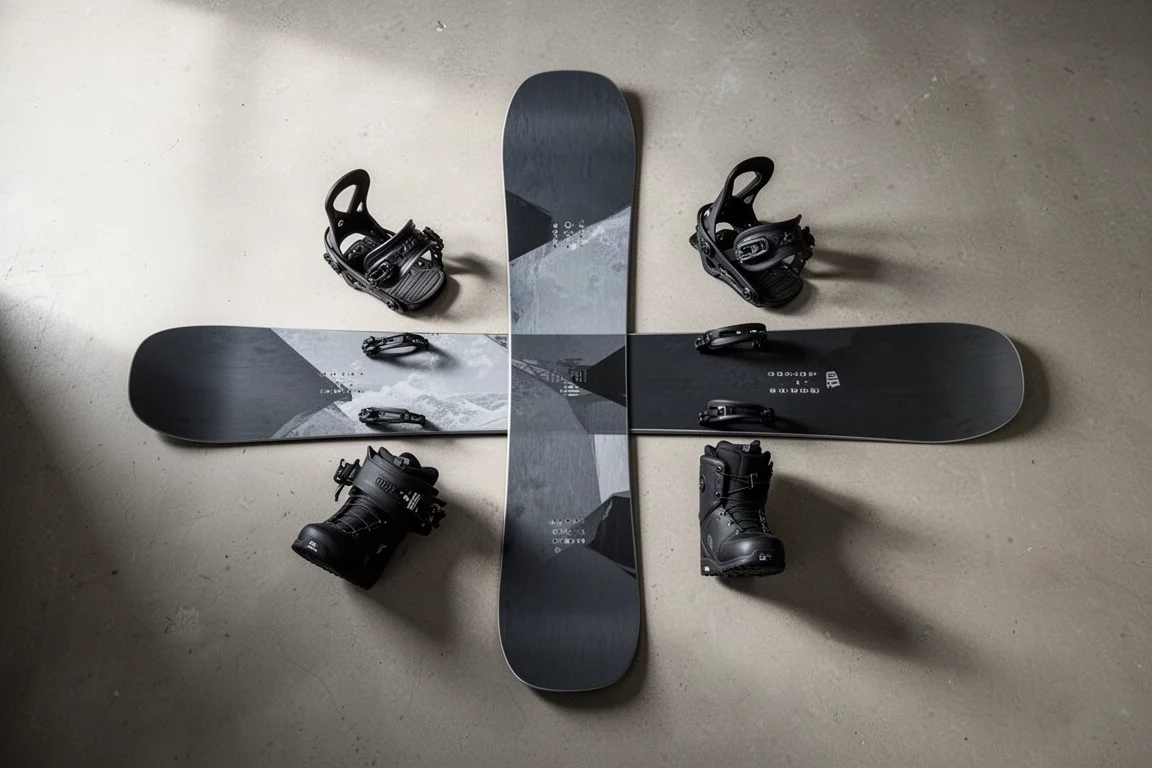
On sizing, the 158 through 165 wide range covers most adult riders, with the two wide options serving larger boots. Matching length to weight and to the terrain a rider actually rides most often will matter more here than chasing the longest option available. Choose the Ultra Flagship if stability at speed, strong edge hold, and predictable behavior in rough snow are the priorities. Choose the standard Flagship instead if a slightly softer, more forgiving flex is the better fit.
Conclusion
The 2022 Jones Ultra Flagship is a stiff, precise freeride snowboard that has become noticeably easier to live with than earlier versions of the line. It delivers the stability and damping that aggressive riders want in chunder and rutted terrain, floats well in heavy powder, and turns with genuine fluidity, all without demanding a rider’s absolute best form on every run. The trade-offs are honest ones: loading the camber takes effort, pop is powerful rather than snappy, and tail tricks are hard work. For a committed freeride rider who wants one board for steep lines, rough snow, and powder days, those compromises line up with the way the board is meant to be ridden.
Product link
View more details for Jones Ultra Flagship
This product is mentioned in the review. Check the specifications, options, and compatibility before buying.
View more details for Jones Ultra FlagshipFurther reading
Related Reviews
Snowboards
32 Middle Earth Scott Stevens Pro Model Snowboard Review: A Park Board With a Reversed Flex
A medium traditional camber park board with carbon V reinforcement that is stiffer in the tips and more playful between the feet. Here is how it rides and who it suits.
Snowboards
32 Snafu Review: A Directional All-Mountain Freestyle Board with Serious Pop
The 32 Snafu pairs a directional camber-rocker profile with a stiffening tail for powerful carves, big ollies, and a surprisingly damp ride.
Snowboards
32 XXX Pat Fava Pro Snowboard Review: A Stiff Camber Beast for Hard-Charging Riders
A full-width traditional camber deck that rewards aggression with stability and edge power, but demands effort everywhere else.