Snowboards
Jones Ultra Craft Review: A Stiff Freeride Powder Board With a Clear Rider in Mind
A closer look at the Jones Ultra Craft, a stiff directional freeride and powder snowboard that rewards aggressive input and punishes hesitation.
Introduction
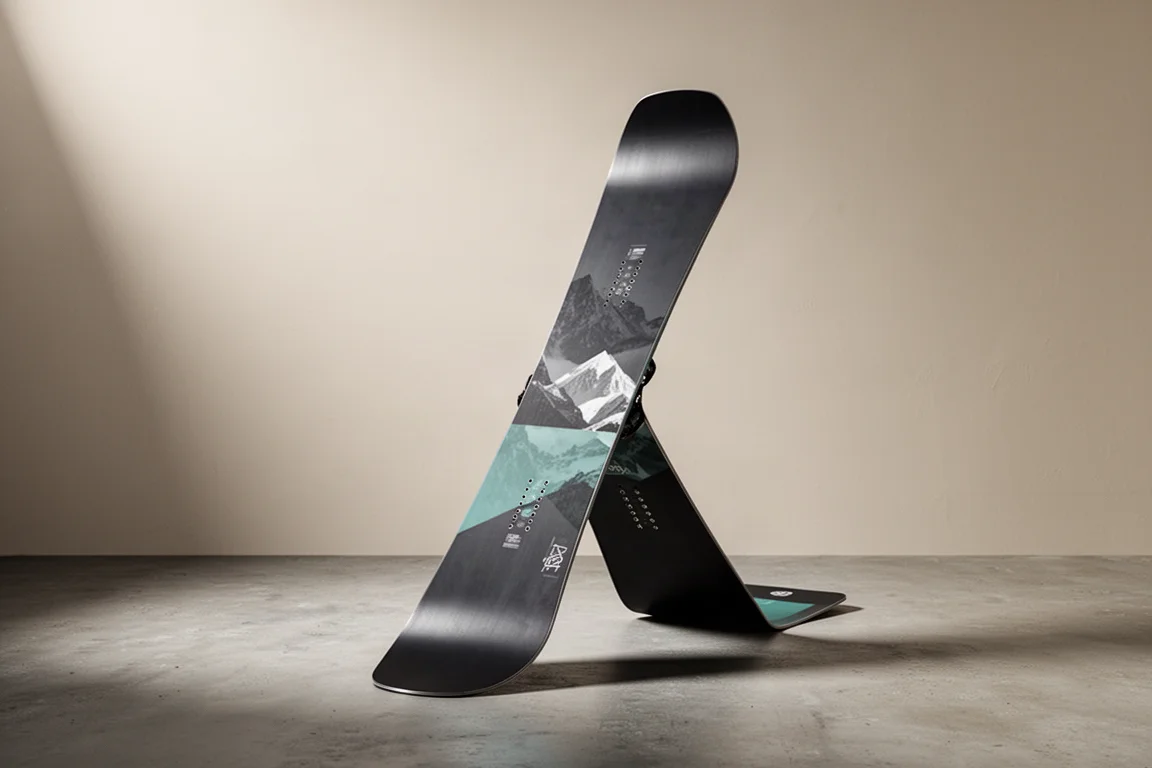
The Jones Ultra Craft is the stiffer, more aggressive take on the Hovercraft shape, and that single design decision shapes everything about how it rides. It is a directional freeride and powder snowboard built for riders who want to push hard and stay planted.
The board uses Jones’s Directional CamRock profile. Camber sits setback through the insert pack, with more rocker in the nose than in the tail. That combination is meant to preserve the load-and-pop character of traditional camber while keeping the float and easy turn entry that nose rocker provides.
It is offered in three sizes: 152, 156, and 160.
Who the Jones Ultra Craft Is For
This is a board for the hard-charging powder and resort rider. The Ultra Craft is stiff by design, and it is happiest when it is being driven hard through deep snow, chop, and variable terrain rather than cruised around the mountain.
It is worth being honest about the ceiling here. At roughly 200 pounds on the 156, the board can feel like more snowboard than the rider wants to manage. Riders who prefer a looser, more playful feel may be better served by the standard Hovercraft, which shares the shape language without the same demanding flex. Riders who want a board that locks in, holds a line at speed, and refuses to get pushed around are the intended audience.
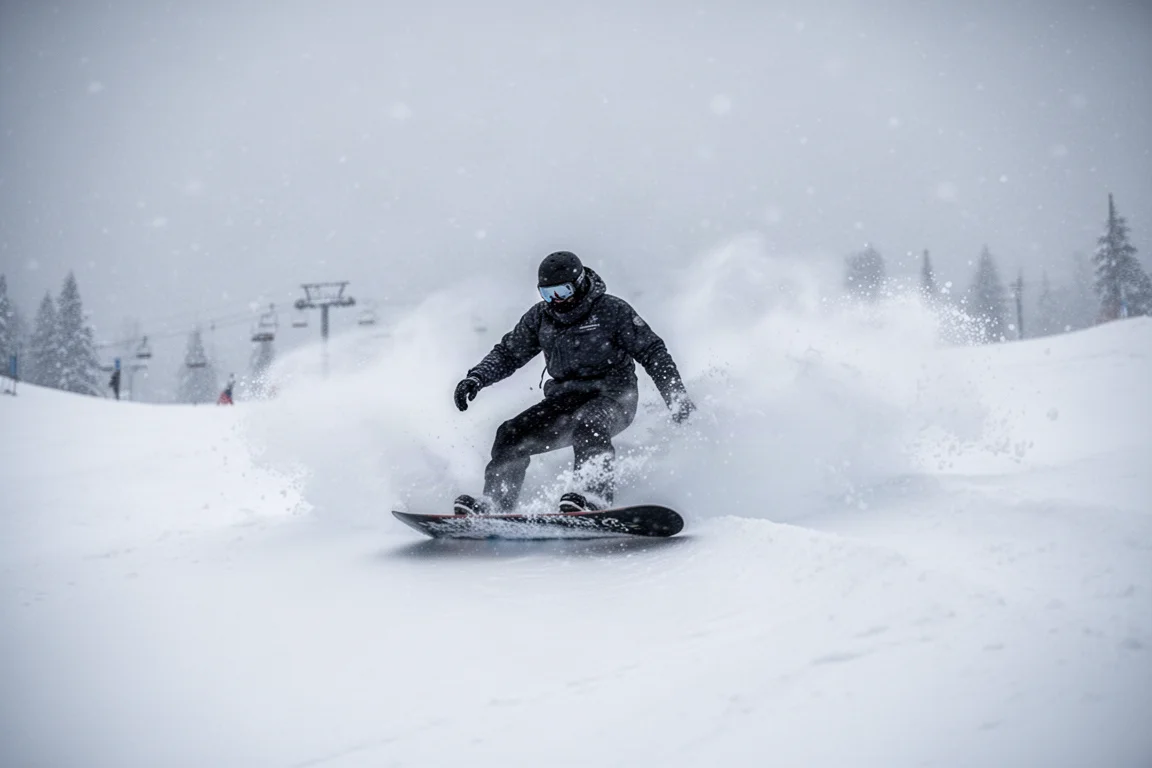
In other words, this is a board you choose deliberately. If your riding leans toward deliberate, aggressive input rather than a surfy, low-effort feel, it belongs on your shortlist.
Main Strengths: Stability at Speed and in Powder
Stability is where the Ultra Craft makes its strongest case. There is a little chatter at the nose, but it is effectively gone by the time anything reaches the front insert pack, and from there the ride is solid. Rutted, uneven, variable snow at any speed does not buck the board around. It wants to run over whatever is in front of it and keep going.
In powder, the profile does its job. The rocker in the tail lets the nose rise, and the 3D shaping in the nose funnels snow out and around rather than letting it pile up. In waist-deep conditions the board stayed on top and plowed through everything underneath without faltering.
The overall sensation is of a board that cuts through its line rather than negotiating with it. That is exactly the trait that makes a stiff freeride shape worth owning for the right rider.
Flex, Pop, and Turn Feel
From the tail to just outside the front insert, the board is extremely stiff, with very little torsional flex. The nose is slightly softer, mostly because of the rocker rather than any core profiling, and that shows up as a bit of flap out front rather than a meaningfully forgiving tip.
There are two defined flex points: one just inside the front foot and one just outside the back. They become noticeable when the board is really pushed and driven, and most riders will not feel them unless they are fully on top of their game.
Pop takes work. Activating the small rocker section in the tail requires loading the camber aggressively, and it does not come easily. When it does engage, there is enough snap to clear a rock, land a side hit, or drop a small cliff, but it is a functional amount of pop rather than a standout one. Buttering is not this board’s strength; the stiffness and shape resist it.
Turning is where the shape reads clearly. The board locks in with a gripped feeling underfoot, and steering is driven from the tail through the midsection rather than from the ankles. It is quick and nimble to a point, and ankle steering will not get much done. Because of the 3D shaping and the abundance of nose rocker, turns start further toward the tip, in the rocker zone, before the defined flex point inside the front foot takes over and adds the rest of the drive.
Riders who like to feel a board load up under them and then release will find the feedback here satisfying, provided they are willing to bring the input it asks for.
Things to Consider Before Buying
The main consideration is the flex itself. This is not a board that forgives a passive stance. It wants a rider who is engaged, forward, and willing to drive it, and it feels like a lot of board when that input is not there.
It is also not a playful option. It will not butter easily, and the pop has to be earned by loading the camber hard. Landing into a mogul field is a genuinely bad idea on a board this stiff, so line choice matters more than it would on something softer.
Finally, consider weight and size together. A heavier rider on the 156 can find the board overwhelming, which makes careful size selection more important than usual. Matching the length to your weight and riding style is the difference between a board that feels powerful and one that feels like work.
How It Compares to Other Stiff Freeride Boards
The Ultra Craft sits in a well-established category of stiff, directional freeride shapes. Comparable boards worth cross-shopping include the Borealis Dark Koi, the Ride Mountain Pig, and the K2 Excavator. Each approaches the same brief with a slightly different balance of float, stiffness, and turn shape, so the choice comes down to which one matches your riding rather than which one is objectively better.
Binding selection matters on a board this stiff. The Jones Apollo, the Rome Cleaver, and the Burton Cartel X are all reasonable pairings, and the general principle is to choose a binding with enough support and response to match the board’s own rigidity. A soft, flexible binding on a board like this tends to feel disconnected.
Buying Advice
Start with size. With only 152, 156, and 160 on offer, the decision is straightforward but consequential, and the 156 already felt like a substantial amount of board for a roughly 200-pound rider. If you are on the fence between two lengths, be honest about how hard you actually ride rather than how hard you intend to ride.
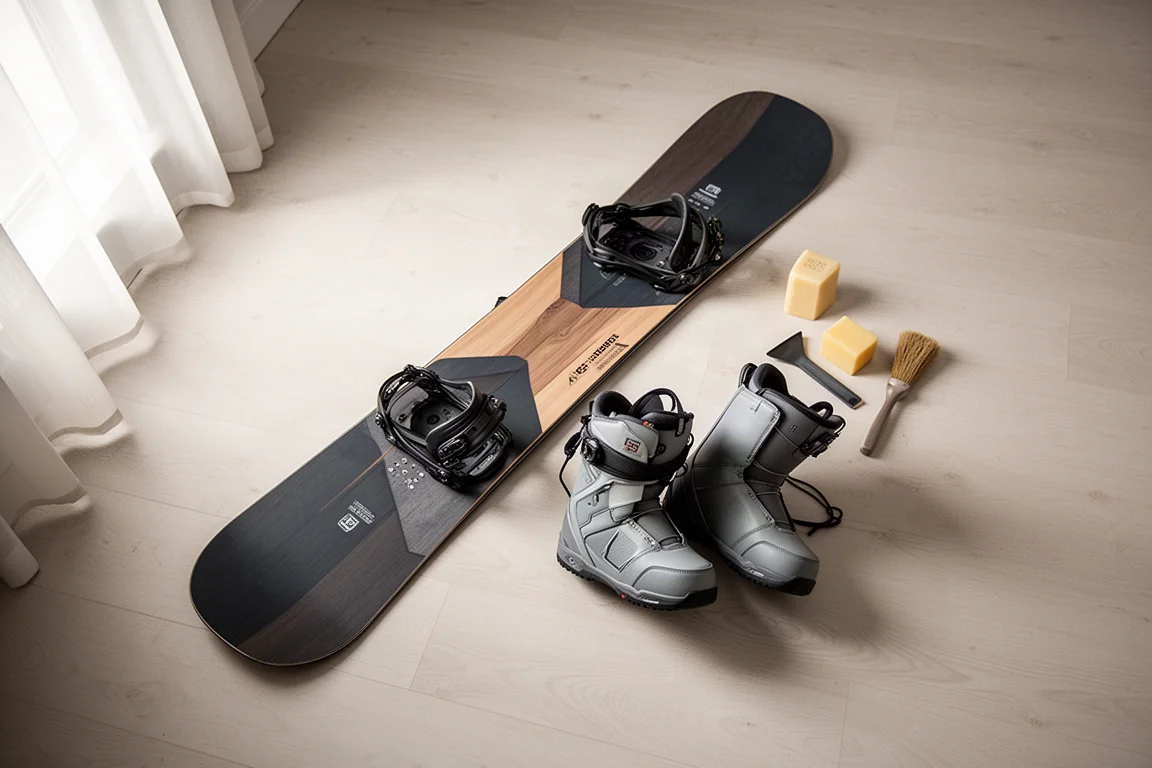
The board was ridden with Rome Black Label bindings and K2 Thrax boots in conditions that showed off its range: an overcast day at Arapahoe Basin with average temperatures and falling snow, seven-plus inches of new snow, soft groomers, and wind-loaded pockets running knee to mid-thigh deep. That mix of soft groomers and deeper, wind-affected snow is a fair picture of where this board performs, and it handled both without complaint.
If most of your days involve chasing fresh snow on a resort and charging through whatever the mountain has, the Ultra Craft is a coherent purchase. If your riding is more casual, more playful, or spread across park and groomer cruising, put the money toward something with a softer flex instead. Choosing against this board is not a knock on it, it is just a matter of matching the tool to the job.
Conclusion
The Jones Ultra Craft is a stiff, stable, directional freeride and powder board that does exactly what it sets out to do. It floats well in deep snow thanks to the tail rocker and 3D nose shaping, it stays composed in rutted and variable terrain, and it locks in underfoot when driven from the tail. Its pop is adequate rather than spectacular, it will not butter, and it demands a rider who is willing to push it.
For the hard-charging powder and resort rider, that combination is close to ideal. For everyone else, it is simply too much board. Knowing which group you fall into is the whole buying decision.
Product link
View more details for Jones Ultra Craft
This product is mentioned in the review. Check the specifications, options, and compatibility before buying.
View more details for Jones Ultra CraftFurther reading
Related Reviews
Snowboards
32 Middle Earth Scott Stevens Pro Model Snowboard Review: A Park Board With a Reversed Flex
A medium traditional camber park board with carbon V reinforcement that is stiffer in the tips and more playful between the feet. Here is how it rides and who it suits.
Snowboards
32 Snafu Review: A Directional All-Mountain Freestyle Board with Serious Pop
The 32 Snafu pairs a directional camber-rocker profile with a stiffening tail for powerful carves, big ollies, and a surprisingly damp ride.
Snowboards
32 XXX Pat Fava Pro Snowboard Review: A Stiff Camber Beast for Hard-Charging Riders
A full-width traditional camber deck that rewards aggression with stability and edge power, but demands effort everywhere else.