Snowboard Bindings
Jones Power Spine Ankle Strap with Flip It Technology: Two Rides From One Strap
A practical look at the Jones Power Spine ankle strap, its two-piece construction, and how the Flip It system switches between surf mode and freeride mode.
Introduction
Ankle straps are one of the few parts of a snowboard binding where a small design change can noticeably alter how the whole setup feels underfoot. The Jones Power Spine ankle strap with Flip It technology takes that idea further than most, pairing a two-piece strap construction with a reversible design that delivers two distinct flex characters from the same piece of hardware.
The Power Spine is the strap fitted to the Jones Mercury and Apollo bindings, and those models are built around it rather than offering it as an optional extra. That makes it worth understanding before you commit to a binding, because the way the strap is mounted changes how the binding responds underfoot.
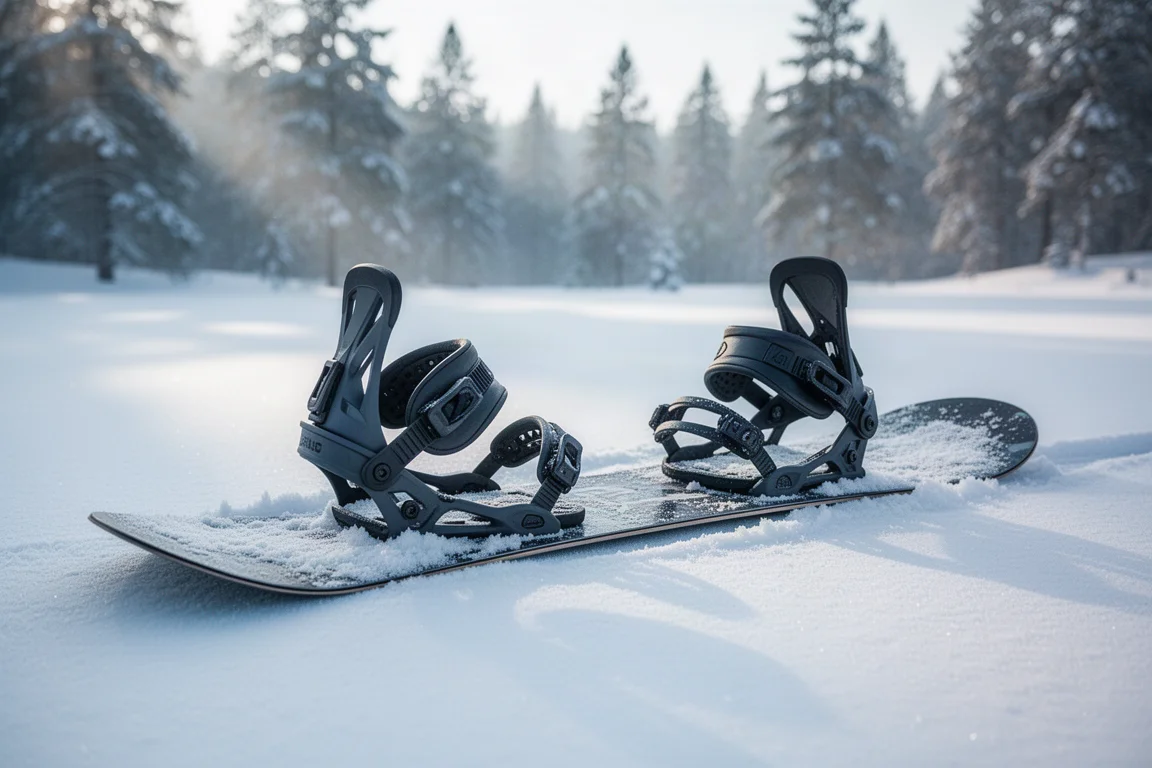
The thinking behind the design is control rather than outright stiffness. The strap is built to resist folding over when you drive hard into it, while still allowing enough give that the binding feels lively rather than locked down.
Who This Strap Is For
This is a strap for riders who want to change how a binding feels without changing hardware. Because the Flip It system lets the same strap run in two different orientations, it suits snowboarders who like to tune their setup to the day’s terrain or to a shift in riding style.
It also makes sense for anyone who rides aggressively enough to notice an ankle strap folding under load. The outer spine exists specifically to keep that from happening, so the harder you push into the strap, the more obvious the benefit becomes.
How the Power Spine Works
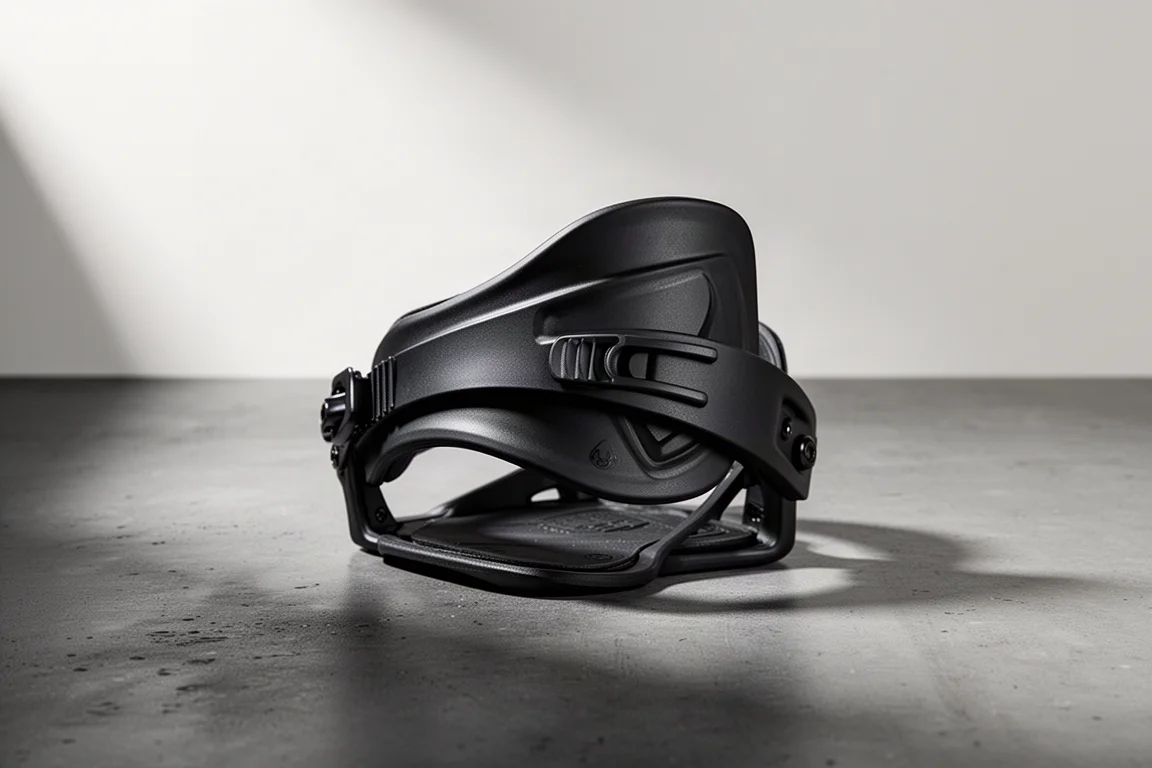
The Power Spine is a two-piece construction. There is the ankle strap itself, and then an outer spine that runs across it. That spine adds rigidity to the assembly, so when you drive into the strap it does not completely buckle. The sensation is close to a shock absorber: the strap still compresses, but it does so in a controlled way rather than collapsing flat.
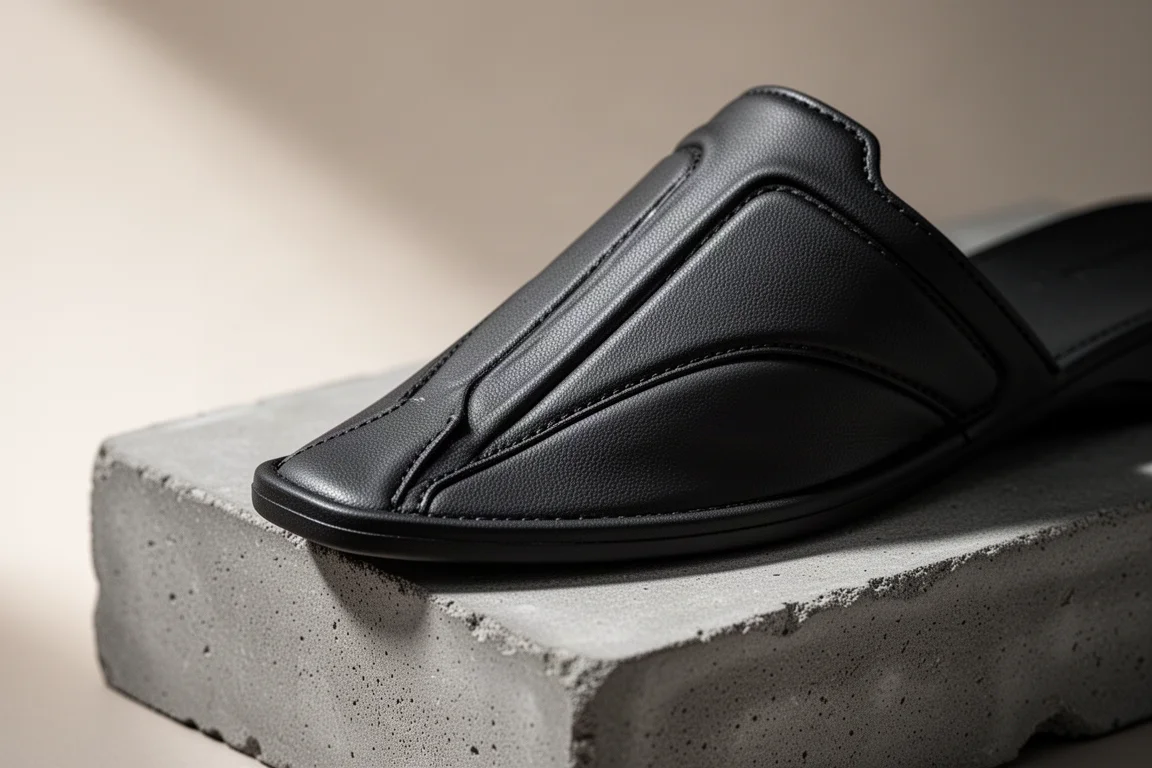
That distinction matters on snow. A strap that folds over can leave you with a vague, mushy feel at exactly the moment you are asking the most of your edge, while a strap that is simply too stiff can feel unforgiving. The Power Spine lets the base strap flex while the outer spine takes the load.
Flip It Technology: Surf Mode and Freeride Mode
Flip It is the part of the design that gives you the choice. The left and right straps can be taken off, flipped over, and swapped between bindings. Turning the straps around puts them into one of two orientations, and each one changes how the binding rides.
In surf mode, the strap is more laid back and playful. In freeride mode, it lets you drive into the binding with more power and precision. It is the same strap either way, but the two setups deliver noticeably different performance.
Because the change is mechanical rather than electronic, there is nothing to charge and nothing to configure. You simply decide which mode suits the way you want to ride and mount the straps accordingly.
Main Strengths
The clearest strength is that one strap gives you two genuinely different rides. Surf mode is the more relaxed, playful option, while freeride mode sharpens up response for riders who want to push. That kind of flexibility usually means buying a second set of straps, and here it is built in.
The two-piece construction is the other half of the story. The outer spine adds rigidity across the strap so it holds its shape under load, which keeps the connection between boot and binding more consistent when you are riding hard. Meanwhile, the strap itself is a modern shape that contours around the boot rather than sitting across it flat.
Things to Consider Before Buying
Switching between surf mode and freeride mode is not a quick adjust on the hill. It means removing the straps, flipping them, and swapping left for right, so it is the sort of change you make deliberately rather than mid-run.
The added rigidity from the spine is also a deliberate trade-off. Riders who prefer the softest, most surfy strap feel will want to spend time in surf mode first, since freeride mode is noticeably more direct.
Finally, this is the stock strap on the Jones Mercury and Apollo bindings. If you are riding either of those models, the Flip It system is simply part of the package rather than an upgrade you are choosing to add.
Buying Advice
If you are already looking at the Jones Mercury or Apollo bindings, the Power Spine ankle strap with Flip It technology is part of what you are buying, and it is worth spending a little time with both orientations before settling on one. Riders who value customization will likely appreciate having the choice at all.
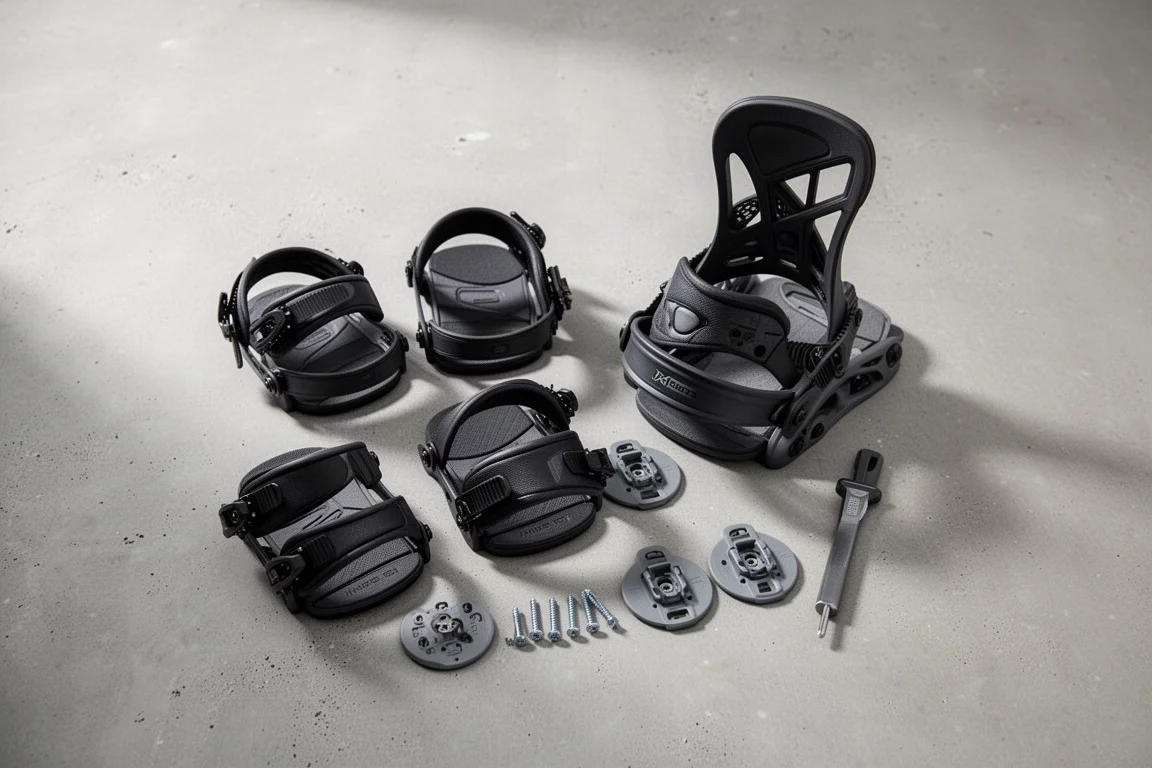
If you are not shopping for those bindings, there is no separate purchase decision to make here. The value of the Flip It system comes from the two performances it unlocks on the bindings it is built for, and that is best judged as part of the whole setup rather than as a standalone part.
Conclusion
The Jones Power Spine ankle strap with Flip It technology is a focused piece of design: a two-piece strap that resists folding under load, plus a reversible mounting system that lets the same hardware ride in a relaxed surf mode or a more driven freeride mode. For riders on the Jones Mercury and Apollo bindings, it is a built-in bonus that adds real customization. For everyone else, it is useful context for understanding how those bindings are put together.
Product link
View more details for Jones Power Spine Ankle Strap with Flip It Technology
This product is mentioned in the review. Check the specifications, options, and compatibility before buying.
View more details for Jones Power Spine Ankle Strap with Flip It TechnologyFurther reading
Related Reviews
Snowboard Bindings
2024 Union Ultra Snowboard Bindings Review: A Cushy, Freestyle-Focused Favorite
Two seasons on the 2024 Union Ultra: a lightweight, tweakable freestyle binding with standout comfort, a damp molecular bushing, and thoughtful hardware fixes.
Snowboard Bindings
32 Team Phase Binding Review: A Fast Entry Binding Built for Freestyle Laps
The first binding from 32 uses the Phase chassis for quick step-in entry with a softer, freestyle-leaning flex. Here's how it performed on the snow.
Snowboard Bindings
Arbor Cypress Snowboard Binding Review: A Laid-Back Cruiser That Can Charge
A closer look at the Arbor Cypress binding's adjustability, strap feel, and that oddly tall highback before you decide to buy.