Snowboard Bindings
Jones Orion Binding Review: How the Progressive Flex Highback Works
A practical look at the Jones Orion and its Progressive Flex Highback: what the split flex profile does, who it suits, and what to weigh before buying.
Introduction
The Jones Orion is built for riders who want a looser, more surf-inspired feel from their setup, and this season it arrives with a new highback shaped around that idea. The Progressive Flex Highback is the softest highback in the Jones line, and it is the component that defines most of what the Orion feels like underfoot.
This breakdown covers what the highback is, how its flex profile works with the rest of the binding, and who gets the most out of it.
What the Progressive Flex Highback Is
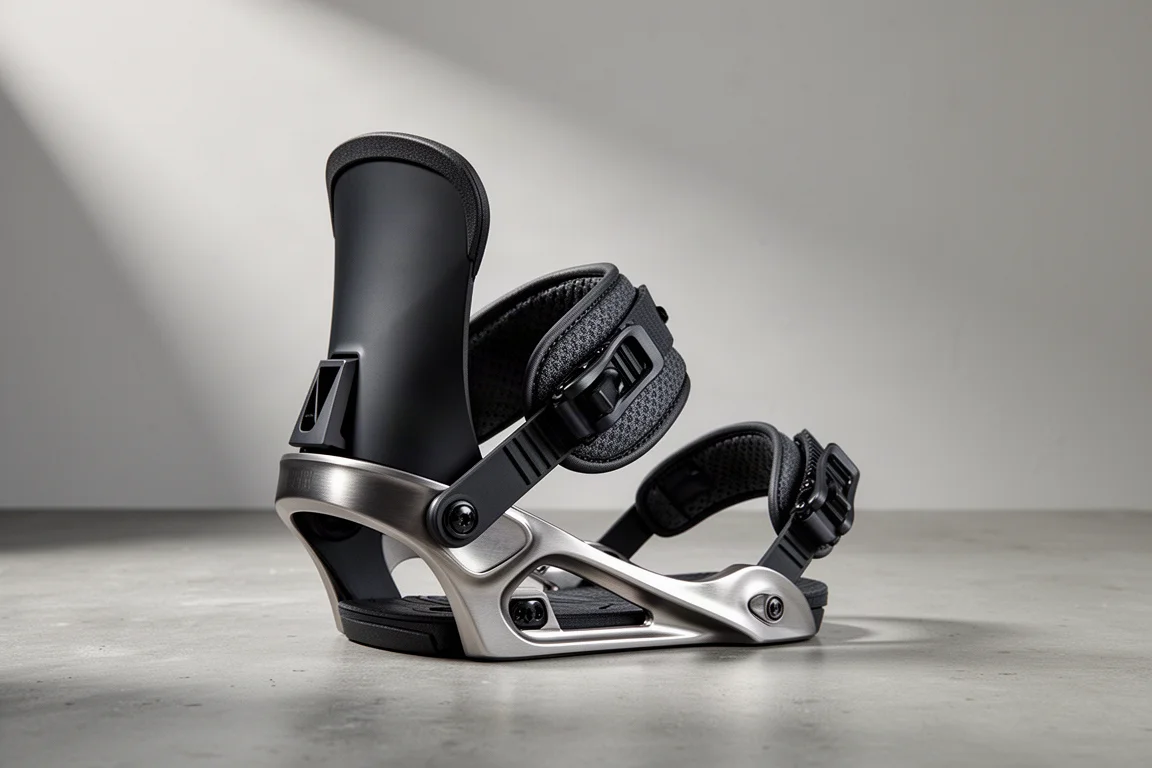
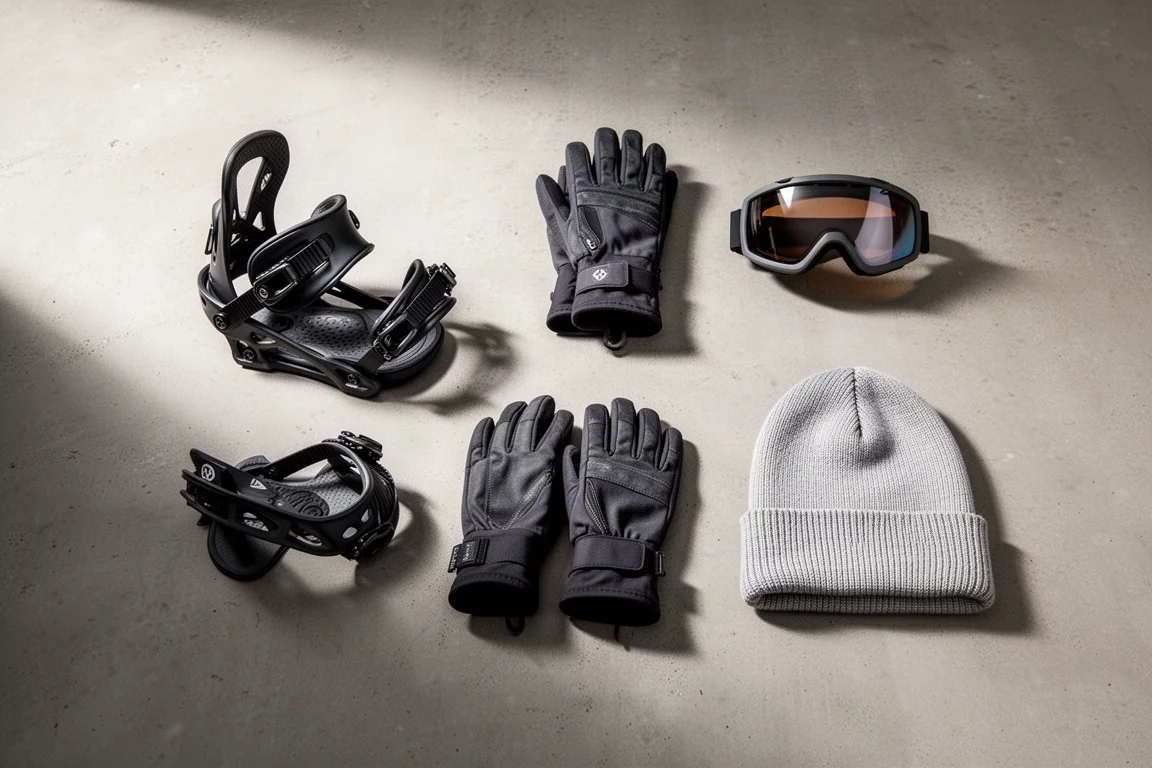
The Progressive Flex Highback is one component with two distinct behaviours. At the top, the material is soft, so the upper edge gives way as your leg moves. Toward the base, it stiffens. The small black triangle at the bottom of the highback marks the stiffest section, positioned right where the back of your boot presses into the binding.
That layout is deliberate. The base of the highback is where you put the most power into Jones’s Skate Tech interface, so the stiffer lower section keeps energy transfer direct. The softer top section does the opposite: it introduces play, which is what gives the Orion its surfy, relaxed character.
Who the Jones Orion Suits
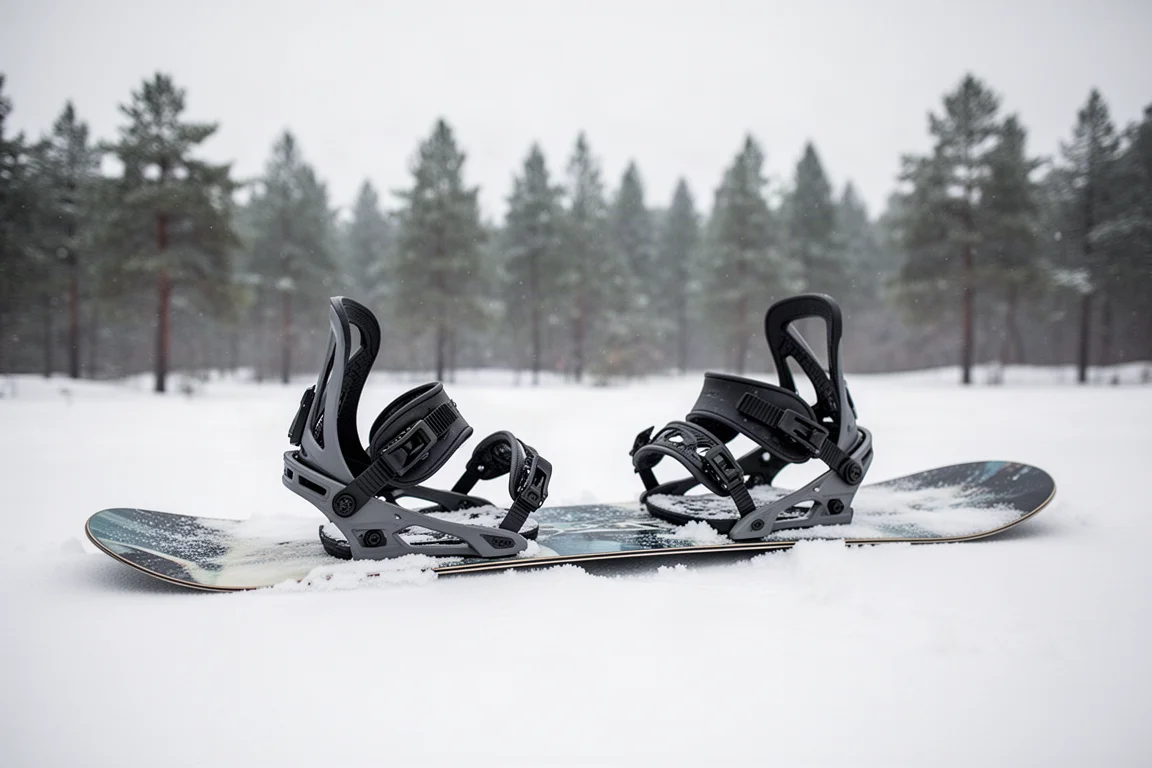
Because the highback is the softest Jones makes, the Orion belongs to the brand’s surf series of bindings. That places it with riders who prefer a looser, more playful ride over a locked-in, aggressive one.
If you like a stiff highback and the precise, immediate response that comes with it, this is not the binding for you. If you like a soft highback and the extra movement it allows, the Orion is built around exactly that preference. The highback is not an optional extra here. It is the standard component on the binding, so choosing the Orion means choosing this flex profile.
Main Strengths
The clearest strength is the way the flex profile is split. Rather than making the whole highback soft and leaving it at that, Jones keeps the lower section stiff so the binding still drives power into Skate Tech. You get play where you want it and connection where you need it.
The second strength is clarity of purpose. This is a soft highback on a surf-oriented binding, and it behaves the way that combination suggests. It is not presented as a breakthrough that will transform your riding. It is a component doing a specific job, and it does that job consistently.
How It Feels on Snow
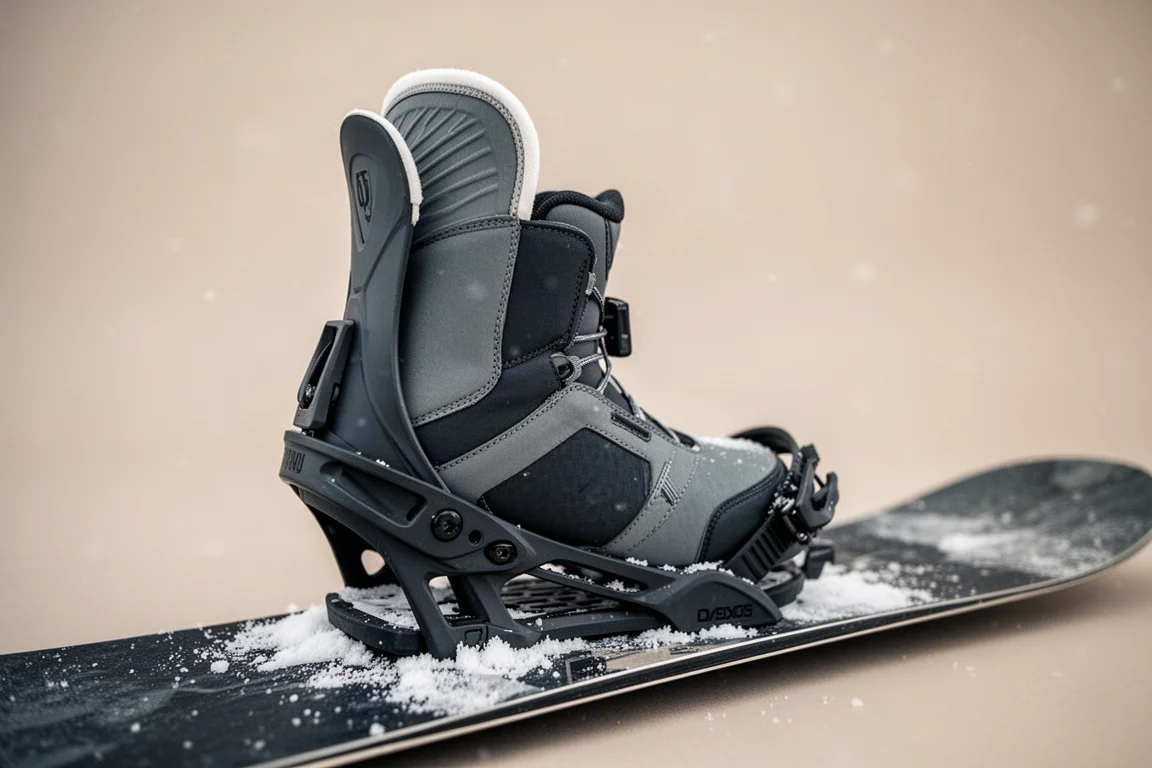
The Progressive Flex Highback works with Jones’s Skate Tech, and that pairing has been ridden and confirmed to function as intended. The highback flexes progressively as you load it: softer movement up top, firmer resistance at the base.
The result is a more surfy feel than a conventional stiff highback provides. It is a noticeable difference rather than a dramatic one, and riders expecting a radical change in how a binding performs should temper that expectation. The highback adds play, it supports the Skate Tech interface, and it stays out of the way. For a lot of riders, that is exactly the point.
Things to Consider Before Buying
The main thing to weigh is support. A softer highback gives you more lateral and fore-aft movement, and some riders want the opposite. If your riding depends on a firm, locked-in feel at the back of the boot, this flex profile will read as a compromise rather than an upgrade.
It is also worth being precise about what this is. The Progressive Flex Highback is a flex change, not a new mechanism. It does not add features or adjustability. It changes how the binding feels, and that is the whole of its contribution. If you already know you like soft highbacks, that is enough. If you are unsure, this is the kind of choice better made on feel than on specification.
Setup and Compatibility Notes
The Progressive Flex Highback is designed to work with Jones’s Skate Tech, the interface that sits between the binding and the board. The stiff section at the base of the highback is positioned to feed power directly into that interface, which is why the two are usually discussed together.
Because the highback is the softest in the Jones range and is fitted as standard to the Orion, there is no separate decision to make. Buying the Orion means riding this flex profile. Riders who want the same binding platform with a firmer highback would be looking at a different model in the range rather than swapping parts.
Buying Advice
The simplest way to decide is to answer one question first: do you like a soft highback? If the answer is yes, the Orion and its Progressive Flex Highback make sense as a package. The binding delivers more play, a surfier feel, and a flex profile that still puts power into Skate Tech where it matters.
If the answer is no, the flex profile will work against you, and no amount of adjustment will change that. This is a preference-driven component on a preference-driven binding.
For riders who already lean toward loose, playful setups, the value is straightforward: you are buying a binding whose defining characteristic is the thing you already want.
Beyond the flex question, the practical checks are the usual ones. Confirm that the binding suits your boot size and the way you intend to ride, and confirm the model year, since the Progressive Flex Highback is new to the Orion this season.
Conclusion
The Progressive Flex Highback is a soft highback with a stiff base, and that combination is the whole story of the Jones Orion. It adds play at the top, keeps power transfer honest at the bottom, and works with Skate Tech as intended. It is not a dramatic reinvention and it does not pretend to be. If you want a softer, more surf-oriented binding, it does what you need it to do.
Product link
View more details for Jones Orion
This product is mentioned in the review. Check the specifications, options, and compatibility before buying.
View more details for Jones OrionFurther reading
Related Reviews
Snowboard Bindings
2024 Union Ultra Snowboard Bindings Review: A Cushy, Freestyle-Focused Favorite
Two seasons on the 2024 Union Ultra: a lightweight, tweakable freestyle binding with standout comfort, a damp molecular bushing, and thoughtful hardware fixes.
Snowboard Bindings
32 Team Phase Binding Review: A Fast Entry Binding Built for Freestyle Laps
The first binding from 32 uses the Phase chassis for quick step-in entry with a softer, freestyle-leaning flex. Here's how it performed on the snow.
Snowboard Bindings
Arbor Cypress Snowboard Binding Review: A Laid-Back Cruiser That Can Charge
A closer look at the Arbor Cypress binding's adjustability, strap feel, and that oddly tall highback before you decide to buy.