Snowboards
Jones Mountain Twin Pro Review: A Stiffer Directional Twin That Rewards Effort
The Jones Mountain Twin Pro blends camber-driven pop with 3D rocker shaping, delivering a damp, powerful all-mountain freestyle ride that makes you work for its rewards.
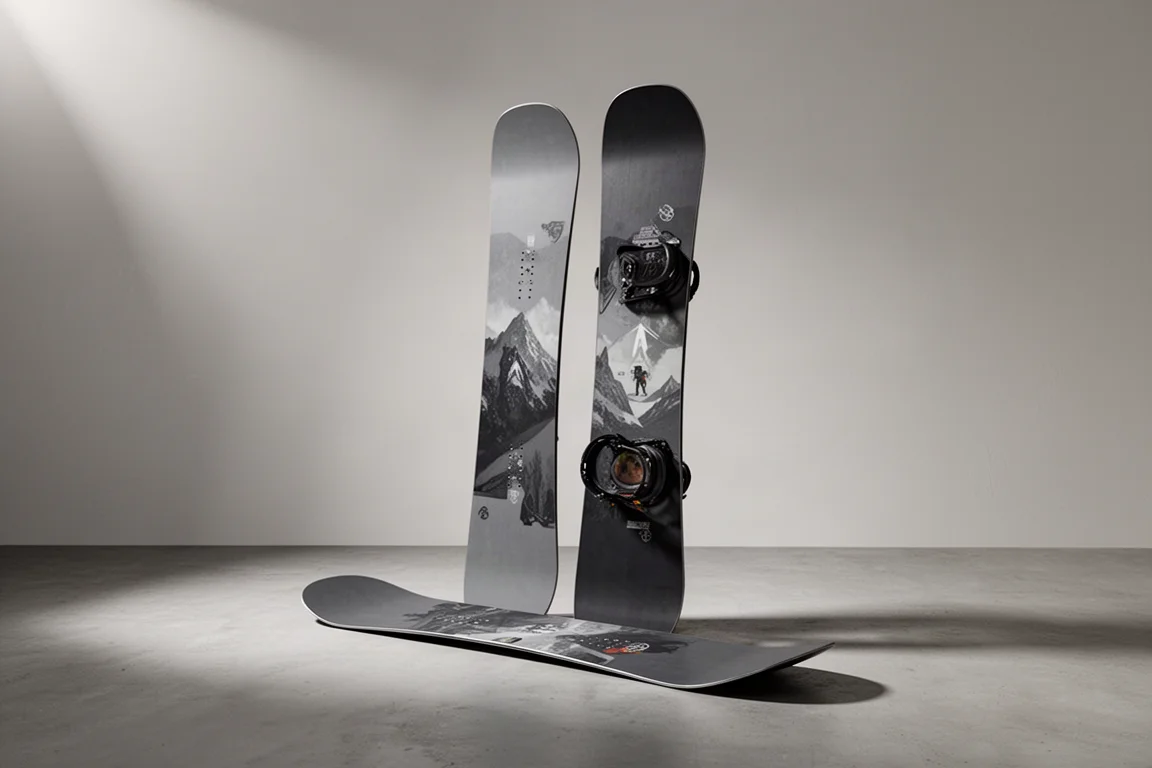
Introduction
The Jones Mountain Twin Pro is the beefed-up version of the regular Mountain Twin, now with a new name and a few added refinements. It builds on the original’s directional twin freestyle platform with a stiffer flex, updated dampening in the nose and tail, and Jones’s Cam-Rocker profile with 3D Contour shaping.
The core idea is simple: traditional camber between the feet delivers load, pop, snap and drive, while the 3D-contoured rocker in the nose and tail makes edge-to-edge rolling easier, helps with turn entry and exit, and funnels powder out to the sides for better float.
It is available in 154, 156 Wide, 157, 159 Wide, 160, 162 Wide, 163, and 165 Wide, so there is a size for most riders who want a stiffer one-deck all-mountain setup.
Who This Board Is For
This is a board for the freestyle-focused all-mountain rider. It suits someone who wants a single deck to do it all, likes to charge hard, and wants response and reactivity that take a bit more effort to assert themselves with.
It is stiffer than the regular Mountain Twin, but it is not a plank. On the all-mountain freestyle twin spectrum, it sits toward the stiffer end. If you like speed, carving and bigger jumps, and you do not mind earning your pop, this profile fits well.
Flex, Stability and Damping
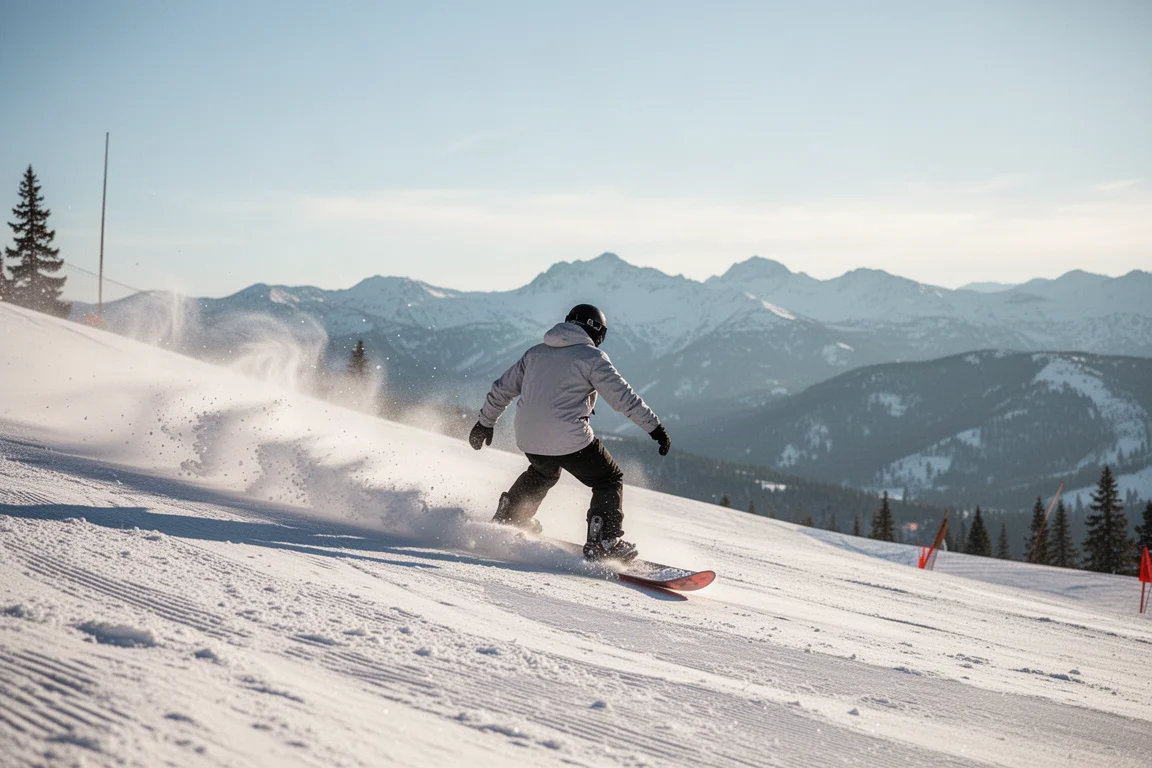
One of the most notable updates since earlier iterations is the addition of Choyt dampening material in the nose and tail. Even when the tips flap slightly at speed, it visibly dampens chatter, so vibration and kinetic energy from lumpy terrain do not reach your feet. Underfoot, most of that energy is killed off before it arrives.
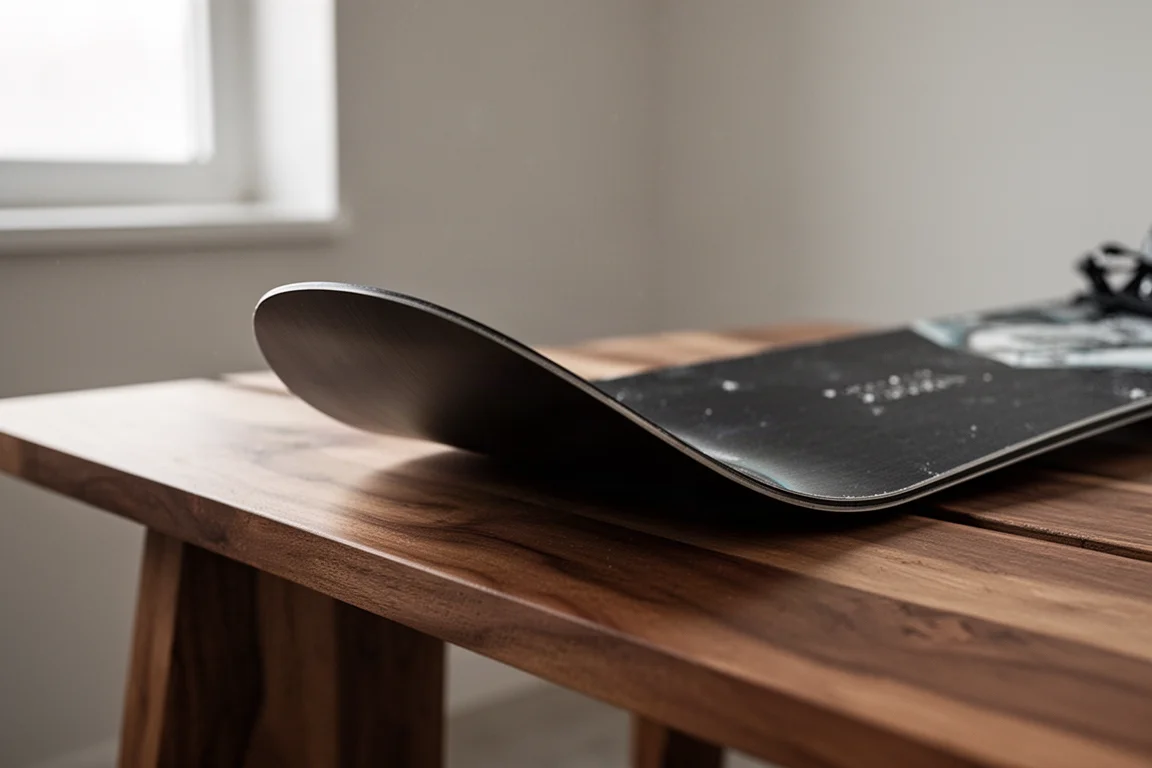
The flex profile is progressive. The 3D rocker sections add play in the nose and tail, and right where the rocker meets the camber there is a defined flex point. From there the board stiffens and stays consistent toward the middle, where a touch more give helps with ankle steering. The result is a damp, smooth, stable ride with a little chatter but not much, even when charging groomers at speed.
Jumps, Pop and Pressing
The camber is easy to load, but the snap takes some nuance. When you roll back onto the tail, you have to put in a bit more effort to engage that flex point. If you do not, the pop feels lackluster. If you load it properly and let it spring, the board genuinely shoots you up and out, launching you higher off the lip.
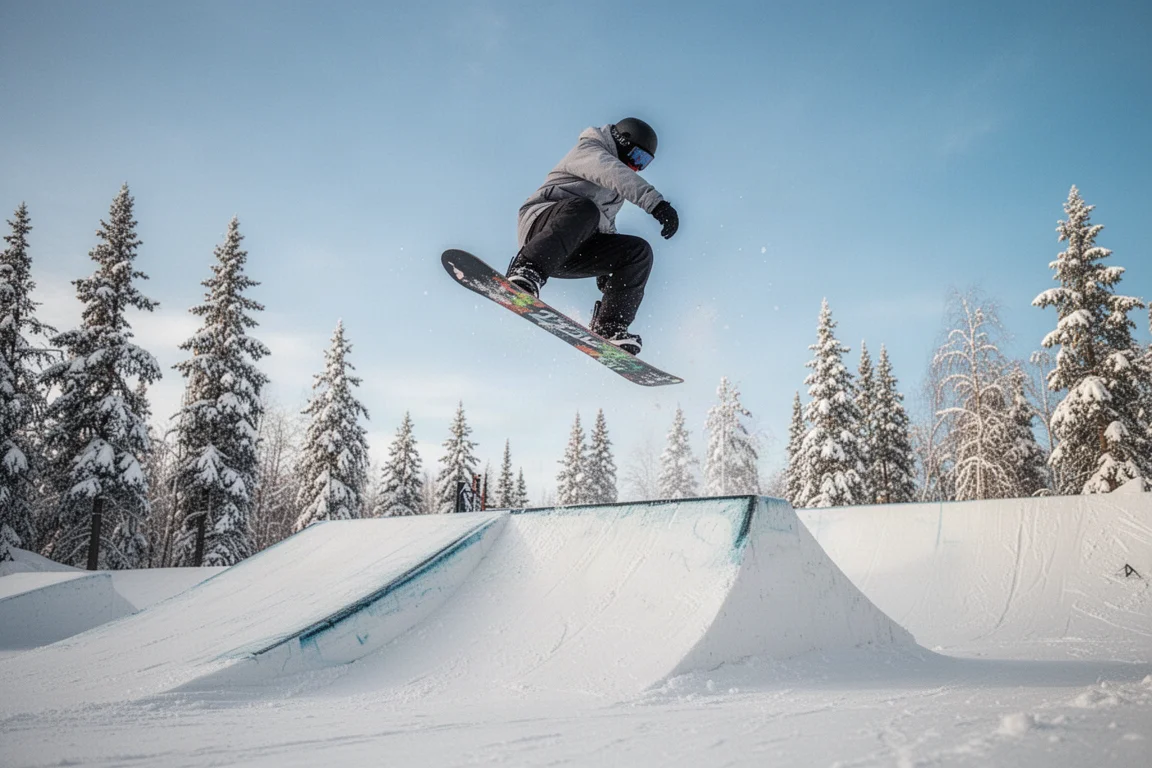
Once you understand that engagement point, jump performance is solid across the board. It thrives on medium and larger jumps. Load it, carry speed through the lip, and it pops you into the air with a stable, predictable landing. Speed checks also bounce back predictably, which is reassuring for riders who approach features faster than they probably should.
Buttering and pressing is where the stiffness shows. If you can already butter, you will be able to do it on this board. If you cannot, you will not enjoy learning on it. Presses require speed and muscle: leverage your weight onto the nose or tail, press into that flex point, and expect the board to fight back a little before it gives. When you exit, the rebound and snap reward the effort.
For jibbing, this would not be the first choice in the Jones lineup. The regular Mountain Twin and other options in the range come before it. It is not for the faint of heart, though when you go sideways there is just enough give to cradle you without that teeter-totter balance-board feeling.
Carving Performance
This is where the board shines. It lays a trench, with power, precision and nimbleness all present. With minimal ankle movement you can guide it from short, tight, quick carves into medium, mellow ones. Kick your knee toward the center, tweak the ankle toward toe or heel, and the tail delivers the power to slingshot you into a deeper, harder, more aggressive carve.
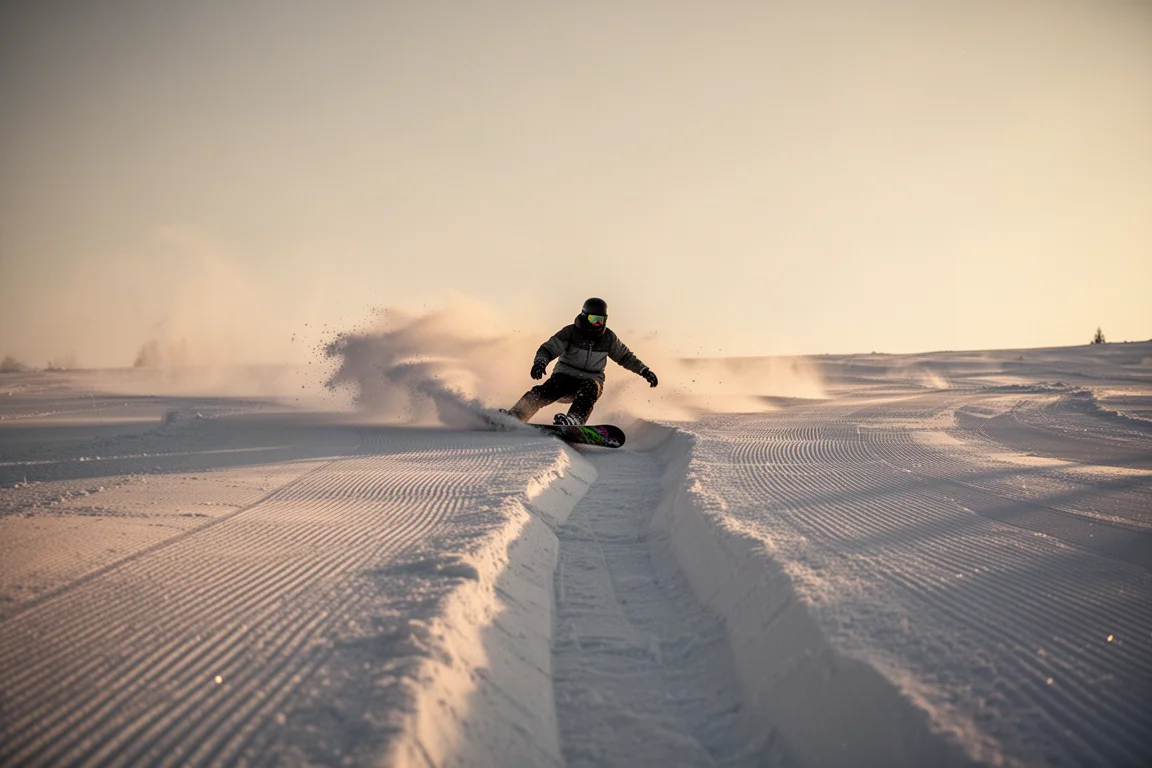
The 3D shaping also helps here: when you get sideways, the contact points do not abruptly dig in and punish you. It grips hard, feels locked in on edge, and cuts through mixed conditions without drama.
Buying Advice
If you want a directional twin that crushes everything, the Mountain Twin Pro fits the brief. It handles hard carves, pops off jumps, and does high-speed butters, though jibbing makes you work for it. Riders who prefer a softer, easier freestyle board should compare it with the Capita Mega Merc, the Ride Algorithm, or the Salomon Assassin Pro. For further alternatives, the Jones Mercury, the Bataleon Astro Fullwrap and the Ride A8 are also worth finding in a recommendation search.
If you need bindings to pair with it, look at options matched to its stiff, aggressive character rather than soft freeride bindings.
Conclusion
The Jones Mountain Twin Pro is a damp, powerful, freestyle-leaning all-mountain twin that rewards committed input. Choyt dampening in the nose and tail makes it smoother than before, the flex point gives it serious snap when you learn to load it, and on edge it simply rips. For hard-charging riders who want one deck to do everything except easy jibbing, it is an easy board to love.
Product link
View more details for Jones Mountain Twin Pro
This product is mentioned in the review. Check the specifications, options, and compatibility before buying.
View more details for Jones Mountain Twin ProFurther reading
Related Reviews
Snowboards
32 Middle Earth Scott Stevens Pro Model Snowboard Review: A Park Board With a Reversed Flex
A medium traditional camber park board with carbon V reinforcement that is stiffer in the tips and more playful between the feet. Here is how it rides and who it suits.
Snowboards
32 Snafu Review: A Directional All-Mountain Freestyle Board with Serious Pop
The 32 Snafu pairs a directional camber-rocker profile with a stiffening tail for powerful carves, big ollies, and a surprisingly damp ride.
Snowboards
32 XXX Pat Fava Pro Snowboard Review: A Stiff Camber Beast for Hard-Charging Riders
A full-width traditional camber deck that rewards aggression with stability and edge power, but demands effort everywhere else.