Snowboard Bindings
Jones Meteorite Review: A Lively All-Mountain Freestyle Binding
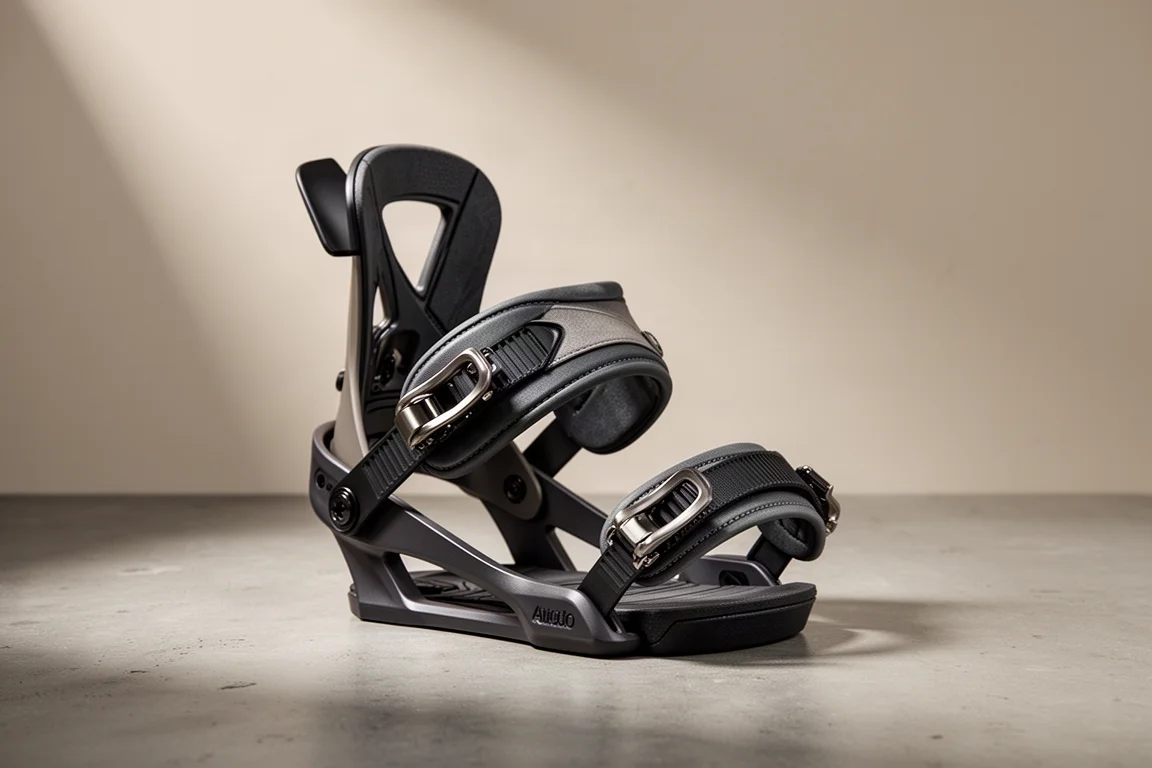
A close look at the Jones Meteorite, a mid-flex all-mountain freestyle binding with Skate Tech power transfer, a convertible heel strap, and a softer highback.
Introduction
The Jones Meteorite is a snowboard binding built around the brand’s Skate Tech chassis and positioned at the softer, more playful end of the Jones range. It was ridden through an overcast day on grapple snow, with roughly an inch of heavy, wet, crusty and choppy surface sitting over firm groomers. Those are demanding conditions, the kind where a binding either keeps a rider composed or amplifies every rough patch. The Meteorite leans toward composure while staying lively, which is a useful combination for anyone who wants a freestyle-friendly feel without giving up edge drive.
Who the Jones Meteorite Is For
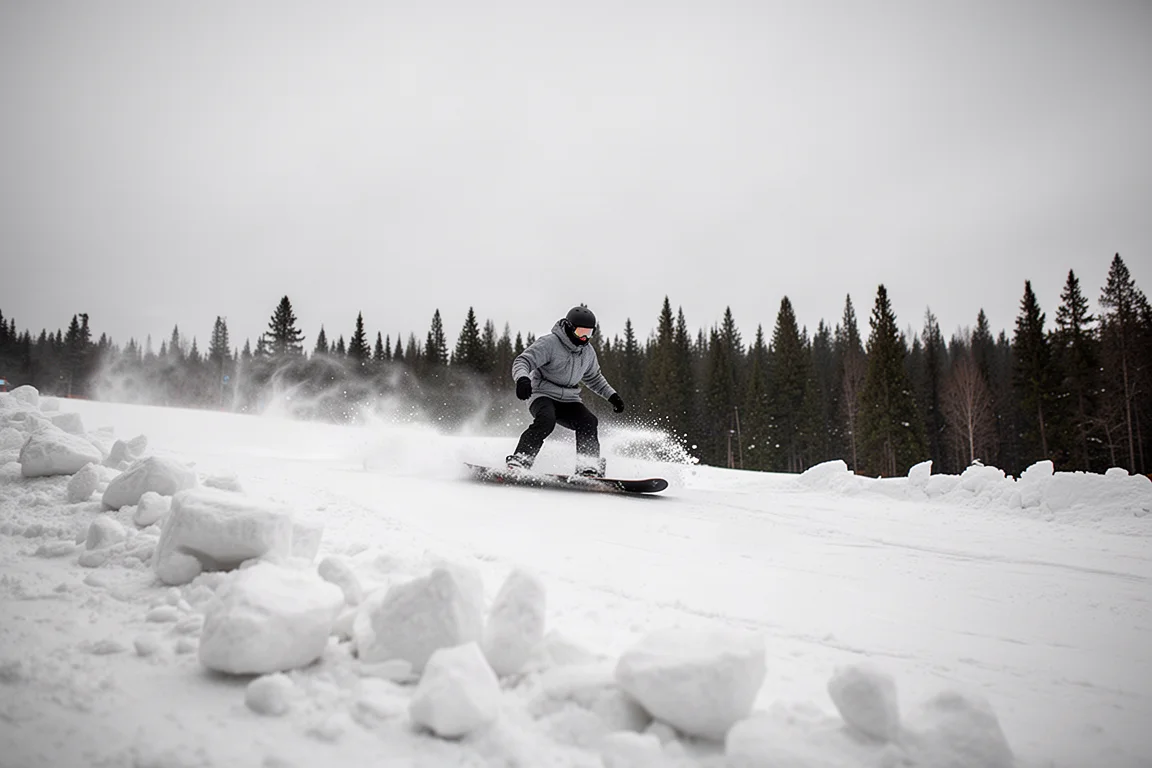
This binding targets the all-mountain freestyle rider, someone who wants one setup that covers park laps, side hits and groomer carving without feeling like a dedicated race machine. Flex sits around the middle of the road, paired with a softer highback and a heel strap that can be flipped between two modes. Riders who like a binding that gives a little underfoot while still pushing power into the edge will find the Meteorite in a comfortable middle ground.
If your riding is built around aggressive, high-speed edge hold on hardpack and you want maximum stiffness underfoot, this is not the stiffest option in the Jones lineup. It suits riders who value lateral play and a degree of forgiveness alongside solid chassis response.
Main Strengths
The Meteorite’s strengths come from three areas: the chassis, the strap and ratchet package, and the tunable highback and heel strap.
Skate Tech Chassis and Power Transfer
Jones builds the Meteorite around Skate Tech, the chassis design that sits under the foot and sends energy more directly to the edges. The result is noticeable toe-to-heel power transmission that feels abrupt in a good way, with force going down into the edge instead of dissipating through the binding. It also reduces some lateral play, which gives the binding more lateral drive than its mid-range flex would suggest.
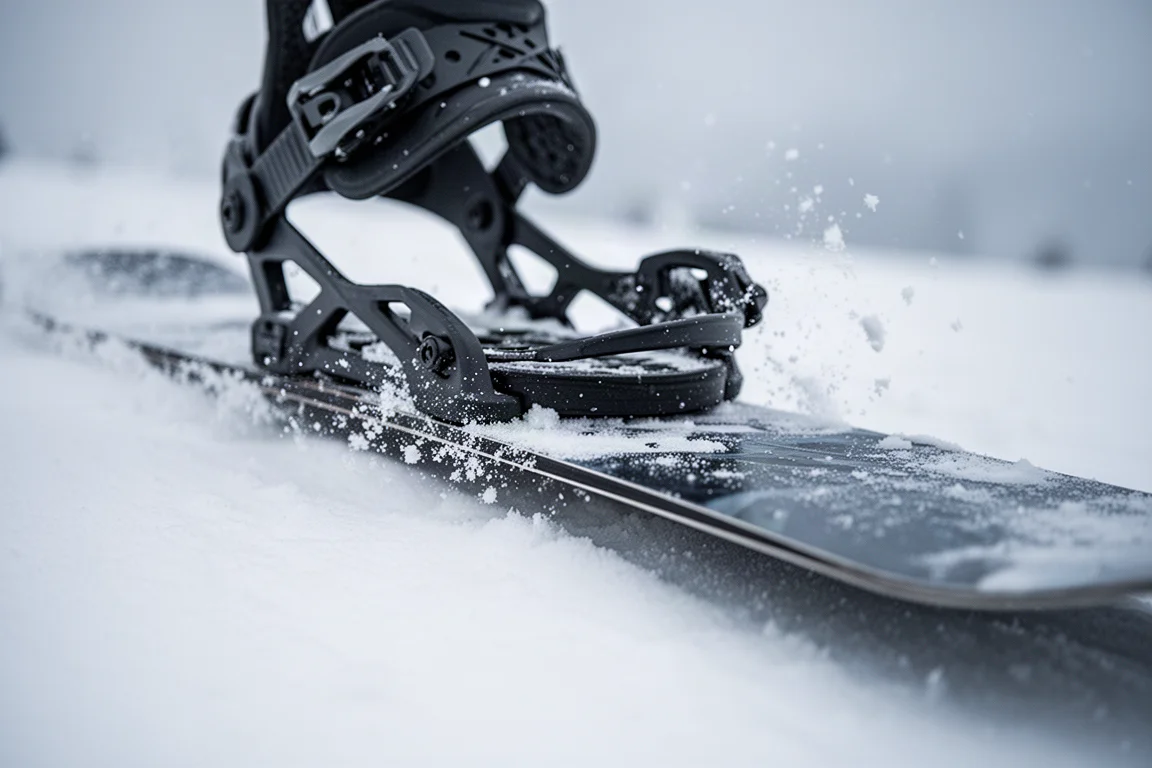
The chassis is where the precision comes from. On firm groomers the binding feels locked in, and the rider gets the sense that input is being used efficiently, which makes for better carves and more confident turns. Skate Tech also means the bushings are replaceable, and there are three options: soft, medium and hard. That gives riders a way to tune the feel underfoot without changing the binding.
Straps, Ratchets, and Fit
The straps are deliberately minimal, with very little padding built in. That is the point: the boot provides the cushioning, which cuts down pinch points and keeps the interface between boot and binding clean. The heel strap can be removed and flipped to the other side, switching between Surf mode and Freeride mode. Surf mode loosens things up and adds lateral play at the top of the strap, while Freeride mode stiffens the feel.
The toe strap has a small cutout and is arguably the best toe strap Jones has produced. It accepts snub nose, round nose and blunted nose boots and locks them in place. On the ratchet side, the heel uses a one-finger quick release, while the toe release is a push-down design that takes a little more effort. They climb well and stay locked in, which is the core requirement.
Highback and Surf Mode
The highback is softer than most in the Jones range, though not the softest. Pushing into it produces visible give, and the wing cradles the outside of the boot when driving into a turn. Because the highback is soft, the forward lean setting is less noticeable in practice, since riders can push back into it rather than being forced into a bent-knee position. The forward lean adjustment itself is a simple push-down, slide and pop-the-tab design.
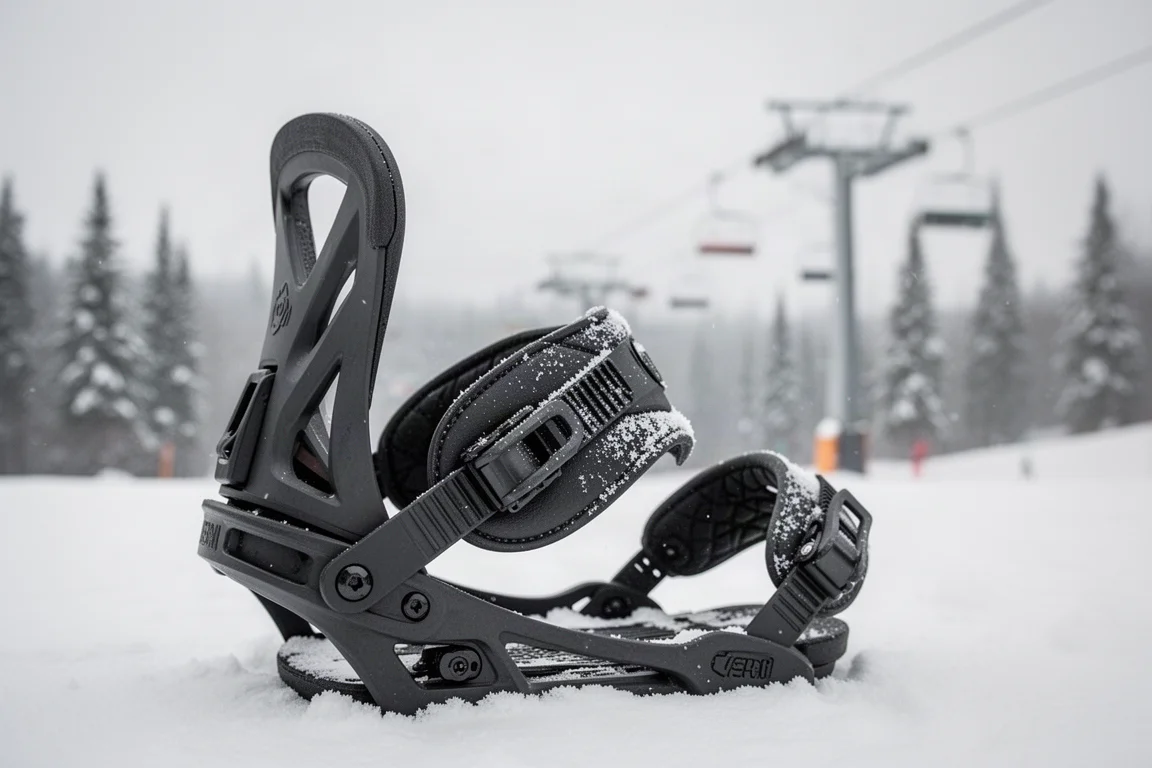
As part of the surf series, that softer highback is intentional. Combined with Surf mode on the heel strap, it gives the binding a more relaxed, laterally playful character that suits freestyle riding. Flipping the heel strap to Freeride mode adds back a measure of stiffness, which partly compensates for the extra play.
Things to Consider Before Buying
Adjustability is limited. Forward lean, the heel strap flip and the bushing swap cover the tuning options, and beyond that the binding does not offer a wide range of adjustment.
Dampening is only partial. The Meteorite takes some chatter out of rough snow, but riders will still feel plenty of it. On a day of heavy, chunky surface, keeping knees bent matters, because kinetic energy comes up through the binding.
Flex stays mid-range. Riders who want a stiff, rigid feel for hard charging will need Freeride mode on the heel strap, and even then the highback remains on the softer side. Boot shape is worth checking as well, though the cutout toe strap is designed to work across snub nose, round nose and blunted nose boots.
Buying Advice
The Meteorite makes the most sense for riders who want one binding for everything: park, side hits and groomers, backed by a chassis that still delivers power to the edge. If that describes your riding, the combination of Skate Tech drive, a mid-range flex and a convertible heel strap is coherent and works well.
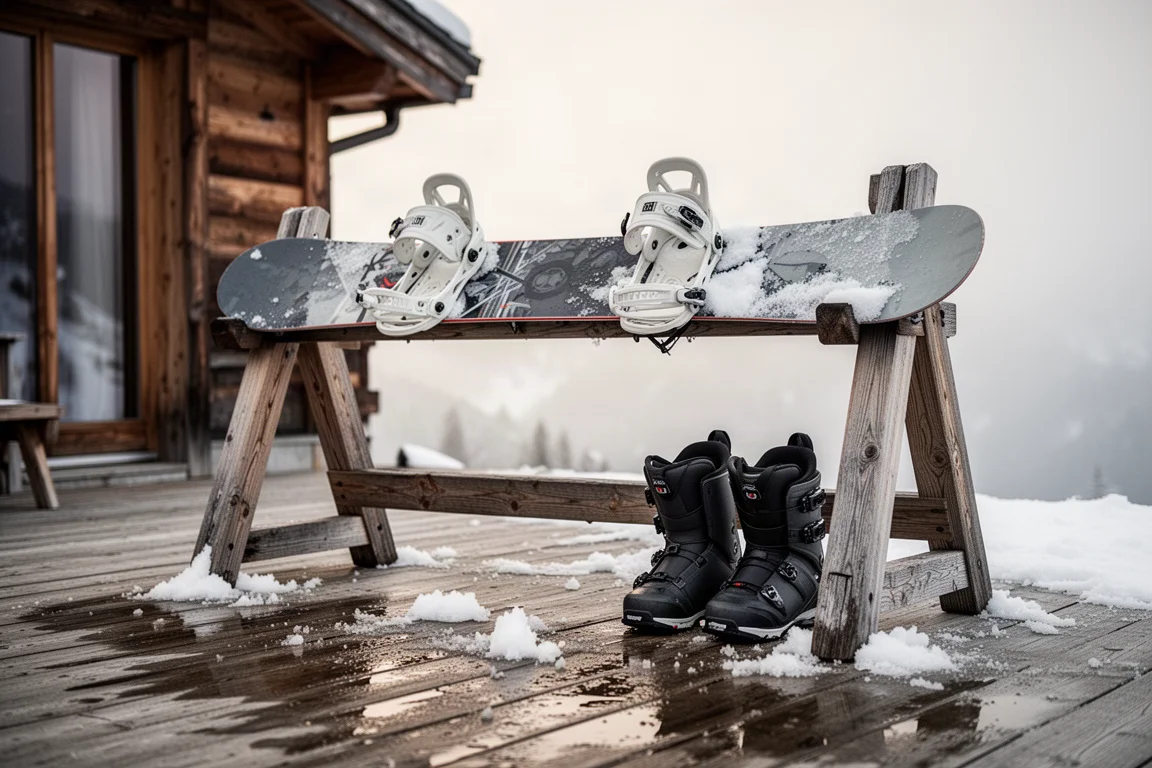
Riders whose priority is maximum stiffness for hardpack charging may prefer a stiffer binding. Anyone comparing across the category may also want to weigh the Meteorite against other mid-flex all-mountain options such as models in the K2 lineup, the Union Ultra and the Ride C6.
For a purchase decision, it comes down to two questions. Do you want lateral play and a softer highback? Do you want chassis-driven power transfer? If the answer to both is yes, the Meteorite is a sensible pick.
Conclusion
The Jones Meteorite does what it sets out to do. The Skate Tech chassis gives it a direct, efficient feel underfoot, the straps are minimal in a way that reduces pinch points, and the highback and heel strap give riders a real choice between a looser surf feel and a firmer freeride one. It is a solid, dependable all-mountain freestyle binding with give where you want it and drive where you need it.
Product link
View more details for Jones Meteorite
This product is mentioned in the review. Check the specifications, options, and compatibility before buying.
View more details for Jones MeteoriteFurther reading
Related Reviews
Snowboard Bindings
2024 Union Ultra Snowboard Bindings Review: A Cushy, Freestyle-Focused Favorite
Two seasons on the 2024 Union Ultra: a lightweight, tweakable freestyle binding with standout comfort, a damp molecular bushing, and thoughtful hardware fixes.
Snowboard Bindings
32 Team Phase Binding Review: A Fast Entry Binding Built for Freestyle Laps
The first binding from 32 uses the Phase chassis for quick step-in entry with a softer, freestyle-leaning flex. Here's how it performed on the snow.
Snowboard Bindings
Arbor Cypress Snowboard Binding Review: A Laid-Back Cruiser That Can Charge
A closer look at the Arbor Cypress binding's adjustability, strap feel, and that oddly tall highback before you decide to buy.