Snowboard Bindings
Jones Mercury Snowboard Binding Review: Fast Entry, Freeride Response
A freeride binding that blends the locked-in feel of a two-strap design with a fast entry system, built for big terrain days.
Introduction
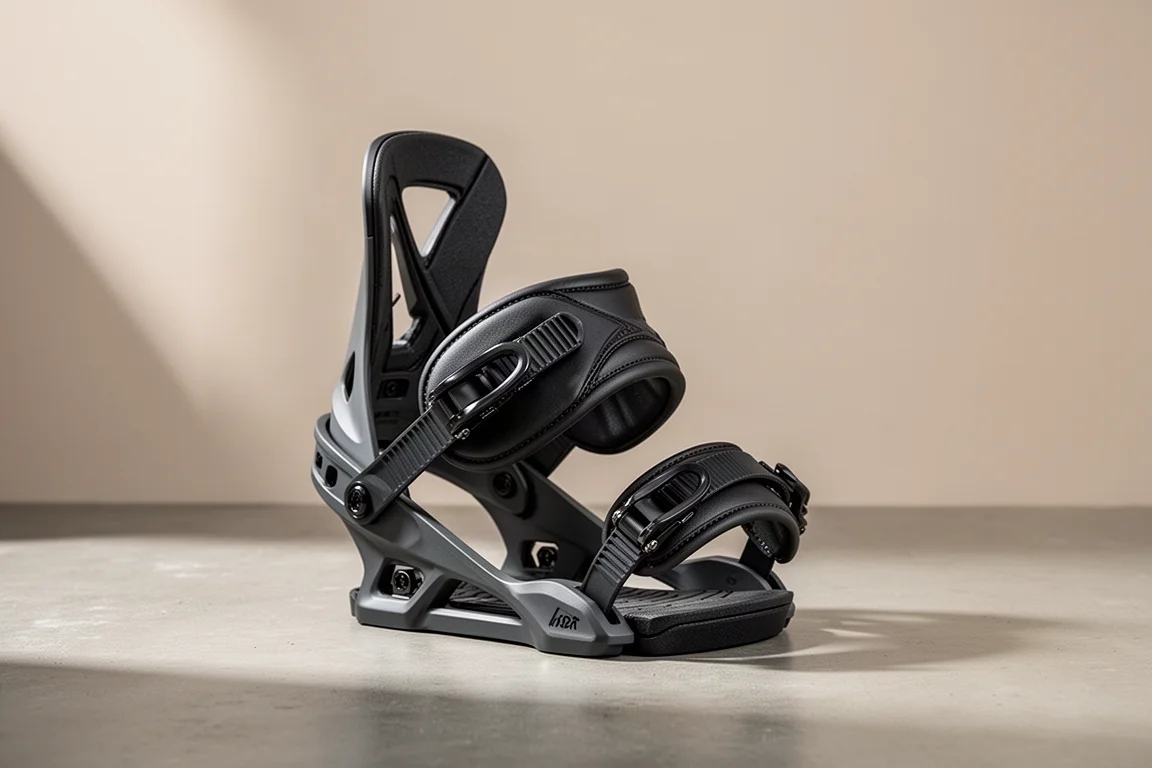
The Jones Mercury is a freeride snowboard binding built around a simple idea: keep the locked-in comfort and precision of a two-strap design, but remove the hassle of getting into it. Its Fastrack entry system, new for this season, lets you slide your boot straight in without fiddling with the toe strap, then lock the ankle strap with a lever that holds the highback in place. For riders who spend long days in variable terrain, that combination of speed and security is the headline feature.
Who This Binding Is For
The Mercury is aimed at freeride and all-mountain riders who want a mid-to-stiff binding with genuine support for bigger terrain. Once your toe strap is locked in for the day, entry becomes a matter of sliding the boot in and closing the ankle strap, which is a real quality-of-life upgrade on cold mornings or quick transitions.

It also suits riders who hike. The binding is quite light for its class, so it does not add noticeable weight to your setup when you are walking or bootpacking into a line.
Main Strengths
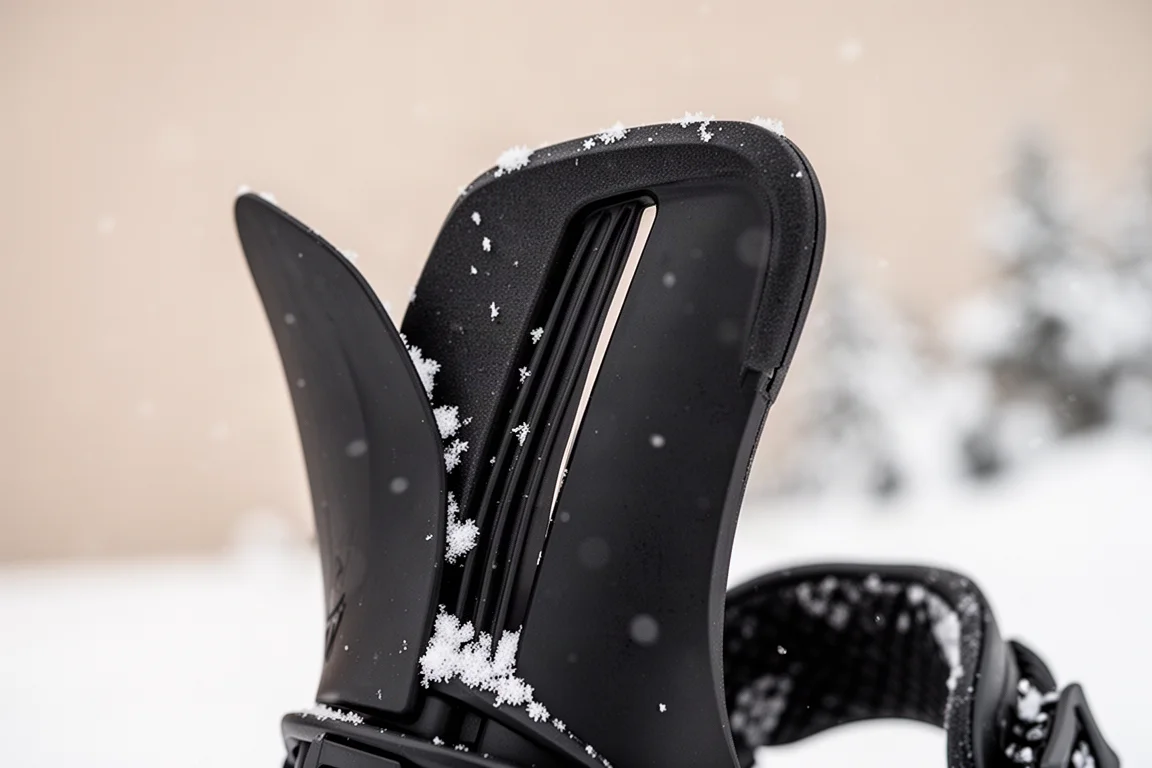
The asymmetric highback is the standout design detail. A stiffer center provides the reactivity and response you need when driving the board through turns, while softer sides leave room for creativity and tweaky, playful movement. That balance makes the binding feel supportive without being restrictive.
Underfoot, the Fusion XR plate is a low-profile, asymmetrical baseplate designed to enhance the natural board feel of any deck. Its stiffer section delivers the response expected from a freeride binding, and the impact cushioning footbed adds comfort through changing snow conditions, all-mountain chatter, and heavy landings.
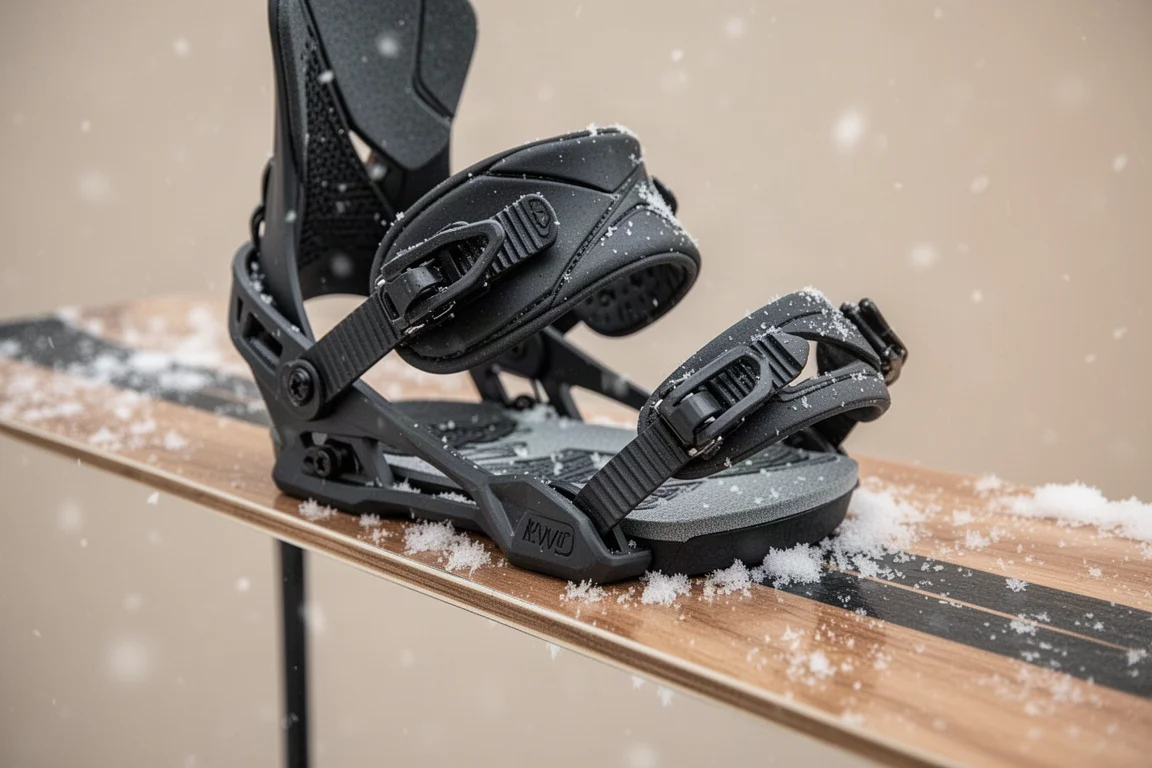
Riders testing the Mercury reported very good heel support, noting that it stays flexible enough for playful riding while responding well wherever you point the board. It is a fairly stiff binding overall, sitting in that mid-to-stiff range that provides the support bigger lines demand.
Things to Consider Before Buying
The Mercury is not a soft, park-oriented binding. If your priority is maximum flex for jibbing and butters, the stiffer freeride tuning may feel like more than you need. The fast entry system also changes how you interact with the binding compared with a traditional two-strap setup, so it is worth trying to see whether that workflow suits you.

That said, if you split your time between resort laps, variable conditions, and the occasional hike for bigger terrain, the mix of low weight, heel support, and responsive flex is a strong fit.
Buying Advice
Choose the Mercury if you want a binding that behaves like a precise freeride tool but gets you strapped in faster. Its strengths are exactly where freeride riders feel them most: response underfoot, support through the heel and highback, and comfort on landings and chatter. If you ride primarily soft and playful, look at something more forgiving; if you charge bigger lines, this is squarely in your lane.
Conclusion
The Jones Mercury brings together fast entry, a thoughtful asymmetric highback, and a low-profile baseplate in a surprisingly light package. For freeride and all-mountain riders who want locked-in support without slow strap-in routines, it is a compelling option for the season ahead.
Product link
View more details for Jones Mercury
This product is mentioned in the review. Check the specifications, options, and compatibility before buying.
View more details for Jones MercuryFurther reading
Related Reviews
Snowboard Bindings
2024 Union Ultra Snowboard Bindings Review: A Cushy, Freestyle-Focused Favorite
Two seasons on the 2024 Union Ultra: a lightweight, tweakable freestyle binding with standout comfort, a damp molecular bushing, and thoughtful hardware fixes.
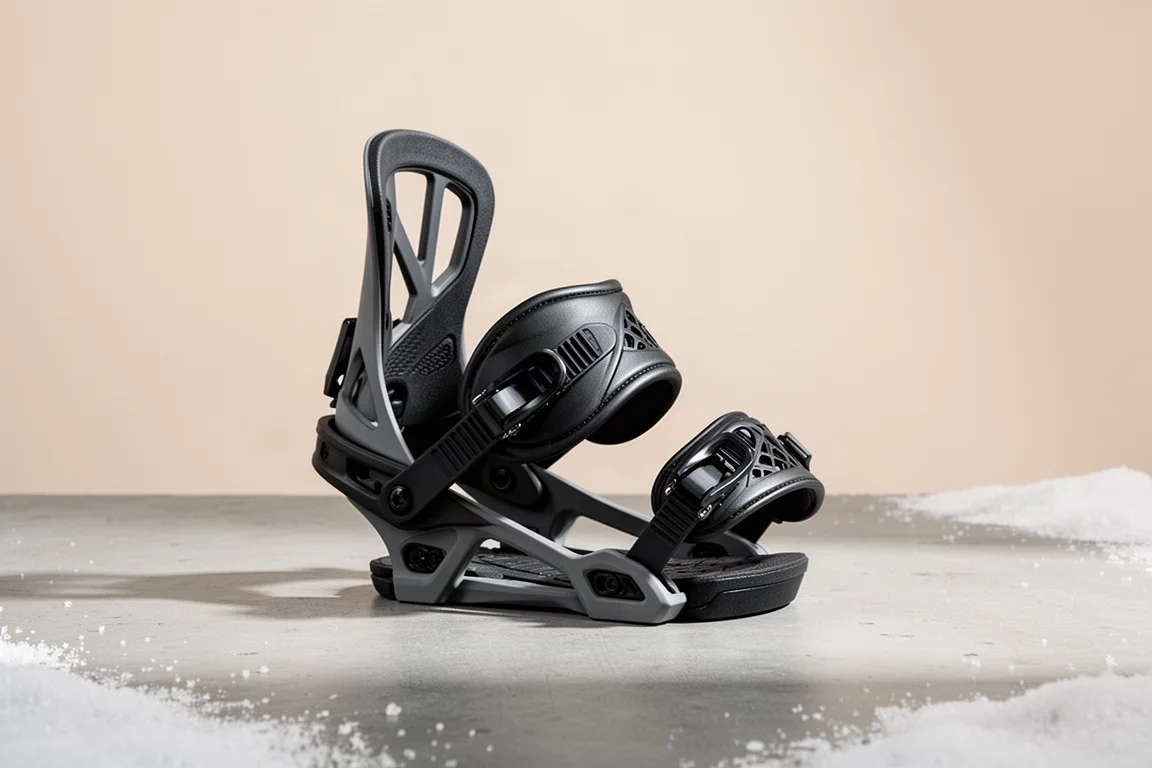
Snowboard Bindings
32 Team Phase Binding Review: A Fast Entry Binding Built for Freestyle Laps
The first binding from 32 uses the Phase chassis for quick step-in entry with a softer, freestyle-leaning flex. Here's how it performed on the snow.
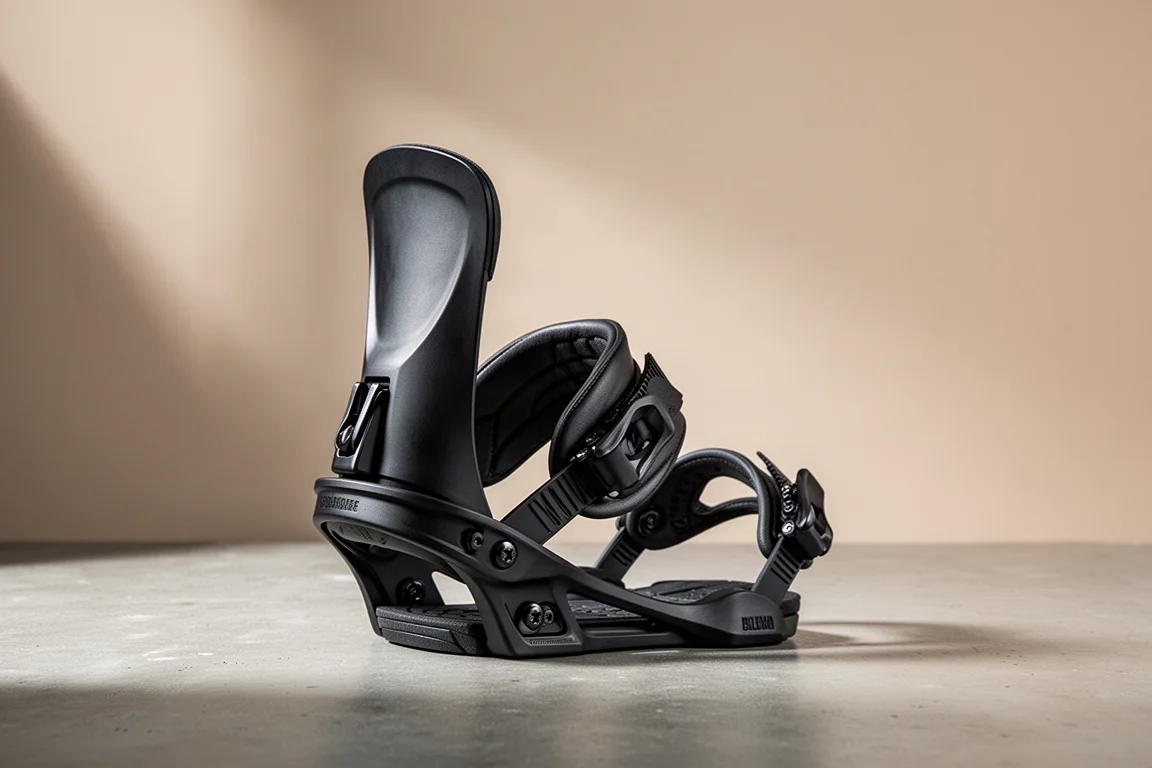
Snowboard Bindings
Arbor Cypress Snowboard Binding Review: A Laid-Back Cruiser That Can Charge
A closer look at the Arbor Cypress binding's adjustability, strap feel, and that oddly tall highback before you decide to buy.