Snowboard Bindings
Jones Mercury Binding Review: Consistent All-Mountain Freestyle Performance
A detailed look at the Jones Mercury snowboard binding, covering its adjustability, strap modes, Skate Tech ride feel, and who it suits best.
Introduction
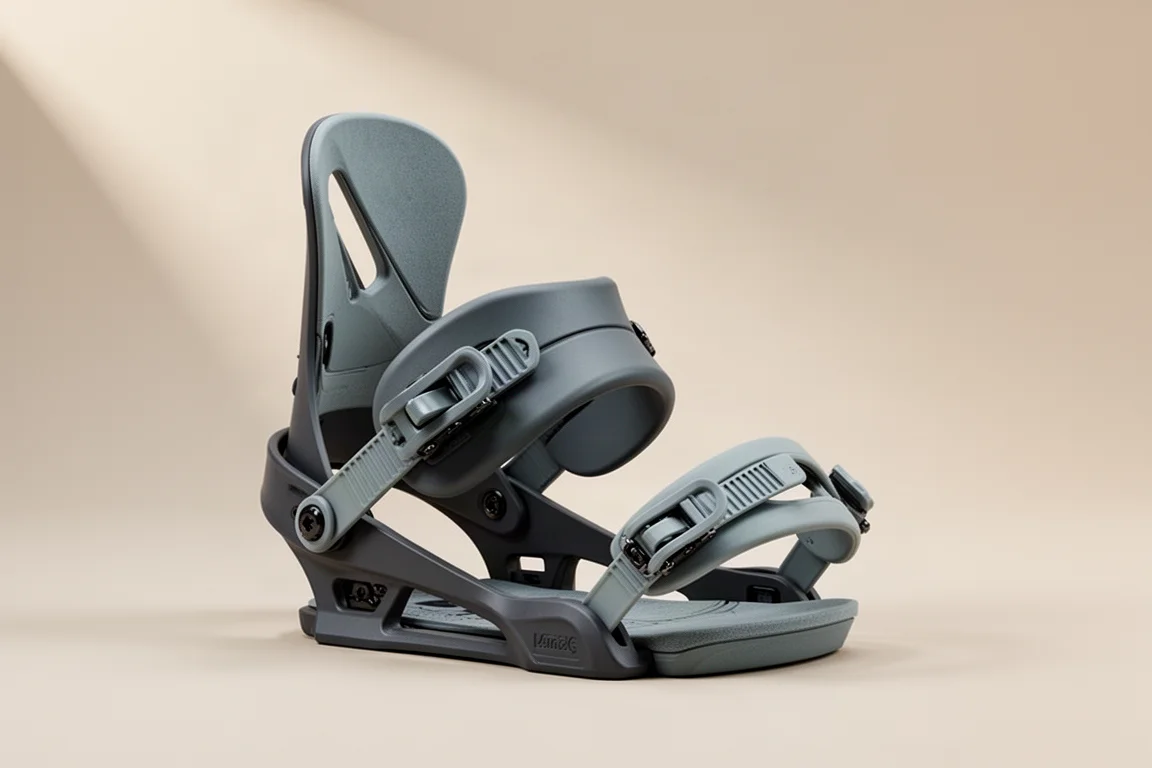
The Jones Mercury is an all-mountain freestyle snowboard binding built to be consistent rather than complicated. It was ridden through a sunny, warm day with slush, chop, and chunder on the groomers, which is exactly the mixed and variable surface most riders meet in spring conditions. Across that range the Mercury stayed snug, held securely, and never released early.
The headline change for this season is a new toe strap. The rest of the binding follows the same formula as the previous version, which matters if you already ride a Mercury or you are cross-shopping last season’s model.

The Mercury is not a binding stuffed with novelty hardware. Its value comes from doing a small number of things well: predictable flex, secure ratchets, and a chassis that puts power into the edges.
Who the Jones Mercury Is For
This is a binding for the all-mountain freestyle rider. If your days move between groomers, side hits, soft snow, and the occasional park lap, the Mercury is designed to follow you rather than force a single style.
It suits riders who want power where they ask for it and a little playfulness where they need it. The reversible surf straps let you shift that balance without tools or extra parts: surf mode gives a softer, more forgiving forward flex, and freeride mode stiffens things up.
It is less suited to riders who want the softest, most forgiving park binding available, or to anyone who wants a chassis packed with unusual adjustments. The Mercury is deliberately simple.
Main Strengths
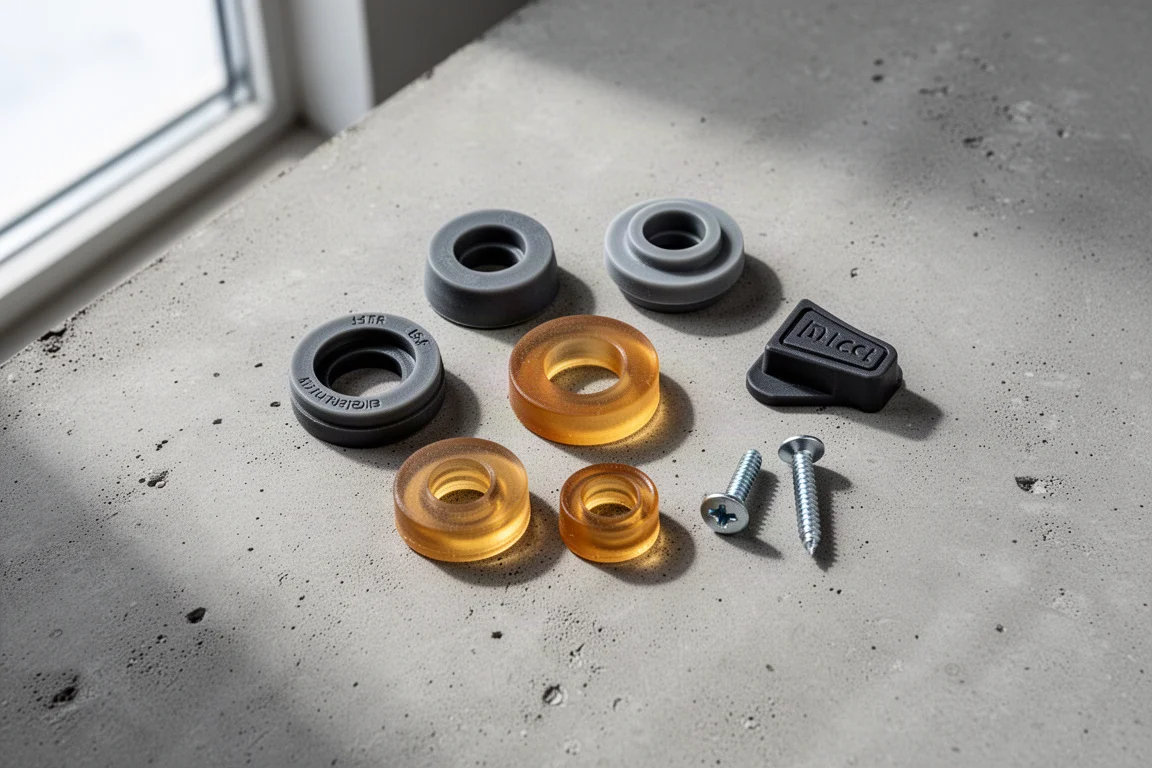
Adjustability on the Mercury is focused rather than sprawling. The bushings underfoot can be swapped between soft, medium, and hard to change how the binding feels beneath the boot. Twist cams on the toe and heel flip up and twist to release, so strap positioning changes quickly. Highback forward lean is adjusted by popping a tab, sliding it up or down, and locking it back into place.
The straps are minimalist by design. They contour around the instep of the boot with no added padding, letting the boot provide the cushioning, and a power spine runs through the middle of the strap to add rigidity where it counts. Because the straps can be flipped to the other side, the same strap behaves like two different straps depending on which mode you choose.
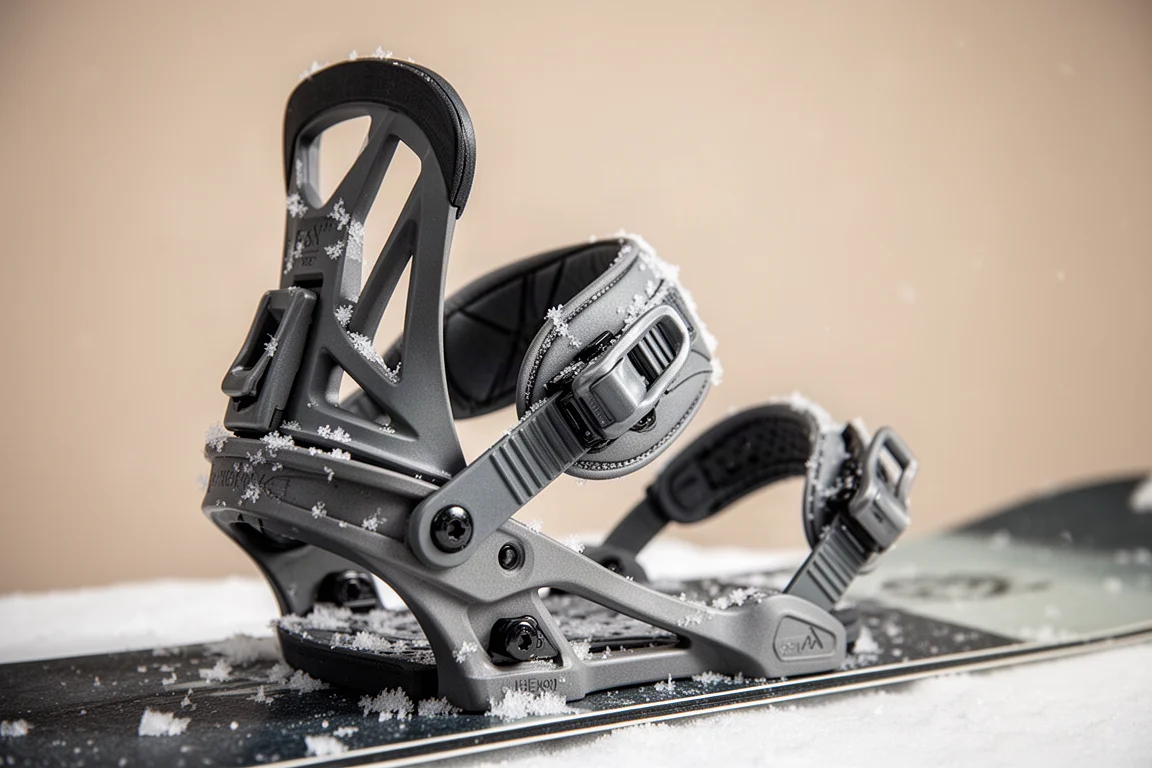
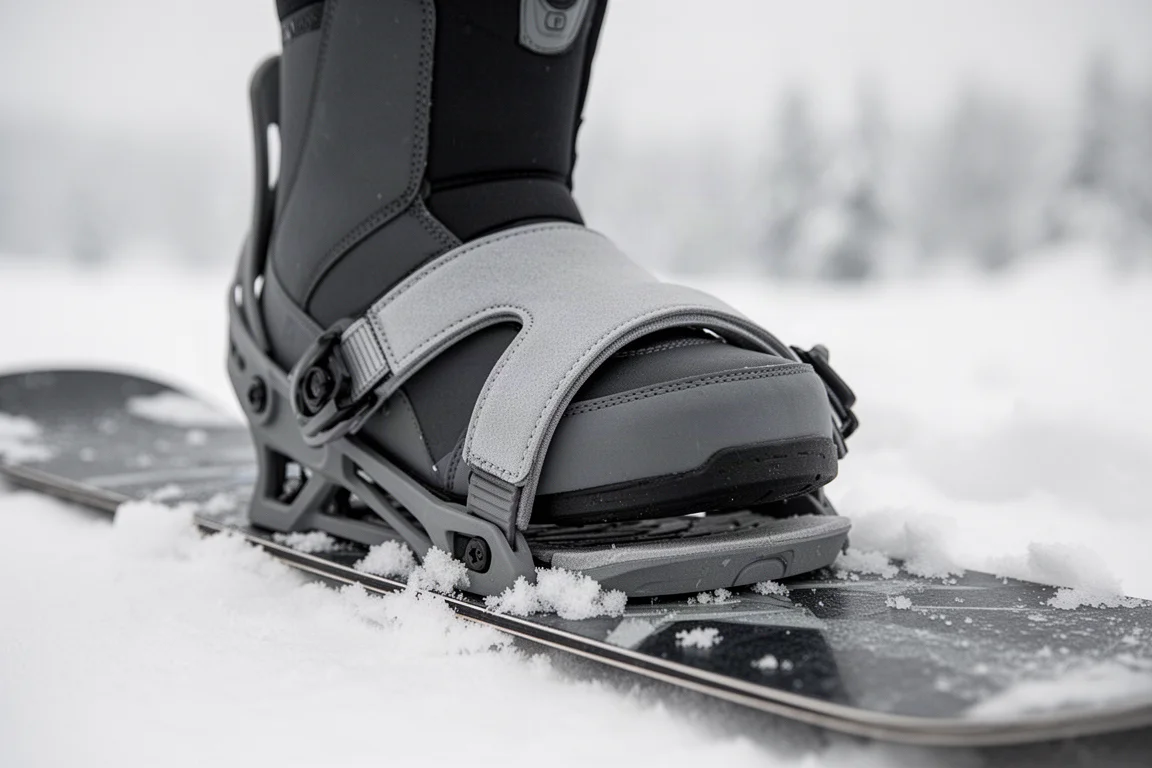
The new toe strap is the most noticeable update. It is very minimal and locks into almost any boot shape, whether the boot has a snub nose, a pointed nose, or a round nose. The ratchets do their job: the heel uses a one-finger quick release, and the toe is a push-down design.
The highback is a little shorter and a little wider than some alternatives, which reduces pressure on the calf. It is rigid down the center with more lateral give on the outside, so it is not the softest highback in the lineup but still playful enough to be fun.
The chassis uses Skate Tech, and it is the part riders feel most clearly. Rolling from toe to heel transfers power from the toe edge to the heel edge, which shows up as precision and drive when carving. That comes with a small trade-off: you lose a little lateral play but gain more lateral drive, so riders who throw their hips and knees into turns will notice a stiffer, more connected feel. Even so, the Mercury is not an overly demanding binding that forces full-time carving.
Also worth noting: the heel strap has a hinge that swings it out of the way, which helps when you are strapping in with gloves on in fresh snow.
Things to Consider Before Buying
The toe ratchet is a push-down design that sticks slightly. It works, but it lacks the small tab that would make release easier, and that is a detail you will notice every time you step out of the binding.
The straps have no padding, which is intentional, but it means boot fit matters more. The straps contour to the instep and the boot does the rest, so a well-fitting boot makes the Mercury feel better.
The Skate Tech chassis reduces lateral play slightly while adding lateral drive. Riders who want a looser, more surfy feel underfoot should weigh that against the extra edge power.
This is not the softest highback Jones offers, and the binding is not loaded with exotic features. If you want a heavily adjustable chassis or a very soft park flex, look elsewhere. The Mercury is consistent rather than dramatic, and the changes from the previous version are limited to the toe strap.
Buying Advice
Choose the Mercury if you want one binding that works across the whole mountain and you value predictable behavior over novelty. Run surf mode when you want a softer, more playful forward flex, and freeride mode when you want the straps to drive harder into the board.
If you are cross-shopping, comparable all-mountain options include the Union Strata, the K2 Lien AT, and the Rome Katana, so it is worth comparing flex and strap design before committing.
Because the Mercury is a small evolution of the previous model, riders on last season’s version have little reason to upgrade unless the new toe strap is specifically what they want. New buyers get a binding that holds securely, stays locked in, and does not punish you for riding casually on one run and aggressively on the next.
Conclusion
The Jones Mercury is a consistent all-mountain freestyle binding with a clear focus. The swappable bushings, reversible surf straps, and Skate Tech chassis give it power when you ask for it and a playful edge when you want it, while the new toe strap makes it easier to fit across different boot shapes. The trade-offs are small but real: a toe ratchet that sticks slightly, unpadded straps that rely on your boot for cushioning, and a slightly less loose feel underfoot. For riders who want one dependable binding for the entire mountain, it is a straightforward choice.
Product link
View more details for Jones Mercury
This product is mentioned in the review. Check the specifications, options, and compatibility before buying.
View more details for Jones MercuryFurther reading
Related Reviews
Snowboard Bindings
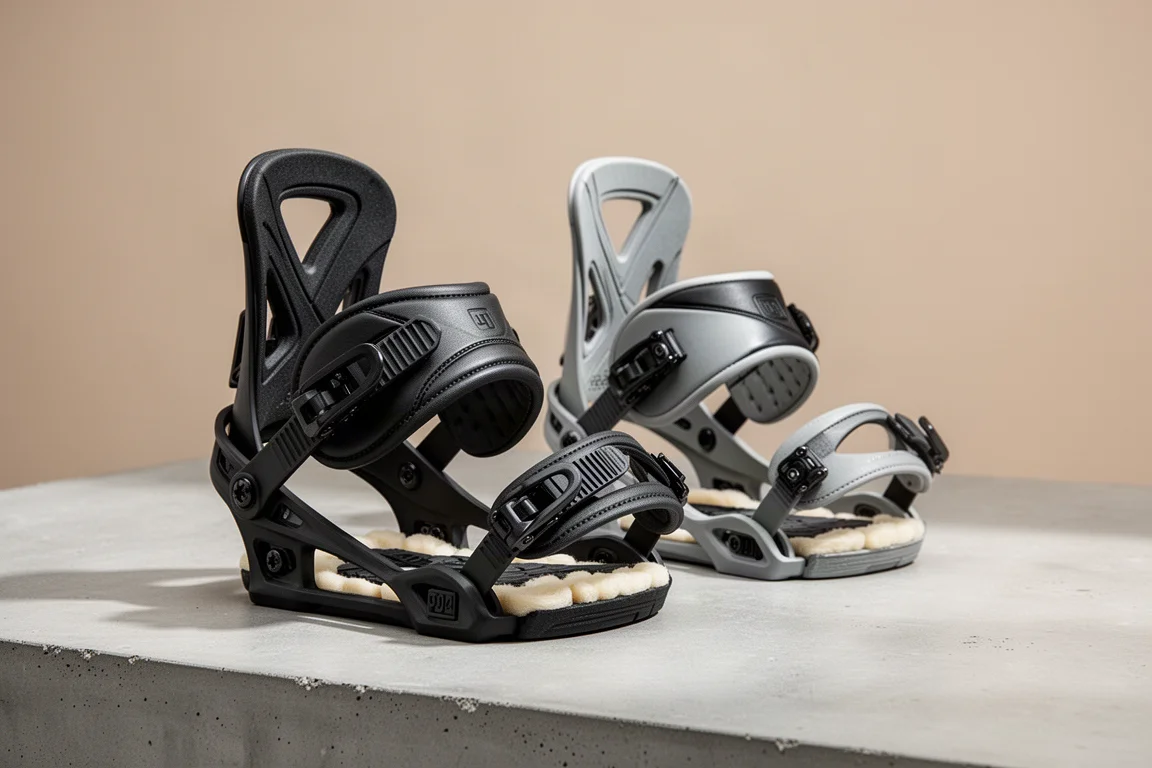
2024 Union Ultra Snowboard Bindings Review: A Cushy, Freestyle-Focused Favorite
Two seasons on the 2024 Union Ultra: a lightweight, tweakable freestyle binding with standout comfort, a damp molecular bushing, and thoughtful hardware fixes.
Snowboard Bindings
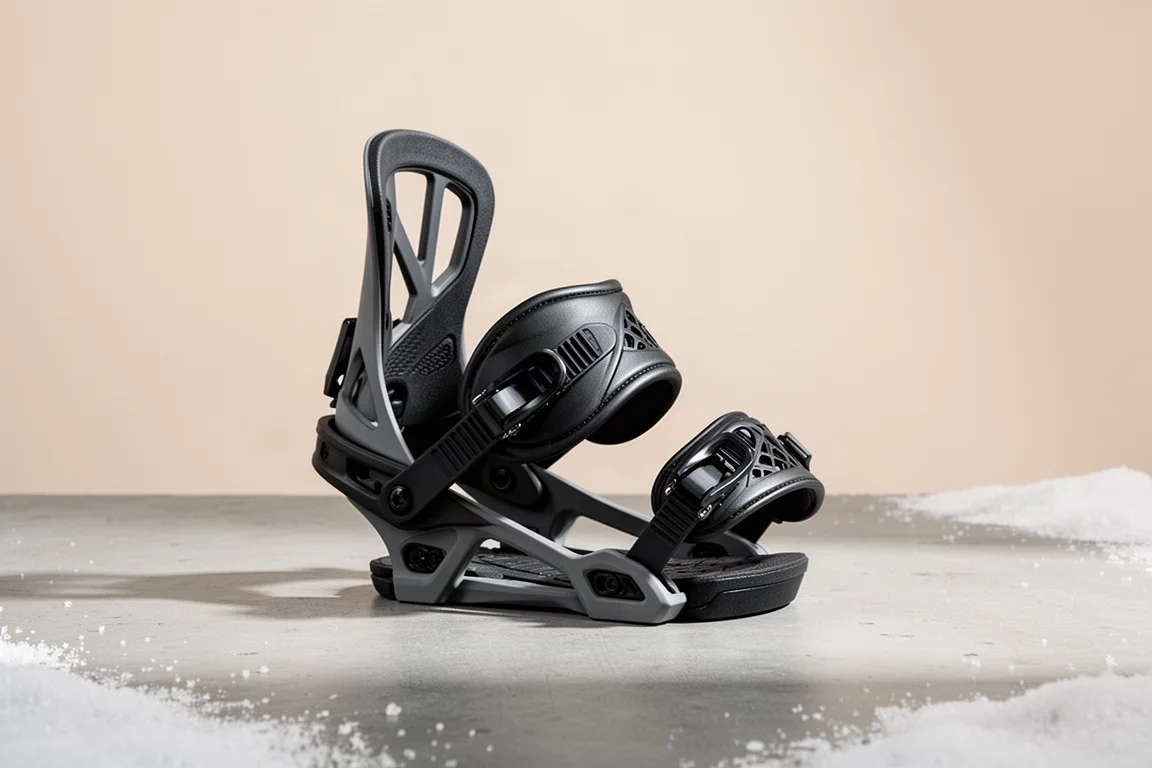
32 Team Phase Binding Review: A Fast Entry Binding Built for Freestyle Laps
The first binding from 32 uses the Phase chassis for quick step-in entry with a softer, freestyle-leaning flex. Here's how it performed on the snow.
Snowboard Bindings
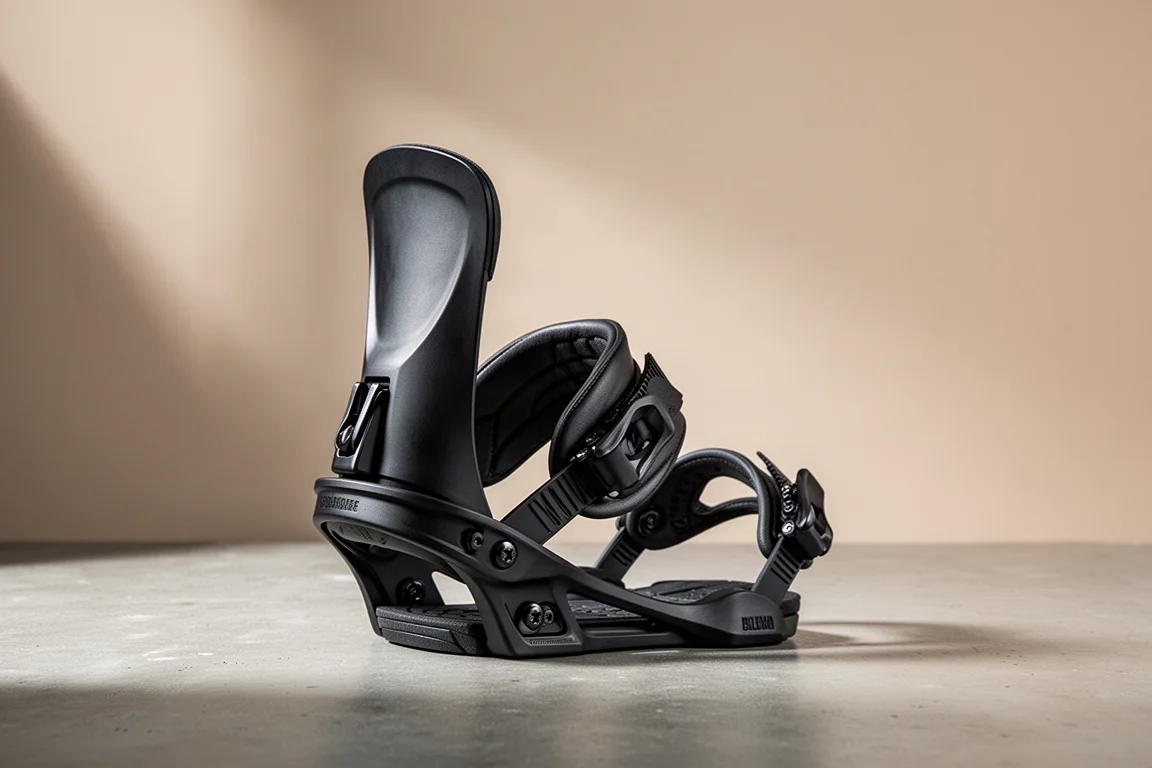
Arbor Cypress Snowboard Binding Review: A Laid-Back Cruiser That Can Charge
A closer look at the Arbor Cypress binding's adjustability, strap feel, and that oddly tall highback before you decide to buy.