Snowboard Bindings
Jones Mercury Bindings Review: An All-Mountain Favorite Gets Better
A mid-stiff, comfort-focused all-mountain binding with a clever R-plate design, refreshed straps, and serious versatility.
Introduction
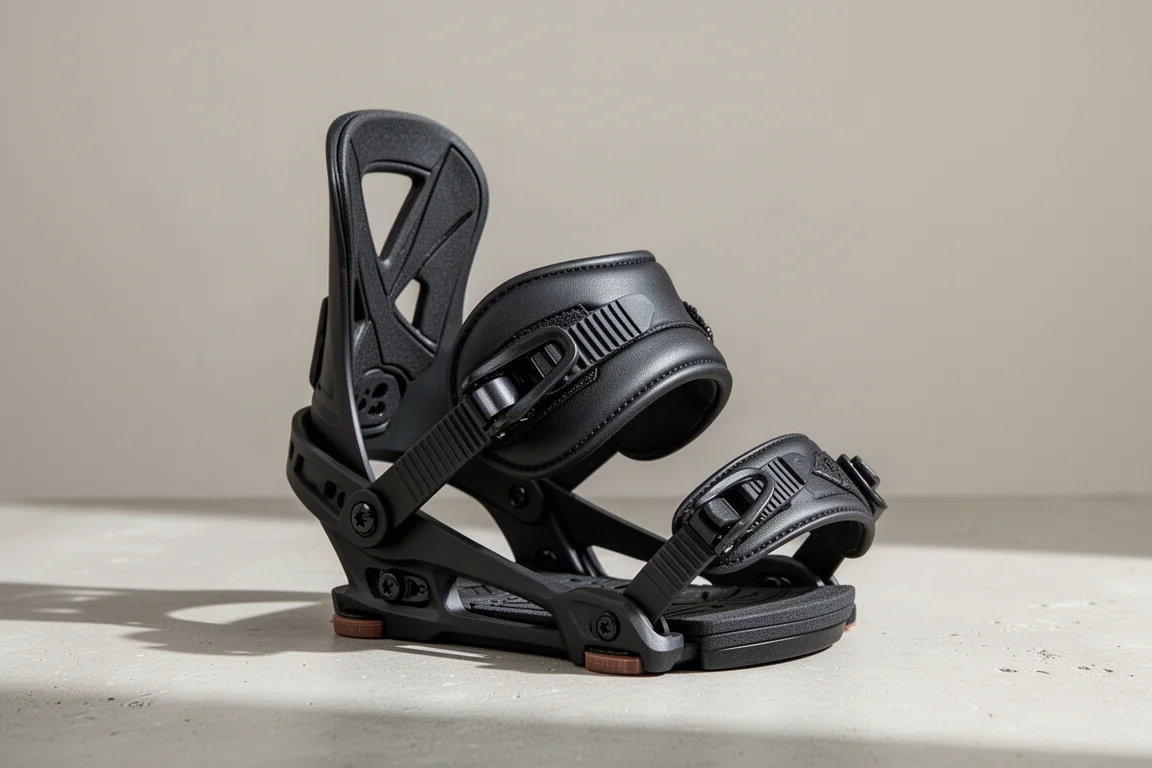
Jones added a new binding to their line this season, but the Mercury remains their most all-mountain focused option. It is stacked with comfort, performance, and some genuinely interesting features, and after a round of meaningful upgrades this year it has been a huge hit with test teams everywhere. Here is a closer look at what makes it special.
How the R-Plate Design Works
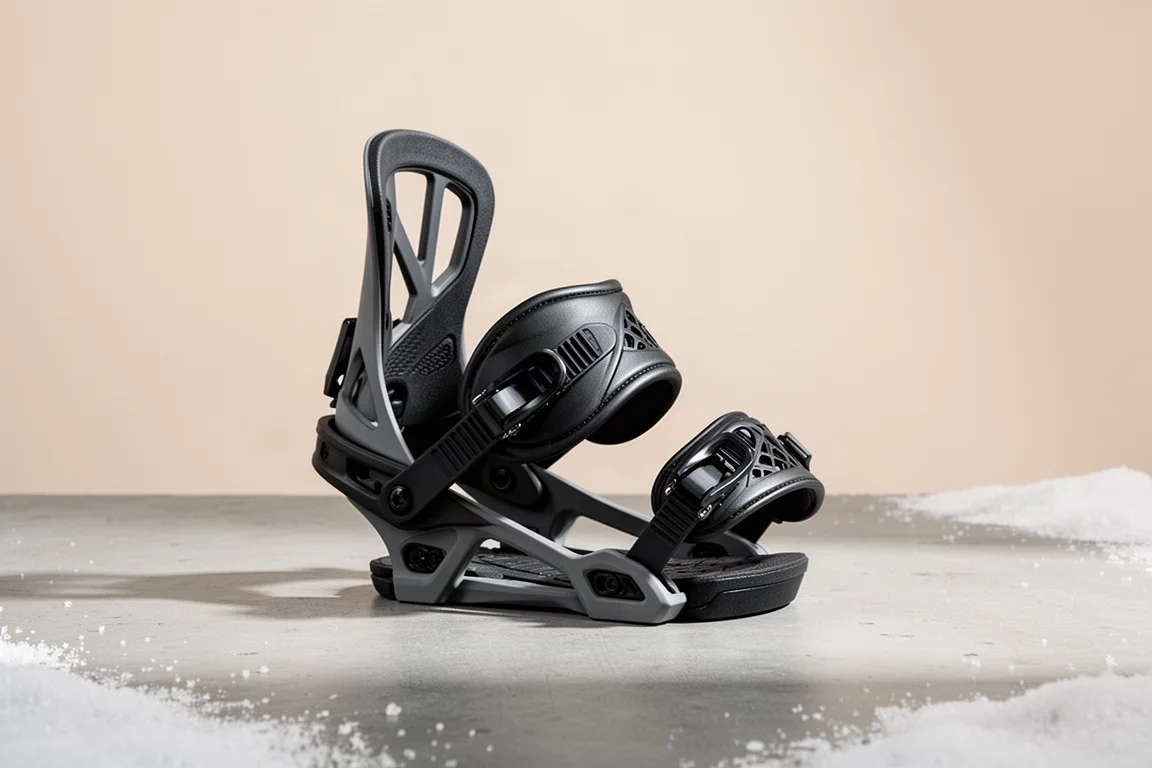
Unlike most traditional binding systems, the Mercury’s R-plate design works a little differently. It uses the same SkateTech that first appeared on Now bindings: a hanger connected to a central post via two kingpins. When you turn the board, the kingpins act as a fulcrum for the hanger and direct energy through leverage, transmitting pressure out to four rubber contact bushings located at each corner of the binding.
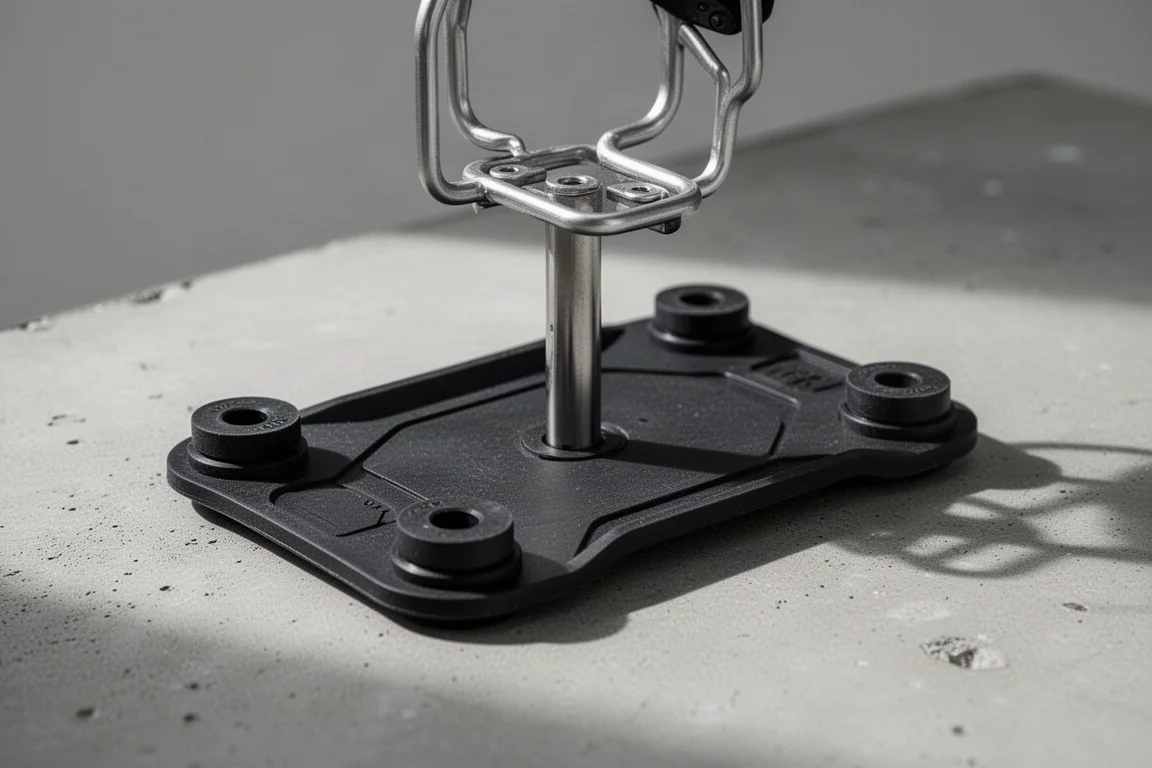
That does two important things. First, it maximizes the efficiency and power transmission of your turns, so rather than cranking your straps down super tight or wasting energy through a baseplate that bends and flexes underfoot, all your control goes directly into those contact bushings for immediate response. Second, the bushings soak up vibrations before they reach your feet. Put simply: maximum response, total control, and minimal foot fatigue.
This season Jones updated the hanger to a new 3.0 version. It is a touch wider than before to accommodate higher-volume boots, yet it weighs slightly less. The inner wall on the lateral side is a bit lower, offering more ankle mobility, and the contact bushings sit closer to the rails of the board for even better energy transfer.
Comfort and Performance on Test
The Mercury has been ridden in a whole variety of conditions and has impressed across the entire mountain. It sits in a mid-stiff flex range that blends comfort, performance, and versatility in a way few bindings manage.

The verdict from extended testing: the upgrades this season have raised the bar once again on a binding that was already a benchmark for all-mountain riding.
Strap Upgrades for This Season
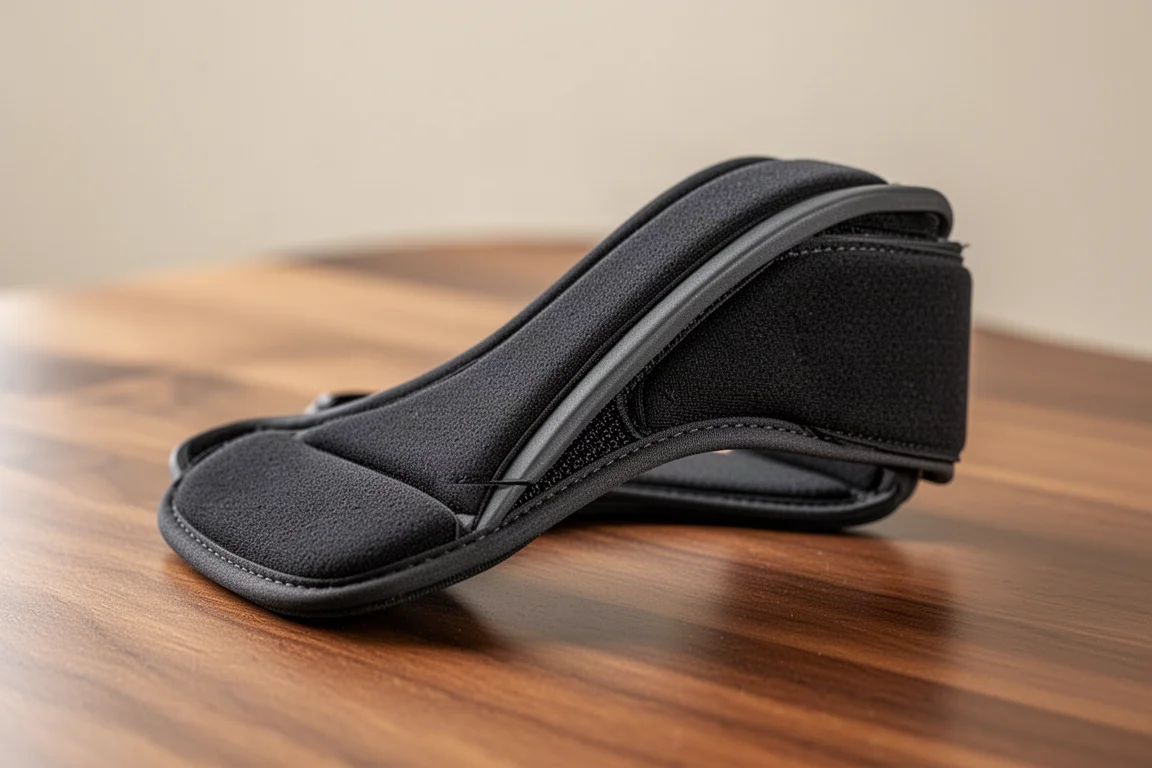
The ankle straps get a couple of updates. The new Power Spong design looks more stripped back than last year’s version but still offers comfort and power in equal measure. It uses a two-part construction: a softer, wider section that closely wraps and conforms to the shape of your boot, and a stiffer spine over the top that keeps things reactive and dials up response.
The Mercury can also be set up for either surf mode or freeride mode by switching between the soft and hard rubber compounds in the contact bushings and swapping the flip-it ankle straps for either more mobility or a snappier, more responsive feel.
Two smaller additions round things out. The new intelligence straps include a small hinge at the base of the ankle strap that keeps it clear of the foot when strapping in, while the pre-curved ladder strap lines up with the buckles more efficiently for quicker lock-in.
The toe straps remain unchanged, which is no bad thing: the spiderweb-style design conforms to any boot shape and stays securely in place. The Control Flex highback is also carried over after a big overhaul last season. Its central section looks beefed up for support and rebound between turns, while the more flexible side wings keep plenty of mobility for tweaking grabs or adding a little surf style to your turns.
Who the Mercury Is For
This is a binding for riders who want one setup that can genuinely do everything: carving, freeride lines, playful surf-style turns, and long days where foot fatigue matters. The bushing swaps make it easy to tune the feel between surf mode and a more responsive freeride setup.

If you tend to ride mostly park or want a soft, buttery flex, the mid-stiff Mercury may be more binding than you need. But for true all-mountain use, it is hard to beat.
Buying Advice
Choose your mode before you ride: soft compound bushings and the flip-it straps set for mobility if you want that surfy feel, or hard compounds and a snappier strap position for a more responsive freeride setup. The wider 3.0 hanger also makes this a strong pick if you ride higher-volume boots.
Conclusion
The Jones Mercury remains a perfect all-mountain, mid-stiff flexing binding, and this year’s upgrades have raised the bar once again. Comfort, performance, and versatility do not come much better than this.
Product link
View more details for Jones Mercury Bindings
This product is mentioned in the review. Check the specifications, options, and compatibility before buying.
View more details for Jones Mercury BindingsFurther reading
Related Reviews
Snowboard Bindings
2024 Union Ultra Snowboard Bindings Review: A Cushy, Freestyle-Focused Favorite
Two seasons on the 2024 Union Ultra: a lightweight, tweakable freestyle binding with standout comfort, a damp molecular bushing, and thoughtful hardware fixes.
Snowboard Bindings
32 Team Phase Binding Review: A Fast Entry Binding Built for Freestyle Laps
The first binding from 32 uses the Phase chassis for quick step-in entry with a softer, freestyle-leaning flex. Here's how it performed on the snow.
Snowboard Bindings
Arbor Cypress Snowboard Binding Review: A Laid-Back Cruiser That Can Charge
A closer look at the Arbor Cypress binding's adjustability, strap feel, and that oddly tall highback before you decide to buy.