Snowboards
Jones Hovercraft 2.0 Review: What the 3D Hull Base Does for Powder Riding
A focused look at the Jones Hovercraft 2.0 and its 3D Hull base: what the tail pockets do, how they change back-foot glide, and which powder riders actually benefit.
Introduction
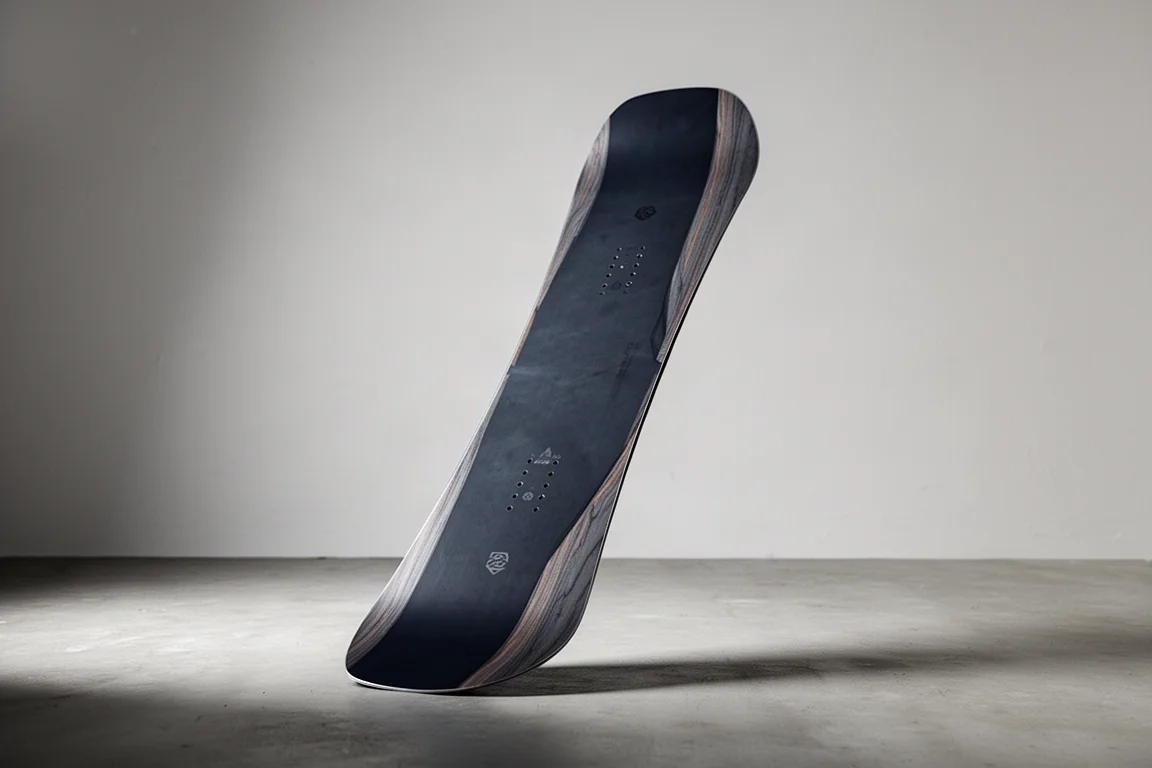
The Jones Hovercraft 2.0 is a powder-focused snowboard, and one of the details that separates it from a conventional shape is hidden underneath the tail. Jones calls it a 3D Hull base: a pair of 3D-shaped pockets sunk into the tail of the base rather than a flat running surface from tip to tail.
Three-dimensional base shaping is not new to snowboarding. Several brands have explored their own versions of it over the years, and Jones already applies 3D shaping to the noses of its boards through its 3D Contour bases. The Hovercraft 2.0 takes that thinking to the opposite end of the board.
This review explains what the 3D Hull base is, how it behaves underfoot, and which riders will actually get value from it.
Who the Jones Hovercraft 2.0 Is For
The Hovercraft 2.0 is built for riders who spend their time in soft snow. Its design centers on powder float and on how the board behaves when weight shifts to the back foot, which is the position most riders adopt in deep snow.
If your typical day involves groomers, park laps, or hardpack, the tail shaping here is unlikely to be the reason you buy a board. If your days are measured in powder laps and you want a tail that keeps gliding instead of digging in, this is the board’s core appeal.
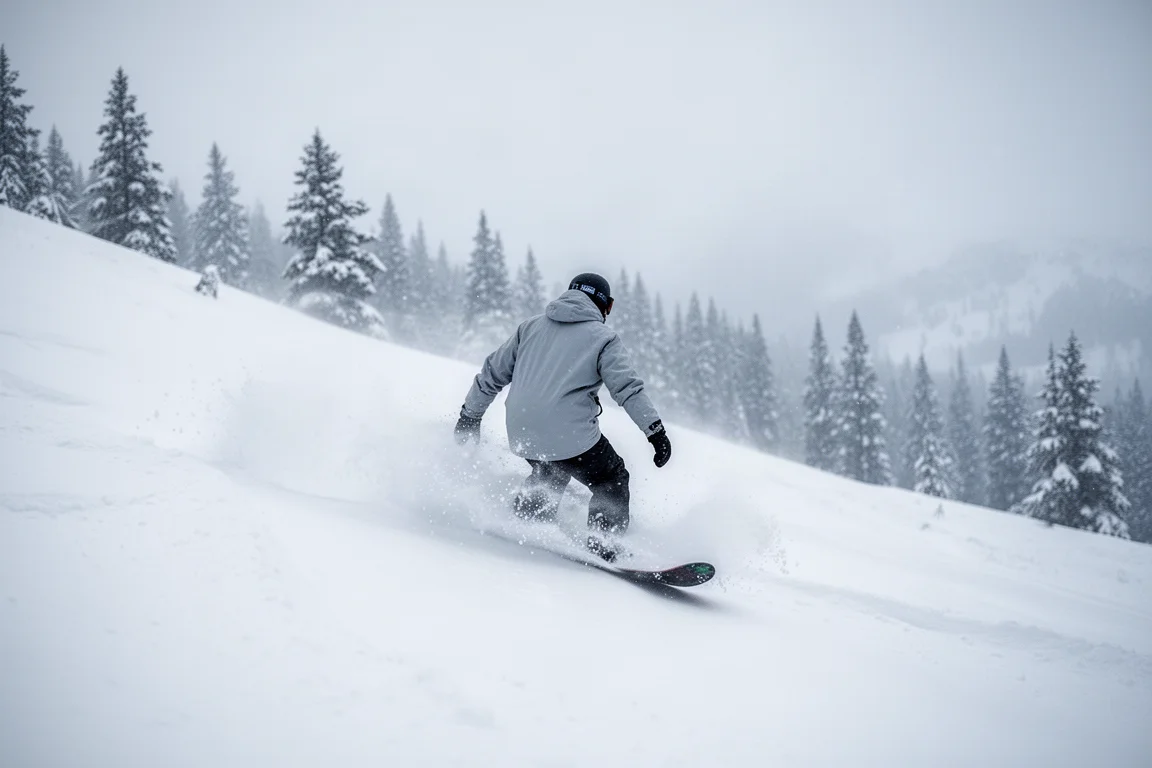
The shaping matters most in the moments between turns: traversing out of a bowl, holding speed across a flatter bench, or keeping momentum when the snow gets heavier and wetter. Those are exactly the situations where a conventional flat tail tends to drag.
How the 3D Hull Base Works
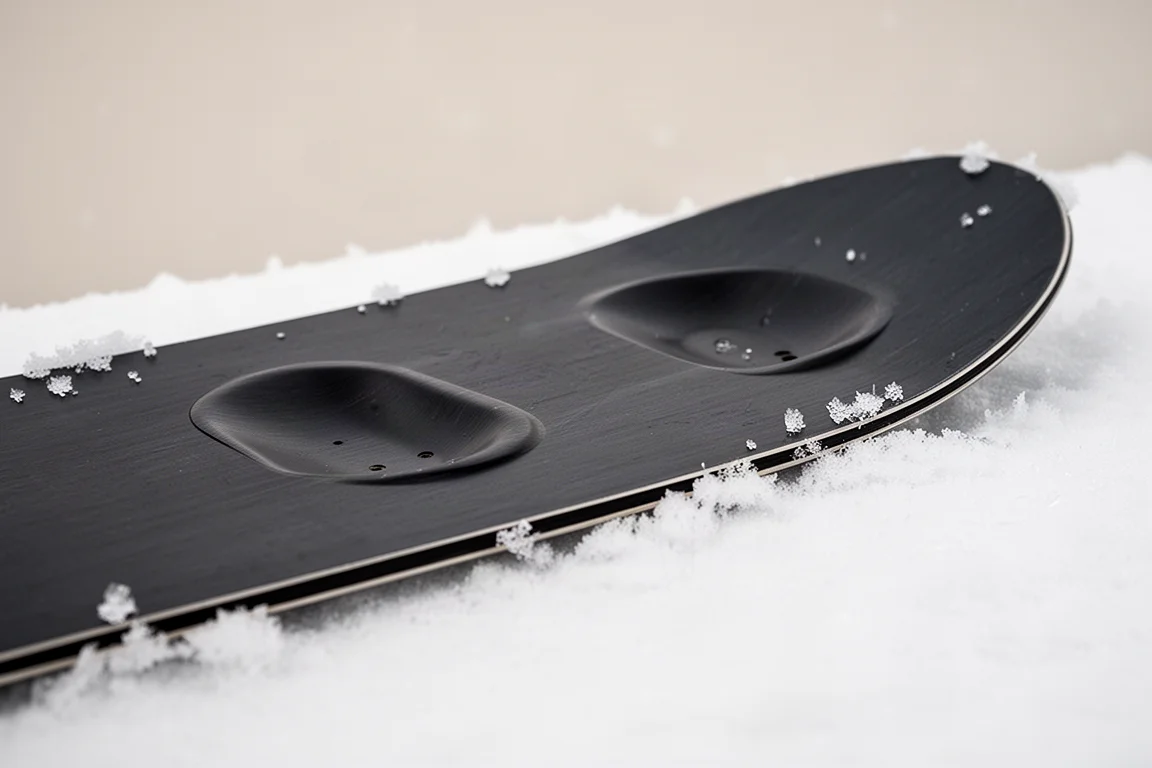
The 3D Hull base consists of two 3D-shaped pockets sunk into the tail of the board. Instead of a flat surface across the whole tail, the base is contoured in that zone, which changes how snow interacts with the board when the rider is loaded on the back foot.
On a flat base, that rearward weight creates friction and suction: snow packs under the tail and holds on. The pockets break up that suction. With less surface grabbing the snow, the tail releases more easily and the board keeps gliding rather than stalling.
The intent is straightforward. Better glide from the back foot means less effort spent fighting the board, which in turn reduces fatigue in the back leg. It also helps the tail stay looser in deep snow, supporting the float that a powder shape is designed to deliver.
Wet snow is where the difference is often clearest. Dense, heavy snow is the most likely to stick and suck. The contoured tail breaks that suction and pushes the snow out behind the board instead of letting it load up.
Main Strengths on Snow
The clearest benefit is how the board carries speed when the rider is leaning back. It scoots along flatter sections more easily than a flat-tailed shape, which means less pumping and less effort to keep momentum through transitions.
That translates into a noticeably different feel from the back foot. When you are really leaning into the tail, the board keeps cruising rather than loading up and slowing down, and the back leg does less work over the course of a run.
Powder float is the other headline. The combination of the Hovercraft 2.0’s shape and the 3D Hull base keeps the tail working with the snow rather than against it, which supports the float the board is designed around. Jones’s broader 3D approach, including the 3D Contour bases that shape the noses of other boards, points in the same direction.
Things to Consider Before Buying
The 3D Hull base is not a universal upgrade. It is a targeted feature that pays off in soft snow and matters much less on firm, groomed terrain, where the tail shaping has little to work with.
It is also specific to this board. If you want the 3D Hull base, the Hovercraft 2.0 is the way to get it, so the decision is really about whether the Hovercraft 2.0 as a whole suits your riding, not about the base technology on its own.
Who Should Skip It
Not every rider needs this. If you ride mostly hardpack, park, or heavily groomed runs, the tail pockets will rarely come into play, and the money and attention are better spent elsewhere.
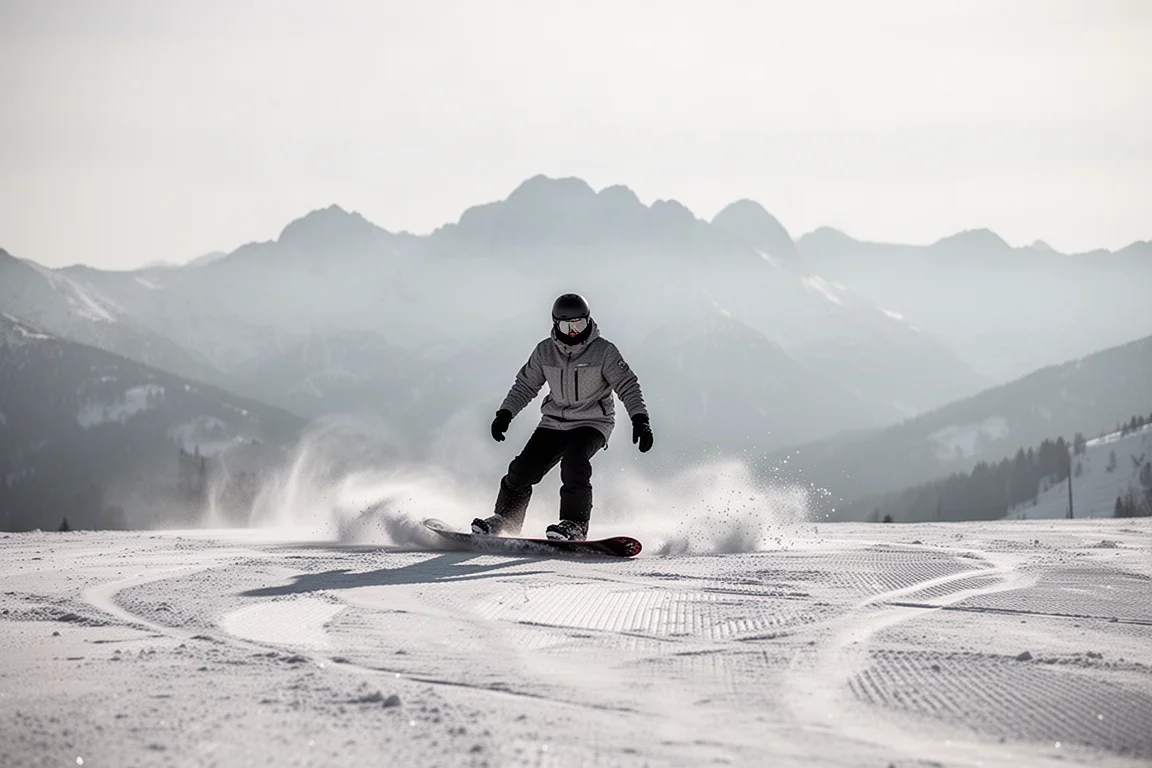
Powder riders are the group that should consider it. If your season is built around deep days and you want a tail that keeps gliding when you are on the back foot, the feature earns its place. Outside that use case, the benefits are limited.
Riding Feel and Back-Foot Glide
The design’s most distinctive effect is on the tail under load. When weight moves rearward, the board does not behave like a flat-tailed shape: it keeps cruising, and the glide stays consistent rather than fading as the tail sinks.
That consistency is the point of the design. Reduced back-leg fatigue is a real outcome over a long powder day, because the rider is not constantly working to unstick the tail. The board simply keeps moving.
In wetter, heavier snow, the effect is even more apparent, since that is the condition most likely to create suction under a flat base. The contoured tail breaks it up and pushes the snow clear.
Buying Advice
The right way to think about the 3D Hull base is as a bonus on a board you would already want. If you are shopping for a powder board and the Hovercraft 2.0’s shape and float fit your riding, the tail shaping is a genuine extra benefit that improves how the board glides and how your back leg feels at the end of the day.

If you are not a powder rider, or if you split your time evenly across park, groomers, and soft snow, the feature should not be the deciding factor. The Hovercraft 2.0 is a specialized board, and the 3D Hull base is a specialized solution within it.
As with any board purchase, match the product to the riding you actually do most often. The feature works, but it works for a specific kind of day.
Conclusion
The 3D Hull base is a smart, focused piece of design. The two contoured pockets in the tail break up the friction and suction that build under the back foot, which improves glide, reduces back-leg fatigue, and supports powder float. It is a limited feature on a specialized board, and it is not for everyone, but for powder riders it is a meaningful addition and a direction that makes sense for the brand.
Product link
View more details for Jones Hovercraft 2.0
This product is mentioned in the review. Check the specifications, options, and compatibility before buying.
View more details for Jones Hovercraft 2.0Further reading
Related Reviews
Snowboards
32 Middle Earth Scott Stevens Pro Model Snowboard Review: A Park Board With a Reversed Flex
A medium traditional camber park board with carbon V reinforcement that is stiffer in the tips and more playful between the feet. Here is how it rides and who it suits.
Snowboards
32 Snafu Review: A Directional All-Mountain Freestyle Board with Serious Pop
The 32 Snafu pairs a directional camber-rocker profile with a stiffening tail for powerful carves, big ollies, and a surprisingly damp ride.
Snowboards
32 XXX Pat Fava Pro Snowboard Review: A Stiff Camber Beast for Hard-Charging Riders
A full-width traditional camber deck that rewards aggression with stability and edge power, but demands effort everywhere else.