Snowboards
Jones Frontier Review: A Serious Overhaul for Progressing Freeride Riders
The reworked Jones Frontier brings more pop, easier turn entry, and a friendly directional camrocker profile that suits intermediate riders stepping into all mountain freeride terrain.
Introduction
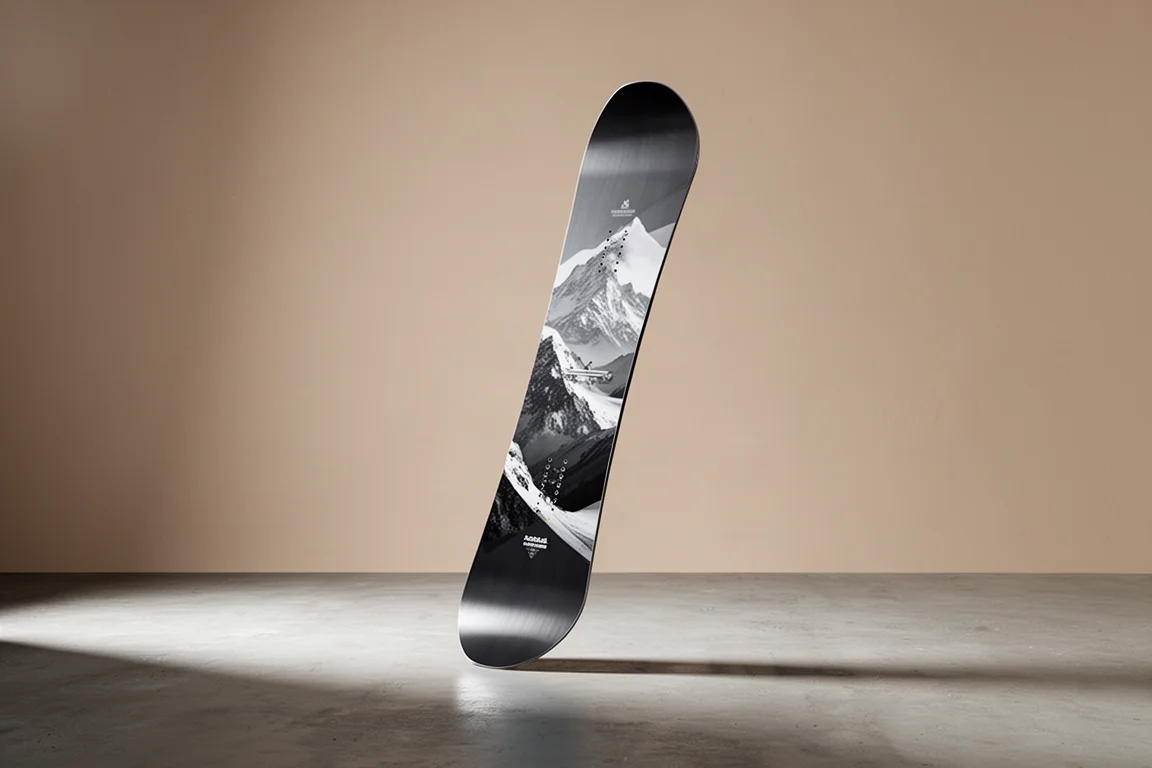
The Jones Frontier got a meaningful overhaul this year, and the changes show up in the way the board rides. It is a directional all mountain freeride deck built around Jones’ directional camrocker profile, and after riding it in a mix of fresh powder, firm groomers, and icy patches, it is clear who this board is made for: the progressing intermediate freeride rider who wants one board that can handle the whole mountain.
First Impressions on the Snow
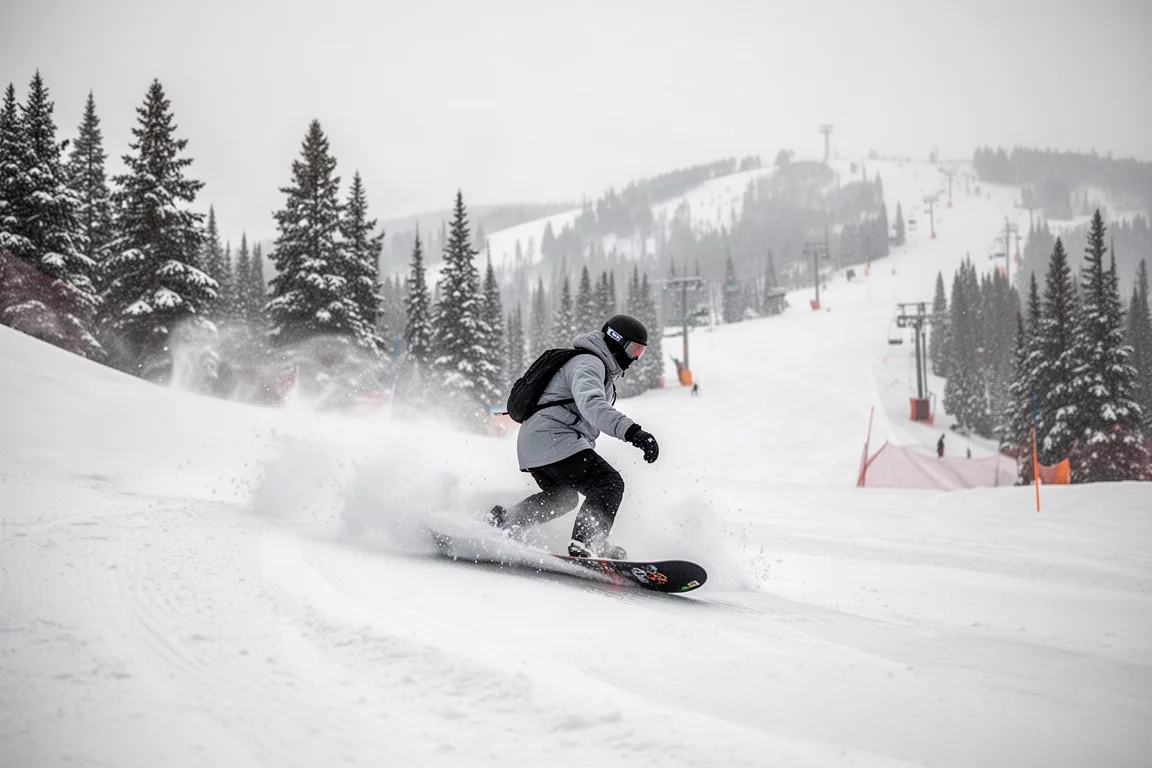
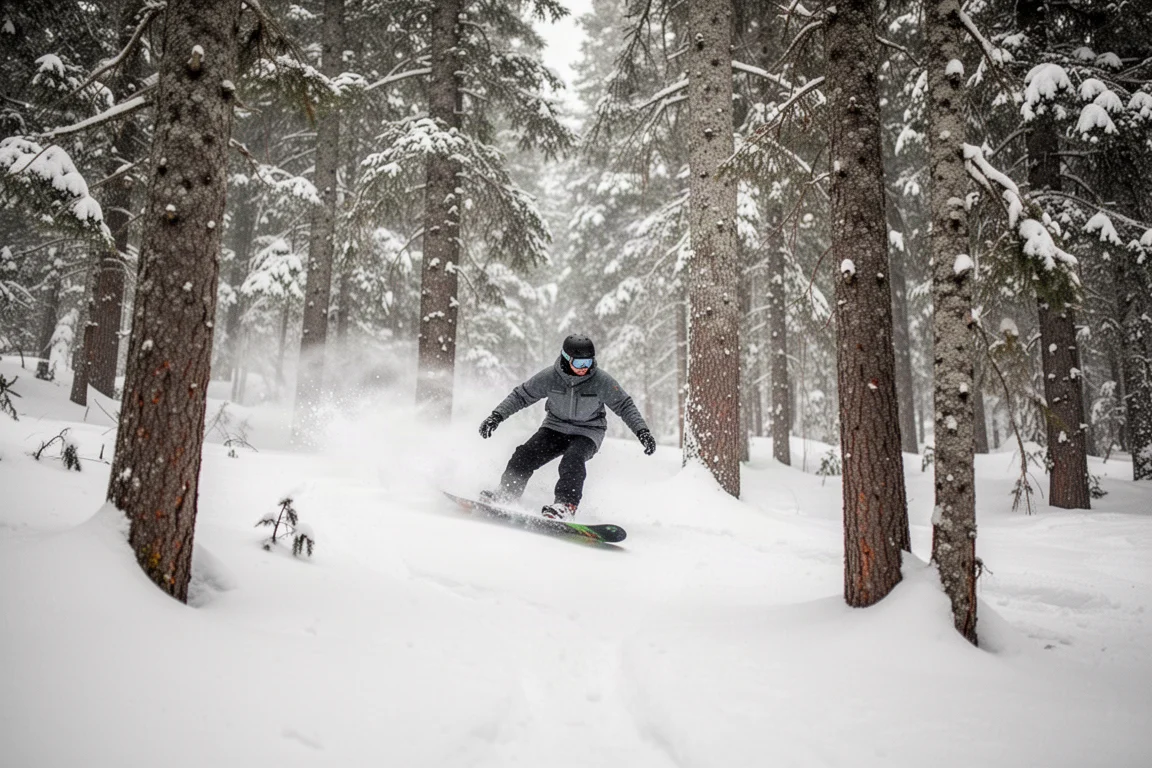
Testing happened at Copper Mountain on a day that offered a bit of everything: fresh powder off the runs, pockets of snow on the runs, firm groomers, icy patches, and occasional falling snow with zero wind. The board was ridden with Rome Black Label bindings and K2 Thraxis boots.
The directional camrocker profile puts rocker in the tips and camber through the midsection, with a slightly set back stance. In practice, that means you get the load, pop, snap, and drive of traditional camber, while the rocker in the tips makes it easier to enter and exit turns and helps the board float better in powder.
Flex and Feel
Overall flex sits slightly around the middle of a directional all mountain freeride range. The nose has a bit more give, and the board progressively stiffens toward the tail. Torsional flex is abundant, which shows up in how willing the board is to roll edge to edge.
There are two clearly defined flex points worth knowing about. One sits right where the rocker meets the camber in the nose, and the other sits just inside the rear foot. When you drive into your rear binding toward the center, the nose and center elevate, which is part of what makes the board feel lively and playful.
Stability is moderate. An intermediate rider coming off rental boards or a beginner deck will find this board impressively stable. A more seasoned rider will notice it is a bit lively, meaning you need to keep your knees bent and stay ready, especially at high speeds. On rutted terrain and fast groomer runs, the board can get bucked around slightly and you may feel some flap resonate underfoot, which can lead to foot fatigue if you charge aggressively all day.
Pop and Boost
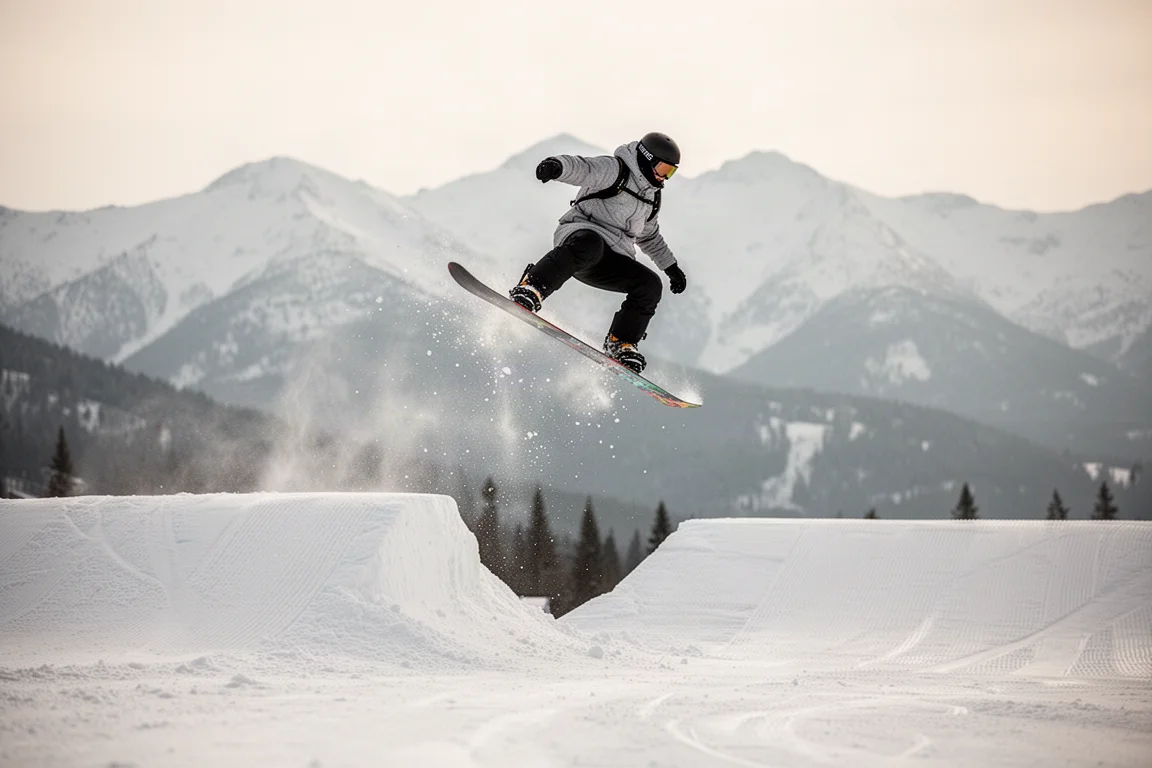
This is where the overhaul really pays off. The new Frontier has noticeably more pop than the previous version. Even side hits taken with next to no speed launched the board several feet straight up, and with any speed on a roller or side hit, it goes up and out with confidence.
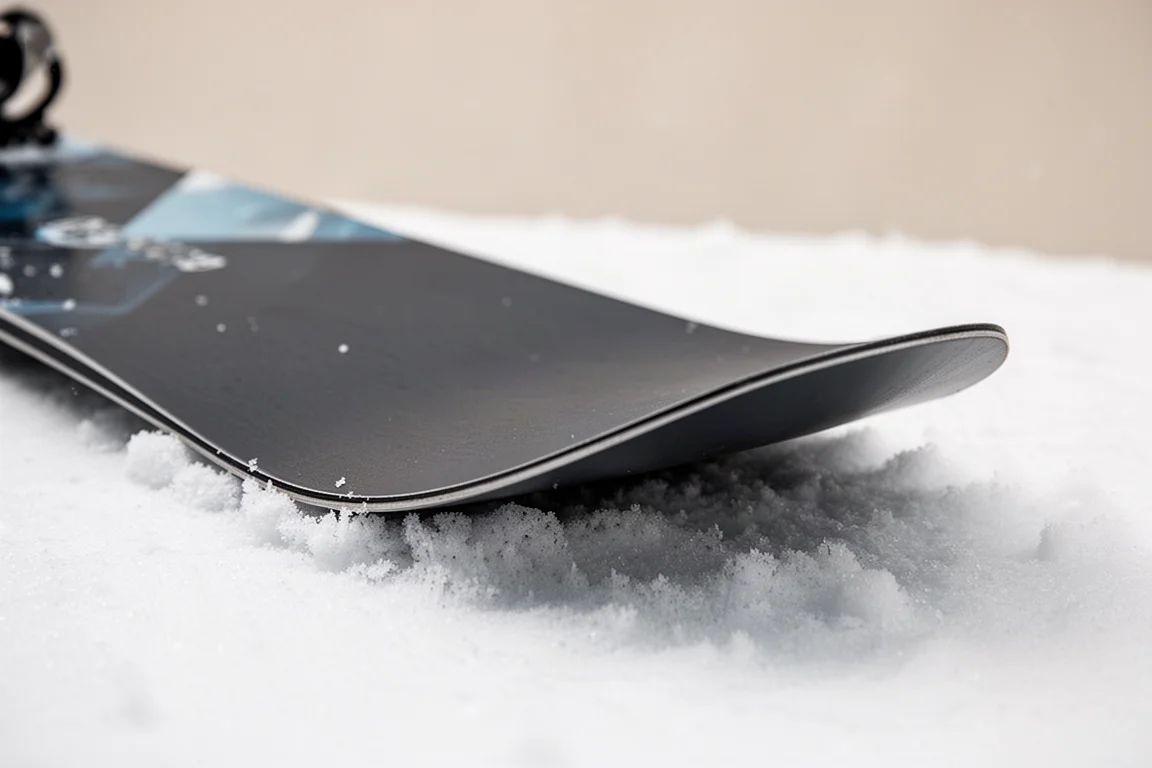
The camber is easy to engage, so you do not fight the board to load it. Roll back on the tail and it becomes a springboard, launching you upward. Buttering is also surprisingly approachable thanks to slight 3D shaping, though the more pointy nose can hook up and spin you around the tail if you do a sloppy nose press into it.
Carving
Edge to edge, the Frontier is fluid and nimble. It wants to be on edge and transitions quickly, and it is easy to ankle steer through short, tight, quick carves as well as medium, mellow ones.
Deeper, harder carves demand more from the rider. You need the right pitch, good snow conditions, and space, and even then you have to tone back how hard you drive the board, because an aggressive rider can overpower it. It will lock in and it is smooth on edge, but there are limits to be aware of before you buy.
Who This Board Is Really For
This is a great board for the progressing all mountain freeride rider. It is quick edge to edge, good on a groomer, good in powder, and nimble in the trees. If you are a more advanced rider, there are stronger options in the Jones lineup, but for an intermediate moving up, this is a very solid choice.
Comparable boards worth looking at include the Yes Pick Your Line, the Ride Moderator, and the Rossignol One. Recommended bindings to pair with it are the Jones Meteorite, the Battalion Blaster Asym Wrap Phase, and the Union Force.
Buying Advice
The Frontier is available in a wide size run: 150, 153, 155 wide, 156, 158 wide, 159, 161 wide, 162, 164 wide, 165, and 167 wide, so bigger riders have real options. If your goal is a single freeride-leaning deck that forgives your mistakes while you level up, this board fits that brief well.
Conclusion
The overhaul made the Jones Frontier a noticeably better board. More pop, easier turn entry, solid powder float, and a forgiving yet lively flex make it an easy recommendation for progressing intermediate freeride riders who want one board to do a bit of everything.
Product link
View more details for Jones Frontier
This product is mentioned in the review. Check the specifications, options, and compatibility before buying.
View more details for Jones FrontierFurther reading
Related Reviews
Snowboards
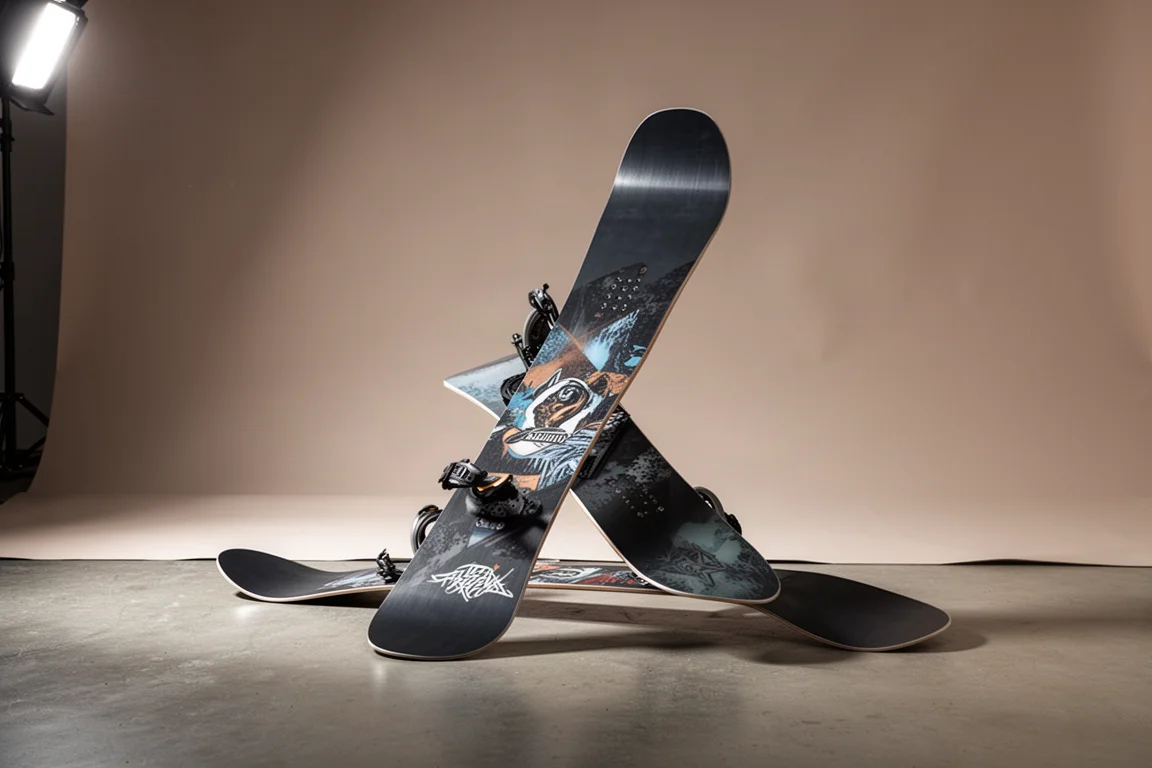
32 Middle Earth Scott Stevens Pro Model Snowboard Review: A Park Board With a Reversed Flex
A medium traditional camber park board with carbon V reinforcement that is stiffer in the tips and more playful between the feet. Here is how it rides and who it suits.
Snowboards
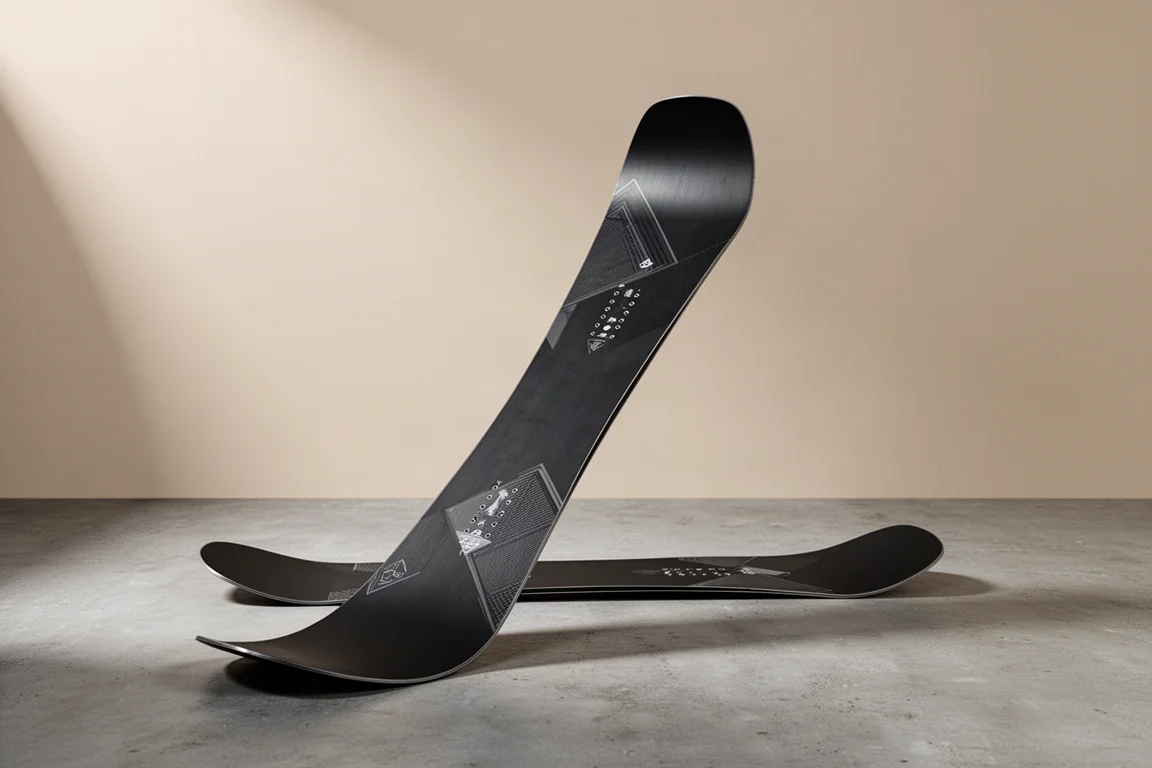
32 Snafu Review: A Directional All-Mountain Freestyle Board with Serious Pop
The 32 Snafu pairs a directional camber-rocker profile with a stiffening tail for powerful carves, big ollies, and a surprisingly damp ride.
Snowboards
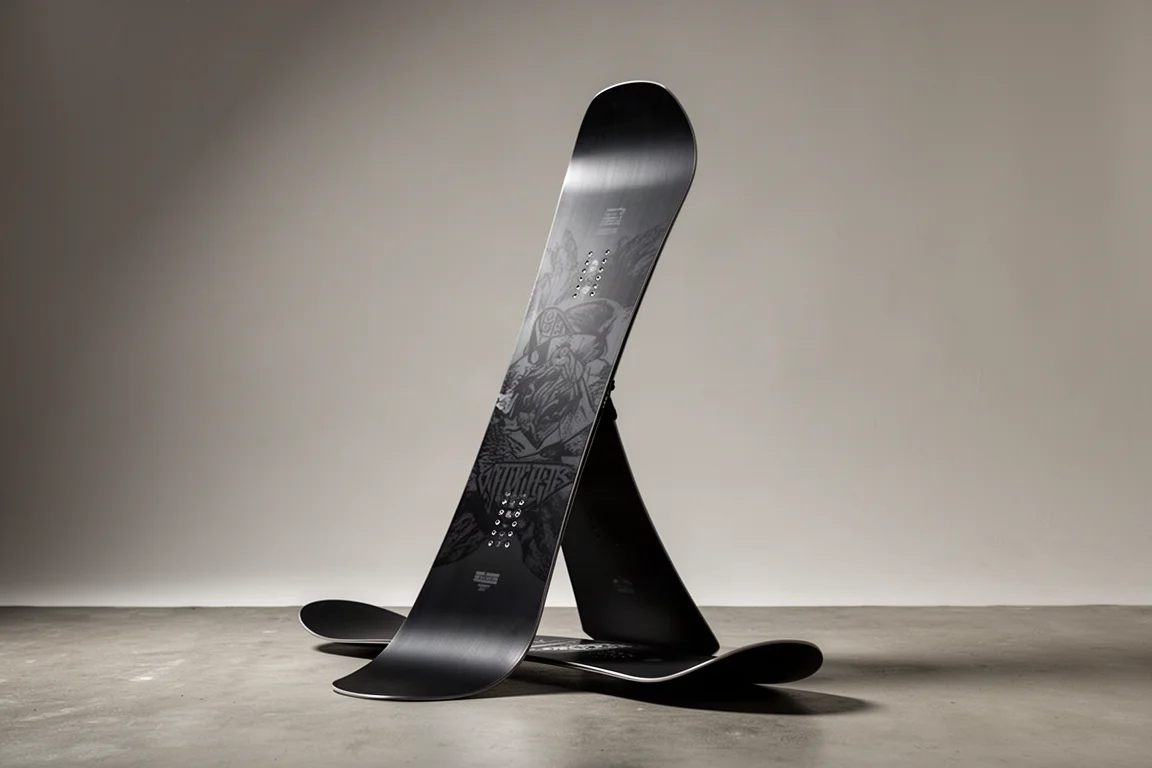
32 XXX Pat Fava Pro Snowboard Review: A Stiff Camber Beast for Hard-Charging Riders
A full-width traditional camber deck that rewards aggression with stability and edge power, but demands effort everywhere else.